


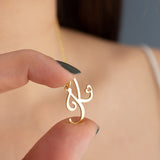
Every piece of jewelry is a material decision before it's a style decision. The same ring shape in 925 sterling silver, 18K gold-plated brass, and solid 14K gold can look nearly identical in a product photo and behave completely differently on your skin over the next two years — one tarnishes, one plates off, one lasts a lifetime. Most of the confusion around jewelry quality (why did it turn green, is this "real" gold, why does the listing say three different things) comes down to not knowing what the metal actually is.
This guide covers the full materials landscape: what each metal is made of, how the industry's shorthand (925, 18K, 18KGP, PVD) actually translates, how long each one realistically lasts, which are hypoallergenic, and which tarnish. Every section links to a deeper guide on that specific material if you want the full breakdown.
Every Jewelry Metal at a Glance
The table below is a quick reference. For the full breakdown of any metal, follow the links in the sections after it.
| Metal | What It's Made Of | Tarnish? | Hypoallergenic? | Price Tier |
|---|---|---|---|---|
| 925 Sterling Silver | 92.5% pure silver + 7.5% alloy (usually copper) | Yes, slowly — polishes off easily | Yes, when nickel-free | $ |
| 18K Gold-Plated (over sterling silver) | Sterling silver base, thin 18K gold layer | Base can tarnish once plating wears | Usually, if base is nickel-free | $ |
| Gold Vermeil | Sterling silver base, thicker/regulated gold layer (2.5 microns+ in the US) | Rare, lasts longer than standard plating | Usually | $$ |
| Solid Gold (10K-18K) | Pure gold alloyed with other metals throughout, not just plated | No | Higher karat = more hypoallergenic | $$$$ |
| 316L Stainless Steel | Iron-chromium-nickel alloy, surgical grade | No | Nickel-safe, not nickel-free | $ |
| Titanium | Pure titanium or titanium alloy | No | Yes, among the safest metals | $$ |
| Brass / Base Metal | Copper-zinc alloy, usually plated over | Yes, quickly once exposed | No — common allergy trigger | $ |
925 Sterling Silver — What "925" Actually Means
925 sterling silver is 92.5% pure silver alloyed with 7.5% other metal, almost always copper, to make it hard enough for daily wear. It's the jewelry-industry standard purity — when a listing just says "silver" with no other qualifier, it almost always means 925. A stamp reading "925," "S925," or "Sterling" confirms it.
For the full breakdown of what the numbers mean, how to read a hallmark, and how 925 compares to purer 999 fine silver, see 925 Silver vs 999 Silver. For current pricing by weight, see 925 Sterling Silver Price Per Gram. If you've seen "925 Italy" stamped inside a piece, that's a country-of-manufacture mark, not a different purity — see What Does 925 Italy Mean on Jewelry.
Gold-Plated, Gold Vermeil & Solid Gold — The Real Difference
These three terms get used interchangeably in casual conversation, but they describe three genuinely different products. Gold-plated jewelry has a thin layer of gold (often 18K or 14K) electroplated over a base metal — usually sterling silver in mid-range jewelry, brass in cheaper pieces. Gold vermeil is legally a specific, thicker standard of gold plating over sterling silver (at least 2.5 microns in the US). Solid gold has the karat alloy running all the way through the piece, not just on the surface.
The karat number ("18K," "14K," "10K") describes gold purity out of 24 parts, whether the piece is plated or solid — see What Does 18K Mean on Jewelry and What Does 14K Mean on Jewelry. If you've seen "18KGP" on a listing, that's shorthand for 18K Gold Plated, not solid gold — see What Does 18KGP Mean (and, if the piece is stamped with a regional variant, 18K Saudi Gold Plated Meaning).
Whether gold-plated jewelry is actually worth buying — and how long it realistically lasts before the plating wears through — is the single most-asked question in this category. Short answer: with proper care, 18K gold plating over sterling silver typically lasts 2-4 years before needing replating. See the full cost-benefit breakdown in Is 18K Gold-Plated Jewelry Worth It, Is 14K Gold-Plated Jewelry Worth It, and How Long Does Gold-Plated Jewelry Last. For how plating compares to the alternative construction method used in mid-range jewelry, see Gold-Filled vs Gold-Plated.
Stainless Steel & Titanium — The Hypoallergenic Workhorses
316L surgical-grade stainless steel and titanium are the two metals built specifically to survive daily wear without tarnishing, fading, or reacting with skin. Neither plates off, because the metal itself — not a coating — is what you see. That makes them the standard choice for first piercings, gym and swim jewelry, and anyone who's had skin reactions to other metals before. For the full answer, see our guide on does stainless steel tarnish.
The tradeoff is nuance in the "hypoallergenic" claim: 316L stainless steel is nickel-safe (its nickel is locked in the alloy structure and doesn't leach out under normal wear) but not technically nickel-free, since no stainless steel is. Titanium, by contrast, contains no nickel at all and is one of the most universally tolerated metals available. See Is Stainless Steel Jewelry Good, Is Titanium Jewelry Good, and the direct comparisons Sterling Silver vs Stainless Steel, Gold-Plated vs Stainless Steel, and Titanium vs Surgical Steel.
Base Metals to Watch For: Brass, Copper & PVD
Brass (a copper-zinc alloy) and copper are what sit underneath most cheap "gold" jewelry once you get below mid-range pricing. Both react with skin oils and sweat, which is the actual chemistry behind jewelry turning fingers green — it's an oxidation reaction, not a sign the metal is dirty or fake. Neither is hypoallergenic, and both need a genuine gold or rhodium layer on top to be wearable long-term. See Brass vs Gold-Plated and Copper vs Brass Jewelry.
PVD (physical vapor deposition) is a newer, more durable plating method than traditional electroplating, increasingly used on stainless steel jewelry. It bonds more tightly to the base metal and resists scratching better, though it's a different process from gold plating on silver — see PVD vs Gold-Plated.

Which Metals Are Actually Hypoallergenic?
"Hypoallergenic" isn't a regulated term, so it's used loosely across the industry — the metal underneath is what actually determines whether a piece will irritate sensitive skin, not the marketing label. Nickel is the single most common trigger for jewelry-related skin reactions, so the real question is always: does this piece contain nickel, and is it exposed to skin?
Genuine nickel-free options include 925 sterling silver, titanium, and higher-karat gold (14K+). See the complete nickel-free jewelry guide, Is Gold-Plated Jewelry Hypoallergenic, Hypoallergenic White Gold Jewelry, and our roundups of the best hypoallergenic jewelry brands and the best hypoallergenic earrings by material.
Which Metals Tarnish (And Which Don't)
Tarnish is a chemical reaction between a metal's alloy content and sulfur compounds in the air — it's cosmetic, reversible with polishing, and not a sign of fake or low-quality jewelry. Pure metals with little to no reactive alloy (titanium, stainless steel, higher-karat solid gold) don't tarnish. Alloyed metals (sterling silver, gold plating over silver or brass) do, at different speeds.
For the full rundown of which metals and finishes resist tarnish best, see What Jewelry Does Not Tarnish, Does Gold-Plated Jewelry Tarnish, Does Gold Vermeil Tarnish, and the best tarnish-free jewelry brands. Cubic zirconia settings can show the same green-skin reaction if the setting metal underneath is low-quality — see Does Cubic Zirconia Turn Green.
Rhodium Plating & Other Finishes
Rhodium is a rare, bright-white platinum-family metal used to plate white gold and sterling silver, giving both a brighter shine and an extra layer of tarnish resistance. It's a finish, not a base metal — a rhodium-plated ring is still sterling silver or white gold underneath. See the full guide: What Is Rhodium Plating.
For a full metal-by-metal comparison, see white gold vs silver and white gold vs yellow gold.
How to Choose the Right Metal for You
| If you... | Choose |
|---|---|
| Have sensitive skin or metal allergies | 925 sterling silver (nickel-free) or titanium |
| Want the gold look without the gold price | 18K gold-plated sterling silver, replated every 2-4 years |
| Wear jewelry to the gym, pool, or beach often | 316L stainless steel or titanium |
| Want a piece you'll never have to replate or replace | Solid gold (14K or 18K) |
| Are shopping on a tight budget and can tolerate more upkeep | 925 sterling silver, polished occasionally |
Metal Care Basics
How a piece is stored and worn matters as much as what it's made of. Keep metal jewelry away from water, perfume, and lotion where possible, store it in an airtight pouch, and polish sterling silver or gold-plated pieces with a soft cloth when tarnish first appears. For the complete cleaning routine by material — including specific methods for pearls, gemstones, and each metal type — see our complete jewelry care guide.
Shop by Metal at AJLuxe
Every AJLuxe piece states its exact material — no vague "gold-tone" listings. Browse by metal:
Shopping specifically for rose gold? See our breakdown of 14K vs 18K rose gold, which is more pink.
Weighing solid white gold against sterling silver specifically? Read our dedicated sterling silver vs white gold comparison for the price, durability, and maintenance breakdown.
Know your metals before you spend on yourself: see our guide to buying jewelry for yourself.
Karat purity is one of the most misunderstood numbers in jewelry: see why gold is soft and what karat really means.
Mixing metal tones is a styling question we get constantly: see can you mix gold and silver jewelry.
Frequently Asked Questions
What is the best metal for everyday jewelry?
925 sterling silver and 18K gold-plated sterling silver are the most practical everyday choices — durable enough for daily wear, widely available nickel-free, and affordable enough to replace or replate without a major expense. Stainless steel and titanium are the better choice specifically for active lifestyles, since neither tarnishes or plates off.
What jewelry metal doesn't turn your skin green?
925 sterling silver (nickel-free), solid gold of any karat, titanium, and 316L stainless steel don't cause the green-skin reaction, since they contain little to no reactive copper or base-metal alloy exposed at the surface. Brass, copper, and low-quality gold-plated pieces are the most common causes, because the reactive metal underneath the plating is exposed once the coating wears thin.
Is gold-plated jewelry the same as gold vermeil?
No. Both use a sterling silver base with a gold layer on top, but gold vermeil is a legally regulated, thicker standard (at least 2.5 microns of gold in the US) that lasts longer than standard gold plating, which has no minimum thickness requirement and can vary widely in durability between brands.
How do I know if jewelry is real silver or real gold?
Check the hallmark stamp, usually on the inside of a ring band, the back of a pendant, or near a clasp. "925," "S925," or "Sterling" indicates genuine sterling silver. A karat number ("18K," "14K," "10K") without "GP" or "plated" following it indicates solid gold; "18KGP" or "gold plated" indicates a plated piece, not solid gold.
Is stainless steel jewelry better than sterling silver?
Neither is universally "better" — they suit different priorities. Stainless steel never tarnishes and needs almost no maintenance, making it ideal for daily, active wear. Sterling silver has a warmer, more traditional look and is generally considered the more premium material, but it does require occasional polishing to manage tarnish.
What metal is safest for sensitive skin?
Titanium and nickel-free 925 sterling silver are typically the safest choices for sensitive skin and metal allergies, since both are genuinely nickel-free. Higher-karat solid gold (14K and up) is also very safe, since less of the alloy portion (where nickel is sometimes present) makes up the piece.
Why does my jewelry look worn out after a year?
If the piece is gold-plated, the gold layer wears thinnest at friction points — clasps, the inside of rings, and anywhere fabric or skin contacts it constantly — typically over 2-4 years depending on how often it's worn and whether it's removed before showering, swimming, and applying lotion or perfume. If the piece is solid metal (sterling silver or solid gold) and looks dull, that's tarnish or surface scratching, both of which polish out rather than being permanent damage.
Written by the AJLuxe Team. Last updated: September 2026.
All third-party trademarks, brand names and product names are the property of their respective owners. AJLuxe is not affiliated with, endorsed by, sponsored by, or otherwise connected to any third-party brand referenced in this article. Brand names are used solely for accurate comparative reference, and material descriptions reflect each brand's own published product specifications at the time of writing.
You Might Also Like

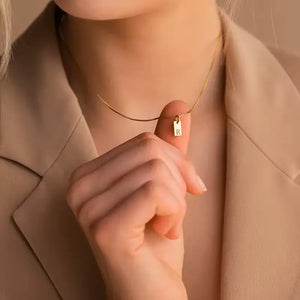
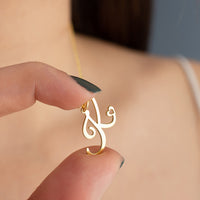
The piece they're describing → Heart Initial Necklace for Women — 18K Gold Plated, Personalized Letter + Heart Pendant
Personalize Yours


