


Rhodium plating is a very thin layer of rhodium, a rare platinum-group metal, electroplated over sterling silver or white gold to give it a bright, mirror-white finish and extra scratch resistance. It is why white gold and silver jewelry looks so reflective when new. The layer is only a few microns thick at most, so it wears down with regular use and can be redone by a jeweler. How long it lasts depends on how often you wear the piece and what it touches.
TL;DR
- Rhodium plating is a microscopically thin coating of rhodium metal, applied by electroplating over sterling silver or white gold.
- It gives jewelry a bright white, mirror-like shine and adds scratch resistance, because rhodium is a very hard metal.
- The coating is far thinner than a human hair, so it wears off over time. Rings wear through it fastest; necklaces and earrings last longer.
- Rhodium itself contains no nickel, but once the plating wears through, the base metal underneath touches your skin, so the base metal matters.
- Re-plating is a routine jeweler service. Prices vary by piece and shop, so ask for a quote that says whether stone masking is included.
- It is not the same as platinum: platinum is a solid, standalone metal; rhodium is only ever used as a plating layer.
Want a bright silver look in an everyday ring?
Shop the Minimalist Adjustable RingIf your white gold ring or sterling silver necklace has that bright, almost-chrome shine, you are probably looking at rhodium plating. It is the thin metal coating responsible for the crisp white finish on most white gold jewelry sold today, and on a lot of sterling silver too. Here is what it is, how long it lasts, what re-plating involves, and how it compares to platinum.
What Rhodium Actually Is
Rhodium is a rare, bright-white metal in the platinum group, and it is used in jewelry almost only as a coating. It is element 45 on the periodic table (symbol Rh), alongside platinum, palladium and iridium. It is rarer than gold or platinum and mostly comes as a byproduct of platinum and nickel mining.
That scarcity makes rhodium expensive per ounce, and its price swings widely with industrial demand. A rhodium-plated ring is still affordable because the amount of metal used is tiny: plating is measured in microns, not ounces.
How Rhodium Plating Works
Rhodium plating is applied by electroplating: the piece sits in a bath of dissolved rhodium salts while an electric current deposits a thin metal layer on its surface. The piece, usually sterling silver or white gold, is cleaned first so the layer bonds evenly.
The layer is extremely thin, at most a couple of microns, a small fraction of the width of a human hair. Rhodium becomes brittle when plated thick, which is one reason it is only ever used as a coating and never to make a solid piece of jewelry.
The result is a finish that is whiter and more reflective than the metal underneath. Sterling silver has a warm gray cast when polished, and white gold keeps a faint yellow tint from its gold content. Rhodium covers both with a bright, neutral white.
Why Jewelers Use Rhodium Plating
Jewelers use it for three reasons: whiteness, hardness and shine.
- Whiteness. White gold is an alloy of yellow gold with white metals, so it is never naturally pure white. Rhodium plating hides the warm undertone.
- Hardness. Rhodium is considerably harder than sterling silver or white gold, so while the layer is intact it resists everyday scratching.
- Shine. Rhodium is highly reflective, which gives jewelry a brighter, more diamond-like sparkle by contrast, a major reason engagement rings and eternity bands are so often rhodium plated.
How Long Does Rhodium Plating Last?
It depends on friction and chemicals more than on time: rings worn daily lose it fastest, while necklaces and earrings keep it longest. There is no single number that applies to every piece, so use this as a rough guide to how wear pattern changes the picture.
| Wear pattern | What to expect |
|---|---|
| Daily wear rings, worn while working or cleaning | Wears through fastest, because hands touch surfaces constantly |
| Regular wear, removed for chores | Lasts noticeably longer than a daily-wear ring |
| Occasional wear, special occasions only | Can stay bright for years |
| Necklaces and earrings, with less friction contact | Usually outlast plating on rings |
Hand sanitizer, chlorine and abrasive surfaces wear plating down faster than normal use, because the alcohol and chemicals strip the thin layer and expose the metal underneath sooner.
Is Rhodium Plating Hypoallergenic?
Rhodium itself contains no nickel, so the plating is considered gentle on skin while it is intact, but it does not change what the base metal is. Nickel is the most common trigger for metal allergies, and rhodium plating creates a physical barrier between your skin and whatever is underneath.
There is a catch: once the plating wears through, the base metal makes direct skin contact again. If that base metal contains nickel, reactions can return even though the piece was comfortable when new. For long-term wear on sensitive skin, the base metal matters just as much as the plating, and no plated piece is guaranteed safe for everyone. If you react to jewelry, ask a doctor about patch testing.
Rhodium Plating vs. Platinum: What's the Difference
Rhodium plating is a thin coating over another metal, while platinum is a solid precious metal that never needs plating. The two get confused constantly because both are bright white and both belong to the platinum group.
| Attribute | Rhodium plating | Platinum |
|---|---|---|
| What it is | A thin coating over another metal | A solid, standalone precious metal |
| Wears off? | Yes, gradually with wear | No, there is no coating to wear through |
| Upfront cost | Low (a coating step, not a metal cost) | High (priced as a precious metal itself) |
| Long-term cost | Ongoing re-plating as needed | No re-plating needed |
If you want a bright white finish that never needs maintenance, platinum delivers it at a much higher upfront price. If you want a similar look at a fraction of the cost and do not mind occasional re-plating, rhodium-plated white gold or sterling silver is the practical choice. For a full side-by-side on cost, weight and durability, see our white gold vs. platinum guide.
What Rhodium Re-Plating Involves
Re-plating is a routine jeweler service, and what it costs depends on the piece and the shop, so ask for a written quote. Simple pieces with no stones are the easiest and usually the least expensive. Pieces with prong-set stones, pavé settings or eternity bands cost more and take longer.
Complex pieces cost more because the jeweler has to mask stones individually before plating, since rhodium can dull the surface of many gemstones if it lands directly on them. Ask specifically whether the quote includes stone masking, because some shops charge it as a separate line item. Also ask for the turnaround time, which grows with complexity.
Signs Your Rhodium Plating Is Wearing Off
The plating thins gradually, and prongs, edges and the inside of ring bands usually go first. The usual signs:
- Prongs and edges look dull first. These touch surfaces constantly and lose their coating before flat areas do.
- A warm or yellow tint appears underneath. On white gold, this means the plating has worn through to the gold alloy beneath. Our guide to white gold turning yellow covers this exact process in detail.
- The shine turns cloudy rather than mirror-bright. Even before yellowing shows, the loss of that sharp reflective quality is often the first sign.
- Fine scratches show up more easily. Once the harder rhodium layer is gone, the softer base metal underneath scratches more readily.
How to Care for Rhodium-Plated Jewelry
Keep it away from chemicals and friction, and clean it gently. Plating lasts longest when you treat it as a delicate finish.
- Put jewelry on last, after lotion, perfume and hairspray, and take it off before swimming, cleaning or using hand sanitizer.
- Clean with mild soap, warm water and a soft cloth. Avoid abrasive polishing cloths and harsh dips, which can strip the layer.
- Store pieces separately in a soft pouch so harder items do not scratch the coating.
- If the base metal is sterling silver, it can still tarnish once the plating thins, so gentle cleaning keeps it bright.
Rhodium vs. Other Platinum-Group Coatings
Rhodium is the most common white coating for fine jewelry, with palladium as a less common alternative. Palladium plating is softer and slightly less reflective than rhodium and shows up occasionally on budget "white gold look" pieces. If a listing says "rhodium plated" without naming the base metal, ask what is underneath, since that is what you will be wearing once the plating thins.
Wondering how rhodium-plated pieces compare to plain, unplated sterling silver day to day? See our focused guide: rhodium-plated vs sterling silver.
Frequently Asked Questions
What are the downsides of rhodium plating?
The main downside is that it wears off with regular use, exposing the base metal underneath and calling for re-plating. It also cannot hide deep scratches in the long run, and stone-set pieces cost more to re-plate because each stone needs individual masking.
How long does rhodium plating last?
It depends on how the piece is worn. Daily-wear rings lose plating fastest, occasional-wear pieces and most necklaces and earrings keep it much longer, and chemicals such as hand sanitizer and chlorine speed up wear on anything.
How much should rhodium plating cost?
Cost depends on the piece and the shop. Simple pieces with no stones cost the least, while pieces with many set stones or intricate settings cost more because of the extra masking labor. Ask for a written quote that states whether masking is included.
What's better, sterling silver or rhodium-plated sterling silver?
Rhodium plating gives sterling silver a brighter finish and helps it resist tarnish while the layer lasts. Bare, unplated sterling silver will tarnish with air exposure and needs regular polishing to stay shiny, but it has no coating to wear off.
How quickly does rhodium plating wear off?
Wear speed depends on friction and chemical exposure. Rings worn daily while doing dishes, applying hand sanitizer or exercising wear through fastest. Necklaces and earrings get far less friction contact and generally hold their plating longer.
How much should it cost to rhodium plate a ring?
Plain bands with no stones are the simplest and generally the least expensive to re-plate. Rings with prong-set stones or elaborate eternity and pavé settings cost more because of the extra masking labor, so get a quote before you commit.
Is rhodium plating hypoallergenic and safe for sensitive skin?
Rhodium contains no nickel, the most common metal allergen, so it is considered gentle on skin while the plating is intact. Once the plating wears through, whatever base metal sits underneath touches your skin again, so the base metal matters for long-term skin safety.
How can you tell rhodium plating is wearing off?
Look for dulling at high-contact points like prongs and inner band surfaces first, a loss of the sharp mirror shine, and, on white gold specifically, a warm or yellow tint showing through where the coating has thinned.
Is rhodium plating the same as platinum?
No. Rhodium is only ever used as a thin plating layer, because it becomes brittle when plated thick. Platinum is a solid, standalone precious metal that never needs plating because there is no coating to wear through.
Does rhodium plating make jewelry more durable?
It adds meaningful scratch resistance while the coating is intact, because rhodium is much harder than sterling silver or white gold alone. That protection fades as the plating thins, and the underlying metal's own durability takes over once the rhodium wears through.
How do you care for rhodium-plated jewelry?
Take it off before swimming, cleaning and using hand sanitizer, put it on after lotion and perfume, clean it with mild soap and a soft cloth, and store it separately so harder items do not scratch it.
Final Thoughts
Rhodium plating is a thin, hard, bright-white coating that makes white gold look truly white and gives sterling silver extra shine. It is not permanent, and how often a piece needs redoing depends on how it is worn, but re-plating is a routine, predictable service for jewelry you wear often.
If you want that bright finish without a white gold price tag, plated sterling silver gives you a similar look at a fraction of the cost.
Rhodium plating and gold plating wear for the same underlying reason: a thin metal layer wearing through with repeated exposure. If you are weighing whether plated gold pieces can handle daily water contact, see can you shower with gold-plated jewelry for what actually holds up.
Shop This Guide
Written by the AJLuxe team, specialists in personalized sterling silver jewelry. Last updated: October 2026.
All third-party trademarks, brand names and product names are the property of their respective owners. AJLuxe is not affiliated with, endorsed by, sponsored by, or otherwise connected to any third-party brand referenced in this article. Brand names are used solely for accurate comparative reference, and material descriptions reflect each brand's own published product specifications at the time of writing.
You Might Also Like
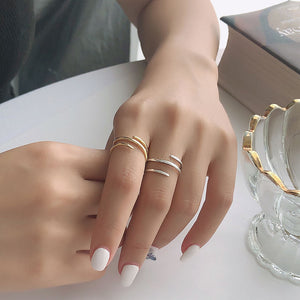
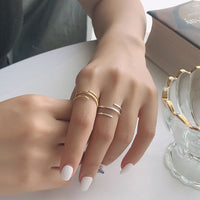
The piece they're describing → Adjustable Minimalist Ring for Women — 925 Sterling Silver, Gold or Rhodium Plated
Personalize Yours


