


TL;DR: Keep jewelry away from water, sweat, lotion, and perfume; store each piece separately in a dry, dark spot; wipe it down after every wear; and get fine pieces professionally checked once a year. That routine alone prevents most tarnish, scratching, and lost stones. Below: a 10-rule checklist, a material-by-material quick-lookup table, and a daily/weekly/monthly care schedule — plus links to our full cleaning guides for every material.
10 Jewelry Care Rules Everyone Should Know
- Put jewelry on last, take it off first. Perfume, hairspray, and lotion all cause more damage than water does. Get dressed, then put your jewelry on; take it off before you start your nighttime routine. (Packing for a trip has its own rules too; see our jewelry travel organizer guide.)
- Never sleep in it. Tossing and turning bends prongs, snaps thin chains, and grinds soft metals against sheets and pillowcases all night.
- Take it off before water. Showering, swimming, and hot tubs are the single biggest cause of tarnish, plating wear, and cloudy stones. Chlorine and saltwater are especially harsh on plated and softer metals.
- Take it off before the gym. Sweat is acidic and speeds up tarnish; weights and equipment scratch and bend metal.
- Store pieces separately. Metal-on-metal contact in a jumbled drawer causes most scratches. Use a lined box, individual pouches, or hanging organizer. See our full storage guide for the ranked options and material-specific rules.
- Keep jewelry dry and out of direct light. Humidity accelerates tarnish; UV light can fade some gemstone colors over time.
- Wipe every piece down after you wear it. A soft polishing or microfiber cloth removes the oils and residue that cause dulling before they build up.
- Know your metal before you clean it. What's safe for stainless steel can strip plating or dull a soft gemstone. When in doubt, a soft dry cloth is always safe — skip DIY chemical mixes unless you've confirmed they're right for the material.
- Skip the ultrasonic cleaner unless you're sure. Ultrasonic cleaners are great for solid gold and diamonds, but they can loosen stones, damage porous gems like pearls and opals, and strip plating.
- Get fine jewelry professionally checked once a year. A jeweler can spot loose prongs, worn clasps, and thinning chains before you lose a stone or a piece entirely.

Quick-Lookup Table: How to Clean Every Material
Bookmark this table for a fast answer, then click through to the full guide for step-by-step instructions, DIY recipes, and what to avoid for your specific material.
| Material | Quick Tip | Full Guide |
|---|---|---|
| Sterling silver (tarnished) | Soft polishing cloth for light tarnish; baking-soda paste for heavier buildup. | How to Clean Tarnished Jewelry |
| Jewelry with diamonds | Warm water, a drop of dish soap, and a soft toothbrush around the setting. | How to Clean Jewelry with Diamonds |
| Stainless steel | Nearly indestructible — mild soap and water handles almost everything. | How to Clean Stainless Steel Jewelry |
| Copper | Lemon juice and salt or a vinegar soak cuts through patina fast. | How to Clean Copper Jewelry |
| Costume jewelry | Dry cloth only — skip water, which can loosen glue and glued-in stones. | How to Clean Costume Jewelry |
| Brass | A baking-soda-and-lemon paste restores shine without harsh chemicals. | How to Clean Brass Jewelry |
| Rose gold | Warm soapy water and a soft cloth; avoid abrasive polishing that can wear the copper-alloy tone. | How to Clean Rose Gold Jewelry |
| Moissanite | Warm soapy water and a soft brush; safe for occasional ultrasonic use. | How to Clean Moissanite Jewelry |
| Titanium | Barely needs cleaning — a damp cloth handles nearly everything. | How to Clean Titanium Jewelry |
| Gold-filled | Warm soapy water and a soft cloth; the gold layer is thicker than plating but still not solid gold. | How to Clean Gold-Filled Jewelry |
| Gold vermeil | Mild soap and water only; avoid abrasives and chlorine, which wear through the gold layer fastest. | How to Clean Gold Vermeil Jewelry |
| Cubic zirconia | Warm soapy water and a soft brush; dry thoroughly to avoid a cloudy film. | How to Clean Cubic Zirconia Jewelry |
| Opal | Damp cloth only — never soak; opals are porous and water-sensitive. | How to Clean Opal Jewelry |
| Pearls | Wipe with a damp cloth after every wear — never soak, never use chemicals. | How to Care for Pearl Jewelry |
| Any material, general routine | Not sure where to start? This is the master how-to for everyday cleaning at home. | How to Clean Jewelry at Home |
| Any material, baking-soda method | The gentle DIY method that works across most metals — when it's safe and when it's not. | How to Clean Jewelry with Baking Soda |
Also see our dedicated guides on how to prevent jewelry tarnish before it starts, how to travel with jewelry without damage or loss, and how to clean earrings by material. If you wear nickel-free or white gold pieces, see does nickel-free jewelry tarnish and hypoallergenic white gold jewelry.

Your Daily, Weekly, and Monthly Care Routine
Daily
- Put jewelry on after applying lotion, perfume, and hairspray — never before.
- Take everything off before sleeping, showering, and exercising.
- Wipe each piece with a soft cloth before putting it back in storage.
Weekly
- Do a quick visual check for loose stones, bent prongs, or thinning clasps on pieces you wear often.
- Give everyday pieces — stud earrings, a daily ring, a layering necklace — a proper clean using the method for their specific material.
Monthly
- Rotate through your full jewelry box, not just the pieces in daily rotation, so nothing sits neglected and tarnishing in the back of a drawer.
- Check storage: are silica packets or anti-tarnish strips still fresh? Are pieces still stored separately, not tangled together?
Yearly
- Take fine jewelry — engagement rings, pieces with valuable stones, anything worn daily for years — to a jeweler for a professional inspection and cleaning.
- Have prong settings checked on any ring you wear regularly; this is the single best way to avoid losing a stone.
Storage That Actually Prevents Tarnish
Most jewelry damage happens in storage, not while it's being worn. The biggest mistakes: piling pieces in one drawer where they scratch each other, leaving jewelry exposed to humid bathroom air, and storing silver in anything but an airtight or anti-tarnish pouch.
The fix is simple. Store each piece individually — a jewelry box with separate compartments, small zip-top bags, or anti-tarnish pouches all work. Keep the box somewhere dry and out of direct sunlight, away from the bathroom. For sterling silver specifically, an anti-tarnish strip or a tightly sealed bag slows the tarnishing process significantly, since it's oxygen and humidity that cause it, not just time.
6 Common Jewelry Care Mistakes (and What to Do Instead)
- Mistake: Using toothpaste to polish jewelry. It's a popular hack, but toothpaste is mildly abrasive and can scratch soft metals like gold and silver, plus dull the polish on gemstones. Use a proper polishing cloth or a mild dish soap solution instead.
- Mistake: Soaking pearls or opals like you would a diamond ring. Porous, water-sensitive gems don't tolerate soaking or ultrasonic cleaners. A quick wipe with a damp cloth after wearing is the safer default for these materials.
- Mistake: Storing all your jewelry in one drawer or bowl. Tangled chains snap, and metal-on-metal contact is one of the top causes of visible scratching. Separate compartments or pouches solve this in minutes.
- Mistake: Using paper towels to dry or polish jewelry. Paper towels are more abrasive than they feel and can leave micro-scratches on soft, high-polish metal. Stick to a microfiber or dedicated jewelry polishing cloth.
- Mistake: Assuming "hypoallergenic" means "waterproof." Hypoallergenic just means nickel-free — it says nothing about how the piece handles water or chlorine. Check the specific metal and plating before deciding it's shower- or pool-safe.
- Mistake: Ignoring a sticky clasp or a loose stone. A clasp that's hard to close or a stone that wiggles even slightly is a warning sign, not a minor annoyance. Left alone, both usually end in a lost piece rather than a simple fix.
Why a Simple Routine Beats Occasional Deep Cleaning
It's tempting to let jewelry go weeks or months between cleanings and then reach for the strongest solution you can find. In practice, that approach does more damage than good. Tarnish and residue that build up over time are harder to remove and often require more aggressive methods — exactly the kind of scrubbing and soaking that wears down plating, dulls polish, and stresses delicate settings. For more detail, see our guide to a homemade jewelry cleaner.
A light, consistent routine — wiping pieces down after each wear, keeping them dry and separated in storage, and removing them before water, sweat, and lotion — does more to protect your jewelry over its lifetime than any single deep clean. Think of it the same way you'd think about skincare: small daily habits outperform an occasional intensive treatment, and they're far less likely to cause damage along the way.
Frequently Asked Questions
Wipe pieces down with a soft cloth after every wear, and do a proper clean (soap and water, or the method for your specific material) every one to two weeks for pieces you wear often. Jewelry worn only occasionally needs cleaning less frequently — just before you wear it again is usually enough.
It's best to take it off. Soap residue, hot water, and steam accelerate tarnish on silver, dull plating, and can leave a cloudy film on gemstones over time. Solid gold and titanium tolerate occasional water exposure better than plated or silver pieces, but removing everything before you shower is the safest habit.
Yes, always. Chlorine is one of the most damaging substances for jewelry — it can strip gold plating, discolor sterling silver, and weaken the metal alloys in some pieces over repeated exposure. Saltwater is similarly harsh and can also dull the polish on softer metals.
Rings and bracelets are best removed before workouts. Sweat is acidic and speeds up tarnish, and weights, machines, and resistance bands can bend prongs and scratch metal. Stud earrings are generally lower-risk if you're not doing anything that involves head contact.
It's not recommended. Tossing and turning puts pressure on clasps and chains, can bend rings against a mattress or pillow, and creates friction that dulls polish over time. Take rings, bracelets, and necklaces off before bed; earrings are the lowest-risk exception if you must.
Keep each piece separate in a dry, dark place — a lined jewelry box, individual pouches, or a hanging organizer all work. Avoid humid spots like a bathroom counter. For silver specifically, an anti-tarnish pouch or strip helps significantly, since tarnish is driven by exposure to air and moisture.
Tarnish is a chemical reaction between metal (most commonly the copper in sterling silver alloys) and sulfur compounds or moisture in the air. You can't stop it entirely, but you can slow it dramatically by storing pieces in airtight or anti-tarnish packaging, keeping them dry, and avoiding exposure to perfume, lotion, and chlorine.
Once a year for fine jewelry you wear regularly, especially rings with prong-set stones. A jeweler can spot a loosening prong or a worn clasp long before it becomes a lost stone or a broken chain — an inspection is usually free or low-cost even if you didn't buy the piece there.
No — take it off first. Lotions, sunscreen, and perfume all leave a residue that dulls metal and can cloud gemstones over time. The rule of thumb: jewelry goes on last, after every other product has been applied and absorbed.
Store pieces separately so metal doesn't rub against metal, take jewelry off before manual tasks like cleaning or gardening, and avoid tossing pieces loose into a bag or pocket. Softer metals like gold and silver scratch more easily than stainless steel or titanium, so they need extra care in storage.
Take it in if you notice a loose stone, a bent prong, a sticking clasp, or if the piece is a valuable heirloom you're not confident cleaning yourself. Deep tarnish on intricate or antique pieces is also better left to a professional, since aggressive home cleaning can wear down detailed engraving or plating.
Final Thoughts
Good jewelry care isn't complicated — it's mostly about consistent small habits: put pieces on last, take them off before water and sweat, store them separately and dry, and wipe them down after every wear. That routine alone prevents the majority of tarnish, scratching, and loosened stones we see. When you're ready to clean a specific piece properly, use the quick-lookup table above to jump to the full step-by-step guide for that exact material.
Building a low-maintenance jewelry collection? Start with pieces designed to hold up to everyday wear.
Shop the Stone Charm Necklace — 18K Gold Plated, Nickel-FreeShop This Guide
- Stone Charm Necklace — 18K Gold Plated, Natural Gemstone Charms
- How to Clean Jewelry at Home (Master Guide)
Written by the AJLuxe Team — specialists in nickel-free 925 sterling silver and 18K gold-plated hypoallergenic jewelry. Sources: Jewelers of America — Jewelry Care. Last updated: July 2026.
Not sure what your piece is even made of first? Our complete jewelry materials guide breaks down every metal — sterling silver, gold plating, stainless steel, and more — before you get to caring for it.
All third-party trademarks, brand names and product names are the property of their respective owners. AJLuxe is not affiliated with, endorsed by, sponsored by, or otherwise connected to any third-party brand referenced in this article. Brand names are used solely for accurate comparative reference, and material descriptions reflect each brand's own published product specifications at the time of writing.
You Might Also Like
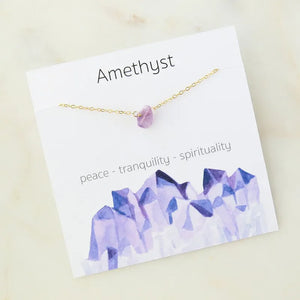
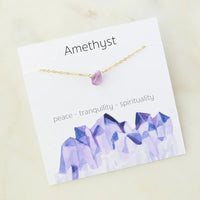
The piece they're describing → Stone Charm Necklace for Women — Raw Natural Gemstone Pendant
Personalize Yours


