


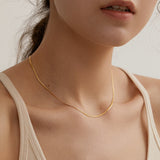
Yes, 18K gold plated jewelry is worth it if you want the look of gold at a low price, you rotate your pieces and you will take it off for water and sweat. No, it is not worth it if you want an heirloom, plan to wear one piece nonstop for years, or expect any resale value. The two things that decide how good a piece is are how thick the gold layer is and what metal sits under it. If you only came to decode the stamp, see what 18KGP means.
What does "18K gold plated" mean?
18K gold plated means a thin coating of 18-karat gold (75% gold in the plating alloy; if karat and carat get mixed up, see carat vs karat) over a base metal, so the gold is only on the surface. The piece itself is not 75% gold. Most AJLuxe pieces use a 925 sterling silver base with 18K gold plating, and each product page states what its piece is made of. For the actual gold content, see how much real gold is in gold-plated jewelry.
Is 18K gold plated jewelry worth the money? Compared with the alternatives
It is worth the money as fashion jewelry, and not worth it as an investment. This table shows where it sits against the other common gold finishes. Costs are rough relative bands, and durability depends on the plating thickness and how you wear it.
| Type | What it is | Relative cost | Durability with daily wear | Skin note | Worth it for |
|---|---|---|---|---|---|
| Gold plated (18K) | Thin gold layer over a base metal | Lowest | Layer wears down; months to a few years depending on thickness and care | Depends on the base metal once the layer thins | Trend pieces, gifts, rotation |
| Gold vermeil | Sterling silver with a thicker gold layer | Low to mid | Usually longer than thin plating, but the layer still wears | Silver base, a common choice for sensitive skin | Daily pieces on a modest budget |
| Gold filled | A thick layer of gold bonded to a core metal | Mid | Typically much longer than plating | Gold layer is thick, so the core rarely touches skin | Years of daily wear without solid-gold prices |
| Solid gold | Gold alloy all the way through | Highest | Does not wear off; can be repaired and resized | Depends on the alloy, but no coating to wear through | Heirlooms and pieces you never take off |
Fast-fashion costume jewelry usually sits below all four. It often has a very thin flash coating over an unspecified base metal, which is why it fades quickly.
Who is 18K gold plated jewelry worth it for?
It suits people who value style and variety over permanence. It tends to be a good fit if you:
- Want the warm yellow gold look without paying for solid gold.
- Like to change pieces with outfits or seasons rather than wear one forever.
- Are buying a gift. AJLuxe pieces run from $24.99 to $79.99, which keeps a gift personal without a big spend.
- Are willing to take it off for showers, workouts and swimming.
When is it not worth it?
It is not worth it when you expect it to behave like solid gold. Skip plating, or step up to gold filled or solid gold, if you:
- Want one piece to last decades without wearing down, such as a wedding band.
- Never take jewelry off, including for sleep, sport and swimming.
- Expect to resell it. Plating has almost no gold value to recover.
- Have a known nickel allergy and cannot confirm the base metal.
How long does 18K gold plating last?
It typically lasts from a few months to a few years of regular wear, and the range is wide because it depends on plating thickness, base metal and habits. Thicker plating, less friction and less exposure to sweat, lotion, chlorine and saltwater all slow the wear. Rings and bracelets lose their finish first because they rub against everything. Earrings and pendants usually last longest. Treat any exact number you see online, including this range, as a rough guide and not a guarantee.
How do you make 18K gold plated jewelry last longer?
Keep it away from water, chemicals and friction, and store it on its own. These habits make the biggest difference:
- Put it on last, take it off first. Apply perfume, lotion and hairspray before you put jewelry on.
- Take it off for water and sweat. Showers, pools, hot tubs, the gym and the sea all speed up wear. See can you shower with gold-plated jewelry.
- Wipe after wearing. A soft dry cloth removes oils. Use a barely damp cloth for visible dirt, then dry fully. More in how to clean gold plated jewelry.
- Avoid abrasives. Skip polishing cloths made for solid metal, harsh cleaners and ultrasonic machines.
- Store pieces separately in a pouch or lined box, so they do not scratch each other.
- Rotate your pieces instead of wearing the same one every day.
Does 18K gold plated jewelry turn skin green or tarnish?
The gold layer itself does not turn skin green or tarnish. Trouble starts when the layer wears thin and the base metal underneath reacts with sweat and skin. Copper-containing base metals are the usual cause of green marks (see why jewelry turns your finger green). A silver base can darken instead. The honest limit: every plated piece will eventually show some wear, so the base metal matters most for what happens next. For a closer look at the base-metal choice, see gold plated vs stainless steel. For rings and sensitive skin specifically, read our hypoallergenic rings guide.
Can you replate gold plated jewelry?
Often yes, if the piece is simple and the base metal is sound, but it is not always worth the cost. A jeweler who offers replating will usually polish the piece and apply a fresh layer. Fine chains, hollow pieces and stone settings can be difficult. For an inexpensive piece, the replating cost can approach what a new one costs, so ask for a quote first.
What to look for before you buy
- The base metal is named. "Plated" with no base metal listed is a warning sign.
- The plating is described honestly. Be wary of listings that imply solid gold or promise it never fades.
- The karat and plating are stated separately. "18K" on its own can be read as solid gold, so look for "plated" next to it.
- There is a clear care and returns policy.
Browse our 18K gold plated jewelry collection, such as the layered gold plated choker necklace, and check each product page for its materials. To compare finishes in more depth, read gold plated vs solid gold, is gold vermeil worth it and gold overlay vs gold plated.
Frequently Asked Questions
Is 18K gold plated jewelry worth it?
Yes, for fashion and gifting, if you accept that the gold layer wears down and that it has no resale value. It is a good value when you want the look of gold at a low price and will care for it. It is a poor value if you want a lifelong piece.
How long does 18K gold plated jewelry last?
Typically from a few months to a few years of regular wear, depending on plating thickness, base metal and care. Rings and bracelets wear fastest. Avoiding water, sweat and chemicals helps most.
Does 18K gold plated jewelry tarnish?
The gold itself does not tarnish. Once the plating thins, the base metal can darken or react with skin, which looks like tarnish. Careful storage and keeping it dry slow this down.
Can you shower with 18K gold plated jewelry?
It is best not to. Water is not the only issue; soap, shampoo and hot steam all speed up wear. Taking pieces off before showering is one of the easiest ways to extend their life.
Does 18K gold plated jewelry turn your skin green?
The gold does not, but a copper-containing base metal can once the plating wears through. A sterling silver or stainless steel base is less likely to cause green marks, though a silver base can darken.
Is 18KGP real gold?
The surface is real 18K gold, but only as a very thin layer; the piece underneath is not gold. The stamp means gold plated, not solid gold. The full explanation is in our 18KGP meaning guide.
Is 18K gold plated better than 14K gold plated?
18K has a richer, warmer color because it has a higher gold content. For durability, plating thickness and base metal matter more than the karat. See 18K vs 14K gold plating and is 14K gold plated jewelry worth it.
Can gold plated jewelry be replated?
Often, if the design is simple and the base metal is sound, but quotes vary and it may cost close to the price of an inexpensive piece. Ask a jeweler before you commit.
All third-party trademarks, brand names and product names are the property of their respective owners. AJLuxe is not affiliated with, endorsed by, sponsored by, or otherwise connected to any third-party brand referenced in this article. Brand names are used solely for accurate comparative reference, and material descriptions reflect each brand's own published product specifications at the time of writing.
You Might Also Like
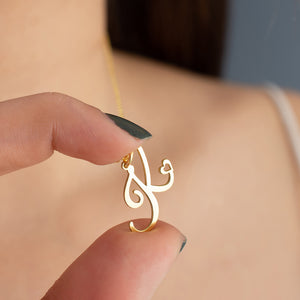
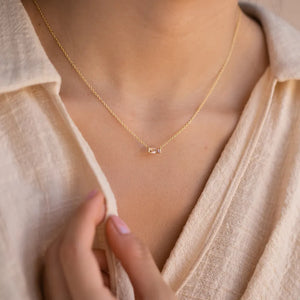
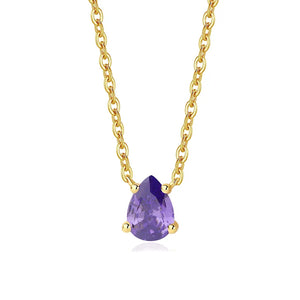
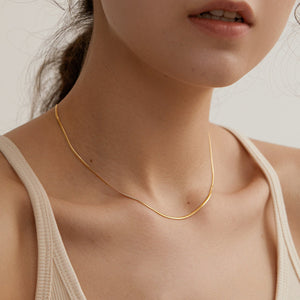
The piece they're describing → Layered Choker Necklace for Women — 18K Gold Plated
Personalize Yours


