



- Composition: copper is a pure element; brass is copper alloyed with roughly 5 to 40 percent zinc.
- Color: copper is reddish-orange; brass ranges from pale gold to deep bronze-gold depending on zinc content.
- Tarnish and patina: both oxidize in air and moisture; copper darkens and greens faster, brass resists slightly longer but still dulls.
- Skin reactions: both can cause green staining and, in sensitive wearers, redness or itching — the copper content is the trigger either way.
- Cost: both are inexpensive, typically five to thirty dollars for costume pieces; copper often costs a bit more by weight than brass.
- Catalog note: AJLuxe does not sell copper or brass jewelry. If either metal has ever irritated your skin, 925 sterling silver or 18K gold plating over sterling silver is the practical upgrade.
If you've ever picked up a "boho" cuff or a vintage-style pendant and wondered whether it's copper vs brass jewelry, the short answer is that both are common, affordable base metals — but they behave very differently on your skin, in your jewelry box, and over time. Copper is a soft, pure reddish metal. Brass is an alloy of copper and zinc, engineered to be harder and more gold-toned. Neither is stainless, and neither is hypoallergenic, which is the detail most product listings leave out. This guide breaks down the real differences in composition, color, tarnish behavior, skin reactivity, and cost — and is upfront about where AJLuxe's own catalog fits (and doesn't) into the picture.
What Are Copper and Brass, Exactly?
Copper is a naturally occurring element (chemical symbol Cu) and one of the oldest metals used in jewelry making, dating back thousands of years. Jewelry-grade copper is typically 99 percent pure or close to it, sometimes with a small amount of other trace elements for workability. It's soft, extremely conductive, and takes on a warm, reddish-orange color when polished.
Brass is not a pure metal — it's an alloy, meaning it's made by melting two or more metals together. Jewelry brass is almost always copper combined with zinc, usually somewhere between 5 and 40 percent zinc depending on the specific alloy. More zinc pushes the color toward pale gold or even silvery; less zinc keeps it closer to a deep bronze-gold. Because brass still contains a large percentage of copper (often 60 to 95 percent), it shares many of copper's properties — including its tendency to react with skin and air.
This is the detail most casual jewelry descriptions skip: brass is not a copper alternative. It's a copper-based metal. If copper bothers your skin, brass is not automatically safer.
Copper vs Brass Jewelry: Side-by-Side Comparison
| Property | Copper | Brass |
|---|---|---|
| Composition | Pure element, roughly 99 percent copper | Alloy: copper plus 5 to 40 percent zinc |
| Color | Reddish-orange, "new penny" tone | Pale gold to deep bronze-gold |
| Hardness | Soft, scratches and dents easily | Harder, holds engraving and shape better |
| Tarnish and patina | Darkens and greens fastest, especially with sweat or humidity | Tarnishes more slowly but still dulls and can green over time |
| Skin reactivity | Common cause of green staining; can irritate sensitive skin | Same risk — brass is still mostly copper by weight |
| Typical cost | Around ten to thirty-five dollars for costume pieces | Around five to twenty-five dollars for costume pieces |
| Best for | Occasional wear, artisan and handmade designs | Everyday costume jewelry, statement pieces on a budget |

Color and Patina: How Each Metal Ages
Fresh out of the box, copper and brass look distinct — copper is warm and reddish, brass is closer to a matte gold. But that first impression doesn't last. Both metals oxidize when they meet air, moisture, and the natural acids and oils in skin. Copper oxidizes fastest, developing a dull brown-black tarnish within days of regular wear, and can develop a blue-green patina (the same chemistry that turns the Statue of Liberty green) with prolonged exposure to sweat or humidity. Brass tarnishes more slowly because the zinc content dilutes the copper's reactivity, but it still dulls, especially at the edges and in the grooves of detailed designs, and can develop the same greenish tint over time.
Neither metal is tarnish-proof. Uncoated copper and brass jewelry needs regular polishing to stay bright, and both will eventually darken with wear whether you polish them or not — it's a matter of chemistry, not quality control.
Skin Reactions: Why Both Can Turn Your Skin Green (or Worse)
This is the question most people are actually trying to answer when they search "copper vs brass jewelry" — will it hurt my skin? The honest answer: both metals carry the same core risk, because brass is majority copper.
When copper reacts with sweat, the oxidation byproducts (copper salts) can transfer to skin and leave a temporary green or black mark. This is a chemical reaction, not an infection, and it's harmless for most people — but it's also a strong sign the metal is reactive enough to bother more sensitive skin. A smaller group of wearers experience genuine irritation: redness, itching, or a rash where the metal touches skin, especially with prolonged contact in earrings, rings, or watch backs. This is more often a mild irritant reaction from oxidation products than a true nickel-style allergy, but it feels the same to the wearer — uncomfortable and worth avoiding.
Brass doesn't solve this. Because most costume brass is 60 to 95 percent copper, it carries a very similar risk profile. Cheaper brass jewelry can also contain nickel as a hardening agent, which is one of the most common metal allergens and adds a second reactivity risk on top of the copper base. Unless a brass piece is explicitly described as nickel-free, that's an unknown you're taking on.
If you've had a reaction to either metal, the fix isn't switching from one to the other — it's switching families entirely, to a metal that doesn't contain reactive base-metal alloys against your skin.

Where AJLuxe Fits — and Where It Doesn't
To be upfront: AJLuxe doesn't sell copper or brass jewelry. Our catalog is built around 925 sterling silver, often finished with 18K gold plating, specifically because those materials don't carry the same tarnish-and-irritation profile as base-metal alloys. If you came here comparing copper and brass for a specific handmade or artisan piece, this guide covers the real chemistry above — but if you're here because a copper or brass piece has ever left your skin green, itchy, or irritated, that's the exact problem our sterling silver line is built to avoid.
Genuine 925 sterling silver is 92.5 percent silver alloyed with other metals (usually copper, in small amounts, for strength) — but at that low concentration, and with a rhodium or protective finish, it behaves nothing like solid copper or brass against skin. It's a standard recommendation from dermatologists and jewelers alike for people who react to costume-grade base metals. See our full hypoallergenic jewelry guide for a breakdown of which metals are safest for sensitive skin.
A Note for Jewelry Makers
If you searched "copper vs brass jewelry" from the making side rather than the buying side, the tradeoffs shift slightly. Copper is prized by hobbyist and artisan jewelers for how easily it work-hardens, solders, and takes a patina finish intentionally — many wire-wrapped and hammered designs rely on copper's softness as a feature, not a flaw. Brass is harder to solder cleanly because the zinc content can boil off at soldering temperatures, creating pitting, but it holds crisp stamped and engraved details better than copper once finished. Neither metal requires expensive tools to work with, which is part of why both remain staples of handmade and small-batch jewelry lines. The skin-reactivity considerations above apply just as much to handmade pieces as to mass-produced costume jewelry, since the underlying chemistry doesn't change based on who made the piece.
Which Should You Choose: Copper, Brass, or Neither?
Choose copper if: you love the warm reddish tone for occasional-wear or statement pieces, you're comfortable polishing it regularly, and you don't have a history of skin sensitivity to base metals.
Choose brass if: you want a gold-toned look on a tight budget, you're buying a piece for occasional or costume use rather than daily wear, and you've confirmed it's nickel-free.
Choose neither — and go with sterling silver or gold-plated sterling silver if: you wear jewelry daily, you've ever noticed green marks or irritation from copper-based metals, or you're buying for sensitive skin (including kids, pregnancy, or eczema-prone wearers). This is the honest recommendation for anyone reading this comparison because a copper or brass piece let them down.
See also: Surgical Steel vs Sterling Silver: Which Is Actually Hypoallergenic?.
See also: Titanium vs Stainless Steel Earrings: Which Is More Hypoallergenic?.
Caring for Copper and Brass Jewelry (If You Already Own Some)
- Keep it dry. Remove copper and brass pieces before showering, swimming, or exercising — moisture accelerates tarnish.
- Store it airtight. A zip-top bag or airtight box slows oxidation between wears.
- Polish gently. A dedicated copper or brass polishing cloth (not silver polish, which is formulated differently) restores shine without over-stripping the surface.
- Apply a barrier if you're sensitive. A thin coat of clear nail polish on the metal's inner surface can reduce direct skin contact, though it will wear off and need reapplying.
- Watch for reactions. If you notice redness, itching, or persistent green staining that doesn't wash off easily, stop wearing the piece and consider switching metals.
Related reading: Is rose gold real gold.
Related reading: How to clean copper jewelry.
Frequently Asked Questions
Is it healthy to wear copper jewelry?
For most people, yes — copper jewelry is not dangerous. The green marks it can leave on skin are a harmless chemical reaction (copper salts from oxidation), not a sign of toxicity. However, people with sensitive skin or a known metal sensitivity may experience redness or itching with prolonged wear, in which case it's worth switching to a less reactive metal like sterling silver.
Should I avoid brass jewelry?
You don't need to avoid it outright, but treat it the same way you would copper. Brass is majority copper, so it carries similar tarnish and skin-reaction risks. If you have sensitive skin, look for brass that's explicitly labeled nickel-free, and avoid wearing brass pieces for extended periods against skin that sweats heavily, like rings or watch bands.
Does one hundred percent brass jewelry turn green?
Yes, it can. "One hundred percent brass" refers to the alloy being solid brass rather than a brass-plated base metal — it doesn't mean the copper content has been removed. Since brass is still majority copper, it will oxidize and can leave green marks on skin, especially in humid conditions or with heavy sweating.
How do I tell if I have copper or brass jewelry?
Color is the first clue: copper is reddish-orange, while brass is more yellow-gold, closer to the color of gold jewelry. Brass also feels slightly harder and more rigid than the soft, easily-scratched feel of pure copper. If you're unsure, a small, inconspicuous scratch test can help — copper reveals a bright reddish-orange surface underneath, while brass reveals a paler gold-yellow.
Can copper or brass jewelry cause an allergic reaction?
True allergic reactions to copper itself are less common than reactions to nickel, but they do happen, and copper-based metals can also cause mild irritant contact dermatitis in sensitive wearers even without a true allergy. Since cheaper brass can contain trace nickel as a hardening agent, brass jewelry carries a slightly higher combined risk unless it's confirmed nickel-free.
Which is more expensive, copper or brass?
Copper is typically a bit more expensive than brass by weight, since it's a pure metal with higher raw material demand (copper is widely used in electronics and construction). In finished costume jewelry, though, prices for both usually land in a similar five-to-thirty-five-dollar range, with design complexity mattering more than the raw metal cost.
Is brass jewelry the same as gold-plated jewelry?
No. Brass is a solid alloy that happens to look gold-toned because of its zinc content — there's no actual gold involved. Gold-plated jewelry has a thin layer of real gold electroplated over a base metal (which can itself be brass, copper, or sterling silver). Gold-plated pieces over a sterling silver base will generally outlast and out-perform solid brass for both color retention and skin comfort.
Why does costume jewelry turn my finger or ear green?
Green marks almost always trace back to copper content reacting with sweat, lotion, or humidity — whether the piece is solid copper, brass, or a cheaper base-metal alloy plated to look like gold or silver. It's a chemical reaction, not dirt or a sign of low quality, but it's also a reliable signal that the metal underneath isn't suited to daily, close-skin wear.
What's the most hypoallergenic alternative to copper and brass jewelry?
925 sterling silver and 18K gold plating over sterling silver are the most practical everyday alternatives. Surgical-grade titanium and niobium are also excellent for sensitive skin but are less common in fashion jewelry designs. Whatever you choose, look for pieces that specify their base metal rather than vague terms like "gold-tone" or "silver-tone," which are often unmarked base-metal alloys.
Do copper and brass jewelry need special cleaning products?
Yes. Silver polish and jewelry cleaners formulated for silver or gold can be too harsh or simply ineffective on copper and brass tarnish, which forms differently. A dedicated copper or brass polishing cloth, or a mild solution of lemon juice and salt (a common home remedy), works better and is gentler on the softer metal underneath.
Is copper or brass better for a ring worn every day?
Neither is ideal for daily wear if you have any history of skin sensitivity, since rings sit against skin continuously and trap sweat and moisture underneath. Brass holds its shape slightly better over time due to its hardness, but both will tarnish with daily contact. For an everyday ring, sterling silver or gold-plated sterling silver is the more durable, lower-maintenance, and lower-irritation choice.
Final Thoughts
Copper and brass are both affordable, workable metals with a long history in jewelry making, and there's nothing wrong with owning pieces in either — as long as you know what you're getting. Brass is the more durable, longer-lasting choice between the two, largely because its zinc content slows tarnish and adds hardness. But "better than copper" isn't the same as "safe for sensitive skin." Both are majority-copper metals that can stain skin green and irritate wearers who react to base-metal alloys.
If that's the reason you're here — a copper or brass piece that let your skin down — the fix isn't finding a better brass. It's stepping up to a metal that doesn't carry the same reactivity in the first place. AJLuxe doesn't carry copper or brass jewelry, but our 925 sterling silver and 18K gold-plated pieces are built exactly for wearers who need something that looks just as warm or bright without the tarnish, staining, and irritation risk.
Shop This Guide
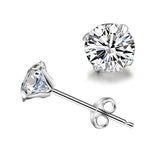
Looking for a hypoallergenic alternative to copper or brass? Our Flat Back Stud Earrings are made from genuine 925 sterling silver — no copper alloys against your skin, no green staining, no guesswork about what's underneath the finish.
Shop the Flat Back Stud Earrings → | Browse the full Hypoallergenic Jewelry collection →
Related reading: Why Does My Ring Turn My Finger Green? · Hypoallergenic Jewelry: The Complete Guide · Does Sterling Silver Rust?
Author: AJLuxe Team. Last updated: July 2026. For more on metal composition and jewelry education, see the Jewelers of America education resources.
All third-party trademarks, brand names and product names are the property of their respective owners. AJLuxe is not affiliated with, endorsed by, sponsored by, or otherwise connected to any third-party brand referenced in this article. Brand names are used solely for accurate comparative reference, and material descriptions reflect each brand's own published product specifications at the time of writing.
You Might Also Like
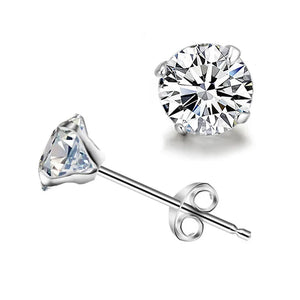
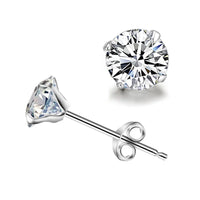
The piece they're describing → CZ Stud Earrings for Women — 925 Sterling Silver, Cubic Zirconia, Hypoallergenic
Personalize Yours


