


How Long Does Gold Plated Jewelry Last?
Most answers to this question say "6 months to 2 years." That's technically true. It's also too vague to be useful. Whether your gold plated necklace still looks great in three years — or looks worn in three months — comes down to three specific factors. Let's go through each one.
The Real Answer: It Depends on These 3 Things
Gold plated jewelry has a thin layer of gold deposited over a base metal. That gold layer measures in microns — one micron is one-thousandth of a millimeter. How thick that layer is, what's underneath it, and how much friction and chemical exposure it gets every day: those three things determine lifespan more than any other factor.
Here's how it breaks down by jewelry type:
| Jewelry Type | Light Wear (occasional) | Daily Wear (with care) | Daily Wear (no care) |
|---|---|---|---|
| Necklaces & pendants | 4–6 years | 2–4 years | 1–2 years |
| Earrings | 4–5 years | 2–3 years | 1 year |
| Rings & bracelets | 2–3 years | 1–2 years | 3–6 months |
| Bangles / cuffs | 2–3 years | 1–2 years | 3–6 months |

Rings and bracelets wear faster because they face the most friction — against hands, surfaces, clothing — and the most chemical exposure from soap, lotion, and sweat. Necklaces and earrings last longest because they stay dry and rub against less.
Factor 1: Micron Thickness — The Number That Matters Most
Gold plating thickness is measured in microns. Most jewelry brands don't tell you this number. But it's the single biggest variable in how long a piece lasts.
| Plating Grade | Thickness | What It Means | Expected Lifespan (necklace, daily wear) |
|---|---|---|---|
| Flash plating | < 0.5 micron | Bare minimum coating — mostly decorative | 1–6 months |
| Standard plating | 1 micron | Common in mid-range jewelry | 1–2 years |
| Quality plating | 2 microns | Recommended for necklaces and earrings | 2–3 years |
| Thick plating / Vermeil | 2.5+ microns | Best durability in plated category | 3–5+ years |
According to Finematter, a leading fine jewelry platform, 1 micron is recommended for earrings, 2 microns for necklaces, and 3 microns for rings and bracelets — with each step up adding roughly 1–2 years of lifespan under regular wear.
The key question to ask a brand: "What is the micron thickness of the gold plating?" If they can't answer that, the plating is likely on the thinner end.
Factor 2: The Base Metal — Why 925 Sterling Silver Outperforms Brass
The base metal sits underneath the gold plating. When the gold layer wears down, the base metal starts interacting with your skin. This is where the difference between brands becomes most visible.
| Base Metal | Durability | Hypoallergenic | Risk of Green Skin | Common In |
|---|---|---|---|---|
| 925 Sterling Silver | High — stable, dense surface | Yes | Very low | Quality fashion jewelry |
| Stainless steel | Very high | Yes | Very low | Durable everyday pieces |
| Brass | Low — reactive, soft | No | High | Budget jewelry |
| Copper | Low — reactive | No | High | Very low price-point jewelry |
Brass and copper are reactive metals. When the gold plating wears thin, they oxidize against your skin — that's what creates the green or black ring on your skin. It's not dangerous, but it's a sign the base metal is showing through.
925 sterling silver (92.5% pure silver) is a more stable base. It's denser, less reactive, and hypoallergenic. Gold plating bonds more cleanly to silver and — importantly — when the plating does begin to wear, sterling silver doesn't cause the same skin reactions that brass does.
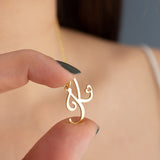
The AJLuxe Heart Initial Necklace uses 18K gold plating over a 925 sterling silver base specifically for this reason. You get the warm color of 18K gold, with a base metal that's safe for daily wear and doesn't cause discoloration.
18K vs. 14K Gold Plating — Does It Actually Matter?
Yes. The karat number in gold plating refers to the purity of the gold in the plating solution, not the overall piece.
| Plating Karat | Gold Purity | Color | Tarnish Resistance |
|---|---|---|---|
| 14K | 58.5% gold | Slightly warm yellow | Good |
| 18K | 75% gold | Richer, deeper yellow | Better |
| 24K | 99.9% gold | Bright, vivid yellow | Best — but very soft |
18K sits in the sweet spot. It has a richer gold tone than 14K — closer to what you'd see in solid fine jewelry — and higher gold content means fewer reactive metals in the plating layer itself. 24K plating is the purest but too soft for daily-wear pieces; it scratches and wears faster in real use.
For a necklace worn every day, 18K plating over 925 sterling silver gives you the best combination of color quality and durability.
How to Tell If the Plating Is Wearing Off
You don't need to be a jeweler to spot the signs. Here's what to look for:
Dulling or color change. Gold plated jewelry should have a warm, slightly reflective shine. If it starts looking dull, flat, or brassy, the top layer is thinning.

Dark spots or patches. You'll usually notice these at high-friction points first — on a necklace, that's where the clasp meets the chain, or where the pendant sits against the skin.
Green or black marks on skin. This means the base metal is now in direct contact with your skin. For brass or copper bases, oxidation leaves a green residue. For some silver alloys, it can be dark grey or black.
Rough texture. Worn plating can feel slightly rough or uneven to the touch, especially on edges and high points of the piece.
If you notice these early, it doesn't mean the piece is ruined. It means it's time for replating — or to buy a new piece.
The 5-Step Care Routine That Doubles Lifespan
The difference between a piece that lasts one year and one that lasts three is almost entirely care. These five habits make the biggest difference:

1. Take it off before water. Showering, swimming, washing hands with soap — all of these speed up plating wear. Water itself is less damaging than soap and chlorine. Make it a habit to remove jewelry before any water exposure.
2. Put it on last. Apply all skincare, perfume, sunscreen, and hairspray before you put your necklace on. Chemicals in these products — especially alcohol in perfume — break down gold plating faster than almost anything else.
3. Wipe it down after wearing. A quick wipe with a soft, dry cloth after taking it off removes skin oils, sweat, and any product residue. It takes five seconds and adds months of life to the piece.
4. Store it separately. Gold plated pieces scratch against other jewelry in a drawer or bag. Store each piece in a separate small pouch or the box it came in. Velvet pouches work well.
5. Keep it dry in storage. Humid environments speed up tarnishing on the base metal. Store in a dry place — not a bathroom drawer. A small silica gel packet in your jewelry box helps if you live somewhere humid.
Is Gold Plated Jewelry Worth Buying?
The honest answer: yes, if you buy the right kind and care for it properly.
A well-made 18K gold plated piece over 925 sterling silver, with 2+ microns of plating, can look and wear beautifully for 2–4 years as a daily necklace. That's meaningful longevity at a fraction of the cost of solid gold.
The pieces that give gold plated jewelry a bad reputation are thin-plated brass-base items from fast fashion brands — those do wear out in months. The difference isn't the category; it's the quality of what's inside and underneath.
If you want the gold look every day without solid gold pricing, the right move is to be specific about what you buy: 18K plating, 925 sterling silver base, 2+ micron thickness.
The AJLuxe Heart Initial Necklace is built to this standard — made for daily wear, not just occasional use.
How Long Does 18K Gold Plated Jewelry Last Specifically?
18K gold plated jewelry has a higher gold purity (75% gold) than standard gold plating, but the key factor is plating thickness, not karat. A well-applied 18K gold plate on a 925 sterling silver base (sometimes called "18K gold vermeil over sterling") can last:
- With careful wear: 3–5 years before significant fade
- Everyday wear: 1–2 years before thinning begins/li>
- The key number: 2.5 microns minimum thickness (below this, 18K fades within months)/li>
Always ask: Is it 18K gold over sterling silver or 18K gold over brass? Sterling silver base = dramatically longer life because the silver doesn't corrode through the gold layer the way brass does.
Chain style matters for longevity too — some links trap moisture and oils more than others. Our guide to types of gold chains includes durability ratings for all 12 chain styles.
Related reading: How long does gold vermeil last.
Related reading: Gold Vermeil Earrings: What They're Made Of, How Long They Last, and What to Buy (2026).
Related reading: 7 Best Gold-Plated Jewelry Brands (2026).
Related reading: What Does 18K Saudi Gold Plated Mean?.
Frequently Asked Questions
How long does gold plated jewelry last with daily wear? With daily wear and proper care, a quality gold plated necklace (18K plating, 925 sterling silver base, 2+ microns thick) lasts 2–4 years before showing significant wear. Rings and bracelets wear faster — expect 1–2 years for high-friction pieces. The biggest factor is how consistently you keep the piece away from water, sweat, and chemicals.
Does 18K gold plating last longer than 14K? Yes. 18K gold plating contains 75% pure gold versus 58.5% for 14K. The higher gold content means fewer reactive alloyed metals in the plating layer, which gives it slightly better tarnish resistance and a richer color that holds longer. For everyday jewelry, 18K over 925 sterling silver is the standard to look for.
Why does gold plated jewelry turn skin green? The green color comes from the base metal oxidizing against your skin — not the gold. It happens when the gold plating wears thin enough to expose the base metal. Brass and copper are the most reactive base metals and cause green discoloration. 925 sterling silver and stainless steel bases are far less reactive and much less likely to cause skin discoloration.
Can you replate gold plated jewelry? Yes. Professional replating costs $50–$150 depending on the piece and the micron thickness you choose. Most people replate rings and bracelets every 1–2 years, and necklaces every 2–3 years. The base piece needs to be in reasonable condition for replating to be worth it — if the base metal is tarnished throughout, replacement makes more sense.
What is the thickest gold plating you can get? Gold vermeil is the thickest standard in the fashion jewelry category — it requires a minimum of 2.5 microns of gold plating over a sterling silver base. Some specialty jewelers offer up to 3–4 micron plating for maximum durability. Anything below 1 micron is considered "flash plating" and is not suitable for daily-wear pieces.
How do I know if my gold plated jewelry is good quality? Three things to look for: (1) the plating karat — 18K or 14K, not just "gold plated"; (2) the base metal — 925 sterling silver or stainless steel is preferable to brass or copper; (3) the micron thickness — 2+ microns for necklaces and earrings. Reputable brands can tell you all three. If a brand can't or won't, the quality is likely lower.
Does gold plated jewelry tarnish? The gold layer itself does not tarnish — pure gold is highly resistant to oxidation. What you see as "tarnish" is actually the base metal oxidizing through the gold layer as it wears thin. This is why base metal quality matters: 925 sterling silver tarnishes slower and less dramatically than brass, so the jewelry stays looking good longer even as the plating wears.
Is it worth buying gold plated jewelry over solid gold? For most everyday jewelry — necklaces, earrings, pendants — yes. A well-made 18K gold plated piece over 925 sterling silver costs a fraction of solid gold, looks nearly identical in daily wear, and lasts 2–4 years with care. Solid gold makes more sense for pieces you wear constantly without ever removing (rings in particular) or pieces you intend to pass down as heirlooms.
Can you wear 18k gold-plated jewelry every day?
Yes — with some limits. Light-wear pieces like necklaces and earrings handle daily wear for 1–2 years. High-friction pieces like rings and bracelets wear through faster, typically 6–12 months, because mechanical abrasion at contact points strips the plating. If you want to stretch the lifespan, rotate them with other jewelry so no single piece takes constant friction.
Can I shower with 18k gold-plated jewelry?
No — water alone isn't the main problem, but soap, shampoo, and conditioner are. These strip the thin protective layer that slows tarnish. An occasional rinse won't ruin a well-plated piece, but daily exposure to shower products accelerates dulling and wear significantly. Make it a habit to take it off before showering to get the most out of the plating.
How fast will 18k gold-plated jewelry tarnish?
Tarnish typically appears within 3–12 months of regular wear, starting at the plating's thinnest points first — clasps, edges, and high-friction areas. Sweat, perfume, and hand lotion speed up the process. A piece kept dry, stored in a sealed bag, and worn only occasionally can stay bright for 2 or more years before showing visible dullness.
Knowing the lifespan is step one. For the exact habits that push your pieces toward the longer end of those ranges, read our detailed guide: how to make gold plated jewelry last longer.
Wondering if your gold plated jewelry will eventually turn skin green? It depends entirely on the base metal. See our guide: does gold plated jewelry turn your skin green.
One quick way to gauge quality before you buy: check for a 925 stamp. If the base metal is sterling silver (925), the plating will last longer than on a brass or zinc base — the surface is smoother, denser, and the gold bonds more evenly.
Final Thoughts
The honest answer to "how long does gold plated jewelry last?" is: it depends on three specific things you can actually control before you buy — plating thickness, base metal quality, and how you wear it.
Get all three right — 18K plating, 925 sterling silver base, 2+ micron thickness — and a daily-wear necklace will serve you well for years. Cut corners on any one of them, and the timeline shortens fast.
The AJLuxe Heart Initial Necklace is made to the right standard. Personalized, built for daily wear, and priced where good fashion jewelry should be.
Shop our gold necklace collection — 18K gold plated over 925 sterling silver, built to last. Browse AJLuxe's 925 sterling silver jewelry.
For the safest cleaning techniques that won't damage your plating, see our complete guide on how to clean silver jewelry.
Explore more: Complete Gold Jewelry Guide
Related Reading
All third-party trademarks, brand names and product names are the property of their respective owners. AJLuxe is not affiliated with, endorsed by, sponsored by, or otherwise connected to any third-party brand referenced in this article. Brand names are used solely for accurate comparative reference, and material descriptions reflect each brand's own published product specifications at the time of writing.
You Might Also Like
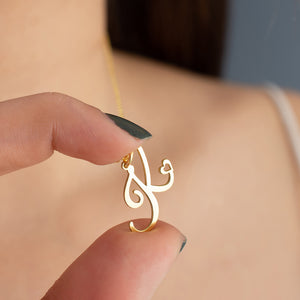
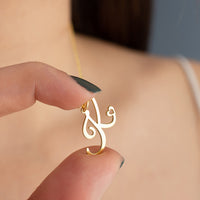
The piece they're describing → Heart Initial Necklace for Women — 18K Gold Plated, Personalized Letter + Heart Pendant
Personalize Yours


