


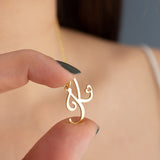
- "18K Saudi gold plated" is NOT solid Saudi gold. It's a thin layer of 18K gold (75% pure) electroplated over a base metal like 925 sterling silver.
- Traditional Saudi gold is 21K or 22K solid gold, hallmarked by Saudi Arabia's SASO authority. Plated jewelry cannot carry that hallmark.
- The "Saudi gold" label on plated pieces is a marketing term — not a quality certification.
- With proper care, 18K gold plated jewelry lasts 2–4 years before the layer wears thin.
- 925 sterling silver as the base metal (used by AJLuxe) is hypoallergenic and far safer for sensitive skin than brass.
If you've searched "18K Saudi gold plated meaning," you've already run into the confusion. The term mixes two things that are very different: the global reputation of Saudi gold (known for being pure, heavy, and officially regulated) and the modern trend of gold-plated fashion jewelry. This guide breaks down exactly what "18K Saudi gold plated" means, how it compares to real Saudi solid gold, whether it's worth buying, and what you should expect from it over time.
What Does "18K Saudi Gold Plated" Mean?
"18K Saudi gold plated" describes jewelry that has been electroplated with a thin layer of 18-karat gold. The "18K" tells you the purity of that gold layer — 18 parts gold out of 24, which is 75% pure gold. The remaining 25% is other metals added to strengthen the layer.
Electroplating works by using an electric current to bond that thin gold layer onto a base metal. The base metal does the structural heavy lifting. The gold layer is purely cosmetic — it gives the piece its color, warmth, and shine.
The word "Saudi" in this context is a marketing label, not a standard or certification. It signals a style — typically heavier, more intricate yellow-gold designs inspired by Gulf jewelry traditions. It does not mean the gold was sourced from Saudi Arabia, certified by any Saudi authority, or held to any specific quality standard beyond the karat of the plating itself.
The short version: 18K Saudi gold plated = fashion jewelry with a real gold coating. It contains real gold, but it's a layer — not solid gold through and through. If you want to know more about gold plated vs gold filled options, that comparison covers all three tiers clearly.
What Is Traditional Saudi Gold?
To understand why this confusion exists, you need to know what "Saudi gold" traditionally means — because it's very different from plated jewelry.
Saudi Arabia is one of the world's most important gold markets. The country has strict national standards for solid gold jewelry, governed by SASO — the Saudi Standards, Metrology and Quality Organization. Under SASO rules, any solid gold jewelry sold in Saudi Arabia must be hallmarked to confirm its purity. Jewelers who sell under-karated gold face serious penalties.
Traditional Saudi gold is typically 21K (87.5% pure gold) or 22K (91.7% pure gold). These are much higher purity levels than what you find in most Western jewelry markets, which commonly sell 14K or 18K. The result is a deeper, richer yellow color and a heavier feel that buyers recognize immediately.
Saudi gold jewelry is also an investment. Buyers in Gulf countries often purchase it at close to the daily gold spot price, treating it as a store of value as much as an adornment. When they want to sell or trade pieces, the gold content is what holds the value.
This is what people picture when they hear "Saudi gold." So when they see "18K Saudi gold plated" on an online listing, many assume they're getting something close to that — heavy, high-purity, official. They're not. Understanding that gap is the key to making a smart buying decision.

Saudi Gold vs. Saudi Gold Plated: The Key Difference
Here's the clearest possible comparison across every attribute that matters to a buyer:
| Feature | 18K Saudi Gold Plated | Traditional Saudi Solid Gold |
|---|---|---|
| Gold content | 75% pure gold (thin layer only) | 87.5% (21K) or 91.7% (22K) pure gold throughout |
| Base metal | 925 sterling silver or brass | None — solid gold all the way through |
| SASO hallmark | ❌ Not eligible | ✅ Required by Saudi law |
| Price range | $25–$80 | $500–$5,000+ |
| Lifespan | 2–4 years with care | Decades — does not wear off |
| Resale value | Very low | High — trades near gold spot price |
| Best for | Everyday fashion, gifts | Investment, heirloom jewelry |
The SASO hallmark difference is especially important. Saudi Arabia's hallmarking law applies only to solid gold pieces. A plated piece — by definition — cannot receive a SASO hallmark because the gold content is too thin to be measured the same way. If you ever see a plated piece claiming a SASO mark, treat that claim with serious skepticism.
The practical takeaway: if you're buying 18K Saudi gold plated jewelry, you're buying fashion jewelry with real gold aesthetics at a fraction of the price. That's a completely legitimate choice — just go in knowing what it is.
Is 18K Saudi Gold Plated Real Gold?
Yes — and no. The gold used in the plating is real 18-karat gold. It's 75% pure gold, alloyed with other metals for durability. The gold layer is genuinely there. When you first put on a piece of 18K gold plated jewelry, you're wearing real gold on your skin.
What it isn't: solid gold. The gold is a surface coating, typically measured in microns. A standard gold plating is 0.5–1 micron thick. High-quality plating (sometimes called "thick plating" or "heavy gold plating") runs 2–3 microns. For comparison, a human hair is about 70 microns thick. The gold layer is real, but extremely thin.
This matters because that thin layer will eventually wear. Friction from daily wear, contact with skin oils, sweat, and cleaning products all gradually erode it. Where does the wear show first? High-contact spots — ring shanks, bracelet clasps, the back of pendant bails. The base metal shows through as the plating thins.
The Gemological Institute of America (GIA) categorizes gold plated jewelry differently from gold filled and solid gold precisely because of this layer depth distinction. Gold filled, for instance, requires at least 1/20th of the total weight to be gold — mechanically bonded, not electroplated. That makes it far more durable than standard plating.
So: real gold, real purity, real beauty — just not real thickness. Keep that in mind and you'll have the right expectations from day one.
What Base Metal Is Used?
The base metal under the gold plating matters more than most buyers realize. It determines how the piece feels on your skin, how long the plating holds, and whether you're likely to have a reaction.
The two most common base metals in 18K gold plated jewelry are 925 sterling silver and brass. They're not equal.
925 sterling silver is 92.5% pure silver alloyed with 7.5% copper. It's a precious metal itself. Sterling silver is hypoallergenic for most people, resistant to corrosion, and an excellent surface for gold plating to bond to. If the plating ever wears completely through, you're left with silver — still a valuable, skin-safe metal.
Brass is a copper-zinc alloy. It's inexpensive, easy to cast into detailed shapes, and widely used in costume jewelry. The problem: brass contains zinc and sometimes nickel, both of which cause skin reactions in a significant portion of the population. The American Academy of Dermatology notes that nickel allergy affects roughly 17% of women and 3% of men. When gold plating on a brass base wears thin, you may start experiencing green discoloration on your skin or contact dermatitis.
AJLuxe uses 925 sterling silver as the base metal for all 18K gold plated pieces. That's not a marketing claim — it's a meaningful material choice. Sterling silver bases cost more to produce than brass, but they're safer for sensitive skin, more durable over time, and a genuinely better long-term choice.
Before buying any gold plated piece, check the product listing for the base metal. If it says "brass" or doesn't specify, ask. Your skin will thank you.
How Long Does 18K Saudi Gold Plated Jewelry Last?
With proper care, 18K gold plated jewelry over a 925 sterling silver base lasts 2–4 years before the plating noticeably thins or wears through. That's a realistic range — not a guarantee, and not a minimum. For more detail on factors affecting this, see how long gold plated lasts.
Several factors determine where your piece lands in that range:
- Plating thickness: Thicker plating (2–3 microns) lasts longer than standard 0.5-micron plating. Higher-quality brands apply heavier coats.
- How often you wear it: Daily wear means faster friction and exposure. Occasional wear extends life significantly.
- Your body chemistry: People with more acidic sweat wear through plating faster. It's not a flaw — it's just chemistry.
- What it contacts: Perfume, lotions, chlorine, saltwater, and cleaning products all accelerate wear.
- Where you store it: Jumbled in a drawer with other jewelry causes micro-scratches that wear plating faster than the piece ever touching your skin.
The good news: most reputable jewelers can re-plate a piece for $25–$60. If you love a piece, re-plating gives it another 2–4 years of life. It's a far better value than replacing it entirely.

Is 18K Saudi Gold Plated Worth Buying?
For most buyers, yes — if you go in with the right expectations. For a detailed breakdown of value vs. alternatives, read our guide on is 18K gold plated worth it.
18K gold plated jewelry is the sweet spot between cheap costume jewelry and solid gold pricing. You get the look and warmth of 18K gold without paying $500–$5,000 for a solid gold piece. For gifts, seasonal pieces, or everyday fashion wear, that trade-off makes complete sense.
Where it doesn't make sense: as an investment or a piece you expect to wear forever without maintenance. Plated jewelry depreciates to near-zero resale value. It requires more care than solid gold. And it will eventually need re-plating or replacement.
The honest framing: think of it as affordable luxury, not as fine jewelry. A $45 18K gold plated necklace over 925 sterling silver gives you 2–4 years of beautiful wear, safe for sensitive skin, and easy to style every day. That's genuinely good value. Just don't expect to hand it to your grandchildren.
If you're shopping for a gift and wondering whether gold plated is the right choice, it almost always is at this price point. The recipient gets the look and feel of gold jewelry without the buyer spending hundreds. That's a meaningful win for everyday gifting.
How to Care for 18K Saudi Gold Plated Jewelry
Proper care is the single biggest factor in extending the life of your plated pieces. These habits make a measurable difference:
Put it on last. Apply perfume, lotion, and hairspray before you put on your jewelry. Chemicals in these products attack the gold layer. Let them absorb or dry first.
Take it off before water. Showers, swimming, and dishwashing all expose the plating to water, chlorine, salt, and soap. Remove your pieces before any water contact. Even tap water, with repeated exposure, contributes to wear.
Clean gently. Use a soft, slightly damp cloth. Wipe gently and dry immediately. Avoid ultrasonic cleaners, jewelry cleaning solutions, and abrasive cloths — all of these strip plating faster than normal wear.
Store individually. Keep each piece in a small zip-lock bag or a soft pouch. Metal-on-metal contact scratches the plating. Airtight storage also slows oxidation of the base metal.
Avoid sweat and heat. Remove pieces before workouts. High heat (like saunas or hot yoga) accelerates the chemical reactions that break down the gold layer. Sweat, especially after intense exercise, is particularly corrosive to plating.
You can also find more on what to watch for in our guide on does gold plated jewelry tarnish — including how to tell the difference between surface tarnish and actual plating wear.
Follow these rules consistently and you'll get the full 2–4 years — and likely more — from a quality piece.
Related reading: 18K vs 21K Gold Earrings for Sensitive Ears: Which Is Safer? (2026).
Frequently Asked Questions
Is 18K Saudi gold plated the same as solid Saudi gold?
No. They're completely different products. 18K Saudi gold plated jewelry has a thin electroplated layer of 18K gold (75% pure) over a base metal like 925 sterling silver. Solid Saudi gold is 21K or 22K gold all the way through, with no base metal. The word "Saudi" in "Saudi gold plated" is a style descriptor, not a certification. Solid Saudi gold costs $500–$5,000+ for a single piece. Plated pieces typically cost $25–$80.
Can 18K Saudi gold plated jewelry have a SASO hallmark?
No. Saudi Arabia's SASO hallmarking system applies only to solid gold jewelry. A plated piece cannot legally carry a SASO hallmark because the gold content is a surface layer, not the material of the piece itself. If you see a plated piece marketed with a SASO hallmark claim, that claim is incorrect or misleading. Verify by checking whether the piece is solid gold or plated before making any assumptions about its certification.
How long does 18K Saudi gold plated last?
With proper care, 18K gold plated jewelry lasts 2–4 years before the plating noticeably wears. The main factors are plating thickness, how often you wear it, exposure to water and chemicals, and how you store it. Daily exposure to sweat, perfume, and moisture will shorten that window. Proper care — removing before water, storing in a pouch, cleaning gently — extends it. Most pieces can be re-plated for $25–$60 to restore their original appearance.
Is the "Saudi gold" label on plated jewelry a guarantee of quality?
No. "Saudi gold" on a plated piece is a marketing term describing a style — typically bold, yellow-gold, intricate designs associated with Gulf jewelry traditions. It does not indicate certification, official sourcing, or any quality standard beyond the karat of the plating layer. To assess quality, look at the base metal (925 sterling silver is better than brass), the plating thickness, and the seller's return policy. A reputable seller will clearly state the base metal and plating details.
What base metal is best for 18K gold plated jewelry?
925 sterling silver is the best base metal for gold plated jewelry. It's hypoallergenic, a precious metal itself, and a stable surface for gold plating to bond to. If the plating wears through, you're left with silver — safe and valuable. Brass is the most common alternative, but it can cause skin reactions in people with copper or zinc sensitivity. Stainless steel is a solid middle option — durable and nickel-free in its surgical grades — but sterling silver is the premium choice for skin safety and longevity.
Will 18K Saudi gold plated jewelry turn my skin green?
It can, but only if the plating wears through to reveal a brass base. Brass contains copper, which reacts with skin oils to produce a greenish tint on skin. This reaction is harmless but unpleasant. If the base metal is 925 sterling silver (as in all AJLuxe pieces), this won't happen — sterling silver does not produce green skin discoloration. The green skin reaction is your clearest signal that the base metal is brass and the plating has thinned to the point of exposure.
Can I shower with 18K Saudi gold plated jewelry?
It's not recommended. Showering exposes the plating to water, soap, and steam repeatedly, which accelerates wear. Hot water opens up micro-pores in the metal surface, allowing moisture to work under the plating layer over time. If you occasionally forget to remove a piece, the damage won't be immediate — but consistent showering will significantly shorten the lifespan of the plating. Remove all gold plated pieces before showering, swimming, or washing dishes to get the most life out of them.
How do I clean 18K Saudi gold plated jewelry?
Use a soft, lint-free cloth lightly dampened with plain water. Wipe gently, then dry immediately and completely. Avoid ultrasonic cleaners, chemical jewelry dips, toothpaste, and abrasive cloths — all of these remove plating. For stubborn dirt near settings or chains, use a very soft toothbrush with plain water, rinse quickly, and dry right away. Don't soak plated pieces in water or leave them wet. A gentle, quick clean followed by thorough drying is all they need.
What's the difference between 18K gold plated and 18K gold vermeil?
Gold vermeil (pronounced "ver-MAY") is a specific type of gold plating with legal requirements. In the US, vermeil must use a sterling silver base and a gold layer at least 2.5 microns thick — much thicker than standard plating (typically 0.5–1 micron). Both use real gold. Vermeil simply specifies a minimum thickness and requires sterling silver as the base. An 18K gold plated piece over 925 sterling silver with 2.5+ micron plating would technically qualify as gold vermeil. Standard plating has no minimum thickness requirement.
Is 18K Saudi gold plated worth the price?
Yes, for fashion and gift use. At $25–$80, a high-quality 18K gold plated piece over 925 sterling silver gives you 2–4 years of real-gold aesthetics, hypoallergenic wear, and the ability to keep up with changing styles without heavy investment. It's not an investment piece and it won't appreciate in value. But as affordable luxury — beautiful jewelry you can wear daily without anxiety about damaging something expensive — it delivers excellent value. The key is buying from a seller who clearly discloses the base metal and plating quality.
Why do some sellers call it "Saudi gold" if it's plated?
"Saudi gold" has strong brand associations with high purity and quality. Traditional Saudi gold is genuinely excellent — 21K or 22K, heavily regulated, and prized across the Middle East and South Asia. Sellers use the "Saudi gold" label on plated pieces to borrow that reputation and signal a particular design aesthetic: bold yellow-gold pieces with intricate patterns. The term sells the style and implied quality level, not a genuine connection to Saudi gold standards. It's effective marketing, but it creates real confusion for buyers who know what traditional Saudi gold actually is.
How can I tell if my gold jewelry is solid or plated?
The most reliable method is to look for hallmarks. Solid gold will be stamped "750" (18K), "585" (14K), "916" (22K), or "875" (21K) — these are purity marks. Plated pieces may be stamped "18K GP" (gold plated), "18K GF" (gold filled), or just "925" (sterling silver base). You can also check high-wear areas like clasps and inner edges — if you see a different color metal showing through, it's plated. A jeweler can also test a piece with an acid test or XRF scanner for a definitive answer.
Final Thoughts
The confusion around "18K Saudi gold plated" comes from a genuine gap in how the term gets used. "Saudi gold" means something specific and valuable in traditional jewelry markets — regulated, high-purity, hallmarked solid gold. When that phrase appears next to "plated," it signals something completely different: beautiful, gold-toned fashion jewelry at a fraction of the price.
Neither is better across the board. Solid Saudi gold is an investment piece and a family heirloom. 18K Saudi gold plated is affordable daily luxury that looks like fine gold, wears well for 2–4 years, and fits a real budget.
What makes the difference between a good plated piece and a disappointing one is the base metal and the plating quality. A 925 sterling silver base with proper-thickness 18K plating is a genuinely good product. A thin-plated brass piece labeled "Saudi gold" with no other detail is not.
Now you know the difference. Shop with that knowledge and you'll make a better choice every time.
Shop 18K Gold Plated Jewelry
All AJLuxe pieces use 925 sterling silver base with 18K gold plating — hypoallergenic and built to last.
- Gold Necklaces — layered, pendant & personalized styles
- All Necklaces — full collection
- Gold Earrings — hoops, huggies & studs
- Personalized Jewelry — initial & birthstone pieces
Written by the AJLuxe team, specialists in personalized sterling silver jewelry. Last updated: June 2026.
Sources: SASO — Saudi Standards, Metrology and Quality Organization | GIA — Gemological Institute of America
All third-party trademarks, brand names and product names are the property of their respective owners. AJLuxe is not affiliated with, endorsed by, sponsored by, or otherwise connected to any third-party brand referenced in this article. Brand names are used solely for accurate comparative reference, and material descriptions reflect each brand's own published product specifications at the time of writing.
You Might Also Like
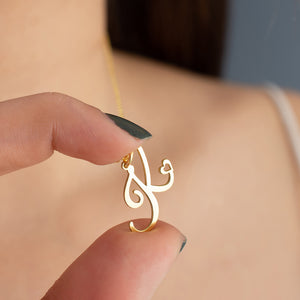
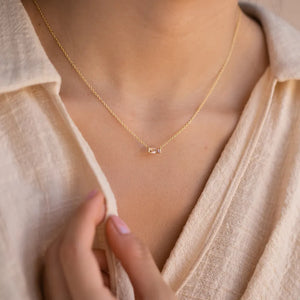
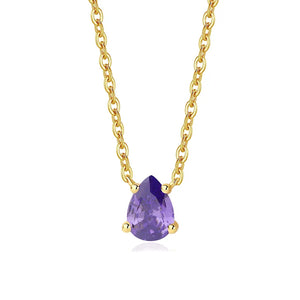
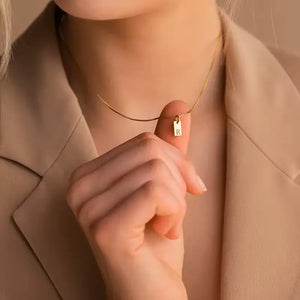
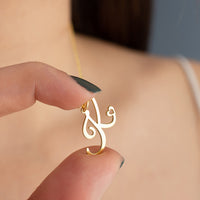
The piece they're describing → Heart Initial Necklace for Women — 18K Gold Plated, Personalized Letter + Heart Pendant
Personalize Yours


