


- Copper is not attracted to a hand magnet. Bronze and standard brass are not either.
- If a "brass" or "copper" piece sticks firmly, suspect a steel or iron core, a steel clasp or spring, or a brass alloy with iron or nickel in it.
- Copper and brass can slow a strong magnet as it slides past. That drag is a different effect from sticking, and it is easy to mistake for magnetism.
- A magnet cannot prove a piece is solid brass, solid copper, gold or silver. It can only rule a steel base in or out.
- AJLuxe does not sell brass or copper jewelry. Our line is 925 sterling silver and 18K gold plated pieces.
People usually ask this question for one of two reasons: they have a piece that looks like brass or copper and want to know what it is made of, or they are wondering whether a magnet can sort real metal from fake. The short version is below, and the longer version covers what a magnet really tells you. If you want the full chart for every metal, see our magnet test for jewelry by metal guide, and for the base metal question specifically, copper vs brass jewelry compares the two side by side.
Is copper magnetic?
No, copper is not magnetic in any way you would notice with a hand magnet. Physicists classify it as diamagnetic, which means it is repelled by a magnetic field so weakly that you cannot feel it, and a refrigerator magnet will simply slide off a pure copper bangle.
The confusing part is a classroom demonstration: drop a strong magnet down a copper tube and it falls slowly. Nothing is sticking. Moving a magnet near a conductor creates small electrical currents inside the metal (eddy currents), and those currents push back against the motion. The same effect works on any conductive metal, which is why the "slide test" below cannot tell copper from silver or gold by itself. It is sometimes described online as "copper interacting with magnets", and that is where the mix up starts.
Is brass magnetic?
Standard brass is not magnetic, because it is an alloy of copper and zinc and neither metal is attracted to a magnet. In practice, though, some brass items do show a faint pull or even a firm stick, and there are four common reasons.
- Iron or nickel in the alloy. Some brasses carry small amounts of iron, and certain nickel containing alloys sold as "nickel silver" or "German silver" (which contain no silver at all) are copper, nickel and zinc. Trade references describe these as only weakly magnetic at most, and results vary with the exact mix, so treat any faint pull as a clue, not a verdict.
- A steel core under a brass finish. Brass plating over steel is the most common explanation for a "magnetic brass" piece. The plating is a thin skin, and the magnet feels the steel beneath it. Our guide to brass vs gold plated jewelry explains what sits under different finishes.
- Steel hardware. Spring rings, lobster clasp springs, hinge pins, earring backs and jump rings are often steel even on an otherwise brass piece. The magnet is finding the clasp, not the chain.
- Surface contamination. Brass that has been cut, filed or polished with steel tools can pick up tiny iron particles in its surface, which can make a piece feel slightly magnetic even though the bulk metal is not.
What about bronze and other copper alloys?
Bronze (copper with tin) is non magnetic in its usual forms, with the same caveat as brass: if it contains meaningful iron, as some specialty bronzes do, it can respond weakly. Copper and its alloys share one trait that matters for jewelry. They are the metals most associated with a green or dark patina and with green marks on skin, which is a chemical reaction and has nothing to do with magnetism. We cover that in does brass turn your skin green and gold and silver plated jewelry turning skin green.
Magnet response by metal: quick reference
| Material | Hand magnet sticks? | What a surprise result usually means |
|---|---|---|
| Pure copper | No | Sticking points to a steel part or a plated steel base |
| Brass (copper and zinc) | No, usually | Iron or nickel in the alloy, a steel core, or steel hardware |
| Bronze (copper and tin) | No, usually | Iron containing alloy or hidden steel |
| Nickel silver (no actual silver) | Faint or none | Varies by recipe, so inconclusive on its own |
| Gold, sterling silver | No (clasp parts may) | Steel clasp or spring, or not the metal claimed |
| Steel or iron base with a gold, brass or copper look | Yes (most grades) | Plated or colored steel, not solid brass or copper |
Some stainless steels are only weakly magnetic or not magnetic at all, which is why the test can miss a steel base; our stainless steel magnet guide explains that, and is gold magnetic covers the gold side.
How to run the test properly
Use a strong magnet, not a fridge magnet: a small neodymium magnet gives a much clearer answer. Test the body of the piece, then the clasp, ring or hardware separately, and note which part reacts.
- Touch test. Hold the magnet to the main body. A firm stick suggests iron or steel in the body or base. No stick is consistent with brass, copper or bronze, but also with gold, silver and plenty of fakes.
- Test the hardware. Press the magnet to the clasp and any spring. A pull here with a clean body means steel hardware, which is common and not a red flag.
- Slide test. Tilt the piece or lay a flat item on a gentle slope and slide a strong magnet down it. Slow, dragging motion is eddy current drag from a conductive metal. It does not mean the piece is magnetic, and gold and silver do it too, so do not read it as proof of copper.
What a magnet cannot tell you
A magnet cannot confirm that a piece is solid brass, solid copper, gold or silver. Brass plated over zinc alloy, copper colored coatings on aluminum, and gold colored finishes on brass are all non magnetic. For real metal content you need other evidence: weight and color, hallmarks (see our jewelry hallmarks guide), what is visible where plating has worn, and a test by a jeweler for anything valuable. Our pages on how to tell if jewelry is real gold and how to tell if silver is real cover those other checks, and will a magnet stick to sterling silver covers the silver case.
How to tell what is under the plating
The most reliable clues are visible ones: look at worn edges, the inside of a ring, and the back of a pendant. A pale grey or silver color under worn gold plating points toward nickel, steel or a silver colored base. A reddish or yellow color underneath suggests copper or brass. Green or blue marks on your skin or on the metal point to copper in the alloy. Magnet results should only add to this picture. Also remember that jewelry sold with vague words such as "alloy", "metal" or "base metal" often means zinc or copper based metal. Our write up on zinc alloy and the nickel free jewelry guide help when a listing is unclear.
Decision guide: what your magnet result suggests
| What you see | Most likely explanation | Next step |
|---|---|---|
| Body sticks firmly | Steel or iron base under a coating | Treat as plated steel, check the inside for color |
| Only the clasp sticks | Steel spring or clasp | Normal, test the body on its own |
| Faint pull on brass | Iron or nickel content, or tool contamination | Inconclusive, rely on other checks |
| Nothing sticks anywhere | Brass, copper, bronze, gold, silver or a non magnetic fake | Check hallmarks, color under wear, weight, ask a jeweler |
| Slow slide, no sticking | Conductive metal (eddy current drag) | Not a purity test, move on to other checks |
An honest note on what we do
AJLuxe does not sell brass, copper or bronze jewelry, and we do not sell solid gold, platinum or titanium. Our pieces are 925 sterling silver, or 18K gold plated over 925 sterling silver or over 316L stainless steel, often with cubic zirconia stones (never diamond). A magnet test on a plated 316L piece or on sterling silver is generally not strongly magnetic, though a clasp or spring may react, and we cannot promise a result for any specific piece. The plating wears gradually with use, as all plating does, and we do not call any piece "real gold" or nickel free. Our reasoning for avoiding brass and copper bases is covered in what makes jewelry hypoallergenic and the honest answer on stainless steel. If you want to compare our two bases, read gold plated vs stainless steel.
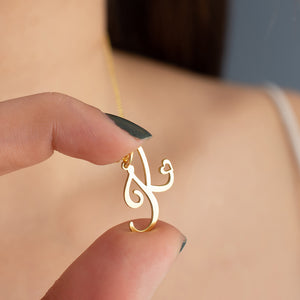
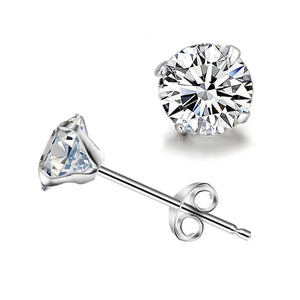
If you like the warm look without a copper or brass base, these in-stock pieces are worth a look: the gold huggie earrings (18K gold plating over 925 sterling silver, $34.99), the heart initial necklace (18K gold plating over a 316L stainless steel base, $34.99) and the CZ stud earrings (925 sterling silver, rhodium plated, $22.99). You can also browse gold plated jewelry and hypoallergenic earrings. US orders ship free and returns are free for 30 days. This is general information; if a metal irritates your skin, ask a doctor.
More in this guide
Related reading: copper vs brass jewelry, brass vs gold plated, does brass turn skin green, nickel free jewelry guide and is zinc alloy hypoallergenic what to know before you buy.
Frequently Asked Questions
Is copper magnetic?
No. Copper does not stick to a hand magnet. It is weakly repelled by magnetic fields in a way you cannot feel, but it does slow a strong magnet moving past it because of eddy currents.
Is brass magnetic?
Standard brass is not. If a brass colored item sticks, suspect a steel core, steel hardware, or iron or nickel in the alloy.
Is bronze magnetic?
Usually not. Bronze is copper with tin, which does not respond to a hand magnet, though alloys with extra iron may show a weak response.
How can I tell if something is solid brass or just brass plated?
A magnet is a start: sticking suggests a plated steel base. But a non magnetic plated zinc or other base looks the same, so also check worn spots for a different color underneath, weight, and any hallmarks, or ask a jeweler.
Why does my magnet slide slowly down my copper or brass piece?
That is eddy current drag in a conductive metal, not magnetism. It happens with gold and silver too, so it cannot identify the metal.
Does a magnet prove jewelry is real gold or silver?
No. Gold and silver are not magnetic, but neither are brass, copper or many fakes. A magnet can flag a steel base or steel parts, nothing more. See our metal by metal magnet chart.
Does brass or copper jewelry turn skin green?
It can, because copper reacts with sweat and moisture on skin. It is harmless for most people, but it varies. See why brass turns skin green.
Written by AJLuxe Team. Last updated: October 2026
All third-party trademarks, brand names and product names are the property of their respective owners. AJLuxe is not affiliated with, endorsed by, sponsored by, or otherwise connected to any third-party brand referenced in this article. Brand names are used solely for accurate comparative reference, and material descriptions reflect each brand's own published product specifications at the time of writing.
You Might Also Like
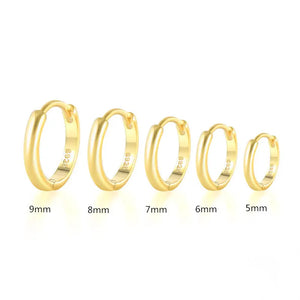
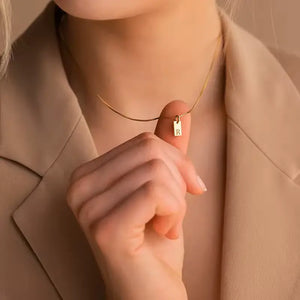
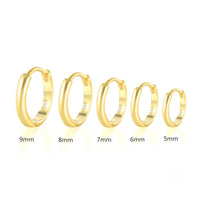
The piece they're describing → Gold Huggie Earrings for Women — 925 Sterling Silver, 18K Gold Plated, Minimalist
Personalize Yours


