


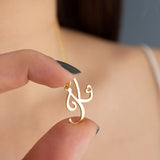
- Gold filled: a bonded gold layer that is at least 1/20th of the item's weight, usually over brass. It is real gold, but it is not solid gold.
- Gold plated: a thin gold coating, typically a few microns or less. Wear shows first on rings, bracelets and clasps.
- Filled is the better long-term value for rings and daily pieces. Plated is the better price for earrings, trends and gifts.
- Check the stamp: "GF" or "1/20 14K GF" means gold filled. "GP", "GEP" or "HGE" means plated. A karat number alone means solid gold.
- We sell 18K gold plated jewelry, not gold filled. We say so plainly below and show you what to expect from plating.
Gold Filled vs Gold Plated at a Glance
Gold filled is bonded, thick and regulated by weight, while gold plated is a thin surface coating, which is why the two look alike new and age very differently. Here is the side by side comparison, with solid gold and vermeil added for context.
| Property | Gold plated | Gold vermeil | Gold filled | Solid gold |
|---|---|---|---|---|
| How it is made | Gold deposited on a base metal, usually electroplating (a few brands use vacuum deposition) | Gold plated over sterling silver | Gold sheet bonded to a core with heat and pressure | Gold alloy all the way through |
| Gold amount | A very small share of the weight | Small, but a thicker layer than basic plating | At least 1/20th (5%) of total weight | Karat sets the purity (10K is 41.7%, 14K is 58.3%, 18K is 75%) |
| Typical base | Brass, copper, steel or sterling silver | Sterling silver only | Usually brass | None |
| How long it lasts | Months to a couple of years, faster on rings | Longer than basic plating, still finite | Years of daily wear with care | A lifetime |
| Price | Lowest | Low to mid | Mid | Highest |
| Resale value | Almost none | Very little | Little, mostly the thin gold layer | Strong (priced by gold content) |
Lifespans are general ranges, not guarantees: thickness, skin chemistry, sweat, lotion and how you store a piece all change the result.
What Is Gold Filled Jewelry?
Gold filled jewelry is a core metal, usually brass, with a layer of real gold alloy bonded to the outside under heat and pressure, and the gold must be at least 1/20th of the total weight. Because the gold is mechanically bonded rather than deposited from a bath, the layer is far thicker than plating and does not rub off in everyday use the way a thin coating can.
A federal trade regulator's jewelry guidelines require the karat quality to appear next to the term, so honest stamps read like "1/20 14K GF" or "14K Gold Filled". If the layer is thinner than 1/20th, the guidelines allow terms such as "rolled gold plate" or "gold overlay" only with the fraction stated (for example 1/40). That is why "gold overlay vs gold filled" is a real question: overlay can describe the same bonded construction, but with less gold.
Thickness figures vary a lot between sources, because the rule is by weight, not by microns. Makers quote filled layers from several microns to tens of microns depending on the stock used, so treat any single number with caution. What is consistent is the direction: filled is many times thicker than standard plating. For the long form on whether it is worth the money, see is gold filled jewelry worth it.
What Is Gold Plated Jewelry?
Gold plated jewelry is a base metal piece with a thin gold coating, most often applied by electroplating, where an electric current deposits gold from a solution onto the surface. The coating is commonly described as a fraction of a micron up to a few microns, a fraction of the width of a human hair, so the gold makes up only a sliver of the piece's weight.
Trade rules give "gold electroplate" a very low minimum (about 0.175 micron, as secondary sources report it) and reserve "heavy gold electroplate" for a layer roughly 2.5 microns or thicker. Both are plating, not filled. In practice, where the plating wears first is predictable: inner ring bands, clasps, chain links that rub, and the backs of pendants. For a detailed breakdown by jewelry type, read how long gold plated jewelry lasts and how to make it last longer.
What Does "18K Gold Plated" Mean?
"18K gold plated" means the coating is an 18 karat gold alloy (75% pure gold) laid over a different base metal, so the karat describes the coating's purity, not the whole piece. It does not mean the item is 18K gold, and it says nothing about how thick the layer is. Our explainer on what 18KGP means goes through the stamp in detail.
"Flash plated" is the thinnest tier: a brief, very light dip of gold meant mainly to give the right color at the point of sale. Flash plating usually fades quickest. If a listing never states a karat, a base metal or a plating method, assume the thin end.
Is Gold Filled Better Than Gold Plated?
Yes for durability: gold filled is better than gold plated if you want one piece you can wear daily for years, especially a ring or bracelet. Plated is better if your priority is price, trying a trend, or wearing earrings and necklaces that rub less. This is the decision guide most readers need.
| You are buying | Better pick | Why |
|---|---|---|
| A ring worn every day | Gold filled (or solid gold) | Rings rub against surfaces and other fingers, so thin plating wears at the band first |
| A necklace for daily wear | Filled if you want years, plated if you rotate pieces | Less friction than a ring, but the clasp and chain links still wear |
| Earrings | Either | Low friction, short contact time, so plating tends to look good for a long while |
| A trend piece or a gift | Plated | Lower cost, and the style may change before the finish does |
| An heirloom or engagement band | Solid gold | Neither filled nor plated is made for this |
| Sensitive skin | See the skin section below | The base metal matters more than the label |
Our honest advice, as a plated seller: if a ring is meant to be your only, always on, never off ring, buy solid gold or gold filled. If you like to change jewelry with your outfit, plating is a perfectly reasonable, much cheaper choice. Our guide to gold plated vs solid gold covers the top end of the range.
Worked Example: Cost Per Year
The cheaper piece is not automatically the cheaper piece to own, and the cost per year is the fairest way to compare. These numbers are assumptions chosen to show the math, not measured results.
- Plated necklace: $30, worn daily, assume it looks good for 1 year. That is $30 per year.
- Gold filled necklace: $90, worn daily, assume it looks good for 6 years. That is $15 per year.
- Plated necklace worn twice a week and stored dry: assume 3 years of good looks. That is $10 per year, cheaper than the filled piece.
The lesson: wear pattern matters as much as the label. Pieces worn constantly favor filled; pieces worn occasionally can make plating the better value. Plug in your own price and your own wear and see which line wins.
Where Vermeil and Solid Gold Fit
Gold vermeil is gold plating on a sterling silver base with a minimum gold thickness, so it sits between basic plating and gold filled. Solid gold is the only one of the four with gold all the way through. For the three-way comparison see gold filled vs gold plated vs vermeil, for the other pair see vermeil vs gold filled, and for the top tier see solid gold vs gold filled. New to the term? What is gold vermeil starts from zero.
If you do shop for solid gold, the karat decides purity and toughness: 10K is 41.7% gold, 14K is 58.3% and 18K is 75%. Our comparisons of 10K vs 14K gold and what 14K means on jewelry help you pick.
How to Tell Gold Filled From Gold Plated
The stamp is the most reliable clue: "GF", "1/20 14K GF" or "Gold Filled" means gold filled, while "GP", "GEP" or "HGE" points to plating and a plain karat number such as "14K" means solid gold. Stamps sit on the clasp, the inside of a ring band or a small tag.
- Read the listing. A real gold filled piece states the karat and the 1/20 ratio. "Gold finish", "gold tone" and "gold color" are not gold filled; they describe a color, usually from plating or a coating.
- Look at wear. On a used piece, plating shows a different color first at edges, inner bands and clasps. Gold filled keeps an even color.
- Do not trust a magnet. Gold, brass and copper are all non-magnetic, so a magnet cannot separate filled from plated. It only flags iron or steel.
- Be careful with "laminated gold". The term is used in some markets for bonded gold, but it is not defined the same way as gold filled, so ask for the karat and the thickness or ratio before assuming it matches.
- Ask for the base metal. A reputable seller names it. Silence is a warning sign.
"Is gold finish the same as gold plated?" Usually it is something similar or thinner, so check for a stated method. And "is gold filled the same as gold plated?" No: they are different constructions with different gold content.
Tarnish, Skin and Water
Does Gold Filled Jewelry Tarnish?
Gold filled rarely tarnishes in normal wear because the outer layer is real gold, which does not corrode, but the brass core can darken if it is exposed at a cut edge or through heavy wear. Details are in does gold filled jewelry tarnish and the cleaning steps in how to clean gold filled jewelry.
Is Gold Filled Hypoallergenic?
Often fine, but not guaranteed: the thick gold layer keeps most of the base metal away from your skin, yet brass contains copper and sometimes trace nickel, and gold alloys can too. If you react to metals, this is general information only, so ask a doctor or allergist, and look for a seller that names every metal. For plated pieces, the base metal under the coating matters most once it shows, as covered in is gold plated hypoallergenic.
Why Does Gold Plated Jewelry Turn Skin Green?
Green skin usually comes from copper in the base metal reacting with sweat, lotion or moisture once the coating has thinned. It is a cosmetic mark that washes off, and it is a sign that base metal is reaching your skin. See does gold plated jewelry turn skin green for prevention.
Can You Shower With Gold Filled or Gold Plated Jewelry?
You can occasionally shower in gold filled without sudden damage, but regular exposure is not advised because soap and minerals build up in joints and can dull the surface. For plated pieces, take them off first. Our guide on showering with gold plated jewelry explains the reasons.
An Honest Note on Our Range
We do not sell gold filled or solid gold jewelry. Everything we make is 18K gold plated, with the base metal named on each product page (some are over 925 sterling silver, some over 316L stainless steel). That makes our pieces affordable, giftable and good looking, but plating wears gradually and you should care for it accordingly. US orders ship free and returns are free for 30 days.
If plating is the right fit for how you wear jewelry, these are the ones we would point you to, with the base metal checked against each page:
- Heart Initial Necklace ($34.99): 18K gold plated over a 316L stainless steel base, with your chosen letter, our most popular piece.
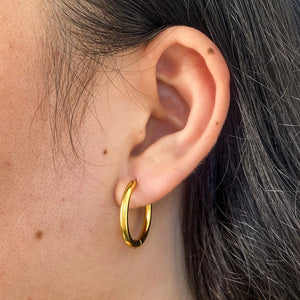
- Minimalist gold huggie earrings ($34.99): 18K gold plating over 925 sterling silver. Earrings are the lowest friction place to wear plating.
- Initial Tag Necklace ($24.99): 18K gold over a 925 sterling silver base.
Browse everything in our gold plated jewelry collection. To get the most from a plated piece, follow how to clean gold plated jewelry and keep it away from water, perfume and lotion.
Common Mistakes When Choosing
- Assuming "gold" in a product name means gold filled. Check the stamp and the listing.
- Buying a plated ring for round the clock wear and expecting years of color.
- Wearing plated pieces in the shower, pool or gym and then blaming the seller.
- Judging by price alone. Use cost per year, not cost per piece.
- Skipping the base metal. It decides how the piece behaves when the coating thins.
- Expecting filled or plated to hold resale value. For that you need solid gold.
Frequently Asked Questions
Is gold filled or gold plated better?
Gold filled is better for durability because it holds far more gold and the layer is bonded, so it wears through much more slowly than plating. Gold plated is better when you want the lowest price or a trend piece, especially earrings that rub little.
What is the difference between gold filled and gold plated?
Gold filled has a bonded gold layer that is at least 1/20th of the item's weight, while gold plated has a thin coating that is a tiny share of the weight. That is why filled lasts longer and costs more.
Is gold filled real gold?
Yes, the outer layer is real gold alloy, but the core under it is usually brass, so the piece is not solid gold. The karat in the stamp, such as 14K, describes the layer.
What does 14K gold filled mean?
It means the bonded layer is 14 karat gold (58.3% pure) and makes up at least 1/20th of the item's weight. It is often stamped "1/20 14K GF". It does not mean the whole piece is 14K gold.
How long does gold filled jewelry last compared with gold plated?
Gold filled typically lasts years of regular wear, while gold plated typically lasts months to a couple of years, with rings failing first. Neither is guaranteed, and care, sweat and chemicals change the result.
Does gold filled jewelry tarnish or turn skin green?
It rarely does under normal wear because the outer layer is real gold, though exposed brass at edges can darken. Green marks mostly come from copper reacting on thin or worn plating.
Is gold filled hypoallergenic?
Often it is tolerated, but it is not guaranteed, since the core is usually brass, which contains copper and sometimes traces of nickel. If you have known metal allergies, ask a doctor and choose a seller that lists the metals.
Can you shower with gold filled jewelry?
Occasional contact will not ruin it, but regular showering is best avoided because soap residue and minerals build up and dull the surface. Take plated jewelry off before any water contact.
All third-party trademarks, brand names and product names are the property of their respective owners. AJLuxe is not affiliated with, endorsed by, sponsored by, or otherwise connected to any third-party brand referenced in this article. Brand names are used solely for accurate comparative reference, and material descriptions reflect each brand's own published product specifications at the time of writing.
You Might Also Like
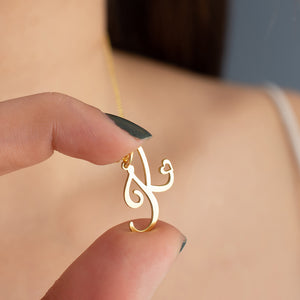
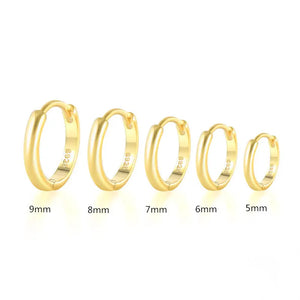
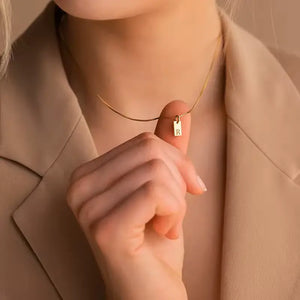
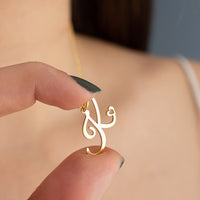
The piece they're describing → Heart Initial Necklace for Women — 18K Gold Plated, Personalized Letter + Heart Pendant
Personalize Yours


