



What does 14K mean on jewelry?
14K means 14 karat gold: 14 parts pure gold out of 24, which is 58.3% gold. The other 41.7% is alloy metals added for hardness and color, and the same purity is stamped 585 in Europe. A bare "14K" stamp indicates solid gold, but letters after it such as GP, GF or HGE mean the piece is plated or filled, which is a very different thing.
That is the definition. What most people need next is what to do with it: how much gold is actually in a 14K piece, how to read the rest of the stamp, and whether the piece in front of you is the real thing. This page works through examples, a stamp decoder and a short buying checklist.
How Much Gold Is in 10K, 14K, 18K and 24K?
Each karat stamp states how much of the metal is pure gold, counted in 24ths: karat divided by 24 gives the percentage. The three-digit number is the same figure in parts per thousand, so 14K gold purity of 58.3% is the 585 hallmark.
| Stamp | Also written | Pure gold | Pure gold in a 10 gram piece |
|---|---|---|---|
| 10K | 10KT, 417 | 41.7% | 4.17 g |
| 14K | 14KT, 14CT, 585 | 58.3% (585 = 58.5%) | 5.83 g |
| 18K | 18KT, 750 | 75% | 7.5 g |
| 24K | 999 | 99.9% | 9.99 g |
The 58.3% versus 585 gap is only rounding: 14 divided by 24 is 58.33%, and 585 is the nearest standard fineness mark. For every other purity mark, such as 9K, 12K and 22K, use the gold purity numbers guide, and for the European and 10K marks in depth see 585 and 417. We will not repeat those tables here.
Karat vs carat: karat (K or KT) measures gold purity; carat (ct) measures gemstone weight. Some British pieces use "14ct" for gold, which means the same as 14K.

What Is the Gold Content of a Real 14K Piece? A Worked Example
The pure gold in a solid 14K piece is its weight multiplied by 0.583. A 6 gram 14K ring holds about 3.5 grams of pure gold (6 x 0.583 = 3.498), a 12 gram 14K chain holds about 7.0 grams, and a 2 gram pair of 14K studs holds about 1.2 grams.
The same 6 gram ring in 18K would hold 4.5 grams of pure gold, and in 10K about 2.5 grams. That is why two rings of equal size can have very different metal values.
To estimate melt value, multiply the pure gold weight by the current price of gold per gram. As an illustration only, using a round $100 per gram that is not a current quote, the 6 gram 14K ring has about $350 of gold in it. A jewelry store will charge more than that, since retail adds labor, design and margin, and a buyer of scrap will pay less. Total weight on the stamp or scale, not the size of the piece, is what drives this number.
How Do You Read the Rest of a 14K Stamp?
A full jewelry stamp can hold four things: the purity (14K or 585), any letters that change the meaning (GP, GF, HGE), a maker's mark and sometimes a country. The purity tells you the karat, and the letters after it tell you whether the piece is solid. Here are the combinations people search for most:
| Stamp | Most likely meaning | Solid gold? |
|---|---|---|
| 14K, 14KT, 14 K, 585 | 14 karat gold, 58.3% pure | Yes, if the stamp is genuine |
| 14KY | 14K with a "Y" that is commonly read as yellow gold, though makers use their own conventions | Yes, if genuine |
| 14KP | An older mark where "P" is often read as "plumb", meaning exactly 14K with no tolerance | Yes, if genuine |
| 14K plus three letters such as LCD or GCJ | Usually a maker's or manufacturer's mark rather than a purity code; we cannot tell you which maker, so ask the seller or a jeweler | Yes, if genuine, but the letters do not prove it |
| 14K GF or 14/20 | Gold filled: 14K gold bonded to a base metal, typically at least one twentieth of the weight | No |
| 14K GP, GEP or HGE | Plated: a coating of gold over another metal | No |
| 14K next to 925 | A conflict: 925 is sterling silver. It can mean a gold-plated silver piece or a mixed-metal design, so look at the rest of the marks | Check before assuming |
Plating stamps get their own full treatment, including how thick each tier is meant to be and what each implies about value, in what HGE means and what 18KGP means. Every other mark is covered in the complete hallmarks guide.
Stamps sit inside ring bands, near chain clasps (often on a tag) and on earring posts. A stamp on a post describes the post, not necessarily the decorative front. A karat stamp states purity only: it says nothing about thickness, craftsmanship, stones or whether the stamp is genuine, so ask for the weight and the full stamp.
How Can You Tell if 14K Jewelry Is Solid Gold?
No single home check proves it, but a bare 14K or 585 stamp plus a few consistent signs is a strong indicator, and a jeweler can confirm it in minutes. Work through these in order:
- Read the whole stamp. Letters such as GP, GEP, HGE, GF or the word "plated" after the number settle the question. Stamps can be faked, so treat a clean stamp as a starting point.
- Check wear spots. On edges, clasps and the inside of rings, a different color showing through (silvery, reddish or greyish) suggests a coating wearing off. Solid gold is the same color all the way through.
- Try a magnet. Gold is not magnetic, so a strong pull means it is not solid gold. A piece that does not stick proves little, because many non-gold metals are also non-magnetic.
- Notice skin marks. A green or dark mark on skin hints at a base metal, but it is not proof either way.
- Get it tested. A jeweler can use an acid or electronic tester, or an X-ray analyzer, and tell you the karat without damaging the piece. Do not scratch or file your own jewelry to test it.
More methods and their limits are in our guide on how to tell if jewelry is solid gold.
What Does 14K Mean for Durability, Color, Skin and Price?
- Durability: Pure gold is soft, so the alloy metals are what make 14K practical for everyday wear. As a rule, 14K resists scratches and bending better than 18K and 24K, while 10K is usually harder still. Exact hardness depends on the alloy; the reasons are in why gold is soft and what karat really means.
- Color: The color comes from the alloy, not the karat. Yellow 14K is gold mixed with metals such as silver and copper, rose has more copper, and white 14K uses whitening metals and often a bright white surface finish that can wear over time.
- Skin: Yellow and rose 14K are usually well tolerated. Some white gold alloys contain nickel, which can bother people with a nickel allergy. If you are sensitive, ask the seller for the exact alloy, and speak to a doctor about reactions; this is general information only.
- Price: Solid 14K is priced largely on its gold weight (see the worked example above). Workmanship, stones and brand add to the retail price, and resale usually returns close to the metal value, not the retail price.
Which Karat Should You Choose? A Decision Table
| If you want | Lean toward | Why |
|---|---|---|
| A ring or bracelet worn every day | 10K or 14K | Harder alloys stand up better to knocks and scratches |
| The richest yellow color and more gold per gram | 18K | Higher gold percentage, generally softer and costlier |
| The usual balance of price, color and toughness | 14K | Common standard for solid gold jewelry |
| A gold look at a lower price | Plated or filled | Not solid gold, so the price and the wear are different |
Head to head comparisons: 14K vs 18K gold and 10K vs 14K gold.
What Are the Most Common Mistakes With 14K Stamps?
- Reading 14K as 14,000. The K stands for karat: 14 parts of 24.
- Assuming a stamp is a guarantee. It is a claim by the maker, and fake stamps exist.
- Ignoring the letters after the number. "14K" and "14K GP" are different objects.
- Pricing by size rather than weight. A hollow or thin piece holds much less gold than a solid one that looks identical.
What Should You Check Before Buying 14K Jewelry?
- Ask for the full stamp and the weight in grams.
- Check that the seller says solid gold, not just "14K look" or "gold tone".
- Estimate metal value with weight x 0.583 and the day's gold price, then see what labor and stones account for.
- Ask about the alloy if you have a metal sensitivity, particularly with white gold.
How Does 14K Compare With AJLuxe Jewelry?
AJLuxe jewelry is not solid 14K gold: our pieces are 18K gold plating over a stated base metal, either 925 sterling silver or 316L stainless steel depending on the style, and they carry a 925 stamp or none rather than a 14K stamp. We do not sell solid gold. Plated pieces wear gradually, which is the trade for the lower price. See whether 14K gold plated jewelry is worth it. US orders ship free.
- Heart Initial Necklace: $34.99, 316L stainless steel base with 18K gold plating.
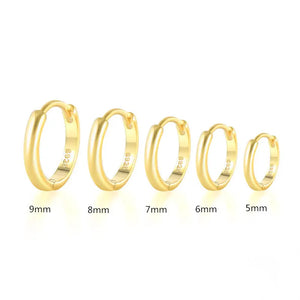
- Gold Huggie Earrings: $34.99, 925 sterling silver base with 18K gold plating.
Frequently Asked Questions
What does 14K mean on jewelry?
14K means 14 karat gold: 14 parts pure gold out of 24, which is 58.3% gold. The other 41.7% is alloy metals that add hardness and set the color. It is stamped 585 in Europe.
What does 14KT mean, and what is 14 karat gold?
14KT and 14K mean the same thing: 14 karat gold, 58.3% pure, which is the 585 hallmark. The T is short for karat in the same way, and 14 K, 14 kt and 14ct are all read identically.
Does 14K mean 14,000?
No, 14K does not mean 14,000. The K stands for karat, a measure of gold purity in 24ths, so 14K is 14 parts gold out of 24. (Searches for "14 carrot gold" mean the same karat measure.)
What do 14KY, 14KS, LCD or GCJ after 14K mean?
The letters after 14K are either a color or construction code or a maker's mark. A "Y" is commonly read as yellow gold, while GP, GEP, HGE and GF mean plated or filled. Unfamiliar letters such as LCD, GCJ or an S are usually a manufacturer's mark or a worn T, and no standard purity code uses them, so ask a jeweler if it matters.
What does a 14K stamp on an earring post mean?
A 14K stamp on a post means the post is made of 14K gold. The decorative front of the earring may be a different metal, so check it separately before assuming the whole earring is solid gold.
Is 14K gold real or fake?
A bare 14K or 585 stamp indicates solid gold, but fake stamps exist. Extra letters such as GP, GF or HGE mean plated or filled. A jeweler's test is the only way to be sure.
Is 14K jewelry worth anything?
Solid 14K has value from its gold content, which is the piece's weight times 0.583 at the current gold price. Plated or filled pieces marked GP, GEP, HGE or GF carry little to modest gold value. Retail price is usually higher than what a buyer pays for the metal alone.
Is 14K gold hypoallergenic?
Often, but not always. Yellow and rose 14K are usually well tolerated, while some white gold alloys contain nickel, which can cause reactions in people who are allergic to it. Ask for the alloy if you are sensitive. This is general information; ask a doctor about reactions.
Written by the AJLuxe Team. Last updated: October 2026.
Explore more: Complete Gold Jewelry Guide
All third-party trademarks, brand names and product names are the property of their respective owners. AJLuxe is not affiliated with, endorsed by, sponsored by, or otherwise connected to any third-party brand referenced in this article. Brand names are used solely for accurate comparative reference, and material descriptions reflect each brand's own published product specifications at the time of writing.
You Might Also Like
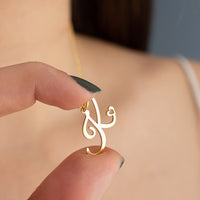
The piece they're describing → Heart Initial Necklace for Women — 18K Gold Plated, Personalized Letter + Heart Pendant
Personalize Yours


