


- Good for: daily wear, gym and shower use, rough handling, men's chains, anyone on a budget who wants a piece that does not need polishing.
- Not ideal for: severe nickel allergy (the grades sold as jewelry contain nickel), rings you may need to resize, anyone who wants a precious metal that holds resale value.
- Grade matters: 316L is the usual choice for skin contact. 304 is common in cheaper pieces and is less resistant to salt and chlorine.
- Plated steel (gold tone, rhodium) is only as durable as its plating, which wears gradually, most at clasps and high contact spots.
- The four AJLuxe stainless pieces covered below run from $34.99 to $59.99, all on a 316L base.
What Is Stainless Steel Jewelry?
Stainless steel jewelry is jewelry made from an iron-based alloy that contains at least about 10.5 percent chromium, and the chromium is what makes it "stainless." The chromium reacts with air to form a thin, self-repairing oxide film on the surface that slows rust. Nickel and other elements are added to the mix to shape the metal's strength and corrosion behavior. (If you searched the Spanish term "acero inoxidable," this is the same material.)
It is a real, durable engineering metal, not a coating and not a "fake" version of something else. It is simply not a precious metal, which is the honest answer to the common question "is stainless steel jewelry real?" It is real stainless steel, and it is not gold or silver.
316L vs 304: Which Stainless Steel Grade Is Better for Jewelry?
316L is generally the better grade for jewelry because it contains molybdenum, which helps it resist the chlorides found in sweat, pool water and salt air. One supplier lab comparison measured about 2 percent molybdenum in 316L and none detected in 304, and other supplier guides give a typical range of roughly 2 to 3 percent. The "L" means low carbon. These figures come from jewelry suppliers rather than an independent standard, so treat them as typical values, not guarantees for any single piece.
| Feature | 304 stainless steel | 316L stainless steel |
|---|---|---|
| Molybdenum | Little to none | About 2 to 3 percent (supplier data) |
| Resistance to sweat, pool water, salt air | Good indoors, weaker in harsh conditions | Stronger |
| Contains nickel | Yes, roughly 8 to 10.5 percent (supplier ranges) | Yes, roughly 10 to 14 percent (supplier ranges) |
| Typical use in jewelry | Budget pieces, decorative items | Skin-contact and daily-wear pieces |
| Cost | Lower | Modestly higher |
A common claim needs correcting: some guides say 316L is the safer grade because it has less nickel. By composition, it does not. Both grades contain nickel bound into the alloy. What differs is how a given piece behaves on skin, and the stable oxide surface keeps nickel release low for most wearers. Neither grade is nickel free, and neither is any other stainless steel grade sold as jewelry. For the full breakdown, see our nickel free jewelry guide.
What Are the Pros of Stainless Steel Jewelry?
The main strengths of stainless steel are durability, low maintenance and low price.
- Hard and scratch resistant. It handles keys, bags and countertops better than sterling silver or plated brass, though no metal is scratch proof.
- Rust and tarnish resistant. It does not develop the dark sulfur tarnish that silver does. It is highly rust resistant, not rust proof: long soaking in chlorinated or salt water and then leaving it wet can leave marks, especially on lower grades.
- Handles water and sweat. Rinsing, showering and sweating are fine for a solid steel piece. Plated finishes are a separate question, covered below.
- Low maintenance. A soft cloth and mild soap is usually enough. See our guide to cleaning stainless steel jewelry.
- Affordable. You get a sturdy piece without paying for gold or silver content.
- Does not turn skin green. Green marks come from copper reacting with sweat. Stainless steel is not a copper alloy, though cheap plating over a copper-rich base can cause green marks.
What Are the Cons of Stainless Steel Jewelry?
The disadvantages of stainless steel jewelry are that it contains nickel, rings are hard to resize, it holds little resale value, and some pieces look plain.
- It contains nickel. People with a diagnosed nickel allergy should be cautious with any stainless steel. This is general information, so ask a doctor or allergist if you have had reactions.
- Rings are difficult to resize. The metal is very hard, and most jewelers cannot size it up or down the way they would gold or silver. Measure before you buy.
- Little resale or scrap value. It is a practical metal, not an investment. See the worth section below.
- Plain look. Steel is mostly a silver gray tone, and fine detail and delicate settings are easier to achieve in softer metals.
- Quality varies. Grade, polish, and clasp construction differ a lot from seller to seller, and many listings do not name the grade.
- Plating can wear. A gold tone or rhodium finish over steel will gradually wear at high friction spots, even though the steel underneath stays intact.
Does Stainless Steel Tarnish, Rust or Turn Skin Green?
Solid stainless steel does not tarnish the way sterling silver does, and it resists rust well, but it is not immune to every kind of dulling. Surface scratches, residue from lotions and chlorine, and plating wear can all change how a piece looks. Pure steel pieces can usually be re-polished by wiping and light buffing. For a deeper look, read does stainless steel jewelry tarnish.
Is Stainless Steel Jewelry Safe for Sensitive Skin?
For most people, 316L stainless steel is considered hypoallergenic, meaning it is unlikely to cause a reaction, but it is not nickel free, so it is not guaranteed safe for a severe nickel allergy. The nickel is bound inside the alloy rather than coating the surface, and the oxide layer keeps release low. People with a confirmed nickel allergy sometimes still react. That is general information, not medical advice: ask a doctor if you are unsure.
If you react to stainless steel, metals that contain no nickel in their standard recipe, such as titanium, are the usual next step. Compare them in titanium vs stainless steel earrings and is titanium jewelry good. For a wider look at skin-friendly metals, see our hypoallergenic jewelry guide.
What About Gold Plated or Rhodium Plated Stainless Steel?
Plated stainless steel is a stainless steel base with a thin layer of gold tone or rhodium on top, and it looks like the finish while keeping the steel's strength underneath. The plating wears gradually with use, mostly at clasps, the back of a necklace and ring undersides. Once it thins, you see the steel color, not a rusty or green base. Plating does not make the piece solid gold.
Plating also does not remove the nickel in the base, and the layer can wear. If you want to compare the two ideas head to head, see gold plated vs stainless steel.
Stainless Steel vs Sterling Silver vs Gold Plated Jewelry
Stainless steel wins on durability and low upkeep, sterling silver wins on precious metal content and fine detail, and gold plated pieces win on warm color at a low price. Here is how they compare in general terms:
| Feature | 316L stainless steel | 925 sterling silver | Gold plated (over a base metal) |
|---|---|---|---|
| Precious metal | No | Yes (92.5 percent silver) | Thin gold layer only |
| Tarnish | Resistant | Tarnishes, needs polishing | Depends on base and plating |
| Scratch resistance | High | Softer | Plating scratches and thins |
| Nickel | Contains nickel in the alloy | Not part of standard 925, but alloy mix can vary | Depends on the base metal |
| Ring resizing | Usually not possible | Usually possible | Depends; plating can be damaged |
| Resale value | Very low | Low but real metal value | Very low |
| Our price range | $28.99 to $59.99 | $22.99 to $59.99 | Varies by base metal |
Read the full head to head in sterling silver vs stainless steel, and see surgical steel vs sterling silver if the term "surgical steel" is what drew you in. Note that "surgical steel" is a marketing label, not a single formal grade, so ask which grade the seller means.
Is Stainless Steel Jewelry Expensive, and Is It Worth Anything?
Stainless steel jewelry is not expensive: it is one of the most affordable durable metals, and it has little resale or scrap value. You pay for design, finish and construction, not for precious metal. A good steel piece is worth buying to wear, not to hold as an asset. That is also why "cheap" does not have to mean poor quality: a well-made 316L piece can outlast a plated brass piece many times its price. Price tells you little, so check the grade, the finish and the clasp.
How Can You Tell If Stainless Steel Jewelry Is Good Quality?
Good quality stainless steel jewelry names its grade, has smooth edges and solder joints, a secure clasp, and a clear description of any plating. Use this checklist:
- The grade is stated. Look for 316L. No grade usually means the cheapest option.
- The finish is described. Is it plain polished steel or plated? What is the plating?
- Clasp and links are smooth. Rough links snag and wear faster.
- The seller admits nickel. A seller who says stainless steel is "nickel free" is wrong, and you should doubt the rest of the listing.
- Weight and size are listed. Real specs signal a real product.
- Ring size is exact. You will not be able to resize it later.
Is Stainless Steel Good for Necklaces, Earrings and Rings?
Stainless steel works very well for necklaces and chains, works well for rings if you know your exact size, and works for earrings as long as you are not sensitive to nickel. Necklaces and chains are where it shines because they are worn daily, rubbed by clothing and exposed to sweat. Rings take the most abuse, and steel handles it, but the sizing is permanent. Earrings are the highest risk category for nickel reactions because the post sits inside a piercing, so for new or sensitive piercings, consider a nickel-free metal and talk to a piercer or doctor.
Which AJLuxe Pieces Are Made With Stainless Steel?
Four pieces we sell are built on a 316L stainless steel base. These are the facts from each product page, and none of them is nickel free.
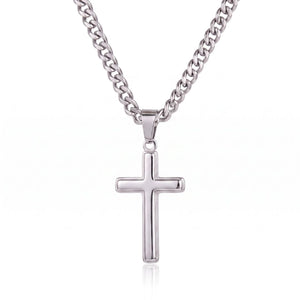
- Men's Cross Necklace on Cuban Link Chain, $59.99. 316L stainless steel in a polished silver finish or a gold tone finish over the same steel. The chain adjusts from 18 to 22 inches. The page notes the gold finish can soften at high friction points like the clasp over time. In stock. For more on style, see stainless steel necklace for men, men's cuban link chain and cross necklace for men.
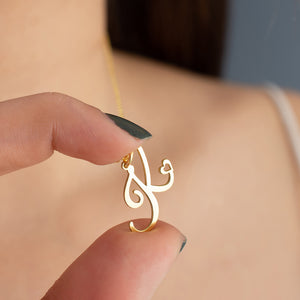
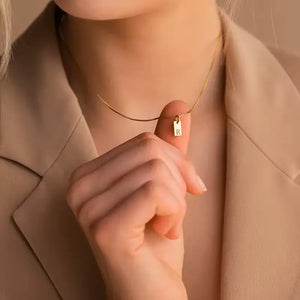
- Heart Initial Necklace, $34.99. A 316L stainless steel base with 18K gold plating (plating over steel, not solid gold). Letters A to Z, adjustable 16 to 18 inches. In stock.
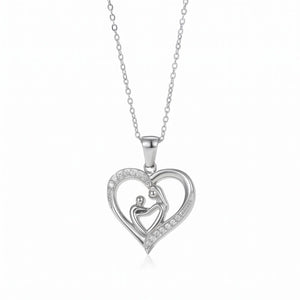
- Mom Heart Necklace, $36.99. 316L stainless steel with a mother and child pendant and CZ stones. Low stock at the time of writing.
- Round Halo Pendant Necklace, $44.99. A 316L stainless steel chain and pendant base, rhodium plated, with a 1 carat CZ center stone. Very limited stock.
Our product pages describe 316L as hypoallergenic for most wearers and say plainly that it is not nickel free. If you want sterling instead, see is sterling silver hypoallergenic.
Who Should Choose Stainless Steel Jewelry?
Choose stainless steel if you want durable daily jewelry that does not need polishing, you are active or around water, you are buying for someone rough on jewelry, or you want a low price per wear. Skip it if you have a confirmed nickel allergy, you need a ring that can be resized, you want a precious metal, or you want a piece to keep its value. For many people the best answer is a mix: steel for chains and everyday pieces, a precious metal for something sentimental.
How Do You Care for Stainless Steel Jewelry?
Rinse with warm water, dry with a soft cloth, and store it dry. Avoid abrasive polishes and harsh cleaners, and rinse off chlorine and salt water after swimming. For plated or stone set pieces, skip ultrasonic cleaners and abrasive cloths, which can dull plating and pave settings. Our Mom Heart Necklace page gives exactly this advice.
Considering stainless steel? See our guide to a stainless steel necklace for men.
Frequently Asked Questions
Is stainless steel good for jewelry?
Yes, stainless steel is good for everyday jewelry because it is durable, resists rust and tarnish, and is affordable. Its limits are that it contains nickel, most rings cannot be resized, and it has little resale value.
Is stainless steel jewelry expensive?
No, stainless steel jewelry is generally inexpensive compared with gold and silver. Our stainless pieces range from $28.99 to $59.99, and the price reflects design and finish more than metal content.
What is stainless steel jewelry?
Stainless steel jewelry is jewelry made from an iron alloy with chromium (at least about 10.5 percent) that forms a protective surface film. Jewelry usually uses 316L or 304 grades.
Are stainless steel rings good?
Stainless steel rings are good for durability and daily wear, but they usually cannot be resized, so you need your exact size before buying.
What are the pros and cons of stainless steel jewelry?
The pros are hardness, rust and tarnish resistance, low upkeep and low cost. The cons are that it contains nickel, rings are hard to resize, it has little resale value, and plating on plated pieces wears over time.
Is 316L stainless steel good for jewelry?
Yes, 316L is the better grade for jewelry because its molybdenum content helps it resist sweat, pool water and salt air. It is considered hypoallergenic for most wearers, but it still contains nickel and is not nickel free.
Is 304 stainless steel good for jewelry?
304 is acceptable for dry, decorative pieces, but it is generally less resistant than 316L to chloride from sweat, pools and sea air. If a piece will touch your skin every day, 316L is the safer pick.
Is stainless steel jewelry real, and is it worth anything?
It is real stainless steel, but it is not a precious metal, so it has very little resale or scrap value. Its worth is in wear: a durable piece you can use daily without upkeep.
Is stainless steel jewelry safe, and does it cause allergic reactions?
Most people wear stainless steel without trouble, and 316L is considered hypoallergenic for most wearers, but it contains nickel, so some people with nickel allergy react. This is general information, so ask a doctor if you have had skin reactions.
All third-party trademarks, brand names and product names are the property of their respective owners. AJLuxe is not affiliated with, endorsed by, sponsored by, or otherwise connected to any third-party brand referenced in this article. Brand names are used solely for accurate comparative reference, and material descriptions reflect each brand's own published product specifications at the time of writing.
You Might Also Like

The piece they're describing → Men's Cross Necklace on Cuban Link Chain
Personalize Yours


