



The Short Answer: Metals That Do Not Tarnish and Metals That Do
Metals that do not tarnish in normal wear: platinum, gold at high karat (24K and 18K), titanium, and stainless steel such as 316L. Tungsten carbide and ceramic also resist tarnish, although they are not common for necklaces and earrings.
Metals that do tarnish: sterling silver (silver reacts with sulfur in the air), brass and copper (copper reacts with oxygen and moisture), and lower karat gold, which can dull slightly because of the copper and silver mixed in.
Pieces that look tarnish free for a while: gold plated, rhodium plated, vermeil, and gold filled jewelry. Their surface metal does not tarnish, but the layer wears away gradually, and what sits underneath decides what happens next. Tarnish proof jewelry does not exist, and any listing that promises it forever is overselling.
Which Jewelry Metals Tarnish? A Metal by Metal Table
| Metal | Tarnish behavior | Caveats | Care |
|---|---|---|---|
| Platinum | Does not tarnish | Picks up tiny scratches that blend into a soft satin look called patina. High price. | Mild soap, soft cloth. Polish only if you want the mirror shine back. |
| 24K and 18K gold (gold throughout) | Does not tarnish in normal wear. Pure gold does not react with air or moisture, and 18K is 75% gold. | 24K is very soft. High price. White gold is usually coated with rhodium, which wears and can leave a yellowish tint. | Mild soap and water, soft cloth. |
| 14K and 10K gold | Very resistant, but more copper and silver in the mix means slight dulling or darkening is possible over years. | Tougher for daily wear than 18K. Sweat, lotion, and chemicals can speed the dulling. | Mild soap and water, soft cloth. |
| Titanium | Does not tarnish. A thin, stable oxide film forms on the surface and protects the metal. | Fewer intricate designs. Colored (anodized) pieces can lose color if scratched. | Mild soap, soft cloth. See does titanium tarnish. |
| Stainless steel (316L) | Resists tarnish and rust. A chromium rich surface film protects the steel. | Not corrosion proof against everything: harsh chemicals can mark it. Scratches dull the shine (that is wear, not tarnish). It contains nickel, so it is not nickel free. Gold tone finishes over steel are plating and can wear. | Rinse, dry, soft cloth. See does stainless steel jewelry tarnish. |
| Tungsten carbide and ceramic | Resist tarnish. | Very hard but brittle: both can chip or crack on a hard hit, and a ring cannot be resized. Some tungsten carbide uses a binder metal, so ask what it is. Mostly found in rings and bands. | Mild soap, soft cloth. See tungsten vs titanium. |
| Rhodium plating | Rhodium itself does not tarnish. It is a very thin coat, often over sterling silver or white gold. | Wears gradually. Once the base shows, a sterling base can tarnish. Can be replated by a jeweler. | Soft cloth, no abrasives. See does rhodium plated tarnish. |
| Gold plated (a thin layer of gold on a base metal such as sterling silver, steel, or brass) | The gold layer does not tarnish while it is intact. | The layer wears gradually, fastest on rings, clasps, and anything that rubs. What shows through depends on the base: sterling can tarnish, brass can darken and turn skin green. | Keep dry, wipe after wear. See does gold plated jewelry tarnish. |
| Gold vermeil (gold over sterling silver) | Gold surface does not tarnish while intact. Vermeil is commonly defined as a sterling base with a thicker gold layer than basic plating (often cited as at least 2.5 microns). | Still a coating. It lasts longer than thin plating but wears down eventually. | Keep dry, wipe after wear. See does gold vermeil tarnish. |
| Gold filled | Gold surface does not tarnish. In the US, the term generally means the gold layer is at least 1/20 of the piece by weight. | Thicker than plating, so it usually lasts longer. The base is often brass, and it is still a layer. | Mild soap, soft cloth. See does gold filled jewelry tarnish. |
| Sterling silver (925) | Tarnishes. Silver reacts with sulfur compounds in the air and forms a grey to black film. | Cosmetic only. The film sits on the surface and cleans off. Wearing it often slows the buildup. | Polishing cloth, airtight storage. See does sterling silver tarnish. |
| Brass | Tarnishes. The copper in it darkens and can form a green layer. | Can leave green marks on skin. A clear lacquer slows this but wears off. See does brass turn skin green. | Frequent polishing. |
| Copper | Tarnishes fastest of the group, with a darkening then green patina. | Often leaves a green mark on skin. | Frequent polishing, or accept the patina. |

Tarnish, Plating Wear, or Green Skin: What Is Actually Happening?
These three problems look alike from a distance but have different causes and different fixes, so naming the right one saves you from the wrong cleaning routine.
What is tarnish?
Tarnish is a thin chemical film that forms on the surface of a metal when it reacts with its surroundings. On silver it is silver sulfide from sulfur compounds in the air, which looks grey, yellow, or black. On copper and brass it is an oxide that looks dark or green. It sits on top of the metal, it does not eat into it, and it usually cleans off. Metals that are chemically stable, such as gold, platinum, and titanium, do not form it in normal wear.
What is plating wear?
Plating wear is the thin gold or rhodium layer rubbing away and exposing the metal underneath. It is not a chemical reaction of the gold. It shows up first at the spots with the most friction: ring undersides, clasps, the edges of pendants, and the front of hoops. A cloth will not bring it back, and only replating restores it. If the base metal is sterling silver, it can then tarnish. If it is brass or copper, it can darken and mark your skin.
Why does jewelry turn skin green?
Jewelry turns skin green when copper in the metal reacts with sweat, lotion, or moisture and leaves a green compound on the skin. It is a surface stain and washes off. It happens most with brass, copper, and low quality plated pieces once the coating thins. It is not the same as an allergy, and it is not a sign the piece is dangerous. More in why does jewelry turn skin green. If your skin itches, blisters, or gets a rash instead, that is a separate issue, and it is worth asking a doctor (this is general information, not medical advice).
Which Silver Does Not Tarnish?
No true silver jewelry is completely tarnish free, but a few options tarnish much more slowly. Standard 925 sterling silver is 92.5% silver, and it tarnishes at a pace that depends on air, humidity, skin chemistry, and storage. These are the realistic choices if you want silver colored jewelry with less upkeep:
- Rhodium plated sterling silver: the rhodium layer does not tarnish, so the piece stays bright while the coating lasts.
- Tarnish resistant silver alloys: some sterling style alloys replace part of the copper with another metal, which slows tarnish. They are not tarnish proof either.
- Stainless steel or titanium: not silver at all, but they look similar and do not tarnish.
- Platinum: a silver white metal that does not tarnish, with a much higher price.
Silver that is worn often tends to stay brighter than silver left in a drawer, because friction and skin oils keep rubbing off early tarnish. For the full detail, read does 925 silver tarnish and does sterling silver tarnish.
Which Metal Is Best for Rings, Necklaces, and Earrings?
Choose by how much friction and water contact the piece gets, because that is what wears coatings and speeds up tarnish.
| Jewelry type | Lowest tarnish worry | Why |
|---|---|---|
| Rings | Platinum, 18K or 14K gold, titanium, stainless steel, tungsten carbide, ceramic | Hands touch water, soap, and surfaces all day, so coatings on rings wear fastest. |
| Necklaces and engraved pendants | Gold, platinum, stainless steel, titanium. Plated pieces do well if you take them off for water. | Less rubbing than rings, but sweat, lotion, and perfume sit right on the chain and pendant. |
| Earrings | Titanium, gold, platinum, stainless steel, plated or sterling pieces with care | Little friction, but hair products, sweat, and sleep contact. Check the post metal, since it touches the piercing. See best materials for earrings. |
| Everyday and water exposure | Stainless steel, titanium, gold, platinum | Water does not coat these metals, but check each product page, since finishes differ. See waterproof jewelry guide and best waterproof jewelry. |
If you wear a piece in showers and workouts every day, stainless steel is the budget option that holds up best. We explain what to expect in is stainless steel jewelry good, and men's pieces are covered in stainless steel necklaces for men. For a ranking of how well each material survives daily wear, see durable jewelry materials ranked.

What Makes Jewelry Tarnish or Wear Faster?
Water, perfume, lotion, and chlorine are the four biggest everyday causes of faster tarnish and faster plating wear. Here is how each one does it:
- Water and sweat: moisture left on a piece speeds tarnish on silver and brass and loosens the finish on plated jewelry. Dry pieces before storing them.
- Perfume and hairspray: these contain alcohol and fragrance chemicals that dull finishes. Put them on first, let them dry, then add jewelry.
- Lotion and sunscreen: they leave a film that traps moisture against the metal and can dull plating.
- Chlorine and salt water: pool and sea water are harsh on plating, silver, and the glue or settings on stones. Rinse and dry afterward if you did wear a piece in them.
- Sulfur sources: rubber bands, some foods, and some wool or felt can darken silver. Do not store silver against them.
- Rough cleaners: abrasive polishes, baking soda scrubs, and ultrasonic cleaners can strip plating. Use them on silver only, never on plated pieces.
Quick Care Steps That Keep Jewelry Bright
- Put jewelry on last, after perfume, lotion, sunscreen, and hairspray have dried.
- Take it off before showers, pools, workouts, and cleaning.
- Wipe it after wear with a soft, dry cloth to remove sweat and skin oils.
- Store it dry and separate, in a pouch or lined box, away from rubber. A small zip bag slows tarnish on silver.
- Clean gently: warm water, a drop of mild soap, a soft cloth, then dry completely. Skip abrasives on anything plated.
- Know the signal: if the shine returns after cleaning, it was tarnish or dirt. If the color underneath shows through, the plating is wearing.
More detail is in how to prevent jewelry tarnish, 9 things that work, how to clean tarnished jewelry, and how to clean gold plated jewelry.
What Our Own Pieces Are Made Of
Our pieces are plated or stainless steel, not gold throughout, so the honest expectation is gradual wear with good care, not a promise of forever. Here is what each product page says, so you can set expectations before you buy. For choosing among plating types, see gold filled vs gold plated vs vermeil.
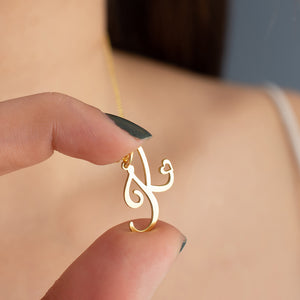
- Heart Initial Necklace ($34.99): a 316L stainless steel base with 18K gold plating, a 16 inch chain with a 2 inch extender, and a letter from A to Z. The page notes it contains no copper, so it will not leave green marks. It is still plated, so the gold layer wears gradually.
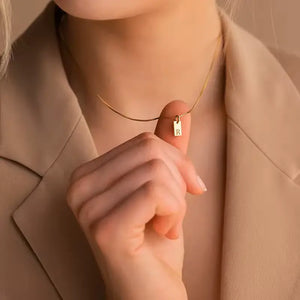
- Initial Tag Necklace ($24.99): 18K gold plating over 925 sterling silver, with a polished finish. The product page says plating holds up well for 1 to 3 years of daily wear if you remove it before the gym, pool, or shower and avoid chemical cleaners.
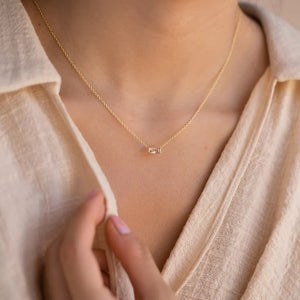
- Birthstone Charm Necklace ($27.99): a baguette cut cubic zirconia pendant in 18K gold plating. The page says the base metal is not independently confirmed for this style, so we do not claim one, and it gives the same 1 to 3 year plating guidance with care.
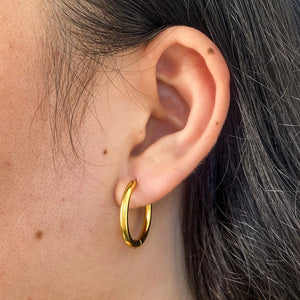
- Small Gold Huggie Hoop Earrings ($23.99): 18K gold plating over 925 sterling silver on a 2.5mm band in three sizes. The page says to remove them before water and keep perfume away, and that the finish typically holds for 1 to 3 years of regular wear.
- Men's Cross Necklace ($59.99): 316L stainless steel in a silver finish or a gold tone finish. The page says the silver finish has no surface layer to wear through, while the gold tone finish is a layer over the same steel and can soften at high friction points like the clasp after long, heavy wear. It also notes that 316L is not nickel free.
Browse the gold necklaces, personalized jewelry, or gifts for him collections. US orders ship free.
Keep Reading
- Durable Jewelry: The Most Durable Materials, Compared
- Does Stainless Steel Jewelry Tarnish? The Real Chemistry
- Waterproof vs Water Resistant Jewelry
Thinking of wearing a piece overnight? See can you sleep with a necklace on for how sweat and friction affect different metals.
Frequently Asked Questions
What jewelry doesn't tarnish?
Platinum, 24K and 18K gold, titanium, and 316L stainless steel do not tarnish in normal wear. Tungsten carbide and ceramic also resist it. Silver, brass, and copper do tarnish, and plated jewelry resists tarnish only while its coating lasts.
What kind of jewelry doesn't turn green?
Jewelry without copper at the skin surface does not turn skin green, which means platinum, gold, titanium, and stainless steel. Brass, copper, and cheap plated pieces are the usual culprits because copper reacts with sweat. Sterling silver contains some copper and can occasionally leave a mark, but it is far less likely than brass.
What silver doesn't tarnish?
No silver is completely tarnish free, but rhodium plated silver and tarnish resistant silver alloys tarnish more slowly than plain sterling. Standard 925 sterling silver always tarnishes eventually, though it cleans easily and wearing it regularly slows the buildup.
Does all jewelry tarnish?
No. Metals that are chemically stable, such as platinum, gold, and titanium, do not tarnish in normal wear. Jewelry containing silver or copper does, and plated jewelry can show the metal underneath once the coating wears down.
What ring metals don't tarnish?
Platinum, 18K gold, 14K gold, titanium, stainless steel, tungsten carbide, and ceramic are the ring materials that do not tarnish in normal wear. Plated rings wear fastest because hands rub and touch water all day, so solid metals are the safer choice for rings you never take off.
What necklace material won't tarnish?
Gold, platinum, titanium, and stainless steel are the necklace materials that do not tarnish in normal wear. If you prefer a plated necklace, remove it for showers and workouts, wipe it after wearing, and expect the gold layer to wear gradually over time.
Does gold plated jewelry tarnish?
The gold layer itself does not tarnish, but the layer is thin and wears gradually. When it wears through, the base metal shows, and sterling silver can tarnish or brass can darken. Details are in does gold plated jewelry tarnish.
Does stainless steel jewelry tarnish?
Stainless steel such as 316L resists tarnish and rust in normal wear, so it is one of the lowest maintenance affordable options. Scratches can dull it, and it is not nickel free, so people with a severe nickel allergy should ask a doctor before wearing it. See does stainless steel jewelry tarnish.
Is there such a thing as tarnish free jewelry?
Jewelry made entirely from a stable metal, such as platinum, 18K or 24K gold, or titanium, is as close to tarnish free as it gets. Any claim of tarnish proof forever, especially on plated or silver pieces, should be treated with caution.
Written by the AJLuxe team. Last updated: October 2026.
All third-party trademarks, brand names and product names are the property of their respective owners. AJLuxe is not affiliated with, endorsed by, sponsored by, or otherwise connected to any third-party brand referenced in this article. Brand names are used solely for accurate comparative reference, and material descriptions reflect each brand's own published product specifications at the time of writing.
You Might Also Like
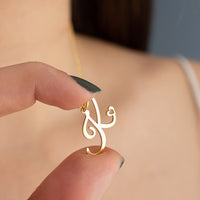
The piece they're describing → Heart Initial Necklace for Women — 18K Gold Plated, Personalized Letter + Heart Pendant
Personalize Yours


