


If you're comparing gold plated vs stainless steel jewelry, you're really asking two different questions at once: do you want the warm, yellow-gold color, or do you want the toughest, lowest-maintenance metal available? Gold plating is a thin layer of real gold electroplated onto a base metal — it can be applied over brass, copper, sterling silver, or stainless steel itself. Plain stainless steel, on the other hand, is a silver-toned alloy valued for how little it demands: no tarnish, no plating to wear off, and a strong track record for sensitive skin. Neither one is objectively "better" — they solve different problems, and increasingly, jewelry brands combine them (gold-plated stainless steel) to get color and durability in the same piece. This guide breaks down the honest trade-offs on durability, hypoallergenic safety, tarnish resistance, cost, and where AJLuxe's own 18K gold-plated jewelry fits into the picture.
What Each Material Actually Is
Gold-plated jewelry starts with a base metal — commonly brass, copper, or stainless steel — that's electroplated with a thin layer of real gold, usually 10K to 24K purity measured in microns of thickness. The gold layer is genuine gold, which is why gold-plated jewelry has real gold's warm tone and slight weight advantage over cheaper gold-tone alternatives. The catch is thickness: even "thick" plating is typically 0.5 to 2.5 microns, compared to the millimeters of solid metal in a cast gold ring. That thin layer is what eventually wears through with skin contact, moisture, and friction. For more detail, see our guide to whether stainless steel jewelry tarnishes.
Stainless steel jewelry, in its unplated form, is solid metal all the way through — no coating to wear off. It's an iron-based alloy containing roughly 10 to 20% chromium, which forms a self-healing oxide layer that resists rust, tarnish, and corrosion almost entirely. Plain stainless steel jewelry is silver-toned by nature; to get gold color out of steel, manufacturers either PVD-coat it (a harder, more durable plating process specific to steel) or traditionally gold-plate it, which behaves closer to plated brass in terms of wear. It's worth knowing that "gold-plated stainless steel" is its own distinct category — steel underneath, gold plating on top — and it's not the same durability profile as either plain steel or plain gold-plated brass.

Gold Plated vs Stainless Steel — Full Comparison
| Feature | Gold Plated (over brass/steel) | Stainless Steel (unplated) |
|---|---|---|
| Composition | Base metal core + 0.5–2.5 micron real gold layer | Solid iron-chromium alloy, no coating |
| Color | Genuine warm gold tone | Cool silver-white tone (gold color only if separately plated) |
| Hypoallergenic rating | Good while intact — depends on base metal once plating wears | Very good — most grades are low-nickel and consistent through and through |
| Durability | Moderate — plating thins with friction, water, and time | Very high — 5.5–6 Mohs, resists scratching and denting |
| Tarnish behavior | Base metal can tarnish or oxidize once plating wears thin | Does not tarnish — chromium oxide layer is self-protecting |
| Water/shower safe | Not recommended daily — moisture accelerates plating wear | Yes — fully water safe with no damage risk |
| Typical lifespan | 1–3 years of noticeable color with regular wear and good care | Effectively indefinite — nothing to wear through |
| Cost | Low to moderate — cheaper than solid gold, similar to or slightly above steel | Low — inexpensive industrial material |
| Can be re-plated / refreshed | Yes — a jeweler can re-plate a worn piece | Not applicable — nothing to refresh, but also nothing to fix if you want gold color |
| Best for | Gold-color lovers, gifting, trend pieces, budget-friendly gold looks | Gym/shower/daily-wear pieces, sensitive skin, zero-maintenance jewelry |
Hypoallergenic Comparison — Which Is Safer for Sensitive Skin?
Nickel allergy is the most common trigger for jewelry-related skin reactions, and both materials perform reasonably well here — for different reasons. Plain stainless steel, particularly surgical-grade 316L, contains its nickel tightly bound within the alloy structure, so it releases very little free nickel to the skin. It's one of the more consistently hypoallergenic base metals sold in jewelry, which is why steel is the default for fresh piercings and reactive skin. For a full breakdown of how reliable steel actually is on this front, see our guide on whether stainless steel jewelry is really hypoallergenic.
Gold-plated jewelry's hypoallergenic performance depends entirely on two things: what's underneath the plating, and how intact that plating still is. While the gold layer is fully covering the base metal, gold itself is one of the least reactive metals worn against skin, so a fresh, well-plated piece is comfortable for most people — including many with mild sensitivities. The problem shows up over time: once the plating wears thin at contact points (the back of an earring, the inside of a ring band), whatever base metal sits underneath — often brass, which contains some nickel and copper — becomes exposed to the skin. That's when reactions, green marks, or irritation tend to appear, months or years after purchase, not on day one.
Durability and Scratch Resistance — Which Holds Up to Daily Wear?
Stainless steel wins this comparison outright. At roughly 5.5 to 6 on the Mohs hardness scale, unplated steel resists scratching, denting, and bending significantly better than any plated piece, because there's no thin surface layer to wear through in the first place — the material is uniform from surface to core. That's why steel is the go-to for gym jewelry, everyday-wear pieces you never take off, and anything that takes physical abuse.
Gold plating's weak point isn't the base metal's hardness — brass and steel are both reasonably tough — it's the plating layer itself. Constant friction against skin, clothing, and other jewelry gradually thins the gold coating at high-contact points first: the underside of rings, the back of earring posts, clasp areas on bracelets. Once that layer wears through, the color shift is visible even if the base metal underneath is structurally fine. Plating thickness genuinely matters here — 14K or 18K gold plating with a heavier micron count lasts meaningfully longer than a thin flash-plated piece, which is one reason it's worth checking plating specs before buying. Our guide on whether 14K gold-plated jewelry is worth it covers how to evaluate plating quality before you buy.

Tarnish, Water Exposure, and Everyday Care
Stainless steel is essentially maintenance-free. Its chromium oxide layer prevents tarnish, rust, and corrosion, so it can go through the shower, pool, ocean, and sweaty workouts without any special care — a quick wipe with a soft cloth is all it ever needs. This is the single biggest practical advantage steel has over any plated metal.
Gold-plated jewelry needs more deliberate care specifically because of water and moisture. Chlorine, salt water, perfume, and even prolonged shower exposure accelerate the breakdown of the plating layer, causing it to thin, discolor, or flake faster than dry everyday wear alone would. The honest answer is that gold-plated jewelry and daily showering don't mix well over the long run — we cover exactly what happens and how to minimize the damage in our guide on whether you can shower with gold-plated jewelry. If tarnish-free, zero-thought daily wear is your priority, that's the clearest advantage stainless steel has.
Cost and Long-Term Value
Both materials sit at the affordable end of the jewelry spectrum compared to solid gold or platinum, but the value calculation looks different once you factor in lifespan. Stainless steel is inexpensive and essentially permanent — you're not paying for a coating that will eventually wear away, so the cost-per-year of ownership keeps dropping the longer you wear it. Gold-plated jewelry costs a bit more for real gold content, but that gold layer has a shelf life measured in months to a few years of regular wear, after which the piece either needs re-plating or gets replaced.
Neither is a long-term investment piece the way solid gold is — for that comparison specifically, see our guide on gold plated vs solid gold. If durability-per-dollar is what matters most, stainless steel wins; if getting the warmest, most authentic gold look at the lowest price point matters more, gold plating wins, with the understanding that it's a renewable-but-temporary finish rather than a permanent one.
Where AJLuxe Fits — An Honest Note on What We Sell
AJLuxe's jewelry line is built on 18K gold-plated pieces, not stainless steel. We're not going to pretend our catalog covers both materials — if what you're actually shopping for is a tarnish-proof, zero-plating-to-wear-through stainless steel piece, our line isn't the right fit, and we'd rather tell you that directly than have you find out after a purchase. What we can offer is a heavier, 18K gold plating on quality bases, which holds its color meaningfully longer than thin flash-plated pieces from fast-fashion jewelry brands, combined with genuine attention to which base metals we plate over for comfort against skin. If gold color and giving real gold's warmth a try at an accessible price is the goal, that's exactly the gap our line is built to fill — just with realistic expectations about plating longevity rather than steel's near-permanence.
If you're weighing gold plating against other finishes rather than steel specifically, our guides on gold vermeil vs gold plated, PVD vs gold plated, and solid gold vs gold filled cover the other common trade-offs shoppers run into.
Which Should You Actually Buy?
The right choice depends on what you're optimizing for:
- You want the warmest, most authentic gold look at a low price: Gold-plated jewelry, ideally 14K or 18K with a heavier micron count, gives you real gold color other finishes can't fully replicate.
- You want zero maintenance, shower-safe, gym-proof jewelry: Plain stainless steel is the practical choice — nothing to wear off, nothing to tarnish, nothing to think about.
- You want gold color that's more durable than standard plated brass: Look specifically for gold-plated stainless steel or PVD-coated steel, which combines steel's core durability with a harder-wearing gold finish — see our PVD vs gold plated comparison for how that process differs from traditional plating.
- You have confirmed metal sensitivity: Unplated surgical-grade stainless steel is generally the safer, more consistent option, since there's no wearing plating to expose a reactive base metal underneath. Our surgical steel vs sterling silver and titanium vs stainless steel earrings guides cover other hypoallergenic-first comparisons.
- You're buying for gifting or a special occasion: Gold-plated jewelry's color and shine typically read as more "fine jewelry" for photos and first impressions, even knowing the finish is temporary rather than permanent.
Related reading: Tungsten vs Titanium Jewelry: Which Metal Wins in 2026?.
Shop the AJLuxe Gold Serpentine Anklet
18K gold plated, flat herringbone/snake chain, lobster clasp with a 1–1.5 inch extender — $32.99.
Shop the Gold Serpentine Anklet →Shop the Shell Pendant Necklace
A rectangular pendant bezel-set with genuine mother-of-pearl (white shell), 18K gold plated frame and figaro chain.
PVD and gold-filled steel are different processes with very different durability: see stainless steel jewelry plating explained.
Shop the Shell Pendant Necklace →Frequently Asked Questions
Is gold plated or stainless steel better overall?
Neither is universally better — they solve different problems. Stainless steel is more durable, tarnish-proof, and low-maintenance, but it's silver-toned. Gold-plated jewelry gives you real gold color at a low price, but the plating wears down over time with regular wear.
Does stainless steel ever come in gold color?
Yes — gold-colored steel jewelry is usually either gold-plated stainless steel (a thin gold layer over a steel base) or PVD-coated steel, a more durable ion-deposition process. Plain, unplated stainless steel is always silver-toned.
How long does gold-plated jewelry last compared to stainless steel?
Gold plating typically holds its color for one to three years with regular wear and good care, depending on plating thickness. Stainless steel has no plating to wear through, so it lasts effectively indefinitely in terms of finish.
Is gold-plated jewelry hypoallergenic?
Often, while the plating is intact, since gold itself is low-reactive. Once the plating wears thin and the base metal underneath is exposed, reactions become more likely, depending on what that base metal is.
Is stainless steel jewelry hypoallergenic?
Generally yes, especially surgical-grade steel like 316L, which binds its nickel content tightly within the alloy. It's one of the more consistently reliable hypoallergenic base metals, though not guaranteed for every sensitivity level. For more detail, see our guide to whether stainless steel is hypoallergenic.
Can you shower with gold-plated jewelry?
You can occasionally, but daily showering, chlorine, and salt water accelerate plating wear and are best avoided for pieces you want to last. Stainless steel has no such restriction and is fully water safe.
Why is gold-plated jewelry cheaper than solid gold but similar in price to steel?
Gold plating uses a tiny fraction of the gold content of a solid piece, so most of the cost comes from the base metal and labor — similar to what drives stainless steel pricing — plus a small premium for the gold layer itself.
Does AJLuxe sell stainless steel jewelry?
No. AJLuxe's line is built on 18K gold-plated jewelry over quality base metals, not stainless steel. If tarnish-proof steel durability is your top priority, our catalog isn't the right fit, and we'd rather say so directly.
Can gold-plated jewelry be re-plated once it wears down?
Yes, a jeweler can strip and re-plate a worn piece, restoring its gold color. Stainless steel has no plating to refresh, but it also has no plating to wear off in the first place if you're satisfied with its natural silver tone.
Is gold-plated stainless steel the same as regular gold-plated jewelry?
Not quite. Gold-plated stainless steel combines steel's core durability with a gold finish on top, and generally holds up to daily wear better than gold plating over softer base metals like brass, though the plating layer itself still wears with time.
Which is a better gift, gold-plated or stainless steel jewelry?
Gold-plated jewelry typically reads as more "fine jewelry" for gifting because of its warm color and shine, while stainless steel appeals more to practical, everyday-wear buyers. The better choice depends on the recipient's style and how much maintenance they're willing to do.
Final Thoughts
Gold plated vs stainless steel isn't really a fair fight on paper — one is a finish, the other is a base metal, and increasingly they're combined into the same piece. If you strip it down to plain gold-plated brass versus plain unplated steel, stainless steel wins decisively on durability, tarnish resistance, and low maintenance, while gold plating wins on color authenticity and gifting appeal at an accessible price. AJLuxe's own line leans fully into 18K gold plating rather than stainless steel, and we think that's the honest way to frame it: if you want gold's warmth without gold's price tag, plating is a great value; if tarnish-proof permanence matters more than color, plain steel is the more practical buy.
Want real gold's warm color without solid-gold pricing? Shop AJLuxe's 18K gold-plated jewelry.
Shop the 18K Gold Plated RingPrefer to browse the full gold-plated line? See our gold-plated jewelry collection — every piece is 18K gold plated over a quality base, built to hold its color longer than thin flash-plated alternatives.
Curious what base metal is actually underneath that gold layer? See our brass vs gold plated breakdown.
Shop This Guide
Written by the AJLuxe Team — specialists in 18K gold-plated jewelry. Sources: Jewelers of America education resources. Last updated: July 2026.
All third-party trademarks, brand names and product names are the property of their respective owners. AJLuxe is not affiliated with, endorsed by, sponsored by, or otherwise connected to any third-party brand referenced in this article. Brand names are used solely for accurate comparative reference, and material descriptions reflect each brand's own published product specifications at the time of writing.
You Might Also Like

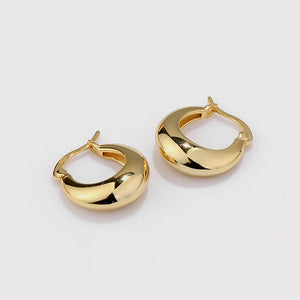
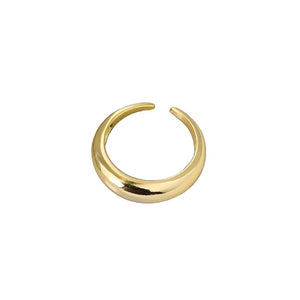


The piece they're describing → Dainty Stacking Rings for Women — 18K Gold Plated, Thin Band Set, Minimalist
Personalize Yours


