



- Brass is a base metal, not a plating type — it's an alloy of roughly two-thirds copper and one-third zinc that jewelry makers coat with a thin layer of gold.
- Because brass contains copper, exposed brass (once plating wears off) can cause green or black skin staining and skin irritation in people sensitive to copper or zinc.
- Brass tarnishes to a dull brown, greenish, or black patina when its gold coating wears thin — a different failure mode than silver, which mostly just fades or dulls.
- Brass is popular with budget and fast-fashion jewelry brands because it's cheap and holds plating reasonably well, but it's a bigger allergy and tarnish risk than sterling silver or stainless steel bases.
- AJLuxe's gold-plated pieces are built on a 925 sterling silver base, not brass — a more skin-friendly, slower-tarnishing foundation for the same 18K gold plating process.
- Titanium jewelry with gold plating (including gold PVD) is the most skin-safe and water-resistant option of all, since titanium doesn't react with skin the way brass can.
"Brass vs gold plated" is a slightly misleading way to frame the question, because brass and gold plating aren't actually competing options — brass is a base metal, and gold plating is a coating that can be applied over brass, sterling silver, stainless steel, or titanium. What people usually mean when they ask this is: is the jewelry I'm looking at gold plated over brass, and does that matter? It does, and this guide breaks down exactly why — covering brass's composition, how it behaves under a gold coating, the skin-reaction risk that makes it different from other base metals, tarnish behavior, cost, and where titanium jewelry with gold plating fits into the comparison.
We'll also be upfront about where AJLuxe stands here: none of our gold-plated jewelry uses a brass base. Every piece is plated over 925 sterling silver, which is a meaningfully different (and generally more skin-friendly) starting point than brass. More on that below.
What Brass Actually Is
Brass is an alloy — a mixture of metals — made primarily of copper and zinc, typically in a ratio of around 60 to 70 percent copper and 30 to 40 percent zinc, depending on the specific brass formulation. It isn't a naturally occurring metal; it's manufactured by melting copper and zinc together, which produces a hard, golden-yellow metal that's significantly cheaper than gold, silver, or even most stainless steel alloys.
Brass has been used in decorative metalwork for centuries because its natural color already resembles gold before any plating is applied, and because it's easy to cast, stamp, and polish into detailed jewelry designs. That combination of low cost, workability, and a gold-adjacent starting color is exactly why so much budget and fast-fashion jewelry uses a brass base underneath a thin gold coating.
What "Gold Plated" Actually Means
Gold plating is a coating process, most commonly electroplating, where a piece of jewelry is submerged in a solution containing dissolved gold ions and an electric current is used to bond a thin layer of real gold onto the surface of the base metal. The base metal underneath can be almost anything — brass, sterling silver, stainless steel, titanium, or even other base alloys — and "gold plated" on its own tells you nothing about which one you're getting.
That's the core confusion behind this comparison: a listing that says "18K gold plated" could be plated over brass or over 925 sterling silver, and those two pieces will behave very differently in terms of skin reaction, tarnish, and how gracefully they age once the coating starts to thin. The gold layer itself is usually similar; the base metal underneath is where the real differences show up.
Brass vs Gold-Plated Base Metals: Full Comparison Table
| Factor | Brass Base | Sterling Silver Base | Stainless Steel / Titanium Base |
|---|---|---|---|
| Composition | Copper and zinc alloy | 92.5% silver, 7.5% other metals | Iron-chromium alloy / near-pure titanium |
| Plating durability | Holds standard plating reasonably well | Holds standard plating reasonably well | Excellent, especially with PVD plating |
| Skin reactivity | Higher risk — copper and zinc can cause green staining or irritation | Low risk for most wearers | Very low risk; often hypoallergenic |
| Tarnish/patina when exposed | Dull brown, greenish, or black patina | Dulls or lightly darkens, less color shift | Minimal to none |
| Cost | Lowest of the four | Moderate | Moderate to higher, especially with PVD |
| Common in | Fast-fashion, budget costume jewelry | Mid-range fine-fashion jewelry, incl. AJLuxe | Waterproof/tarnish-free marketed jewelry |

Skin Reactions: Why Brass (and Copper) Can Turn Skin Green
The most commonly reported issue with brass-based jewelry isn't the gold plating itself — it's what happens underneath once that plating starts to thin. Brass is roughly two-thirds copper, and copper reacts with the natural acids, oils, and sweat on skin in a process similar to oxidation. That reaction produces copper salts, which is what causes the greenish or blackish staining some people notice on their fingers, wrists, or earlobes after wearing brass-based jewelry for a while.
This isn't an allergic reaction in the strict medical sense for most people — it's a chemical reaction between copper and skin chemistry, and it happens more with some people's skin pH, sweat composition, and humidity levels than others. That said, some wearers do have genuine sensitivity to copper or zinc that shows up as redness, itching, or irritation rather than just staining, and those reactions are more commonly reported with brass than with sterling silver or titanium bases.
Importantly, while the gold plating is intact and at full thickness, this risk is largely masked — you're touching gold, not brass. The risk shows up specifically at the point where plating has worn thin enough for skin to make contact with the base metal, which tends to happen fastest at high-friction points: the inside of rings, clasps, and the backs of earring posts.
Tarnish and Patina: What Happens As the Gold Wears Off
Every gold-plated piece eventually shows some wear, and what's underneath determines how that wear actually looks. Brass tarnishes into a dull brown, greenish, or occasionally black patina as its natural copper oxidizes — it's a visible, sometimes uneven color shift that stands out clearly against the gold tone that was there before. Sterling silver, by contrast, tends to dull or slightly darken rather than shift color dramatically, and stainless steel or titanium bases show the least visible change of all once plating thins, since neither reacts with air and moisture the way copper does.
None of this means brass-based jewelry is unwearable — plenty of costume and fast-fashion jewelry uses it successfully for pieces meant to be worn for a season, not a decade. But if you're buying something you expect to wear daily for years, the base metal underneath the plating is arguably more important to the piece's long-term appearance than the plating itself, since the plating is temporary on every base metal — it's only a matter of how gracefully (or poorly) things look once it thins.

Titanium Jewelry with Gold Plating: The Skin-Safest Option
Titanium is worth calling out separately because it sits at the opposite end of the spectrum from brass. Titanium is naturally corrosion-resistant and forms a stable, inert oxide layer on its surface that essentially doesn't react with skin, sweat, or moisture — which is why titanium jewelry gold pieces (including titanium with gold PVD plating) are frequently marketed as hypoallergenic, waterproof, or tarnish-free. There's no copper or zinc content to cause staining, and no meaningful oxidation process to create a visible patina once the gold layer wears.
The tradeoff is cost and availability. Titanium is harder to work with than brass, so titanium-based gold jewelry tends to sit at a higher price point than brass-based pieces, and it's less common in mainstream fashion jewelry than sterling silver or brass bases. If skin reactivity is your main concern, though, titanium (or PVD-coated stainless steel) is generally the safest base metal to look for, ahead of even sterling silver.
Cost: Why Brass Is So Common in Budget Jewelry
Brass is the cheapest of the common base metals used under gold plating, which is exactly why it dominates fast-fashion and costume jewelry. It's inexpensive to source, easy to cast into detailed shapes, and takes a gold coating well enough to look convincing on a store shelf or in product photos. For brands optimizing purely for a low price point, brass makes economic sense.
Sterling silver costs more than brass but less than solid gold, and it plates just as well while carrying a much lower skin-reaction risk — which is why it's the more common choice for mid-range, "fine fashion" gold-plated jewelry rather than true costume jewelry. Stainless steel and titanium sit in a similar or slightly higher price range than sterling silver, with the added durability and water-resistance benefits, especially when paired with PVD plating rather than standard electroplating.
Does AJLuxe Use Brass? An Honest Answer
No. AJLuxe's gold-plated jewelry is built on a 925 sterling silver base, not brass. We made that choice specifically to avoid the copper-and-zinc-related tarnish and skin-reaction issues described above, even though sterling silver costs more to source than brass. If you've landed on this comparison because you're worried about a brass base turning your skin green or tarnishing unevenly, that's not a concern with AJLuxe's core gold-plated line.
We also carry a small number of pieces that go a step further with PVD gold plating over sterling silver — like our 18K Gold PVD-Plated Double Row Snake Chain Necklace — which adds the extra durability and water resistance of vacuum-bonded plating on top of the sterling silver base. For a full breakdown of PVD versus standard plating, see our PVD vs gold plated guide.
How to Check What Base Metal Is Under the Gold Plating
Since "gold plated" alone doesn't tell you the base metal, here's what to look for before buying:
- Read the full product description, not just the headline. Reputable sellers will state the base metal explicitly — "18K gold plated over 925 sterling silver," for example — rather than leaving it out.
- Be cautious of very low prices with no base metal listed. Extremely cheap gold-plated jewelry with no stated base metal is more likely to be plated over brass or another unlisted alloy.
- Look for hallmark stamps. Genuine sterling silver pieces are often stamped "925" somewhere on the piece, even under plating; brass-based pieces typically aren't stamped at all.
- Check for words like "nickel-free" or "hypoallergenic" if you have known sensitivities — these claims are more meaningful (and more commonly true) on sterling silver or titanium bases than on brass.
- If your skin has turned green or dark from jewelry before, assume brass or a copper-containing base metal was the cause, and specifically look for sterling silver, stainless steel, or titanium on future purchases.
Caring for Gold-Plated Jewelry, Whatever the Base Metal
Regardless of what's underneath the gold coating, a few habits extend the life of any gold-plated piece: remove it before showering, swimming, sleeping, or exercising when possible; apply lotion, perfume, and hairspray before putting jewelry on rather than after; store pieces separately in a dry, airtight pouch to avoid scratches from other jewelry; and clean gently with a soft polishing cloth rather than chemical jewelry dips, which can strip plating faster.
If you already own brass-based gold-plated jewelry and want to keep it wearable longer, drying it thoroughly after any moisture exposure and avoiding direct skin contact during workouts can meaningfully slow the tarnish and staining process, even though it won't eliminate the underlying risk the way switching to a sterling silver or titanium piece would.
If you want to understand how gold mining actually works and how that connects to gold-plated jewelry's real environmental footprint, we cover it in detail in a separate guide.
Frequently Asked Questions
Is brass jewelry the same as gold-plated jewelry?
No. Brass is a base metal — an alloy of copper and zinc — while gold plating is a coating that can be applied over brass or other metals like sterling silver, stainless steel, and titanium. A piece can be both brass and gold plated at the same time, but the two terms describe different things.
Does brass turn your skin green?
It can. Brass contains copper, and copper reacts with skin oils and sweat to form copper salts, which show up as green or blackish staining. This is more common once any gold plating on top of the brass has worn thin enough for skin to touch the brass directly.
Is gold-plated brass jewelry bad for you?
Gold-plated brass jewelry isn't dangerous, but it does carry a higher risk of skin staining or irritation than gold plating over sterling silver, stainless steel, or titanium, particularly for people with copper or zinc sensitivity. Most people can wear it without issue, but it's worth knowing the risk exists.
What base metal does AJLuxe use for gold-plated jewelry?
AJLuxe's gold-plated jewelry is plated over 925 sterling silver, not brass. This was a deliberate choice to reduce the tarnish and skin-reaction issues associated with brass and copper-containing base metals.
How can I tell if my gold-plated jewelry has a brass base?
Check the product description for the stated base metal. If it isn't listed and the price is very low, brass is a common default. Genuine sterling silver pieces are often stamped "925" somewhere on the piece, while brass-based pieces typically have no such stamp.
Is brass more durable than sterling silver for gold plating?
Both hold standard gold plating reasonably well, so durability of the plating itself is fairly similar. The real difference shows up after the plating wears: brass tends to tarnish into a visible brown or green patina, while sterling silver typically just dulls slightly, without the same color-shift or staining risk.
Why do fast-fashion brands use brass for gold-plated jewelry?
Brass is the least expensive common base metal, easy to cast into detailed shapes, and naturally has a gold-adjacent color, which makes it look convincing under a thin gold coating. Those cost and workability advantages are why it's popular for budget and costume jewelry.
Is titanium jewelry with gold plating better than brass?
For skin sensitivity and durability, yes. Titanium forms a stable oxide layer that doesn't react with skin the way brass's copper content can, and it holds up better against water and daily wear, especially with PVD gold plating. Titanium-based pieces do typically cost more than brass-based ones.
Can gold plating over brass be hypoallergenic?
It's less likely than plating over sterling silver, stainless steel, or titanium, since brass contains copper and zinc, both of which can trigger sensitivity in some wearers once the gold coating thins. If hypoallergenic wear is a priority, look for a stated base metal other than brass.
Does sterling silver ever cause the same skin reactions as brass?
It's far less common. Sterling silver is 92.5 percent silver, with a much lower percentage of other metals in the remaining alloy, so it doesn't carry the same copper-driven staining risk that brass does. Some people with broader metal sensitivities can still react to any alloy, but it's a smaller population than those affected by brass.
How long does gold plating last over a brass base compared to sterling silver?
The plating itself tends to last a similar amount of time on both, since the plating process and thickness are usually the same regardless of base metal. The difference is what happens after the plating wears thin: brass shows tarnish and possible skin staining sooner and more visibly than sterling silver does.
Final Thoughts
Brass and gold plating aren't really competing choices — brass is one of several base metals that gold plating gets applied over, and it happens to be the cheapest and most tarnish- and skin-reaction-prone of the common options. If you're evaluating a "gold plated" listing, the real question to ask isn't whether it's brass or gold plated, but what base metal the gold is plated over, since that's what determines how the piece ages, whether it's likely to irritate sensitive skin, and how it looks once the coating naturally thins with wear.
AJLuxe's gold-plated jewelry is built on 925 sterling silver rather than brass, specifically to avoid the copper-driven staining and tarnish issues covered in this guide, and select pieces use PVD gold plating over that same sterling silver base for added durability.
Curious how this compares to other gold jewelry types? See our guides on gold plated vs solid gold, gold vermeil vs gold plated, is 14K gold plated jewelry worth it, sterling silver vs gold plated necklace, and PVD vs gold plated. To see how water exposure affects gold-plated jewelry specifically, check can you shower with gold-plated jewelry and our related solid gold vs gold filled comparison. If you're weighing gold plating against a completely different base-metal category, see our gold plated vs stainless steel comparison.
Want gold plating without the brass base-metal risk?
AJLuxe's 18K Gold PVD-Plated Double Row Snake Chain Necklace is plated over 925 sterling silver, not brass — real gold, a skin-friendlier base, and the added durability of PVD.
Shop the Snake Chain NecklaceShop This Guide
- 18K Gold PVD-Plated Double Row Snake Chain Necklace — sterling silver base, not brass
- Gold-Plated Jewelry Collection — everyday sterling-silver-based styles
Sources: GIA, Jewelers of America.
Written by AJLuxe Team. Last updated: July 2026
All third-party trademarks, brand names and product names are the property of their respective owners. AJLuxe is not affiliated with, endorsed by, sponsored by, or otherwise connected to any third-party brand referenced in this article. Brand names are used solely for accurate comparative reference, and material descriptions reflect each brand's own published product specifications at the time of writing.
You Might Also Like
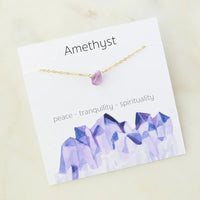
The piece they're describing → Stone Charm Necklace for Women — Raw Natural Gemstone Pendant
Personalize Yours


