


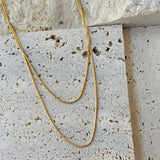

- PVD gold is deposited in a vacuum chamber. The result is a dense, hard coating that is firmly bonded to the base metal.
- Standard gold plating (electroplating) dips the piece in a gold-ion bath and uses electric current to deposit the layer. It is the process behind most affordable "18K gold plated" jewelry.
- PVD coatings are typically much harder than electroplated gold, which is why they resist scratches, sweat and everyday friction better.
- Neither is "fake gold." Both are real gold on a base metal. The difference is how the layer is applied and how well it holds up, not the gold's purity.
- No coating lasts forever, and the base metal matters as much as the coating. Our Double Chain Necklace is 18K gold plated by PVD and is the only PVD piece in our catalog.
"PVD vs gold plated" sounds like a technical question for jewelers, but it is one of the most useful things to know before buying gold-tone jewelry, because it predicts how long a piece will keep its color. Both methods put real gold on a base metal. What separates them is how the gold gets there.
This guide explains how each process works, how they compare on hardness, water resistance, cost and lifespan, how titanium and stainless steel fit in, and how to tell which one you are buying.
What Is PVD Coating?
PVD stands for physical vapor deposition, a vacuum process that turns the coating metal into vapor and deposits it on the jewelry one thin layer at a time. It was developed for industrial parts such as cutting tools and watch cases and has been adapted for jewelry. Because the coating builds up atom by atom in a vacuum rather than from a liquid, it is denser and more tightly bonded to the surface than a plated layer.
What Is Standard Gold Plating?
Standard gold plating is electroplating: the piece sits in a bath of dissolved gold, and an electric current pulls the gold onto the surface. It is faster and cheaper than PVD, which is why it is the usual process for affordable gold-tone jewelry. The gold is real, and the karat marking (14K, 18K) describes the gold alloy, not the method. The bond to the base metal is simply less tough, so the layer wears faster with friction, sweat and chemicals.
PVD vs Gold Plated: Comparison Table
| Factor | PVD gold coating | Standard gold plating |
|---|---|---|
| How it is applied | Vacuum chamber, metal vapor, dense bonded layer | Liquid bath, electric current, surface deposit |
| Hardness | Typically much harder | Softer, scratches and wears sooner |
| Water and sweat | Handles daily wear well on a durable base metal | Fine for light contact; wears faster with regular soaking |
| Tarnish resistance | Higher while the coating is intact | Moderate; wear exposes the base metal sooner |
| Lifespan | Usually longer; varies with wear and care | Usually shorter; varies with wear and care |
| Cost | Higher (specialized equipment, slower process) | Lower |
| Common base metals | Stainless steel, titanium, others | Sterling silver, brass, other alloys |

Why Does Hardness Matter?
A harder coating picks up fewer micro-scratches, and micro-scratches are what dull a gold finish before it actually wears through. Everyday contact with keys, clothing, counters and gym equipment scratches soft layers first. Each scratch is also a small point where the base metal sits closer to the surface. A PVD layer resists that abuse much better than an electroplated one, which is the physical reason "PVD lasts longer" is usually true.
Is PVD Jewelry Waterproof?
PVD jewelry on a corrosion-resistant base such as stainless steel or titanium usually tolerates showers and sweat well, but "waterproof" is a marketing word, not a guarantee. The coating is only as good as what is under it: a PVD layer over a metal that corrodes can still fail. Standard gold plating is fine for daily wear and handwashing, but chlorine, salt water and prolonged soaking wear it down faster. Our guide to waterproof vs water resistant jewelry covers what water does to each metal.

Why Is Titanium with Gold PVD a Popular Combination?
Titanium resists corrosion and is light and skin-friendly, so a PVD gold coating over it pairs a stable base with a tough finish. Stainless steel is used the same way. That is why pieces built on a titanium or stainless base are often sold as water-friendly gold jewelry, while sterling-silver-based gold plating is usually described more cautiously as water resistant. Steel-based jewelry also fits the traditional gift for an 11th anniversary, covered in our 11th anniversary gift ideas.
Is PVD Worth the Extra Cost?
PVD is worth it for a piece you will wear daily for years, and standard plating is the sensible choice for pieces you wear occasionally or expect to retire. PVD costs more because the vacuum equipment and slower process are more expensive to run than a plating bath. For an everyday chain you wear in all weather, the longer life usually repays that. For a trend piece or a special-occasion pair, the durability gap rarely matters.
How Can You Tell Which One You Are Buying?
The product description is the only reliable clue, because both finishes look the same in photos. A few checks before you buy:
- Look for "PVD" or "physical vapor deposition" in the description. If a listing only says "18K gold plated," assume standard plating unless the seller says otherwise.
- Check the base metal. PVD is most often applied over stainless steel or titanium. Standard plating is most often over sterling silver or brass. If the base metal is not stated, treat the durability claims with caution.
- Be skeptical of "waterproof" and "never tarnishes" on any listing that does not name both the coating process and the base metal.
Which AJLuxe Piece Is PVD Plated?
One piece in our catalog is PVD plated: the Double Chain Necklace in 18K gold plated snake chain. Most of our gold-tone jewelry uses conventional 18K gold plating, most of it over 925 sterling silver, which is a good, affordable choice for everyday pieces. The Double Chain Necklace ($30.99) is the one that matches the PVD side of this comparison. We have not independently confirmed its base metal, so we do not make base-metal claims for it.
How Should You Care for Each Type?
Wipe both types dry after wear and keep them away from chemicals; plated pieces need the more careful routine.
PVD-coated jewelry: wipe with a soft, dry cloth after wear, and clean occasionally with mild soap and warm water. It tolerates everyday friction well, but avoid abrasive cleaners and long exposure to chlorine.
Standard gold-plated jewelry: remove it before showering, swimming, sleeping or exercising when you can, and store it in a dry pouch away from sunlight and from other jewelry that could scratch it. Put on lotion, perfume and hairspray before the jewelry, not after. Clean gently with a soft cloth and skip chemical dips.
These habits do not change which category a piece falls into, but they decide whether it lasts toward the long end or the short end of its range. For more on gold options, see solid gold vs gold filled vs gold plated and gold overlay vs gold plated.
Frequently Asked Questions
Is PVD gold real gold?
Yes. PVD is a coating process, not a purity level. A PVD gold piece is coated with real gold, commonly 14K or 18K, using vacuum deposition instead of electroplating. The gold is genuine either way. The difference is how it is bonded to the base metal.
Is PVD better than gold plating?
For durability, usually yes. PVD is harder and more resistant to wear, sweat and tarnish than standard electroplating. For cost and availability, standard gold plating wins. Which is better depends on whether you value longevity or upfront price.
Does PVD gold ever fade or wear off?
It can, especially at high-friction points such as clasps and ring bands, but it typically takes much longer than with standard plating. No coating is permanent.
What does "18K PVD gold plated" mean?
It means the piece has an 18-karat gold coating applied by physical vapor deposition rather than electroplating. The "18K" describes the gold alloy, and "PVD" describes how it was applied to the base metal.
Can you shower with PVD gold jewelry?
Often yes, especially when the base is stainless steel or titanium, but check what the seller actually states about the coating and base metal. Standard gold-plated jewelry is less suited to daily water exposure.
Is gold-plated jewelry fake gold?
No. Gold plating is real gold applied over a base metal. It is a lower-cost way to get a gold surface. The base metal underneath is what is not gold, not the coating.
How can I tell if jewelry is PVD coated or just gold plated?
Check the description for "PVD" or "physical vapor deposition." PVD is most often over stainless steel or titanium, and standard plating is most often over sterling silver or brass. If the process is not stated, assume standard plating.
Does PVD gold coating tarnish?
PVD coatings resist tarnish well because the dense layer limits air and moisture from reaching the metal underneath. They are not tarnish-proof forever, but tarnishing usually takes much longer to appear than with standard plating.
Why does PVD jewelry cost more than gold-plated jewelry?
PVD needs specialized vacuum equipment and a slower process than electroplating, which raises production costs. The higher price is often offset by the coating's longer life.
Which AJLuxe jewelry is PVD plated?
Our Double Chain Necklace in 18K gold plated snake chain is plated by PVD. Most of our other gold-tone pieces use conventional 18K gold plating, mostly over 925 sterling silver.
Final Thoughts
PVD and gold plating both put genuine gold on a base metal, but the process changes how the piece holds up. PVD is harder and more resistant to everyday wear, which suits jewelry you wear every day. Standard gold plating remains a valid, more affordable choice for pieces you do not wear in the shower or the gym.
The practical takeaway is to read the label. If durability matters more to you than price, look for "PVD" in the description and a named base metal. To compare other options, see gold plated vs solid gold, gold vermeil vs gold plated, is 14K gold plated jewelry worth it, sterling silver vs gold plated necklace, gold plated vs stainless steel and brass vs gold plated. For a roundup of PVD pieces, browse Best PVD Jewelry or Best Waterproof Necklaces.
Want jewelry that is actually PVD plated, not just gold plated?
Our Double Chain Necklace is 18K gold plated by PVD, with two snake chains on one clasp, $30.99.
Shop the Double Chain NecklaceShop This Guide
- Double Chain Necklace, 18K gold plated by PVD
- Gold-Plated Jewelry Collection, everyday standard-plated styles
Written by the AJLuxe team. Last updated: October 2026.
All third-party trademarks, brand names and product names are the property of their respective owners. AJLuxe is not affiliated with, endorsed by, sponsored by, or otherwise connected to any third-party brand referenced in this article. Brand names are used solely for accurate comparative reference, and material descriptions reflect each brand's own published product specifications at the time of writing.
You Might Also Like
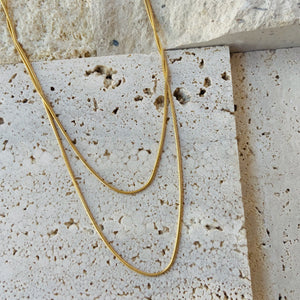
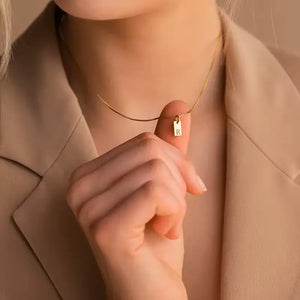
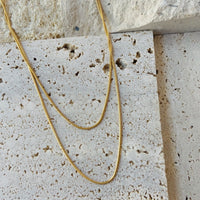
The piece they're describing → Double Chain Necklace for Women — 18K Gold Plated Snake Chain, Layered Look
Personalize Yours


