


- There is no rule that says you must remove jewelry at night; the risk depends on the piece.
- Short, fine, smooth chains are the best candidates; long, heavy or dangling pieces are not.
- Sweat and friction wear plating faster, so a piece you sleep in will show wear sooner.
- Rings can be a problem if fingers swell, and anything with prongs can snag bedding.
- If skin turns red, itchy or sore, take the piece off and ask a doctor if it persists.
Whether it is fine to keep a necklace on at night depends on the chain, the metal and you. If you have not decided what to wear, our guides to jewelry care tips and types of necklace chains help you choose, and for ears, see can you sleep with earrings in.
Which jewelry is okay to sleep in, piece by piece?
Small, close-fitting, smooth pieces are generally the most comfortable overnight, and larger or looser pieces cause most problems. Use this table as a starting point, then adjust for how you sleep.
| Piece | Generally okay? | Main concern |
|---|---|---|
| Short fine chain, no pendant | Often fine | Twisting, clasp pressure |
| Small flat pendant | Sometimes | Pendant digging in or flipping |
| Long chain or heavy pendant | Best removed | Snagging, tangling, breakage |
| Rings | Plain bands, with care | Swelling, prongs catching bedding |
| Bracelets | Close fitting only | Catching on sheets, clasp |
| Earrings | Flat backs, small studs | Pressure, posts, pillows |
Earrings have their own rules, covered in can you sleep with earrings in, best earrings to sleep in and flat back versus butterfly back earrings.
Does the metal matter when you sleep in it?
Yes, because sweat and friction act on the surface of every metal, and some surfaces handle that better than others. Overnight you spend six to eight hours with a piece pressed against warm skin, which is more constant contact than most daytime wear.
| Material | What to expect overnight |
|---|---|
| Gold plated over sterling silver | Plating wears faster with sweat and rubbing; the base metal can show through over time |
| Gold or rhodium plated stainless steel | Steel base is durable, but the surface plating still wears with friction |
| Sterling silver | Can darken with sweat and body products; polishes back |
| Base metal or costume pieces | More likely to discolor skin or cause irritation |
| Solid gold | Holds up well to wear, though heavy or textured designs can still snag |
Our own line is plated over 925 sterling silver or over 316L stainless steel, so the same wear applies to it. You can read more in does gold plated jewelry tarnish, sterling silver versus stainless steel and does stainless steel jewelry tarnish. No jewelry is guaranteed to be sleep safe, and we do not claim that for any piece.
Can sleeping in a necklace irritate your skin?
It can, especially if you sweat or are sensitive to certain metals. Trapped moisture under a chain, along with rubbing, may cause redness, itching or a green or dark mark on the skin. A green mark usually comes from a copper-containing metal reacting with sweat; see why plated jewelry sometimes turns skin green. If you are prone to reactions, read our hypoallergenic jewelry guide and the honest answer on stainless steel. 316L steel is considered hypoallergenic for most wearers, but that is not a promise for everyone and it is not nickel free. This is general information; ask a doctor about a rash that does not clear up.
What are the real risks of sleeping in a necklace?
The main risks are snagging, breakage and twisting, with skin irritation and plating wear as quieter concerns. Each one has a practical fix.
- Snagging. Chains can catch on bedding, hair or a partner's hand. Choose a smooth, fine chain, or take it off.
- Breakage. A tug in your sleep can snap a thin chain or bend a link. If one breaks, see how to fix a broken necklace chain.
- Clasp pressure. A clasp can press into the back of your neck when you lie on your back or side. Turn it to the front or side, or pick a smaller clasp (compare types of necklace clasps).
- Twisting and tangling. Chains twist overnight and knot with other necklaces. A single short chain tangles less; if it happens, use how to untangle a necklace chain.
- Skin irritation. Sweat and friction can bother some skin. Take the piece off if it feels itchy or sore.
- Plating wear. Constant rubbing wears surfaces faster than occasional wear.
- Children and pets. General safe sleep guidance for babies advises keeping their sleep space free of anything loose, and a dangling chain can be grabbed by small hands or curious pets. If you sleep near a baby or child, ask your pediatrician or vet what is best, and consider taking it off.
What should you look for in a piece you sleep in?
Look for short, light, smooth and secure. A necklace that sits close to the neck, at about choker to princess length, has less room to snag; see our chain necklace length guide for sizes. Prefer a fine, flat-lying chain with a small pendant, or none, and a clasp that closes firmly and sits flat. Avoid pointed edges, large stones, heavy charms and long layered sets.
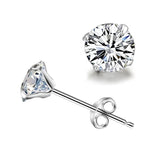
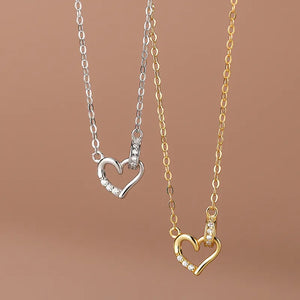
Two of our pieces fit that description on paper, though we do not call any of them sleep safe. The dainty heart necklace is a small smooth heart in 18K gold over 925 sterling silver on a fine chain (a few left). The circle heart necklace is a small open heart with CZ stones on a 16 to 18 inch chain with a 2 inch extender and a spring ring clasp. Because plating wears, either will look worn sooner if you sleep in it. For ears, small flat-lying studs such as the CZ stud earrings in 925 sterling silver are a calmer choice than hoops.
What about rings and bracelets?
A plain band is usually the least trouble, but rings can feel tighter at night or in the morning if your hands swell. A ring with prongs or a raised stone can snag sheets and catch hair, and a bent band can be hard to fix (here is how to approach it). If a ring feels tight or leaves a deep mark, remove it and ask a doctor if it keeps happening. For bracelets, choose close-fitting pieces with no dangling parts; see bracelet too tight if yours leaves marks.
What is a good bedtime routine for jewelry?
A short routine keeps your pieces and your skin in better shape. Whether you keep a piece on or take it off, these steps help:
- Check the clasp and links for damage before bed.
- Skip heavy lotions and oils around the neck, which can leave residue on the chain.
- If you keep a necklace on, wear only one so nothing tangles.
- Wipe pieces with a soft dry cloth in the morning to remove sweat.
- If you take pieces off, store them flat or hung separately (see how to store jewelry).
- Rotate pieces so none gets worn every night.
- Remove before showering as well; the waterproof jewelry guide explains why, and how to make gold plated jewelry last longer covers daily habits.
If you are clearing out a drawer to decide what stays on, our guide on what to do with old jewelry can help.
More in this guide
Related reading: can you sleep with earrings in, best earrings to sleep in, waterproof jewelry guide, how to make gold plated jewelry last longer and how to fix a broken necklace chain.
Frequently Asked Questions
Is it bad to sleep with a necklace on?
Not necessarily, but it carries more risk with long, heavy or textured pieces. Sleeping in a short, smooth chain is lower risk, though sweat and friction still wear metal over time.
Should you take jewelry off before bed?
You do not have to, but taking it off protects the jewelry and reduces snagging and irritation. If a piece is comfortable and secure, many people choose to leave it on.
Is it okay to wear a necklace 24/7?
It is possible, but constant wear speeds up plating and tarnish. Rotating pieces and cleaning them regularly helps.
What jewelry can you wear to bed?
Small, light, smooth pieces such as fine chains, plain bands and small flat-back studs. Avoid dangling, heavy or sharp pieces.
Can you sleep with a ring on?
A plain band is generally fine, but swelling can make rings feel tight, and raised stones can snag. Remove it if it feels uncomfortable.
Can you sleep in a gold plated necklace?
You can, but the plating will wear faster than if you removed it. Avoid sleeping in it if you sweat heavily.
Can you sleep with a necklace on if you have sensitive skin?
That depends on the metal and your skin. If you notice redness or itching, remove it and ask a doctor.
Written by AJLuxe Team. Last updated: October 2026
All third-party trademarks, brand names and product names are the property of their respective owners. AJLuxe is not affiliated with, endorsed by, sponsored by, or otherwise connected to any third-party brand referenced in this article. Brand names are used solely for accurate comparative reference, and material descriptions reflect each brand's own published product specifications at the time of writing.
You Might Also Like

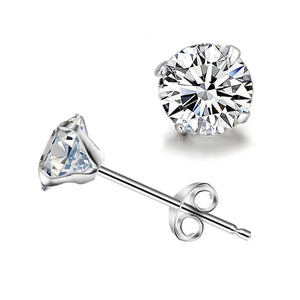
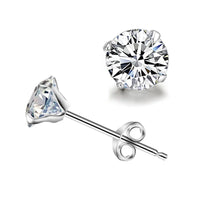
The piece they're describing → CZ Stud Earrings for Women — 925 Sterling Silver, Cubic Zirconia, Hypoallergenic
Personalize Yours


