



- Waterproof = the material is chemically inert in water. No coating to wear off. Solid gold, platinum, titanium, and PVD-coated stainless steel qualify.
- Water resistant = the piece can handle a splash or handwashing, but repeated soaking degrades it. Most gold-plated and gold-vermeil jewelry is water resistant, not waterproof.
- PVD coating (Physical Vapor Deposition) bonds gold molecularly to the metal at 3–8+ microns thick — 3 to 8 times thicker than standard electroplating — which is why PVD-coated stainless steel can survive daily showers and swimming when standard plating can't.
- Standard gold electroplating (what most "18K gold plated" jewelry uses, including AJLuxe's core line) sits at 1.0–2.5 microns. It's water resistant for showers and light wear, but chlorine, saltwater, and prolonged soaking will wear it down faster.
- The single biggest jewelry killer isn't water on its own — it's chlorine, which chemically attacks gold alloys and plating bonds faster than fresh or salt water alone.
Search "waterproof vs water resistant jewelry" and you'll find two words being used almost interchangeably by brands that want you to buy — but they mean completely different things at the molecular level. One describes jewelry you can genuinely forget you're wearing in the shower, the pool, and the ocean. The other describes jewelry that will hold up fine for handwashing and rain, but will eventually thin, dull, or discolor if you treat it like the first category. Confusing the two is the single most common reason people write angry reviews about jewelry "tarnishing" within weeks — when the real issue is a mismatch between how the piece was rated and how it was worn.
What "Waterproof" Actually Means (Marketing vs. Technical Reality)
In consumer electronics, "waterproof" has a regulated meaning tied to IP (Ingress Protection) ratings — IP68, for example, specifies exact depth and duration of submersion a device can survive. Jewelry has no equivalent regulated standard in the US. When a jewelry brand says "waterproof," it's a marketing claim, not a certified rating, which is exactly why two brands can use the same word to describe very different products.
Technically, jewelry is waterproof only when the material touching water is chemically stable and non-porous all the way through — meaning there's no thin surface layer that can wear away to expose a different, more reactive metal underneath. That's true of:
- Solid 14K or 18K gold — the gold alloy goes all the way through, so there's no plating to wear off.
- Platinum and palladium — dense, corrosion-resistant precious metals with no coating layer.
- Titanium — naturally forms a stable oxide layer that resists water and most chemicals.
- PVD-coated stainless steel — the coating is molecularly bonded and thick enough (typically 3–8+ microns) to function as a true barrier rather than a thin veneer.
"Water resistant" describes everything else that can handle water in moderation but isn't built for saturation: standard gold electroplating, gold vermeil, and most costume/fashion metals with a thin protective coating. The coating works — until enough water, friction, or chemical exposure gets underneath it.

PVD Coating vs. Standard Gold Plating: The Real Comparison
This is the comparison most jewelry guides skip entirely, and it's the one that actually determines whether a piece survives your daily shower routine.
| Spec | Standard Gold Electroplating | PVD Coating |
|---|---|---|
| Process | Electrical current deposits gold ions onto the base metal in a liquid bath | Metal is vaporized in a vacuum chamber and bonds to the surface at the atomic level |
| Typical thickness | 1.0–2.5 microns (2.5+ required for legal "vermeil" labeling) | 3–8+ microns |
| Bond strength | Surface-level adhesion; can lift or scratch off | Molecular bond; significantly more scratch and chemical resistant |
| Common base metal | 925 sterling silver, brass | Stainless steel (needed to withstand the high-heat vacuum process) |
| Shower-safe? | Occasional yes, daily long-term no | Yes, designed for it |
| Swim/ocean-safe? | Not recommended for regular exposure | Generally yes, though rinsing after saltwater/chlorine is still smart |
| Realistic lifespan | 1–3 years with proper care at 1.0–2.0 microns | Multiple years, closer to permanent-wear durability |
| Price position | Budget to mid-range | Mid to premium (equipment and process cost more) |
Neither approach is "fake" or a scam — they're two different engineering solutions to the same problem, priced differently because the process itself costs more or less to run. The mistake is assuming a piece is waterproof just because it says "18K gold plated" on the listing. That phrase describes the karat purity of the gold, not the thickness of the layer or the method used to apply it. For the full micron breakdown, see our guide on 18K vs. 14K gold plating.
What Actually Damages Jewelry: Chlorine, Saltwater, Sweat & Perfume
Plain fresh water is actually one of the gentler things jewelry encounters. The real damage comes from what's dissolved in or added to that water — and understanding the ranking helps explain why two people can own the same necklace and have very different experiences with it.
- Chlorine (pools, hot tubs, some tap water) — the most aggressive everyday threat. Chlorine is a strong oxidizer that chemically reacts with gold alloys and can pit or discolor even solid gold over repeated exposure; on plated pieces it accelerates the breakdown of the plating bond significantly faster than plain water would.
- Saltwater (ocean) — salt is corrosive and abrasive at once; sand adds physical friction that wears down plating edges, especially at clasps and high-contact points.
- Sweat — mildly acidic and contains salt, oils, and body chemistry that varies person to person. This is why the same plated ring can last two years on one person and six months on another with higher-acidity skin or heavier workout habits.
- Perfume, lotion, and hairspray — often overlooked, but the alcohol and chemical carriers in fragrance products are genuinely harsh on plating and can dull finishes faster than water exposure alone. Apply these before putting jewelry on, not after.
- Hot water — heat accelerates almost every chemical reaction above, which is part of why long, hot showers are harder on plated jewelry than a quick rinse.
In rough order of severity for plated jewelry: chlorine first, then saltwater, then sweat and perfume together, with plain fresh water doing the least damage of the group.

Can You Shower With It? A Breakdown by Metal Type
| Metal / Finish | Daily shower-safe? | Notes |
|---|---|---|
| Solid 14K/18K gold | Yes | No plating to wear; still rinse off soap film for shine |
| Platinum | Yes | Extremely stable, ideal for daily wear including water |
| Titanium | Yes | Hypoallergenic and inert; great for active lifestyles |
| PVD-coated stainless steel | Yes | Built for it; still rinse after chlorine/salt for longevity |
| 925 sterling silver (unplated) | Mostly | Water itself is fine; sulfur in some tap water/products can speed tarnish. See does sterling silver rust for the chemistry. |
| 18K gold plated over 925 silver (1.0–2.0 micron) | Occasional, not daily | Fine for the occasional quick shower; daily long showers will shorten plating life |
| Gold vermeil (2.5+ micron) | Occasional, not daily | Thicker than standard plating, still not built for daily saturation |
| Fashion/costume plating (under 1.0 micron) | No | Wears off within weeks to months of regular water contact |
AJLuxe's Own Plating Specs — Here's the Honest Breakdown
We'd rather tell you exactly where our jewelry sits on this spectrum than let a vague "waterproof" label set the wrong expectation. AJLuxe's core collection is 18K gold plated over 925 sterling silver, generally in the 1.0–2.0 micron range depending on the piece — solid quality plating, comparable to what most reputable mid-market fashion-fine jewelry brands use, but standard electroplating rather than PVD.
What that means in practice: our gold-plated pieces are water resistant, not waterproof. They're built to handle handwashing, light rain, and the occasional quick shower without issue. They are not built for daily long showers, pool laps, or ocean swims — chlorine and saltwater will wear the plating down faster than everyday wear alone. For pieces you genuinely want to wear in water without a second thought, we also carry PVD-coated stainless steel styles, which use the thicker, molecularly bonded coating described above and are rated for daily water exposure, including showers and swimming.
The takeaway: check the material line on the product page before you decide how hard you can wear a piece. "18K gold plated" and "PVD coated" sound similar in a product title, but they're different technologies with different water tolerances — and now you know exactly what to look for.
How to Test if Your Jewelry Is Actually Waterproof
Most people find out the hard way whether a piece is waterproof or water resistant — but you can get a good read on it before that happens:
- Check the material listing, not just the word "waterproof." Look for "solid gold," "platinum," "titanium," or "PVD" — those are the real waterproof indicators. "18K gold plated" or "gold vermeil" alone signals water resistant, not waterproof.
- Do a magnet test for base metal (plated pieces only). A strong magnet won't stick to gold, silver, or platinum, but will often stick to certain steel alloys underneath low-quality plating — useful for spotting cheap flash-plated pieces.
- Check the clasp and inner band first. Plating wears off high-friction points before anywhere else. If the inside of a ring or the clasp of a bracelet already looks duller than the rest, the plating is thin and won't hold up in water.
- Ask about micron thickness directly. Reputable brands will tell you. If a brand can't or won't answer, treat the piece as low-end flash plating and keep it away from water entirely.
- Do a two-week "light water" trial before committing to daily wear in the shower. Wear the piece through normal handwashing and light rain for two weeks. If you see any dulling or color shift at the clasp, that piece isn't ready for daily showers or swimming — save it for dry-day wear.
FAQ
Is waterproof jewelry the same as water-resistant jewelry?
No. Waterproof jewelry is made from materials that are chemically stable in water with no coating to wear off — solid gold, platinum, titanium, or PVD-coated stainless steel. Water-resistant jewelry, including most gold-plated and vermeil pieces, can handle light or occasional water contact but will degrade with regular soaking, chlorine, or saltwater exposure.
Can you shower with waterproof jewelry?
Yes — genuinely waterproof materials like solid gold, platinum, titanium, and PVD-coated stainless steel are designed to handle daily showers, including hot water and steam, without degrading. Water-resistant pieces like standard gold plating can handle an occasional quick shower but shouldn't be worn in the shower every day.
Is 18K gold plated jewelry waterproof?
No. The "18K" refers to the purity of the gold used in the plating, not its thickness or water resistance. Standard 18K gold-plated jewelry (typically 1.0–2.5 microns) is water resistant — fine for handwashing and light rain, but chlorine, saltwater, and daily showers will wear the plating down faster over time.
What's the difference between PVD coating and waterproof jewelry?
PVD (Physical Vapor Deposition) is a coating process that molecularly bonds a metal layer, typically 3–8+ microns thick, onto a base like stainless steel. Because the bond is so strong and the layer so much thicker than standard plating, PVD-coated jewelry behaves like waterproof jewelry in daily use, even though the base metal underneath technically has a coating.
Does stainless steel jewelry tarnish in water?
No. Uncoated stainless steel is naturally corrosion-resistant and doesn't tarnish in fresh or salt water. If a stainless steel piece is gold-plated or PVD-coated, the base steel underneath still won't corrode, but the coating itself can wear or dull with heavy, prolonged water exposure depending on the coating type. For the full answer, see our guide on whether stainless steel jewelry tarnishes.
Can you swim in gold-plated jewelry?
It's not recommended for regular swimming. Chlorine and saltwater are two of the harshest things standard gold plating encounters — both accelerate wear on the plating bond significantly faster than everyday dry wear. Occasional swims won't ruin a quality-plated piece, but daily pool or ocean wear will shorten its lifespan considerably.
Why did my gold-plated jewelry turn green or discolor after getting wet?
This usually means the plating has worn thin enough to expose the base metal underneath, which is reacting with moisture, sweat, or chemicals. It's more common with lower-quality flash plating (under 1.0 micron) or after heavy chlorine/saltwater exposure. A quality base metal like 925 sterling silver under thicker plating slows this significantly, but doesn't prevent it indefinitely.
Is gold vermeil waterproof?
No, but it's more water-resistant than standard plating. Gold vermeil legally requires at least 2.5 microns of gold over sterling silver, which holds up better to occasional water exposure than thinner 1.0-micron plating. It still isn't built for daily showers, pools, or ocean swimming.
What jewelry can you wear every day, including in water?
Solid 14K or 18K gold, platinum, titanium, and PVD-coated stainless steel are the most reliable choices for jewelry you never have to take off — including for showers, workouts, and swimming. These materials don't rely on a thin coating that can wear away.
How long does gold-plated jewelry last if it gets wet often?
Standard 1.0–2.0 micron gold plating typically lasts 1–3 years with normal, careful wear, but frequent water exposure — especially chlorine, saltwater, or daily hot showers — can cut that timeline down significantly, sometimes to a matter of months.
Does sweat damage waterproof jewelry?
Genuinely waterproof materials like solid gold, platinum, titanium, and PVD-coated steel aren't damaged by sweat. Water-resistant plated jewelry can be affected, since sweat is mildly acidic and carries salts and body oils that gradually break down thin plating layers, similar to how chlorine and saltwater do.
Final Thoughts
"Waterproof" and "water resistant" get used interchangeably in jewelry marketing, but the difference comes down to real material science: whether the metal itself is stable in water, or whether there's a thin coating standing between the water and a more reactive base metal. Solid gold, platinum, titanium, and PVD-coated stainless steel are built for daily water exposure. Standard gold plating and vermeil are built for everyday life with occasional water contact — not for living in the shower or the pool.
Knowing which category your jewelry falls into is the difference between a piece that looks great for years and one that dulls in a few months. Check the material listing, ask about micron thickness when it's not published, and match how you wear a piece to what it's actually built for.
Ready to shop with this in mind? Browse our gold-plated jewelry collection for everyday water-resistant pieces, see our PVD vs gold plated comparison for the hardness and lifespan numbers behind this guide, or explore more water-focused guides: Best Waterproof Jewelry, our full Waterproof Jewelry Guide, and for crystal lovers, Crystals for Water Signs, Can Carnelian Go in Water?, and Can Fluorite Go in Water?
Want jewelry built for daily water exposure?
Our 18K Gold PVD-Plated Double Row Snake Chain Necklace uses molecularly bonded PVD coating over stainless steel — rated for showers and swimming, not just splashes.
Shop the PVD Snake Chain NecklaceShop This Guide
- 18K Gold PVD-Plated Double Row Snake Chain Necklace — true water-ready coating
- Waterproof Gold Bracelet — beach-ready everyday wear
- Gold-Plated Jewelry Collection — everyday water-resistant styles
Sources: GIA, Jewelers of America.
Last updated: July 2026
All third-party trademarks, brand names and product names are the property of their respective owners. AJLuxe is not affiliated with, endorsed by, sponsored by, or otherwise connected to any third-party brand referenced in this article. Brand names are used solely for accurate comparative reference, and material descriptions reflect each brand's own published product specifications at the time of writing.
You Might Also Like
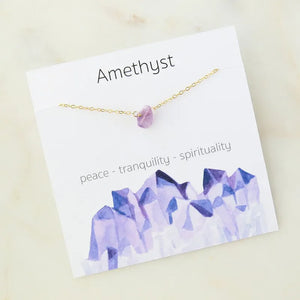
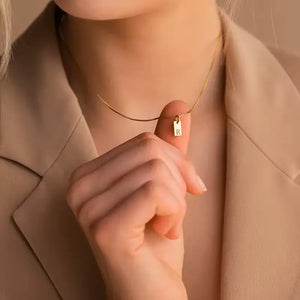
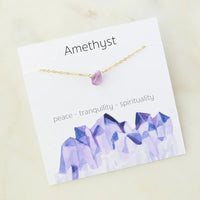
The piece they're describing → Stone Charm Necklace for Women — Raw Natural Gemstone Pendant
Personalize Yours


