



- Yes, sterling silver tarnishes — but it's easy to remove and prevent with simple care habits
- Tarnish is a surface reaction, not damage — it doesn't ruin the silver, just changes its appearance
- Cause: sulfur compounds in air, skin, perfume, lotion, and sweat react with the copper in sterling silver
- Prevention: store in airtight bags or anti-tarnish pouches, keep away from water and chemicals
- Removal: baking soda + warm water paste, silver polishing cloth, or professional cleaning
Yes, sterling silver tarnishes. If you've ever pulled out a silver necklace after weeks in a drawer and found it darker, yellower, or streaked with grey — that's tarnish. The good news: it's completely reversible. Understanding why it happens (and how to slow it down) is the difference between jewelry that stays bright for years and jewelry that looks old after three months.
Why Does Sterling Silver Tarnish?
Sterling silver is 92.5% pure silver (hence the 925 stamp) and 7.5% copper. The copper is what makes sterling silver strong enough to hold its shape in jewelry — pure silver is too soft on its own.
That copper is also the reason it tarnishes. Copper reacts with sulfur compounds in the air — hydrogen sulfide from pollution, cooking, and everyday environments — to form copper sulfide on the surface. The result is that familiar dull grey-black coating.
Pure silver tarnishes too, but much more slowly than sterling silver. The copper content in sterling silver accelerates the reaction. According to the Gemological Institute of America (GIA), tarnish is a surface oxidation process — it doesn't damage the silver underneath, it only affects the appearance of the surface layer.
What Makes Sterling Silver Tarnish Faster?
Some environments and habits accelerate tarnishing dramatically. Knowing these helps you avoid the worst offenders:
| Tarnish Accelerant | Why It Speeds Up Tarnish | How to Avoid |
|---|---|---|
| Humidity and sweat | Moisture carries sulfur compounds to the silver surface | Remove before showering, swimming, exercising |
| Perfume and lotion | Alcohol, fragrance oils, and synthetic compounds react with silver | Apply before putting on jewelry, let dry first |
| Chlorine (pools, cleaning) | Chlorine is highly reactive with metals | Remove before swimming or using cleaning products |
| Rubber bands | Natural rubber contains sulfur — direct contact causes rapid tarnish | Never store silver with or near rubber |
| Certain foods | Eggs, onions, and sulfur-rich foods tarnish silver quickly | Keep jewelry away from kitchen environments when possible |
| Air exposure (storage) | Open air contains oxygen and sulfur compounds | Store in airtight bags or anti-tarnish containers |
| Skin pH | Acidic skin chemistry speeds up surface reactions | Wipe with soft cloth after wearing |
Does Gold Plated Sterling Silver Tarnish?
Yes — but it tarnishes differently. When you buy jewelry described as "18K gold plated 925 sterling silver," you have two layers: Read our guide on whether gold plated jewelry tarnishes and how to prevent it.
- The sterling silver base — this is what tarnishes
- The gold plating on top — this doesn't tarnish, but it wears away over time
As long as the gold plating is intact, you won't see tarnish — the gold protects the silver underneath. The problem comes when the plating wears thin (usually after 2–3 years of daily wear) and the silver starts showing through. At that point, you'll see tarnishing on the exposed areas.
Solution: have the piece replated at a local jeweler for $10–$30. The plating restores the protective layer and the silver looks new again. This is why 18K gold plated sterling silver is a practical choice — it's both affordable and maintainable.
How to Prevent Sterling Silver from Tarnishing
Prevention is easier than cleaning. These habits slow tarnishing dramatically:
- Store in anti-tarnish bags or airtight containers. Anti-tarnish pouches (available for under $10 online) contain chalk or activated charcoal that absorbs sulfur compounds before they reach the silver. This alone can extend the time between cleanings by 3–5x.
- Store each piece separately. Silver touching other metals or gemstones scratches and speeds up tarnishing. One piece per pouch or compartment — see our full guide to storing jewelry properly for how to set that up.
- Add silica gel packets to your jewelry box. These absorb moisture, which is one of the biggest tarnish drivers. Replace every 3–6 months.
- Wear it regularly. This sounds counterintuitive, but wearing silver frequently actually slows tarnish. Friction from skin and clothing gently polishes the surface and removes the beginning stages of tarnish before it builds up. Jewelry left unworn in a drawer tarnishes faster.
- Clean with a polishing cloth weekly. A quick 30-second wipe with a silver polishing cloth after each wear removes skin oils and surface buildup before they react. This is the single most effective daily habit for keeping silver bright.

How to Remove Tarnish from Sterling Silver
If your silver has already tarnished, these methods work from gentlest to most thorough:
Method 1: Polishing Cloth (Best for Light Tarnish)
A silver polishing cloth has fine abrasive compounds built into the fabric. Gently rub the tarnished areas in small circular motions. Effective for surface-level tarnish that's less than a few months old. Takes 2–3 minutes. Doesn't work on heavily tarnished pieces. Cost: $5–$12.
Method 2: Baking Soda Paste (Best for Moderate Tarnish)
Mix 2 parts baking soda with 1 part water to form a paste. Apply to the tarnished area with a soft cloth or old toothbrush. Rub gently in the direction of any grain or design. Rinse thoroughly with warm water and dry immediately with a soft cloth. Effective for moderate tarnish. Avoid on pieces with gemstones or porous stones — the moisture can damage them.
Method 3: Aluminum Foil + Baking Soda + Hot Water (Best for Heavy Tarnish)
This is an electrochemical cleaning method. Line a bowl with aluminum foil. Add the tarnished silver. Pour in boiling water with 1 tablespoon baking soda and 1 tablespoon salt. The tarnish transfers from the silver to the foil through a chemical reaction. Let soak 5–10 minutes. Remove, rinse, and dry immediately. Works well for chains and intricate pieces. Don't use on silver with glued-in stones — the heat can loosen the adhesive.
Method 4: Commercial Silver Cleaner (For Stubborn or Old Tarnish)
Silver dip or silver polish solutions work faster than DIY methods but are more aggressive. Follow manufacturer instructions carefully. Rinse thoroughly — residual cleaner continues to react with the metal. Recommended for antique or heavily tarnished pieces where other methods haven't worked.
Method 5: Professional Jeweler Cleaning (For Complex Pieces or Plated Jewelry)
If your jewelry has stones, intricate settings, or gold plating, professional cleaning is the safest option. Jewelers use ultrasonic cleaners and steam that reach areas you can't clean at home. Most jewelry stores offer this for free or $10–$20. Worth doing annually for regularly-worn pieces.

Does 925 Sterling Silver Tarnish?
Yes — 925 is the marking for sterling silver (92.5% pure silver). All sterling silver tarnishes, regardless of whether it says "925," "Sterling," or "S925." The stamp tells you the metal composition, not its tarnish resistance.
Some silver jewelry is sold as "tarnish-resistant sterling silver" — this usually means it has a rhodium or clear lacquer coating over the silver. This coating delays tarnishing but eventually wears off, at which point the silver behaves like normal sterling silver.
Does Sterling Silver Turn Your Skin Green?
Usually no — but it can under specific conditions. Sterling silver turning skin green is a sign of a lower-quality alloy where the copper content is higher than 7.5%, or where the "sterling silver" is actually silver-plated brass. Real 925 sterling silver may cause a slight discoloration on people with acidic skin chemistry, but it's uncommon and not a sign of anything harmful.
If your "sterling silver" jewelry consistently turns your skin green, it's likely not genuine 925 sterling silver. Quality sterling silver from reputable jewelers marked 925 should not cause regular green staining.
Browse AJLuxe's sterling silver jewelry collection — all pieces stamped 925 and hypoallergenic.
How Long Does It Take Sterling Silver to Tarnish? (Timeline by Type)
Tarnish speed depends on two things: the metal type you're wearing and how you store it. Here's a realistic timeline for each common silver jewelry type under average wear conditions:
| Metal Type | Tarnish Timeline (daily wear) | Tarnish Timeline (stored) | Why |
|---|---|---|---|
| 925 Sterling Silver | 6–12 months before cleaning needed | 2–4 weeks (open air) | Daily wear = constant gentle polishing from friction. Open storage exposes silver to sulfur compounds continuously. |
| 18K Gold Plated Sterling Silver | Tarnish not visible until plating wears (1–3 years daily) | Same as sterling once plating wears | Gold layer blocks sulfur contact. Tarnish only appears on exposed silver after plating thins at friction points. |
| Rhodium-Plated Sterling Silver | 1–3 years before tarnish shows | No tarnish while plating intact | Rhodium is highly tarnish-resistant. Protects silver until the plating wears through. |
| Gold-Filled (gold bonded to base) | 5–30 years before tarnish shows | Minimal tarnish risk | Gold-filled has a thick gold layer (5% by weight minimum). Much more durable than plating. |
| Pure Silver (999) | 1–2 years (slower than sterling) | Months | Pure silver contains no copper, so the main tarnish accelerant is absent. Still tarnishes, but more slowly. |
| Sterling Silver (anti-tarnish bag storage) | 6–12 months between cleanings | 12–24 months | Anti-tarnish bags absorb sulfur compounds before they reach the silver. The single biggest storage upgrade you can make. |
The takeaway: how you store silver matters more than how often you wear it. Sterling silver in an anti-tarnish bag lasts 5–10× longer between cleanings than sterling silver left open on a dresser. If you're tired of constant cleaning, the solution is storage, not a different metal.
A piece like AJLuxe's Pink Heart Pendant Necklace is unplated 925 sterling silver, so the tarnish-and-polish cycle above is exactly what to expect from it — a soft cloth restores the shine, no special treatment needed.
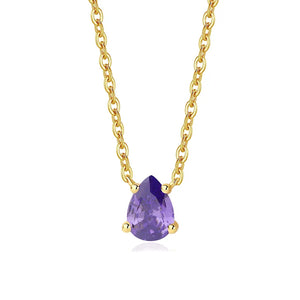
Shop the June Birthstone Necklace
925 sterling silver infinity pendant, rhodium plated, with a simulated alexandrite pavé in June’s signature lavender-purple — nickel-free, 16.5" + 2" extender.
Shop the June Birthstone Necklace →Shop AJLuxe September Birthstone Necklace
925 sterling silver infinity pendant, rhodium plated, set with blue cubic zirconia colored to read as sapphire — nickel-free, $59.99.
Shop the September Birthstone Necklace →Shop the November Birthstone Necklace
925 sterling silver, left unplated, with a yellow-orange cubic zirconia infinity pendant — disclosed, not sold as genuine topaz or citrine. Nickel-free, $59.99.
Shop the November Necklace →Shop the October Birthstone Necklace
925 sterling silver infinity pendant, rhodium plated, with pink cubic zirconia colored to read as pink tourmaline — nickel-free, 16.5" + 2" extender.
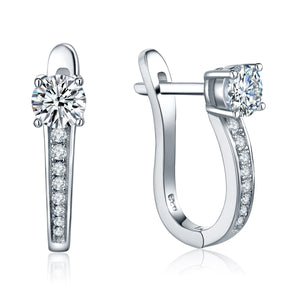
Shop the October Birthstone Necklace →Shop AJLuxe Silver Micro Pavé CZ Huggie Hoops
925 sterling silver, rhodium plated, with a row of micro-pavé CZ across the front arc — nickel-free, snap-hinge closure, sits close to the lobe.
Shop the Micro Pavé CZ Huggie Hoops →Frequently Asked Questions
Does sterling silver tarnish quickly?
It depends on how you store and wear it. Sterling silver stored in open air with regular exposure to humidity and chemicals can tarnish visibly within 2–4 weeks. Sterling silver stored properly in anti-tarnish bags and worn regularly can stay bright for 6–12 months between cleanings. The difference is almost entirely in how you care for it.
How do you keep sterling silver from tarnishing?
Store in airtight anti-tarnish bags, wipe with a polishing cloth after each wear, keep away from water and perfume, and don't let pieces touch rubber or other metals. Wearing your silver regularly actually helps — friction from movement gently polishes the surface and removes early-stage tarnish before it builds.
Is it safe to wear tarnished sterling silver?
Yes — tarnish is cosmetic. It doesn't indicate the silver has become harmful to wear. The tarnished surface is copper sulfide, which is stable and non-toxic. However, people with highly sensitive skin may experience mild irritation from heavily tarnished silver. Clean the piece before wearing if you have sensitive skin.
Can you reverse sterling silver tarnish?
Yes — tarnish is completely reversible. Light tarnish comes off with a polishing cloth in a few minutes. Moderate tarnish responds to baking soda paste. Heavy tarnish responds to the aluminum foil + baking soda hot water method or commercial silver cleaners. Professional cleaning handles the worst cases.
Does rhodium-plated sterling silver tarnish?
Not immediately — rhodium plating protects the silver surface from contact with air and skin, which prevents tarnish. However, rhodium plating wears off over time (typically 1–3 years depending on wear intensity). Once it wears through, the underlying sterling silver will tarnish normally. The piece can be re-rhodium-plated at a jeweler.
Does sterling silver tarnish faster in water?
Yes. Water itself doesn't cause tarnish, but the minerals, chlorine, and dissolved compounds in tap water accelerate the tarnishing reaction. Salt water and pool water are particularly aggressive. Remove sterling silver before swimming, showering, or doing dishes to significantly slow tarnish.
Why is my sterling silver turning black instead of yellow?
Black tarnish means the sulfide layer has built up significantly — this happens when silver is exposed to high-sulfur environments (like certain skin types, rubber contact, eggs, or air pollution) or left untreated for a long time. It cleans up the same way as regular tarnish but may require a stronger cleaning method like the aluminum foil technique or commercial silver cleaner. If your jewelry has gone noticeably dark, our full guide on why sterling silver jewelry turns black walks through the causes and fixes in detail.
Does wearing sterling silver prevent tarnish?
Yes, counterintuitively. Daily wear provides gentle friction against skin and fabric that polishes the surface and prevents tarnish buildup. Jewelry worn every day stays brighter than jewelry stored in a drawer for months. This is why vintage silver jewelry worn regularly often looks better than new pieces that sat untouched.
Does temperature affect how fast sterling silver tarnishes?
Yes. Higher temperatures accelerate all chemical reactions, including tarnishing. Don't leave sterling silver in hot cars, saunas, or other high-heat environments. Store in a cool, dry place — a room-temperature jewelry box or drawer is ideal.
What is the difference between sterling silver tarnish and oxidized silver?
Tarnish is accidental — it's the result of exposure to sulfur compounds without your intent. Oxidized silver is intentional darkening done by jewelers using a chemical process to add depth and contrast to textured designs. Both create a darker appearance, but oxidized silver is a deliberate finish that's part of the design. Don't clean intentionally oxidized silver with aggressive methods — you'll remove the finish the jeweler created.
Water and humidity are among the main tarnish drivers. For a full breakdown of what happens to sterling silver in the shower — and what to do if it gets wet — see our guide: can you wear sterling silver in the shower.
Understanding the 925 stamp helps you know what you're buying. For the full breakdown: what does 925 mean on jewelry.
Wondering which metals never tarnish at all? Our complete metal-by-metal tarnish resistance guide ranks every common jewelry metal from platinum to copper.
The Bottom Line
Sterling silver tarnishes — that's a fact of the material. But it's completely reversible, easy to prevent with simple habits, and doesn't affect the quality or safety of the jewelry. The difference between silver that looks dull after a month and silver that stays bright for years is storage and cleaning habits, not the quality of the metal.
Store in anti-tarnish bags. Wipe with a polishing cloth after wearing. Keep away from water and chemicals. That's the whole system.
Shopping for your first piece? See our picks for the best sterling silver necklaces.
Shop AJLuxe's 925 sterling silver jewelry — every piece made to last and easy to maintain at home.
Written by the AJLuxe team. Last updated: May 2026. Sources: GIA Silver Guide.
Related reading: see our guide to showering with stainless steel jewelry.
All third-party trademarks, brand names and product names are the property of their respective owners. AJLuxe is not affiliated with, endorsed by, sponsored by, or otherwise connected to any third-party brand referenced in this article. Brand names are used solely for accurate comparative reference, and material descriptions reflect each brand's own published product specifications at the time of writing.
You Might Also Like
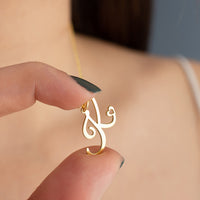
The piece they're describing → Heart Initial Necklace for Women — 18K Gold Plated, Personalized Letter + Heart Pendant
Personalize Yours


