


- Germanium silver swaps some of the copper in sterling for germanium, which is why it tarnishes more slowly.
- Common grades hold 93.5%, 94% or 96% silver, so they meet or beat the 92.5% sterling standard.
- The firescale benefit mainly helps the person making the piece; the tarnish benefit is what the wearer notices.
- Most of the performance claims come from the alloy's developers and suppliers, so expect slower tarnish, not none.
- Look for a 935, 940 or 960 stamp and ask the seller for the alloy name, since you cannot tell it by eye.
You may have seen a listing for tarnish resistant silver that mentions germanium, or a maker who says their sterling will not go dark. It is a real alloy family, and it solves a real problem, but the marketing around it often promises more than the metal can deliver. This guide explains what is in it, how it differs from the 925 sterling described in what 925 means on jewelry, and how to decide whether it is worth looking for. We do not name any trademarked alloy here; the descriptions below apply to the whole class of germanium bearing sterling silver.
What is germanium silver made of?
Germanium silver is mostly silver, with a small amount of germanium and the rest copper. Standard sterling is 92.5% silver and 7.5% other metal, nearly always copper, and the copper is what reacts with sulfur in air to form dark tarnish. In germanium silver, the germanium takes the place of part of that copper. Published patents describe germanium contents from a fraction of one percent up to roughly one percent by weight, depending on the version. Our guide to what an alloy is in jewelry explains why metals are blended in the first place.
| Alloy | Silver content | Other metals | Where you may see it |
|---|---|---|---|
| Fine silver (999) | 99.9% | Almost none | Bars, coins, soft jewelry |
| Germanium silver, 960 grade | About 96% | Copper and germanium | Studio and handmade silver |
| Germanium silver, 935 or 940 grade | 93.5% to 94% | Copper and germanium | Studio and handmade silver |
| Standard sterling (925) | 92.5% | Mostly copper | Most jewelry in shops |
| Coin silver (900) | 90% | Mostly copper | Older coin based pieces |
For the stamps on the lower end of that table, see what 800, 835 and 900 mean on silver jewelry, and for the platinum and palladium reading of a similar number, see what 950 means on jewelry.
How is it different from regular sterling?
The main differences are tarnish, firescale, hardness and cost. A metals supplier chart lists a very white color for these alloys and the makers describe them as brighter than ordinary sterling, but the day to day difference is mostly how long the surface stays clean.
| Feature | Standard 925 sterling | Germanium silver |
|---|---|---|
| Silver content | 92.5% | 93.5% to 96%, depending on grade |
| Tarnish | Darkens with sulfur and humidity | Slower to darken, not immune |
| Firescale when soldered | Common, needs extra finishing | Reported to be avoided |
| Hardness | Hardens as it is worked | Softer as cast, can be heat hardened |
| Typical price | Lower | Tends to be higher |
| Availability | Almost everywhere | Mostly handmade and studio jewelry |
Does germanium silver really not tarnish?
It tarnishes, but more slowly than standard sterling. Makers and suppliers describe a thin, stable germanium oxide layer on the surface that slows the reaction with sulfur, and laboratory studies using sulfur vapor have been used to compare these alloys. Most of the research comes from the people who developed the alloy, so the strongest claims are manufacturer claims. Heavy exposure to sulfur rich air, some rubber, wool or certain foods can still discolor any silver alloy eventually. If your main worry is black spots on a sterling ring, read why sterling silver turns black and does sterling silver tarnish before paying extra for a different alloy.
What is firescale and does it matter to a wearer?
Firescale is a dull grey or purplish stain that appears just below the surface of sterling when a maker heats it for soldering or casting. It happens because the copper in the alloy oxidizes at high temperature. Germanium silver is reported to resist it, which saves a maker polishing time and removes a reason to plate over flaws. For the person wearing the piece, this is an indirect benefit: it matters at the bench, not on your finger, so the tarnish behavior is the part to judge.
Is germanium silver still sterling, and how is it stamped?
Yes, because the usual grades contain at least 92.5% silver, they meet the sterling standard in places that use a 925 minimum. Suppliers and reference sources say the 935, 940 and 960 grades exceed the sterling hallmarking requirement, and that the 960 grade meets the older British Britannia standard of 95.84% silver. In the United Kingdom they are marked 935 or 960 instead of 925. In the United States a piece is often just stamped as sterling or with the fineness number, so ask the seller for the alloy name if it matters. Our jewelry hallmarks guide covers how marks work in general.
Is it softer or harder than sterling?
As cast or annealed, these alloys are generally a little softer, and they can be heat hardened. A supplier chart lists as-cast hardness of roughly 52 to 68 on the Vickers scale for several of them, and says a simple heat treatment of about two hours can add up to about 30 points. A jeweler reference notes that the metal work hardens more slowly, which helps when a piece needs a lot of forming but is a drawback for springy parts such as clasps and ear wires. In practice a well made piece wears fine, but it is worth asking the maker how it was hardened.
Is germanium silver hypoallergenic?
It is not certified hypoallergenic, and we cannot promise it is right for everyone. It has less copper than standard sterling, but it still contains copper and the exact recipe varies between suppliers. People with metal allergies should ask for the full composition and talk to a doctor, since this is general information and not medical advice. Our guide to whether sterling silver is hypoallergenic explains where reactions to silver jewelry usually come from.
How do I tell if a piece is germanium silver before buying?
You cannot tell by eye, because the alloy looks like very white silver, so the seller must tell you. Use this checklist, and see how to tell if silver is real for general checks.
- Look for the stamp. A 935, 940 or 960 fineness mark, not only 925, is the clearest clue.
- Ask for the alloy name. A maker using it will usually say so and describe the grade.
- Compare the claim with the price. A bargain piece promising "never tarnishes" silver should raise questions.
- Check the clasp and findings. Springy parts may be made of a different or hardened alloy.
- Read the care advice. Honest sellers still recommend dry storage and gentle cleaning.
How should I care for germanium silver?
Care is the same as for sterling, just with a slower tarnish clock. Keep it dry, store it in a sealed pouch with an anti tarnish strip (see anti tarnish strips), and wipe it with a soft cloth after wear. Our guides to how to prevent jewelry tarnish, how to clean sterling silver and silver tarnish removal apply directly.
What other ways reduce tarnish on silver?
There are three common routes. Some makers add palladium, zinc or silica to sterling to slow tarnish, and rhodium plating puts a hard, white barrier over the silver. Each has trade offs: plating wears off with time, and added metals change how the piece behaves. Compare them in rhodium plated vs sterling silver, silver plated vs sterling silver and our overview of tarnish resistant jewelry. How long ordinary sterling lasts with sensible care is covered in how long sterling silver lasts.
Is germanium silver worth paying more for?
It is worth it if you will wear one piece daily and hate polishing, or if you are a maker who does a lot of soldering. For occasional wear, standard sterling that you store well may be enough, and it is easier to find. Weigh the higher price against how you actually use the piece. The broader trade off between sterling and its neighbors is in sterling silver vs 925 silver and 925 vs 999 silver, and whether 925 sterling is good quality covers what makes a piece well made regardless of alloy.
An honest note on what we do
We do not sell germanium bearing silver. The silver pieces we highlight here are standard 925 sterling silver, and some of our gold look pieces are 925 sterling silver with gold plating on top, which wears gradually with daily wear. Every product page names the base metal of the exact item, and we do not call any piece tarnish proof. If you want sterling you can wear every day, try our 925 sterling silver CZ stud earrings, the birthstone stud earrings in sterling silver or the minimalist huggie earrings in gold plated 925 sterling silver, or browse stud earrings. US orders ship free and returns are free.
More in this guide
Related reading: tarnish resistant jewelry explained, sterling silver vs 925 silver, how long will sterling silver last, rhodium plated vs sterling silver and is 925 sterling silver good quality.
Frequently Asked Questions
What is germanium silver?
It is a modern sterling alloy where germanium replaces some of the copper. It holds 93.5% to 96% silver and tarnishes more slowly than standard 925.
Is germanium silver real sterling silver?
Yes. The usual grades contain at least 92.5% silver, so they meet the sterling standard in places that use a 925 minimum, and the 935 and 960 grades exceed it.
Does germanium silver tarnish?
Yes, but more slowly than regular sterling. It is not tarnish proof, and sulfur rich air or some materials can still darken it over time.
How much silver is in germanium silver?
Common grades are 93.5%, 94% and 96% silver. The rest is copper and a small amount of germanium.
Is germanium silver better than regular sterling?
It depends on what you value. It tarnishes more slowly and avoids firescale, but it tends to cost more, is softer as cast and is harder to find.
Is germanium silver hypoallergenic?
Not certified. It has less copper than standard sterling but still contains copper, so people with metal allergies should ask for the full composition and talk to a doctor.
How can I tell if my silver contains germanium?
You usually cannot by eye. Look for a 935, 940 or 960 stamp and ask the seller for the alloy name, or have a jeweler test the piece.
Does AJLuxe sell germanium silver?
No. The silver pieces we highlight are standard 925 sterling silver, and some are gold plated on top. Each product page names the base metal of the exact item.
Written by AJLuxe Team. Last updated: October 2026
All third-party trademarks, brand names and product names are the property of their respective owners. AJLuxe is not affiliated with, endorsed by, sponsored by, or otherwise connected to any third-party brand referenced in this article. Brand names are used solely for accurate comparative reference, and material descriptions reflect each brand's own published product specifications at the time of writing.
You Might Also Like
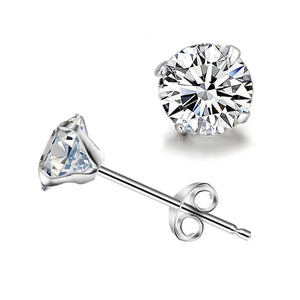
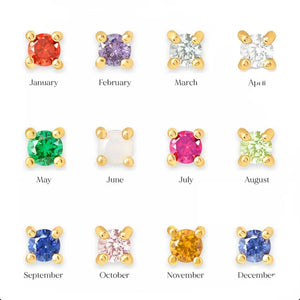
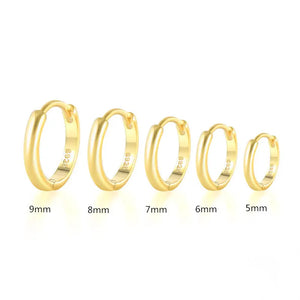
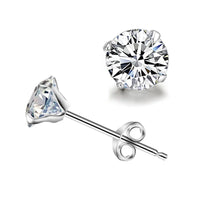
The piece they're describing → CZ Stud Earrings for Women — 925 Sterling Silver, Cubic Zirconia, Hypoallergenic
Personalize Yours


