


TL;DR: Best Waterproof Jewelry, Honestly
- The best waterproof jewelry is made of metals that do not depend on a coating: solid gold, platinum, titanium and 316L stainless steel. Plated jewelry of any kind is water-resistant at best.
- Every AJLuxe anklet and bracelet in this guide is 18K gold plated. Their product pages describe them as water-resistant, not swim-rated, so we recommend taking them off for showers, pool laps and hot tubs.
- Splashes, sweat, humidity and a quick beach dip are what a good plated piece is built for. Rinse it in fresh water and dry it afterwards.
- Before you trust any "waterproof" label, ask for the base metal, the plating method and the seller's own water guidance. Our checklist is below.
No jewelry is truly waterproof the way a dive watch is, and the label "waterproof jewelry" is a marketing term, not a rating. What buyers actually want is jewelry that keeps its color and does not turn skin green after showers, sweat, rain and beach days. Whether a piece manages that depends on two things: the metal underneath and whether the color comes from a thin coating on top.
This guide ranks what survives water, explains what plating can and cannot take, and then shows the anklets and bracelets we sell that people search for under this name, with the water guidance that is written on each product page rather than the guidance we would like to be true. If you want the metal-by-metal reference, our companion waterproof jewelry guide goes deeper.
Our honest note on the word "waterproof": several AJLuxe anklets have "waterproof" or "beach" in their product names. The page for the Waterproof Gold Bracelet says it is water-resistant, not swim-rated: fine for daily humidity, sweat, splashes and a beach dip, then rinse with fresh water and dry it, and take it off for a full swim or shower. Most of our anklet pages give no water rating at all, so we apply that same rule to every plated piece below.
In This Guide
- What "Waterproof Jewelry" Really Means
- Which Materials Survive Water
- Gold Plating, PVD and Rhodium: What Water Does to Them
- Best Waterproof Anklets and Bracelets We Sell, With the Real Specs
- Which One for Which Day
- Waterproof and Anti-Tarnish: Can You Have Both?
- What to Ask Any Seller Before You Trust a Waterproof Claim
- What Wears Jewelry Down Fastest
- Care After Water
- How to Check Jewelry You Already Own
- FAQ
What "Waterproof Jewelry" Really Means
"Waterproof" on a jewelry listing means the seller expects the finish to tolerate regular water contact, but there is no rating printed on a necklace or anklet the way there is on a watch. Two other words are used loosely alongside it. "Water-resistant" is the honest middle ground: a splash, a hand wash or a brief dip will not harm the piece, but sustained soaking, soap and chlorine will wear it faster. "Tarnish-free" or "tarnish-resistant" describes how the metal reacts with air and skin, which is a different question from how it handles a swim.
The practical test is simple. A piece is genuinely waterproof when nothing on it can corrode or peel: the whole piece is one metal that does not corrode, so there is no coating to lose. Everything else sits on a scale from "very water-tolerant" to "keep it dry". See what to take off at the gym for the sweat side of the same question.
Which Materials Survive Water
Solid gold, platinum, titanium and 316L stainless steel survive water best because their color and corrosion resistance run all the way through the metal. Silver and plated pieces survive it less well. Here is the ranking from most to least water-tolerant.
| Material | What water does to it | The catch |
|---|---|---|
| Platinum and solid gold (10K to 24K) | Ordinary water does not corrode or fade it. | Price. Prolonged contact with pool chemicals or bleach can still stress the alloy and solder joints in gold, so rinse after the pool. |
| Titanium | Very corrosion resistant in fresh and salt water. | Limited styles, harder to resize, and color options are usually gray or PVD-coated. |
| 316L stainless steel, uncoated | Stainless steel forms a thin, self-repairing chromium oxide film, and the standard definition starts at 10.5% chromium. Grade 316 resists chloride (salt) better than the more common 304. | Silver-gray color only. Once it carries a gold color, the water question moves to the coating. |
| Gold vermeil | Water-tolerant for everyday use, not for constant submersion. | Under the US FTC Jewelry Guides, vermeil is a sterling silver base with gold of at least 10 karat at least 2.5 microns thick. That is thicker than typical plating but still a layer over silver. |
| Sterling silver (925) | Water does not dissolve it, but moisture, sweat and chlorine speed up tarnish. | Tarnish is surface-level and polishes off, yet it returns faster with wet wear. |
| Gold plated or PVD gold coated over steel or silver | Fine for splashes. Soap, chlorine, salt and friction thin the coating over time. | It is a surface layer. When it wears through, the base metal shows. |
| Plated brass or copper | Least tolerant: once the coating thins, the base can discolor and mark skin green. | Skip it for anything that will get wet. |
We do not sell solid gold, platinum or titanium. If you need jewelry for daily pool laps or ocean swims, those metals are the right answer and we are not the right source. What we sell is plated jewelry, which is what the rest of this guide is honest about.

Gold Plating, PVD and Rhodium: What Water Does to Them
Electroplating and PVD are both thin surface coatings, and PVD is generally the harder of the two, but neither makes a piece swim-proof. Electroplating deposits a thin layer of gold from a bath using an electric current. PVD (physical vapor deposition) is a vacuum process in which the coating material is vaporized and condenses onto the piece as a thin film, and it is widely used for decorative gold-colored finishes on stainless steel. A PVD finish tends to resist scratching and wear better than a basic electroplated one, but it is still measured in microns, and soap, chlorine and friction still wear it.
Here is how that applies to what we sell. Our Double Chain Necklace lists PVD as its plating method, while the anklets and the Waterproof Gold Bracelet list 18K gold electroplating. Neither listing promises it will survive swimming, and we will not promise it for them.
Rhodium, the bright white finish used on much silver-tone jewelry, is a surface layer too. The FTC Jewelry Guides treat a rhodium surface layer on precious metal as something a seller should disclose, which is why our listings name it where it is used. It slows tarnish on silver, but it is not a license to wear a piece in the pool. For the full routine on plated gold, see how to make gold plated jewelry last longer, and for the PVD side, our PVD jewelry guide.
Best Waterproof Anklets and Bracelets We Sell, With the Real Specs
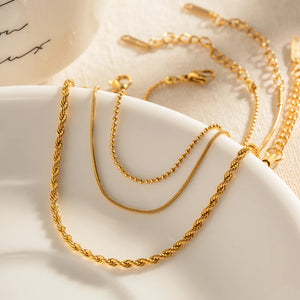
The best waterproof anklets and bracelets for beach and summer wear are simple, continuous chains in 18K gold plating, because fewer joints, stones and moving parts mean fewer places for salt, soap and friction to start wearing the finish. All of the pieces below are in stock at the time of writing. Material details are copied from each product page, and where a page does not say something we say so.
| Piece | Price | Base metal and finish, per the listing | Water guidance on the listing |
|---|---|---|---|
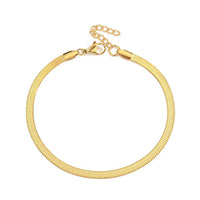
| Gold Serpentine Anklet | $32.99 | 925 sterling silver base, 18K gold electroplated, snake chain, lobster clasp with extender | No rating given |
| Dainty Gold Beach Anklet | $33.99 | 316L stainless steel base, 18K gold electroplated | No rating given |
| Gold Bead Chain Anklet | $33.99 | 925 sterling silver base, 18K gold electroplated, bead chain | No rating given |
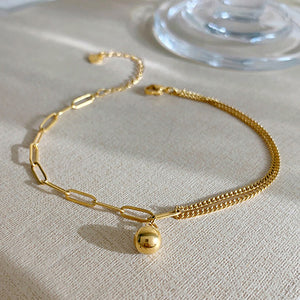
| Ball Pendant Anklet | $33.99 | 925 sterling silver base, 18K gold electroplated, small ball pendant | No rating given |
| Double Layer Anklet | $34.99 | 925 sterling silver base, 18K gold electroplated, layered chain | No rating given |
| Waterproof Gold Bracelet (also wears as an anklet) | From $31.99 | Jewelry-grade base alloy, 18K gold electroplated, snake or rope chain styles | Water-resistant, not swim-rated. Remove for a full swim or shower |
Two things the table shows that a product name will not. First, the bracelet is the only one of these that states its water limit in plain words, and that limit is the rule we apply to all of them. Second, the base metal differs between pieces, so if you are choosing between two similar anklets and base metal matters to you, read the listing for the exact piece.

Which One for Which Day
Beach day: splashes and a quick dip
For a beach day, pick a continuous chain with no dangling parts, such as the Gold Serpentine Anklet or the Gold Bead Chain Anklet. A snake chain lies flat and has no open links to trap sand or dried salt. Rinse it in fresh water afterwards and dry it before it goes back in the pouch. Sunscreen, lotion and perfume are as hard on plating as water is, so put those on first and the jewelry on last.
Daily wear with careful water habits
For everyday wear, choose a simple, low-profile piece and take it off before the shower, because soap film and hot water are what slowly dull plating. The Dainty Gold Beach Anklet has the simplest silhouette and lists a 316L stainless steel base, which matters if the plating eventually thins. The Waterproof Gold Bracelet works on a wrist or an ankle and is the one with the clearest written guidance.
Layered or detailed looks
If you want more going on, the Double Layer Anklet and the Ball Pendant Anklet add visual interest, but more chain and more joints means more friction points, so they suit dry-land days better than beach days. Both are still described as plated pieces, so the same take-it-off rule applies.
Pool laps, hot tubs and ocean swims
Take plated jewelry off. This is the line where our advice differs from many roundups: for sustained swimming, wear nothing plated, and choose uncoated 316L steel, titanium or solid gold instead. For a deeper look at showers specifically, see whether you can shower with gold plated jewelry, with stainless steel, and with sterling silver.
Waterproof and Anti-Tarnish: Can You Have Both?
You can get close to both with a corrosion-resistant base such as 316L stainless steel, because it does not tarnish the way silver does and does not rust the way iron does, but any gold color on top is still a coating that can wear. Tarnish is a reaction of silver with sulfur compounds in air and skin products. It shows up fastest on sterling silver and on plating that has worn thin over silver.
If you want one metal that stays the same color no matter what, uncoated stainless steel, titanium, platinum and solid gold are the answer. If you want gold color at an affordable price, accept that the finish is a layer and manage it: keep it dry when you can, rinse it when you cannot, store it separately in a pouch, and avoid ultrasonic cleaners and chemical dips. "Tarnish-free" on a plated listing is best read as "slow to tarnish with care".
What to Ask Any Seller Before You Trust a Waterproof Claim
Ask four questions: what is the base metal, how is the color applied, what does the seller's own page say about showers and swimming, and what is the return window if the finish fails. If a listing says "waterproof" and cannot answer all four, treat the word as decoration. This applies to every brand, including us.
- Base metal named? "316L stainless steel", "925 sterling silver" or "titanium" is a statement you can check. "Alloy" or "premium metal" is not.
- Coating method named? Electroplated, PVD, vermeil and solid are different things. A seller who knows its product says which.
- Water guidance written down? Look for a care section that says what to do around showers, pools and hot tubs. A "waterproof" title with a "remove before swimming" care note is contradicting itself.
- Hallmarks and disclosure? Silver should say 925 or sterling, and the FTC Jewelry Guides do not allow "sterling" for anything under 925 parts per thousand silver. A rhodium or other surface layer should be disclosed.
- Return window? Ours is 30 days from delivery for unworn items in original packaging, and the customer pays the return label. Personalized items are final sale. Details are on the return and exchange page.
What Wears Jewelry Down Fastest
Hot tubs, chlorine, saltwater left to dry, sunscreen and rubbing while wet wear plated jewelry down fastest. The order below is a practical one rather than a lab ranking.
- Hot tubs: heat, strong chemicals and long soaking together are the hardest case for any finish. Take everything off.
- Chlorinated pools: chlorine is an oxidizer and can dull plating and tarnish silver faster, especially with repeated long exposures.
- Saltwater that dries on the piece: dried salt crystals are mildly abrasive and keep the surface damp. Rinse with fresh water.
- Sunscreen, perfume, lotion and hairspray: not water, but often applied right before it, and their chemicals dull plating faster than plain water does.
- Friction while wet: sand, gym equipment and fabric scratch wet metal more easily.
Care After Water
The single most useful habit is to rinse jewelry with plain fresh water after chlorine or salt, then pat it fully dry. A short routine extends the life of plated and silver pieces:
- Rinse with fresh water as soon as practical after chlorine or saltwater, then pat dry with a soft cloth.
- Let it dry completely before it goes into a pouch or box, because trapped moisture speeds tarnish.
- Apply sunscreen, lotion and perfume before putting jewelry on.
- Store pieces separately in a soft pouch so chains do not scratch each other.
- Clean with a soft cloth and a little mild soap. Skip ultrasonic cleaners and chemical dips on any plated piece.
- Take it off for hot tubs, every time, whatever the label says.
How to Check Jewelry You Already Own
You can learn a lot about a piece you already own from its hallmark, a magnet and the wear at high-friction points, though no single test is conclusive. Run all three before you decide it can go near water.
- Look for a stamp. "925" means sterling silver, "316L" means stainless steel, "Ti" means titanium, and "585" or "750" mean 14K or 18K gold. No stamp often means unmarked base metal, which is the category least likely to hold up in water.
- Use a magnet. Titanium and most 316L stainless steel are non-magnetic or only weakly magnetic, so a piece sold as one of those that sticks firmly to a magnet is suspect. A magnet tells you nothing about silver, gold, brass or copper, which are all non-magnetic.
- Check the wear points. On a plated piece, a different-colored metal showing through near the clasp or on the inside of a band means the coating is already gone there.
If a piece fails more than one check, treat it as dry-wear only.
FAQ
Is waterproof jewelry actually waterproof?
Not in the sense of a rating. "Waterproof" on jewelry is a marketing term, and the only pieces that truly ignore water are solid metals that do not corrode, such as platinum, solid gold, titanium and 316L stainless steel. Anything with a gold-colored coating is water-resistant at best, because the coating can wear in soap, chlorine and salt.
What jewelry can I wear in the pool?
Uncoated 316L stainless steel, titanium, platinum and solid gold are the safest choices, and rinsing with fresh water afterwards is still wise. Plated jewelry, including every gold plated piece we sell, should come off for pool laps because chlorine thins plating over time.
What kind of jewelry is waterproof and sweatproof?
Jewelry made entirely of one corrosion-resistant metal is both: 316L stainless steel, titanium, platinum and solid gold. Plated pieces handle light sweat and humidity, but heavy daily sweat plus friction wears the coating faster, so wipe them clean and dry after workouts.
Does water ruin 14k gold?
No. Solid 14K gold does not rust or fade in ordinary water. Long exposure to pool chemicals or bleach can stress the alloy and solder joints over time, so rinse it after the pool. Gold plated or gold filled pieces are different, because they carry a gold layer that can wear.
Can I shower with gold plated jewelry?
You can, but it shortens the life of the plating, so we recommend taking plated jewelry off first. Soap film and hot water dull the finish over weeks, which is why our product pages ask you to remove jewelry before showering. A one-off shower will not ruin a piece, but a daily habit will show.
Does chlorine ruin gold plated jewelry?
Repeated chlorine exposure thins gold plating and speeds tarnish on any silver underneath. A single short exposure followed by a fresh-water rinse is far gentler than long or repeated pool sessions, but removing plated jewelry before swimming is the reliable answer.
Is sterling silver waterproof?
Sterling silver will not dissolve or rust in water, but moisture, sweat and chlorine speed up tarnish, and plating or rhodium over silver can wear. It is water-tolerant for everyday life, not something to leave on for swimming. Tarnish is on the surface and can be polished off.
What is the difference between waterproof and water-resistant jewelry?
Water-resistant means a piece handles splashes, sweat and brief contact without harm. Waterproof, as sellers use it, implies it can take sustained exposure such as showers and swims. Neither word comes with an official jewelry rating, so the useful information is the base metal, how the color is applied and what the seller says about water.
Are AJLuxe waterproof anklets and bracelets safe to swim in?
No. Our anklets and the Waterproof Gold Bracelet are 18K gold plated. The bracelet's product page describes it as water-resistant and not swim-rated, and we recommend removing every plated piece for showers, pool laps and hot tubs. They are designed for daily humidity, sweat, splashes and a beach dip, followed by a fresh-water rinse.
How do I know if jewelry is really waterproof or just marketed that way?
Check the listing for a named base metal, a named coating method and written water guidance, and see whether the care section agrees with the title. "Waterproof" with no metal named, or with "avoid water" in the care notes, is a warning sign.
Final Thoughts
The best waterproof jewelry is jewelry that does not rely on a coating, and the best plated jewelry is the kind whose seller tells you exactly how far to trust it. For beach days and everyday summer wear, a simple chain like the Gold Serpentine Anklet or the Waterproof Gold Bracelet does the job if you rinse it and dry it. For serious swimming, wear solid metal. For the full metal comparison, read our waterproof jewelry guide.
Shop This Guide
Gold Serpentine Anklet, $32.99. 18K gold electroplated snake chain with an extender chain, listed on a 925 sterling silver base.
Also featured: Dainty Gold Beach Anklet · Gold Bead Chain Anklet · Ball Pendant Anklet · Double Layer Anklet · Waterproof Gold Bracelet
Browse every style in our anklets collection. Shipping details are on the shipping policy page and returns on the return and exchange page.
Written by the AJLuxe team. We sell jewelry, so this is not an independent ranking. Last updated: September 2026.
Sources: FTC Jewelry Guides, 16 CFR 23.4 (vermeil), 16 CFR 23.5 (silver content), 16 CFR 23.7 (rhodium disclosure), stainless steel overview, physical vapor deposition overview.
All third-party trademarks, brand names and product names are the property of their respective owners. AJLuxe is not affiliated with, endorsed by, sponsored by, or otherwise connected to any third-party brand referenced in this article. Brand names are used solely for accurate comparative reference, and material descriptions reflect each brand's own published product specifications at the time of writing.
You Might Also Like
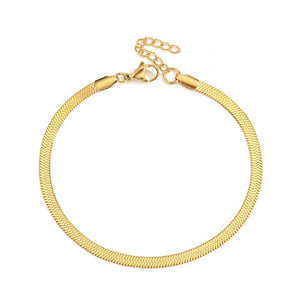
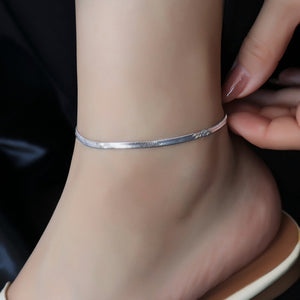
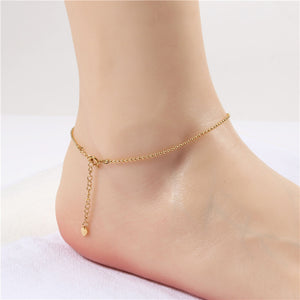
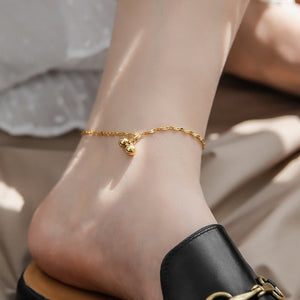
The piece they're describing → Gold Serpentine Anklet for Women — 18K Gold Plated, Snake Chain, Adjustable
Personalize Yours


