


Quick Picks: The Best Earring Material for Your Situation
- Very sensitive ears or a nickel allergy: implant grade titanium, niobium, or platinum. Tell the seller or piercer about the allergy, and ask a doctor for advice if you react often (this is general information, not medical advice).
- Mild sensitivity, wanting a classic look: 14K or 18K gold, or 925 sterling silver.
- Tight budget and tough wear: 316L stainless steel, if you have no known nickel sensitivity.
- Gold look at a lower price: gold vermeil or gold filled, once you confirm what the base metal is.
- Everyday and sleep wear: titanium, gold, or a flat back stud with a titanium or gold post.
- Fresh piercing: the metal your piercer uses, and nothing else until they say it is healed.
Earring Materials Compared: Nickel, Durability, Price, and Who Each Suits
This table answers the question most searches are really asking: which earring metal is safest for me, and which lasts longest. Price level runs from $ (lowest) to $$$$ (highest) and is a general guide, not a quote.
| Material | Nickel status | Durability | Price level | Best for |
|---|---|---|---|---|
| Implant grade titanium | No nickel in the alloy (check the marking) | Strong, light, does not tarnish | $$ | Nickel allergy, new piercings, all day wear |
| Niobium | No nickel | Softer than titanium, scratches more easily, does not tarnish | $$ | Sensitive ears, wearers who like color |
| Platinum | Generally considered hypoallergenic, but ask about the alloy | Very durable, dense, slowly develops a satin patina | $$$$ | Sensitive ears with a big budget |
| 18K and 14K gold | Usually low risk. 18K is 75% gold. Some white gold alloys use nickel, so ask. | Good. Higher karat is softer but does not tarnish. | $$$ to $$$$ | Investment pieces, sensitive ears, long term wear |
| 925 sterling silver | Standard sterling is silver mixed with copper, with no nickel added, but alloy mixes can vary by maker | Soft, can bend or dent, tarnishes but cleans easily | $ to $$ | Most wearers, classic look, moderate budget |
| 316L stainless steel (often sold as surgical steel) | Not nickel free. It contains nickel (often cited as roughly 10 to 14%) held inside the alloy, which most wearers tolerate. | Excellent. Hard, resists bending, rust, and tarnish. | $ | Budget, durability, wearers with no known nickel sensitivity |
| Gold vermeil | Depends on the sterling base, which vermeil requires | The gold layer wears over time | $$ | Gold look, moderate budget, careful wearers |
| Gold filled | Depends on the base, which is often brass. Ask what it is. | Thicker gold layer than plating, still a layer | $$ | Longer lasting gold look without a gold price |
| Gold plated | Depends entirely on the base metal underneath | Thin layer that wears gradually | $ to $$ | Fashion pieces, occasional wear |
| Brass and mystery alloys | Often unknown. Nickel is common in cheap alloys, and so-called nickel silver contains no silver. | Darkens, can turn skin green | $ | Best avoided for sensitive ears |
| Glass, acrylic, and other nonmetal posts | No metal in the post | Glass can break, acrylic can scratch or bend | $ to $$ | Healed piercings and metal sensitivity. Ask a piercer about new piercings. |
Why the Post and Back Matter More Than the Front
The metal that touches your piercing is the post and the back, so that is the metal that decides whether you react, and the decorative front matters much less. A gold plated front on a brass post is a worse choice for sensitive ears than a plain titanium stud. Before you buy, look for the post material in the product description, not only the headline material. See types of earring backs and best flat back earrings for comfort and fit.
Plated posts are the most common trouble spot. Posts rub against the piercing with every wear, so the coating thins there first, and then the base metal touches skin. A solid post (titanium, gold, or sterling silver) removes that risk.
What Does Hypoallergenic Actually Mean for Earrings?
Hypoallergenic means "less likely to cause an allergic reaction," not "cannot cause one," and for jewelry the term has no single legal or medical definition. Nickel is the most common metal behind jewelry reactions, so the practical question is whether the post and back contain nickel and how much of it can reach your skin. A dermatology association explains that nickel allergy is among the most common causes of contact dermatitis. If your ears are red, itchy, or weepy after wearing earrings, that is worth discussing with a doctor.
Three details help you read a listing:
- Nickel free is a stronger claim than hypoallergenic, and it should name the exact material.
- Low nickel release means some nickel is present but held in the alloy. That describes 316L stainless steel, which is why many people wear it without trouble and why some people with a diagnosed nickel allergy still react.
- Unmarked "surgical steel" is a marketing phrase. Look for a grade such as 316L. A cheaper steel grade can release more nickel.
More background in our nickel free jewelry guide and hypoallergenic metal jewelry.
Titanium: The Safest Everyday Choice for Sensitive Ears
Implant grade titanium is the first choice for sensitive ears because it contains no nickel and is used in medical implants. It is light, strong, and does not tarnish, so it is also the lowest maintenance option. The trade offs are a plainer look, fewer design choices, and a higher price than steel. If you buy it, look for a grade marking on the listing. Details in is titanium jewelry hypoallergenic and titanium vs stainless steel earrings.
Niobium: Nickel Free With Color
Niobium is nickel free and a close cousin of titanium, with the bonus that it can be anodized into colors without paint or dye. It is softer, so it scratches more easily, and it tends to cost a little more because it is less common. Buy from a seller that states the purity, since niobium has no single standard comparable to titanium. See niobium vs titanium earrings.
Gold Karats: 18K, 14K, and What the Numbers Mean
Higher karat gold has more gold and less of the metals mixed in, so 18K (75% gold) is generally gentler on sensitive ears than 14K (about 58%) or 10K (about 42%). Gold does not tarnish, and it is a fine choice if you can afford it. The caution is white gold: some white gold alloys use nickel, so ask about the alloy before buying it for sensitive ears. Gold earrings are also soft enough that thin posts can bend, so a sturdier post helps.
Sterling Silver: The Classic Middle Ground
925 sterling silver is 92.5% silver, usually mixed with copper, and it is the most popular earring metal for people with mild sensitivity. Standard sterling does not have nickel added, but alloy recipes can vary by maker, so it is not a guarantee, and it is best to buy from a seller that stamps and describes the piece. Sterling silver tarnishes, but the tarnish is cosmetic and polishes off. For the full answer, see is sterling silver hypoallergenic.
Stainless Steel (316L): Strong and Affordable, but Not Nickel Free
316L stainless steel is not nickel free, and neither is any other stainless steel. It contains nickel (often cited as roughly 10 to 14%) bound inside the alloy, and most people wear it without problems, which is why it is considered hypoallergenic for most wearers. If you have a diagnosed nickel allergy, or you reacted to steel before, choose titanium, niobium, or gold instead. Stainless steel is hard, does not bend easily, resists rust and tarnish, and is the cheapest durable option on the table. A lower grade such as 304 releases more nickel, so check that the grade is stated. Read is stainless steel jewelry good for more.
Gold Plated, Vermeil, and Gold Filled: Look at the Base Metal
For plated and gold filled earrings, the base metal and the post matter more than the gold on top. Vermeil is gold over a sterling silver base, with the layer commonly cited as at least 2.5 microns. Gold filled has a thicker layer bonded to a base that is often brass. Gold plated is the thinnest, and it can sit on sterling silver, stainless steel, or brass. All three wear down gradually, especially at the post, so for sensitive ears it is worth choosing a version with a sterling silver or stainless base and a solid post. Compare them in gold filled vs gold plated and is gold vermeil hypoallergenic.
Metals to Avoid If Your Ears React
Brass, copper, zinc based alloys, and unmarked "fashion metal" are the earring materials to avoid if your ears react, because they often contain nickel or break down into a green or irritating surface. Nickel plating is the worst case. Signs of a poor fit include green marks on your ears, itching within hours, or a rash around the post. If earrings hurt or irritate your ears, see earrings hurt ears: why and how to fix it.
What Earring Material Is Best for a New Piercing?
Your piercer chooses the starter metal, and implant grade titanium is a common recommendation for initial piercings. This is general information, not medical advice: follow your piercer's aftercare, and ask a doctor if a piercing looks infected or very irritated. Healing time varies by placement, so wait until your piercer says the piercing is healed before switching to fashion earrings. Our guide best earrings for new ear piercings goes into more detail.

Which Earring Materials Last the Longest?
Solid metals last longest, with platinum, titanium, and stainless steel at the top for durability, followed by gold, then sterling silver, and finally plated and gold filled pieces. Solid metals do not have a coating to wear off, so their durability is about bending and scratching. Plated earrings last depending on how you wear them: our own product pages say plating on a sterling base typically holds for about 1 to 3 years of regular wear with care. Care routine for any plated piece: put earrings on after perfume and hairspray, remove them for water and exercise, and wipe them dry. Our how to clean earrings guide covers each material, and what jewelry does not tarnish explains which metals stay bright.
What Our Earrings Are Made Of
These are the materials stated on each product page, so you can compare them with the table above. We describe our sterling pieces as hypoallergenic on their pages, which is a lower claim than nickel free, and no jewelry suits every wearer.
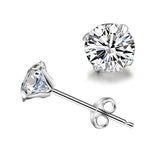
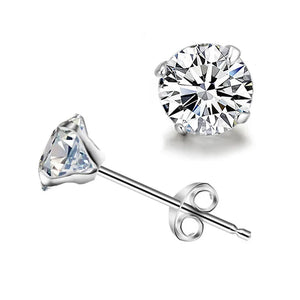
- CZ Stud Earrings ($22.99): a prong set cubic zirconia on a 925 sterling silver post with rhodium plating and a push back. The page notes the post, which touches the piercing, is sterling silver. Five stone sizes from 3mm to 7mm.
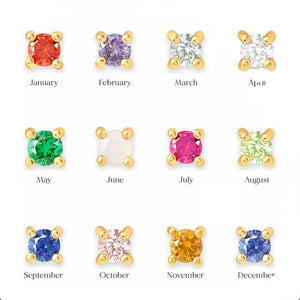
- Birthstone Stud Earrings ($27.99): a 925 sterling silver base with 18K gold plating, with 12 birth month colors and a butterfly back. The page says the plating typically lasts 1 to 3 years with care.
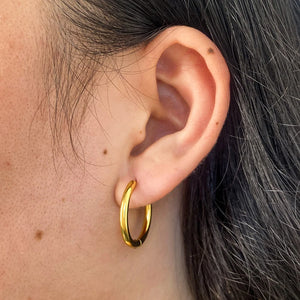
- Small Gold Huggie Hoop Earrings ($23.99): 18K gold plating over 925 sterling silver on a 2.5mm band in three sizes, with a hinged closure and no separate backing to lose.
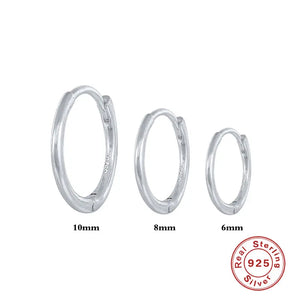
- Thin Silver Huggie Earrings ($26.99): unplated polished 925 sterling silver in 6mm, 8mm, and 10mm sizes with a hinged click pin clasp, so there is no plating to wear off. Stock is limited right now.
Browse the hypoallergenic earrings collection and the huggie earrings, or read best hypoallergenic earrings, best earrings for sensitive ears, and hypoallergenic earrings for pierced ears: what actually works. US orders ship free.
How to Check What Your Earrings Are Really Made Of
- Look for a stamp or grade: "925" for sterling, "316L" for stainless, "Ti" or a titanium grade, and a karat mark for gold.
- Ask for the post and back material, not just the front.
- Ask what the base metal is on anything plated or filled.
- Compare the price to the claim. A titanium or gold pair at a very low price is worth questioning.
- Watch for early signs: green marks, itching, or redness within the first few wears mean the material is wrong for you or mislabeled.
Frequently Asked Questions
What is the best material for earrings?
The best earring material depends on your skin, but implant grade titanium is the safest all round choice because it contains no nickel, is strong, and does not tarnish. Gold, sterling silver, and 316L stainless steel are good alternatives if your ears are not very sensitive.
What is the best metal for earrings if I have sensitive ears?
Implant grade titanium, niobium, and platinum are the best metals for sensitive ears, with 18K gold as another low risk option. Sterling silver works for many people with mild sensitivity. If you react to earrings often, ask a doctor, since this is general information and not medical advice.
Which earring materials last the longest?
Platinum, titanium, and stainless steel last longest because they are hard and have no coating to wear off. Gold lasts a long time but is softer, sterling silver can bend and tarnish, and plated or gold filled earrings last as long as their gold layer does.
Is stainless steel nickel free?
No, stainless steel is not nickel free. Grades such as 316L contain nickel bound inside the alloy, which is why most people tolerate them, but people with a diagnosed nickel allergy can still react and should consider titanium, niobium, or gold instead.
Is sterling silver or titanium better for sensitive ears?
Titanium is the safer choice for very sensitive ears because it contains no nickel, while sterling silver suits many people with mild sensitivity and costs less. Standard sterling is silver and copper without added nickel, but alloy mixes can vary, so titanium is the more certain option.
What are the best materials for stud earrings?
Titanium, 14K or 18K gold, and 925 sterling silver are the best materials for stud earrings, because a stud's post sits in the piercing all day. Pick a solid post in one of these metals, and treat plated studs as a fashion choice with a post that may wear.
Is rhodium hypoallergenic?
Rhodium is generally well tolerated, but on earrings it is only a thin plating, so the base metal underneath is what matters. A rhodium plated sterling silver post is a different choice from a rhodium plated brass post, and the coating wears over time.
Is 304 stainless steel safe for jewelry?
304 stainless steel is a lower grade for jewelry than 316L, and it can release more nickel, so it is a weaker pick for earrings that sit in a piercing. For stainless earrings, look for 316L and a seller that states the grade.
What are the best earrings to wear every day?
The best everyday earrings are small studs or huggies with a solid post in titanium, gold, sterling silver, or 316L stainless steel. Keep them away from perfume and water, wipe them after wear, and choose a secure back. Browse earring backs for fit options.
Written by the AJLuxe team. Last updated: October 2026.
All third-party trademarks, brand names and product names are the property of their respective owners. AJLuxe is not affiliated with, endorsed by, sponsored by, or otherwise connected to any third-party brand referenced in this article. Brand names are used solely for accurate comparative reference, and material descriptions reflect each brand's own published product specifications at the time of writing.
You Might Also Like
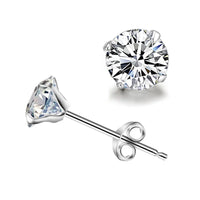
The piece they're describing → CZ Stud Earrings for Women — 925 Sterling Silver, Cubic Zirconia, Hypoallergenic
Personalize Yours


