

- Today, "Tibetan silver" usually means a silver colored base metal alloy, not sterling silver.
- Typical ingredients include copper, tin, nickel and zinc; some pieces are iron with a silver colored coating.
- A lab study of items bought online found most described as Tibetan silver were mainly copper, nickel and zinc.
- Nickel allergy is the main practical concern, and some unknown alloys may contain other metals of concern.
- Genuine old pieces can differ, so a stamp or test beats a name.
The phrase Tibetan silver shows up on beads, pendants, bracelets and boho earrings, usually at a low price. It sounds like a regional form of silver, but in practice it is closer to a category of silver colored alloys than a standard. This guide explains what it usually is, whether it is safe for sensitive skin and how to judge a piece before you buy. If you want a metal comparison first, see our jewelry metal comparison.
What is Tibetan silver made of?
In modern use, Tibetan silver refers to a range of white, non precious alloys such as copper and tin, copper and nickel, and zinc based mixes, and sometimes iron with a silver colored finish. There is no single recipe, which is the core problem: the name does not tell you what is inside. Historically, the term did refer to metal containing silver, and some antique pieces may be mostly silver, so the name is not always wrong, only unreliable. Our guide to alloy jewelry explains why unnamed blends vary so much.
Is Tibetan silver real silver?
Usually not in modern jewelry, and it is impossible to know without a stamp or test. An X-ray fluorescence analysis of items bought online and sold as Tibetan silver found that six of seven were alloys made mainly of copper, nickel and zinc. Sources disagree on whether small amounts of silver are sometimes included, so a careful buyer assumes base metal unless proven otherwise. Real silver jewelry normally carries a mark such as 925; see what 925 means and whether 925 is real silver.
| Claim | What it usually means | How to check |
|---|---|---|
| Tibetan silver | Silver colored alloy, often copper based | Ask for composition, look for a fineness stamp |
| 925 stamp | Sterling silver, 92.5% silver | Jeweler test if the piece matters |
| Silver tone | Color only, no silver content | Read the listing and stamp |
| Silver plated | Thin silver layer on base metal | Wear shows base metal underneath |
| Antique Tibetan or Himalayan silver | May contain real silver | Assay, not the name, settles it |
Is Tibetan silver safe to wear?
For most people it is fine for occasional wear, but it is not a safe choice if you have a nickel allergy, and the lack of a defined recipe is a concern. A general reference on the alloy notes that nickel can cause allergic reactions and that undefined alloys could contain other metals such as lead or arsenic. We cannot confirm what is in any particular piece, so for earrings, piercings or children, choose a metal with a clear name and read our nickel free jewelry guide and jewelry for sensitive skin. This is general information, not medical advice.
What does "white metal" mean on a listing?
White metal is a catch all label for silver colored alloys when the seller does not name the metal. It often covers the same copper, tin, nickel and zinc blends sold as Tibetan silver. If a listing uses it, treat it as a base metal of unknown composition, and ask what the metal is, especially for anything that touches skin for long periods.
Questions worth asking a seller
- What is the exact metal, and is any silver content tested or only claimed?
- Does it contain nickel, lead or cadmium?
- Is there a fineness stamp, and where is it?
- What is the return policy if it irritates skin or tarnishes?
- Is the finish plated, and what is underneath?
A seller who cannot answer these is telling you something about the piece. A reputable one will name the metal plainly.
Will Tibetan silver turn my skin green or tarnish?
It can, because many of these alloys are copper rich. Sweat, lotion and humidity can darken the metal and leave a green or gray mark on skin, which is harmless but annoying. See why jewelry turns skin green for the chemistry, and how to prevent jewelry tarnish for care that helps most metals.
How to judge a Tibetan silver piece before you buy
- Look for a stamp. A fineness mark such as 925 suggests real silver. No stamp means unknown.
- Read the description. Does it say what the metal actually is, or only the marketing name?
- Check the price. A large pendant at a very low price is unlikely to be solid silver.
- Ask about nickel. If you are sensitive, ask directly and keep the return policy handy.
- Match the use. Occasional boho styling is a different job from earrings worn all day.
For more red flags, see how to tell quality jewelry from cheap and how to tell if silver is real.
What to choose instead
If you like the silver look but want a named metal, the main options are sterling silver and stainless steel. Sterling is real silver but softer and prone to tarnish; stainless steel is durable and stable but is not silver. They compare in sterling silver vs stainless steel, and our best sterling silver necklaces guide covers the sterling route.
An honest note on what we do
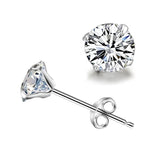
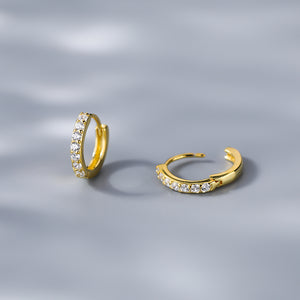
The pieces we highlight here are 925 sterling silver or 316L stainless steel with plating, and each product page names the base metal of the exact item. We do not sell Tibetan silver. Stainless steel contains nickel bound into the alloy, so we say "considered hypoallergenic for most wearers" and never nickel free, and plating wears gradually. Try our 925 sterling silver CZ stud earrings or the Micro Pave Huggie Hoop Earrings, or browse hypoallergenic earrings. US orders ship free and returns are free.
More in this guide
Related reading: what makes jewelry hypoallergenic, mixed metal jewelry guide, how to clean tarnished jewelry, hypoallergenic metal jewelry and does sterling silver tarnish.
Frequently Asked Questions
Is Tibetan silver real silver?
Usually not. Modern pieces sold under the name are mostly silver colored base metal alloys, though some old items can contain real silver.
What is Tibetan silver made of?
There is no single recipe. Common ingredients are copper, tin, nickel and zinc, and some pieces are iron with a silver colored coating.
Is Tibetan silver safe for sensitive ears?
It is a poor choice for nickel sensitive ears, because many versions contain nickel and the exact alloy is unknown. Ask a doctor if you have a known allergy.
Does Tibetan silver tarnish?
It can darken or leave marks because many versions are copper rich. Care and dry storage slow it, but cannot guarantee it will not change.
Does Tibetan silver turn skin green?
It can, particularly with sweat or lotion. The mark is harmless, but it is a sign the metal contains copper.
Is Tibetan silver worth anything?
Modern pieces have little metal value. Genuine antique silver pieces can be worth more, but need a jeweler's assay to know.
How can I tell if my Tibetan silver is real silver?
Look for a 925 or similar fineness stamp and ask a jeweler for an acid or X-ray fluorescence test, which is the only firm answer.
Does AJLuxe sell Tibetan silver?
No. The pieces we highlight are 925 sterling silver or 316L stainless steel with plating, and each product page names the base metal.
Written by AJLuxe Team. Last updated: October 2026
All third-party trademarks, brand names and product names are the property of their respective owners. AJLuxe is not affiliated with, endorsed by, sponsored by, or otherwise connected to any third-party brand referenced in this article. Brand names are used solely for accurate comparative reference, and material descriptions reflect each brand's own published product specifications at the time of writing.
You Might Also Like
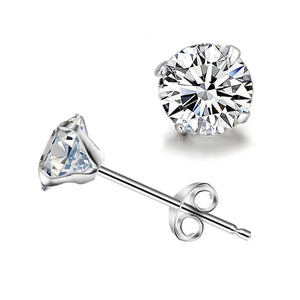
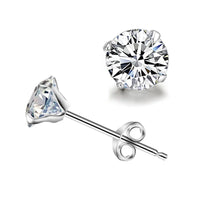
The piece they're describing → CZ Stud Earrings for Women — 925 Sterling Silver, Cubic Zirconia, Hypoallergenic
Personalize Yours


