



Gold plated jewelry gets dirty the same way everything else does — sweat, lotion, dead skin cells, and airborne oils coat the surface and dull the shine. Cleaning it is simple. But the way most people try to clean it — the same way they clean everything else — permanently damages the gold layer. This guide covers exactly how to clean gold plated jewelry without removing the plating, plus a full diagnostic table for whatever specific problem you're dealing with.
Why Gold Plated Jewelry Needs Special Treatment
Gold plated jewelry is not solid gold. It's a base metal — usually 925 sterling silver or brass — with a thin layer of real gold bonded to the surface. That gold layer is typically 0.5–2.5 microns thick. To put that in perspective, a human hair is about 70 microns. The plating is real gold, but it is extremely thin.
Anything abrasive — coarse cloths, scrubbing pads, gritty pastes — physically removes that layer. Anything acidic — vinegar, lemon juice, baking soda paste — chemically reacts with the gold layer and breaks the bond. And anything that creates friction over time, like ultrasonic vibration or hard polishing, wears the plating away from the highest-contact points first.
The good news: gentle cleaning removes buildup without touching the gold layer at all. The trick is understanding what you're cleaning off (oil and debris on top of the gold) versus what you're trying to preserve (the gold itself).
What You Need
You don't need specialty jewelry cleaners. The supplies are almost certainly already in your kitchen and bathroom.
- Mild dish soap — one drop is enough. Dawn, Fairy, or any fragrance-free dish soap works. Avoid anything with added moisturizers, citrus, or "antibacterial" formulas that contain acidic agents.
- Lukewarm water — not hot, not cold. Hot water expands the base metal slightly and can stress the bonding layer. Cold water doesn't fully dissolve the soap or rinse cleanly.
- Soft cloth — a microfibre cloth, a cotton muslin cloth, or a piece of old 100% cotton T-shirt. No synthetic fibres with texture. No paper towels.
- Baby toothbrush or ultra-soft bristle brush — only for pieces with chains, prong settings, or engraving where a cloth can't reach. Baby toothbrushes are softer than standard "soft" toothbrushes.
- A second dry cloth — for patting dry. Don't air dry without patting first — water droplets leave mineral deposits if they evaporate on the surface.
That's it. Everything sold as a "gold jewelry cleaner" is either a version of this formula or contains chemicals that will damage plated jewelry.
How to Clean Gold Plated Jewelry: Step by Step
Five minutes from start to finish. Do this whenever your jewelry looks dull, smells faintly of sweat, or feels slightly sticky.
- Mix your cleaning solution. Fill a small bowl with lukewarm water. Add one small drop of mild dish soap. Stir gently — you want it slightly soapy, not foamy.
- Prepare your tool. Dip your soft cloth or baby toothbrush into the solution. Wring or tap out excess liquid. The cloth should be damp, not dripping.
- Clean the piece. For smooth surfaces like pendants, bangles, and plain bands: hold the piece and wipe in one direction with the damp cloth, applying light pressure. For chains, clasps, and textured surfaces: use the baby toothbrush and work in short, gentle strokes. Spend 20–30 seconds per piece — that's genuinely enough time.
- Rinse. Hold the piece under lukewarm running water for 15–20 seconds. Make sure all soap film is gone — soap residue left on the surface attracts more grime faster. If the piece has a porous stone or glued setting, don't submerge it — rinse with a damp cloth instead.
- Pat dry. Lay the piece on a dry cloth and gently pat — don't rub. Rubbing while drying creates unnecessary friction on the gold layer. Pat until visibly dry.
- Air rest before storing. Leave the piece on the dry cloth for 15 minutes before putting it back in a drawer or pouch. Any residual moisture trapped in clasps or chain links causes oxidation of the base metal underneath, which eventually shows through the gold layer as dark patches.
For heavily worn pieces or chains you wear daily, repeat this process once a week. For occasional-wear pieces, once a month is enough.
Gold Plated Jewelry Problem Diagnostic Table
Different problems have different causes — and different fixes. Here's what you're actually looking at.
| What you see | Cause | Fix |
|---|---|---|
| Dull, flat appearance — no shine | Lotion, oil, and sweat film on surface | Gentle soap-and-water clean. Comes back to full shine in 1 cleaning. |
| Green or dark patches on skin | Base metal oxidizing through thin plating, or reaction with your skin's pH | Clean piece thoroughly. If persists, plating is worn through — time to replate or replace. |
| Dark spots or patches on the jewelry itself | Tarnish on exposed base metal (plating worn away in that spot) | Cannot be reversed at home. Piece needs replating — a local jeweler charges $20–$60 depending on size. |
| White residue or chalky film | Mineral deposits from hard water or dried soap residue | Re-clean with soap and water, rinse thoroughly, pat dry immediately. |
| Sticky or tacky surface | Perfume, hairspray, or sunscreen residue | Soap-and-water clean. Tack fully clears in one session. |
| Gold colour fading to silver or copper tones | Gold layer physically worn away — especially on edges, clasps, high-friction zones | Cannot be fixed at home. Replating required. See why gold plated jewelry tarnishes and how to prevent it. |
| Smell — sweaty or metallic | Sweat and bacteria trapped in chain links, clasps, or textured surfaces | Baby toothbrush clean targeting chain links and clasp mechanism. Air dry completely before storing. |
If cleaning resolves the issue, it was surface buildup. If the problem returns within a day or persists after cleaning, it's a plating issue — no amount of cleaning will fix that.
What NOT to Do — The Most Common Mistakes
These are the methods people try because they work on other jewelry or seem logical. They all cause permanent plating damage.
Toothpaste: Widely recommended online. Completely wrong for gold plated jewelry. Toothpaste contains abrasive particles — silica, calcium carbonate, baking soda — that physically scratch and remove the gold layer. The piece looks shiny immediately after, because the abrasion polishes the surface. Within a few weeks, the plating wears through at the polished points. Don't use it.
Baking soda paste: Same problem as toothpaste. Baking soda is a mild abrasive. It also creates an alkaline chemical environment that reacts with the bond layer between gold and base metal. Skip it.
Vinegar or lemon juice: Both are acids. Acids chemically attack the gold layer and the adhesion layer beneath it. One application won't strip the plating completely — but regular use accelerates wear dramatically. These work fine for solid gold and sterling silver. Not for plated pieces.
Polishing cloths marketed as "jewelry cloths": Most contain embedded polishing compounds or micro-abrasives designed for solid metals. They remove surface oxidation by literally removing a microscopic layer of metal. On solid gold, that's fine. On plated jewelry, you're removing the actual gold finish.
Ultrasonic cleaners: The vibration is intense enough to separate the gold layer from the base metal, especially at edges and corners. They also heat the cleaning solution, which stresses the bonding. Ultrasonic cleaners are for solid precious metal and hardstone jewelry only.
Hot water: Thermal expansion of the base metal creates micro-stress on the bonding layer over time. This compounds with other wear. Always use lukewarm water.
How Often to Clean — by Wear Pattern
| Wear frequency | Cleaning cadence | Quick wipe after each wear? |
|---|---|---|
| Daily wear (same piece every day) | Full clean once a week | Yes — dry cloth wipe before storing |
| Frequent wear (several times a week) | Full clean every 2–3 weeks | Yes — quick dry cloth after use |
| Occasional wear (weekends, events) | Full clean once a month | Recommended but not critical |
| Rarely worn (stored most of the time) | Clean before storing and before wearing | Not needed — focus on storage |
The quick dry-cloth wipe after each wear matters more than most people realize. Sweat left on the surface for 24 hours creates more damage than a full week of regular wear. Sixty seconds before you put it away makes a real difference to how long the piece holds its finish.
Cleaning Chains vs. Solid Pieces
Chains are harder to clean than pendants, bangles, or rings because grime accumulates inside the links where a cloth can't reach. Use the baby toothbrush method for any chain — especially necklaces and bracelets worn daily.
Lay the chain flat on a cloth. Dip the brush and work along the chain in short strokes, turning the chain over to get both sides. Use a toothpick to clear any visible buildup from clasp mechanisms — a clogged clasp stops closing properly and puts stress on the hinge. After rinsing, lay the chain flat and pat dry carefully. Don't hang a chain to dry — the links can stretch slightly under their own weight while the metal is warm and slightly softened from the water.
For stacking rings like those in our stacking rings collection, clean each ring separately. Rings that stack directly against each other create friction zones on both inner and outer edges — these are the first spots where plating wears. Cleaning them individually lets you spot early wear before it progresses.
Cleaning Gold Plated Jewelry with Stones
Stones change the cleaning rules. Some stones react badly to water, soap, or submersion. Know what you have before you dip anything.
Hard, non-porous stones (cubic zirconia, moissanite, lab diamonds, topaz, amethyst): Safe for the soap-and-water method. Avoid prolonged soaking. The stone itself is fine — the risk is water working into the setting and getting trapped under the stone, which can oxidize the base metal from inside.
Porous or organic stones (pearl, opal, turquoise, malachite, emerald): Do not submerge. Do not use soap directly. Use only a dry or barely damp cloth on the metal parts, avoiding the stone entirely. Water absorption damages these stones permanently.
Glued settings: Any stone held with adhesive rather than prong or bezel setting — don't soak. Water weakens adhesive over time. Use a barely damp cloth and avoid the setting joint.
If you're not sure what stone you have, treat it as porous and clean metal-only.
Storage After Cleaning
Cleaning is only half the job. How you store the piece determines how quickly it dirties again — and how long the plating actually lasts.
Gold plated jewelry tarnishes faster when exposed to air. Tarnishing is a chemical reaction between the base metal and oxygen or humidity. The gold layer slows this process but doesn't stop it if the piece is stored loose in a bowl or open dish.
Store each piece individually in a zip-seal pouch, soft fabric envelope, or cloth-lined box with separate compartments. Individual storage also prevents pieces from scratching each other — hard stones and metal-on-metal contact are major causes of surface scratching on the gold layer. If you wear pieces from our gold necklace collection regularly, storing them in individual pouches dramatically extends how long they hold their finish before needing replating.
Silica gel packets inside your jewelry storage area help absorb humidity. This is especially important if you store jewelry in a bathroom — bathrooms have the highest ambient humidity of any room in a home.
See our complete guide on how long gold plated jewelry lasts for the full breakdown of wear factors and replating timelines. And if you want to understand the difference between gold plated, gold filled, and gold vermeil, our guide on what gold vermeil is explains exactly where each type sits in terms of quality and durability.
When Cleaning Isn't Enough — Replating
There is a point past which cleaning does nothing useful. If the gold layer has physically worn through, no cleaning product or method restores it — the base metal is exposed and the only fix is adding new gold.
Signs that a piece needs replating rather than cleaning:
- Dark or silver-grey patches at edges, corners, or clasp contact points that don't clean off
- Consistent skin discoloration that returns within hours of wearing
- Noticeable colour difference between the centre of the piece (still gold) and the edges (worn silver/copper)
Replating at a local jeweler costs $20–$60 for most pieces. The Jewelers of America directory helps you find a certified local jeweler who offers replating services. High-quality replating adds another 1–3 years of wear depending on how the piece is used and stored after.
If a piece has been replated 2–3 times and the base layer is visibly oxidized even freshly plated, it's at end of life. At that stage, replacement is more cost-effective than replating.
Related reading: How to clean costume jewelry.
Related reading: How to clean rose gold jewelry.
Shop the AJLuxe Circle Heart Necklace
925 sterling silver, an open heart linked to a small pave-set ring — 18K gold plated or left unplated, CZ pave, nickel-free.
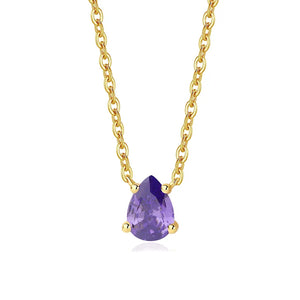
Shop the Circle Heart Necklace →Shop AJLuxe Alexandrite Teardrop Pendant Necklace
925 sterling silver, 18K gold plated, set with a lab-created alexandrite teardrop that genuinely shifts from green in daylight to red-violet under incandescent light — nickel-free, June birthstone.
Shop the Alexandrite Necklace →Frequently Asked Questions
Can I use rubbing alcohol to clean gold plated jewelry?
No. Isopropyl alcohol is a solvent and can strip the finish from gold plated pieces, especially on pieces where lacquer or protective coating has been applied over the plating. It also dries the surface in a way that makes it more susceptible to oxidation immediately afterward. Stick to soap and lukewarm water.
Can I clean gold plated jewelry with hydrogen peroxide?
No. Hydrogen peroxide is an oxidizing agent — it causes the same type of chemical reaction it's meant to fight on organic material, and it accelerates tarnishing on plated jewelry. It's commonly recommended online for jewelry cleaning. It works on solid gold and platinum. It damages plated pieces.
How do I clean gold plated jewelry that has turned black?
Blackening is either surface oxidation (from moisture and air exposure) or exposed base metal. Try the soap-and-water clean first — if the blackness clears, it was surface tarnish on the gold layer. If it doesn't clear or returns within a day, the gold layer has worn away and the base metal is oxidizing. That requires replating, not cleaning. See why gold plated jewelry tarnishes for the full explanation.
Is it safe to clean gold plated jewelry in an ultrasonic cleaner?
No. Ultrasonic cleaners use high-frequency vibration to clean metal, which works well for solid gold and platinum. For plated jewelry, the vibration separates the thin gold layer from the base metal — especially at edges and textured areas. Even a single ultrasonic cleaning session can visibly damage plating.
How do I clean a gold plated chain specifically?
Use a baby toothbrush rather than a cloth. Lay the chain flat on a cloth, dip the brush in your soap-and-water solution, and work along the chain in short strokes, turning it to clean both sides. Pay attention to the clasp mechanism — it accumulates the most buildup. Rinse under lukewarm water, pat flat to dry, and let it air rest before storing. Never hang a chain to dry — the links can stretch under their own weight while warm.
Can I shower with gold plated jewelry on?
Occasional exposure is unlikely to cause immediate damage, but regular showering accelerates plating wear significantly. Hot water, shampoo, conditioner, and body wash all contact the piece during a typical shower. Over weeks, this strips the gold layer faster than almost any other habit. The rule is: take it off before showering and put it on after. The American Academy of Dermatology also notes that many skin care ingredients — including retinoids and acids in some cleansers — react with metal jewelry and can cause skin irritation through the disrupted plating.
Does cleaning gold plated jewelry remove the plating?
Not if you use the method described in this guide. Soap and water with a soft cloth or baby toothbrush removes surface buildup without touching the gold layer. The methods that remove plating are: abrasives (toothpaste, baking soda, scrubbing pads), acids (vinegar, lemon juice), solvents (alcohol, acetone), and ultrasonic vibration. Gentle soap-and-water cleaning done correctly extends the life of the plating rather than shortening it.
How long does gold plated jewelry last with proper cleaning?
18K gold plated jewelry over 925 sterling silver lasts 2–4 years with daily wear if it's cleaned weekly and stored correctly. Lower-quality plating (under 0.5 microns, typically on brass) lasts 6–12 months regardless of care. High-quality pieces with thicker plating (2+ microns) can last 5+ years with careful wear. Read the complete breakdown in our guide on how long gold plated jewelry lasts.
Final Thoughts
Cleaning gold plated jewelry properly is five minutes of work with things you already own. The challenge isn't the cleaning — it's knowing which methods destroy the plating so you can avoid them. Soap, lukewarm water, and a soft cloth keep your pieces looking new. Toothpaste, ultrasonic cleaners, and polishing cloths undo years of care in one session.
If you wear your pieces daily, build the quick dry-cloth wipe into your routine the same way you build in the dry-cloth wipe on glasses. Sixty seconds after wearing, consistent every time, is worth more to plating longevity than any cleaner you can buy.
Browse our gold plated necklace collection — all pieces are 18K gold over 925 sterling silver, designed to last with the care described in this guide. Once it's clean, see our guide to styling gold jewelry for outfit and layering ideas.
Written by the AJLuxe team — specialists in personalized 18K gold plated sterling silver jewelry. Last updated: May 2026.
All third-party trademarks, brand names and product names are the property of their respective owners. AJLuxe is not affiliated with, endorsed by, sponsored by, or otherwise connected to any third-party brand referenced in this article. Brand names are used solely for accurate comparative reference, and material descriptions reflect each brand's own published product specifications at the time of writing.
You Might Also Like
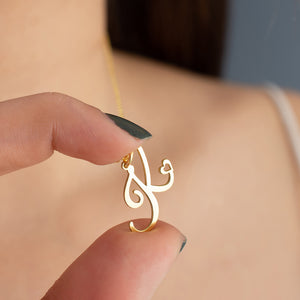
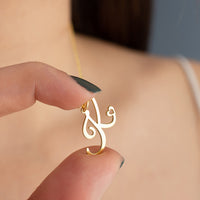
The piece they're describing → Heart Initial Necklace for Women — 18K Gold Plated, Personalized Letter + Heart Pendant
Personalize Yours


