


- Sterling silver is 92.5% silver plus other metals, usually copper. White gold is gold mixed with white metals, then usually rhodium plated.
- White gold is generally harder and holds up better to knocks. Sterling is softer but cheaper and easy to refresh.
- Sterling tarnishes and is polished. White gold does not tarnish the same way, but its rhodium layer wears and is replated by a jeweler.
- Skin: some white gold alloys contain nickel (others use palladium), so check the alloy. Sterling is usually silver and copper. This is general information, ask a doctor about allergies.
- We sell sterling silver (some pieces rhodium plated) and no white gold.
Both metals give the same cool, bright look, which is why people compare them. They are very different underneath, and the right choice depends on budget, how hard you are on your jewelry, and how much upkeep you want. This page sets out the differences without fluff, then tells you plainly what we sell.
What is the difference between sterling silver and white gold?
Sterling silver is an alloy of 92.5% silver and 7.5% other metals, most often copper, while white gold is a gold alloy lightened with white metals such as palladium, silver, nickel or manganese. Gold alloys are named by karat: 14K is about 58% gold and 18K is 75%. Because even bleached gold alloys keep a slightly warm tint, white gold is usually finished with a thin rhodium plate to get a bright white look. Sterling needs no coating, since silver is already white. For more on the plating itself, read what rhodium plating is and whether white gold is real gold.
Sterling silver vs white gold at a glance
| Factor | Sterling silver (925) | White gold (14K or 18K) |
|---|---|---|
| Made of | 92.5% silver, usually with copper | Gold alloyed with white metals, often rhodium plated |
| Price level | Low to moderate | High, moves with the gold price |
| Hardness | Softer, scratches and bends more easily | Generally harder, better for daily rings |
| Tarnish | Darkens with air, moisture and sulfur; polishes off | Gold itself does not tarnish |
| Upkeep | Cloth polish and dry storage | Rhodium replating by a jeweler when it wears |
| Skin considerations | Silver and copper; no nickel by standard recipe | Depends on alloy: can contain nickel or palladium |
| Resale value | Modest | Holds value because of the gold content |
Which looks whiter: sterling silver or white gold?
Freshly rhodium plated white gold looks very bright and slightly cooler, while polished sterling silver is a soft, warm white that is easy to tell apart side by side. Over time the two change in different ways: sterling can darken from tarnish, and white gold can drift toward a warmer or grayish tone as the rhodium wears. If you are matching a piece to another one, compare them in daylight rather than under shop lights. Our guide to white gold turning yellow shows what that change looks like.
Is white gold harder and longer lasting than sterling silver?
Yes, white gold alloys are generally harder than sterling silver, so they resist dents and bending better, which matters most for rings worn every day. Sterling silver is the softer metal: a thin band or a delicate chain can bend or scratch with rough use. Hardness varies with the exact alloy and how a piece is made, and no single figure applies across all of them, so treat this as a general rule rather than a measurement. White gold also lasts longer in the sense that you can keep it for decades, but its bright finish depends on the rhodium layer, which does not last as long as the metal.
Does sterling silver tarnish and does white gold need replating?
Sterling silver tarnishes and white gold's rhodium finish wears off, so each has a maintenance cost of a different kind. Silver darkens as it reacts with sulfur compounds, moisture and air, and a soft polishing cloth removes it, as explained in does sterling silver tarnish and how to clean sterling silver. White gold needs a jeweler to replate the rhodium when it thins; how often depends on wear and body chemistry, and published estimates range widely from months to a few years, so I would not rely on one number. Rhodium plated sterling silver also exists, and it behaves like both: bright white until the plating wears, then it can tarnish like plain sterling. We compare that case in rhodium plated vs sterling silver, and the does rhodium plated tarnish guide covers the wear question.
Is white gold or sterling silver better for sensitive skin?
It depends on the alloy, not the metal name: some white gold contains nickel, a common contact allergen, while others use palladium instead, and sterling silver is normally silver and copper without nickel. Sterling can still bother a small number of people, often through copper or because the piece is not genuine 925. Nickel free white gold exists, so ask the seller for the exact alloy. This is general information and not medical advice, so see a doctor for a diagnosed allergy. Read more in is sterling silver hypoallergenic, is white gold hypoallergenic and nickel free white gold.
Is sterling silver cheaper than white gold, and why?
Yes, sterling silver is much cheaper because silver costs far less per gram than gold, and white gold is priced largely on its gold content. A 14K or 18K piece carries the market value of that gold, so its price moves with it, while a sterling piece has a much smaller metal cost. I am not quoting price ranges here because they change with the gold price and the design. Weight matters too: a heavier piece costs more in either metal. If you want a sense of why gold costs what it does, see why gold is so expensive.
What is white gold plated or sterling silver over gold?
White gold plated means a thin white coating over a different base metal, not a solid white gold piece. It is cheaper than solid white gold and wears down like any plating. Sterling silver over gold, usually called vermeil, is gold layered over sterling for a yellow gold look. Neither is the same as the solid alloys compared on this page, so read the listing for words like solid, plated or vermeil. The pages on gold plated vs solid gold and sterling silver vs gold plated necklace go further.
Worked example: the same shopper, two different purchases
Take someone buying a pair of studs and a daily ring in the same week. For the studs, sterling silver is the sensible pick: earrings take little abrasion, a cloth keeps them bright, and the saving is large. For the ring, the picture changes. A ring touches surfaces, soap and hand lotion all day, so a harder white gold band will keep its shape better, though its rhodium finish will eventually need renewing. If the budget cannot stretch to solid white gold, a sterling ring is still a good option as long as the wearer accepts that it may dull and bend more than gold would, and polishes it now and then. Matching the metal to the type of piece usually matters more than picking a winner in the abstract.
Common mistakes when comparing sterling silver and white gold
- Assuming "white" means silver. Plenty of gold pieces are white, and plenty of plated pieces only look white. Check the stamp and the wording.
- Comparing a plated piece with a solid one. A thin white plating over a base metal is not white gold, however the title reads.
- Expecting white gold to stay perfectly white forever. The rhodium layer is a surface finish that thins with wear.
- Assuming sterling never causes a reaction. It is commonly tolerated, but individual skin varies.
- Cleaning with the wrong product. Abrasive polish helps silver tarnish but can scratch or strip a plated finish.
Which should you choose? A quick decision guide
- Everyday earrings, pendants and fashion pieces on a budget: sterling silver.
- A ring you will wear daily for decades: white gold (or another solid gold or platinum) is the sturdier choice, if the budget allows.
- You hate maintenance appointments: sterling, since a cloth is all it needs; or solid yellow gold, which needs no plating.
- You know you react to nickel: choose an alloy known to be nickel free, in either metal, and ask a doctor.
- You want a gift that looks premium for less: a well made sterling piece, with a clear note on care.
- You want something that holds value: gold, though keep in mind jewelry is not a guaranteed investment.
If you are weighing sterling against other everyday options, see sterling silver vs stainless steel.
How do you tell sterling silver from white gold?
Check the stamp: sterling is marked 925 or S925, while white gold carries a karat mark such as 14K, 585, 18K or 750. A stamp is a clue, not proof, since marks can be faked or mean something else on plated items. See what 925 means, what 585 means, what 750 means and the jewelry hallmarks guide. A jeweler can confirm the metal with testing.
An honest note on our range
AJLuxe sells sterling silver, some of it left plain and some with rhodium or 18K gold plating, and we do not sell white gold. If you want that bright white look at a lower price, sterling is the closest honest match, and plated pieces will wear over time. Examples in stock:
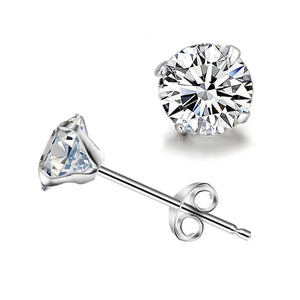
- CZ stud earrings in 925 sterling silver with rhodium plating, from $22.99. The stones are cubic zirconia, not diamond.
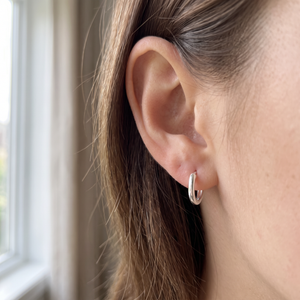
- Silver huggie earrings in plain polished 925 sterling silver with no plating, $34.99.
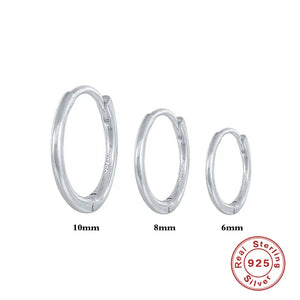
- Thin silver huggies in unplated 925 sterling silver, $26.99.
Browse the hypoallergenic earrings, stud earrings and rings collections. US orders ship free and returns are free.
Frequently Asked Questions
Is sterling silver or white gold better?
Neither wins on every count: sterling silver is better for budget and easy upkeep, and white gold is better for hardness and long term value. Pick by what you will wear and how much you want to spend.
Does white gold last longer than sterling silver?
White gold generally lasts longer structurally because it is harder and does not tarnish like silver. Its bright finish, though, depends on rhodium plating that needs renewing.
Can you wear sterling silver every day?
Yes, many people do, though it is softer than gold and can tarnish, so avoid hard knocks and chemicals and wipe it after wear. Thin rings are the most likely to bend.
Is sterling silver hypoallergenic?
Sterling silver is commonly well tolerated because the standard alloy is silver and copper, not nickel, but no metal suits everyone. See a doctor if you have a diagnosed allergy.
Is white gold hypoallergenic?
Not always: some white gold contains nickel, while palladium alloys do not, so the answer depends on the alloy. Ask for the exact composition.
Can white gold be worn in the shower?
Solid white gold will not corrode in water, but soaps, chlorine and chemicals can wear the rhodium, so removing it protects the finish. The same advice applies to plated sterling.
What is the quick test for silver?
Look for a 925 or S925 stamp first, since silver is not attracted to a magnet and tarnish can be wiped onto a cloth. These are hints only, and a jeweler's test is the reliable answer.
Is sterling silver softer than white gold?
Yes, sterling is generally softer, so it scratches and bends more easily than white gold alloys.
All third-party trademarks, brand names and product names are the property of their respective owners. AJLuxe is not affiliated with, endorsed by, sponsored by, or otherwise connected to any third-party brand referenced in this article. Brand names are used solely for accurate comparative reference, and material descriptions reflect each brand's own published product specifications at the time of writing.
You Might Also Like
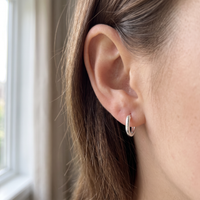
The piece they're describing → Silver Huggie Earrings for Women — 925 Sterling Silver, Hypoallergenic, Minimalist
Personalize Yours


