



If you're choosing between a sterling silver vs gold plated necklace, you're not alone — it's one of the most common jewelry questions out there. Sterling silver and gold plated pieces can look stunning, but they behave very differently over time. The biggest thing to know: sterling silver is a solid metal alloy that ages gracefully with simple polishing, while gold plated jewelry has a thin gold layer over a base metal that can wear off. Here's everything you need to choose the right one for your lifestyle and budget.
What Is Sterling Silver?
Sterling silver is a metal alloy made of 92.5% pure silver and 7.5% other metals — usually copper. That's why you'll see it stamped "925." Pure silver (99.9% fine silver) is too soft for everyday jewelry, so the copper addition adds strength and durability without sacrificing the signature cool, bright luster silver is known for.
Sterling silver has been used in fine jewelry, silverware, and decorative arts for centuries. It sits at about 2.5–3 on the Mohs hardness scale — softer than gold alloys but workable for rings, necklaces, bracelets, and earrings. One natural characteristic: sterling silver tarnishes when exposed to air and sulfur compounds, forming a darker patina over time. This is normal and reversible with a polishing cloth or gentle silver cleaner. Sterling silver is also hypoallergenic for most people, though individuals with copper sensitivities should patch-test first.
What Is Gold Plated?
Gold plated jewelry is made by bonding a thin layer of gold onto a base metal — typically brass, copper, or sterling silver — through an electroplating process. The gold layer is usually between 0.5 and 2.5 microns thick. By contrast, gold-filled and vermeil pieces have much thicker gold layers (at least 10 microns for vermeil over sterling silver).
Gold plating gives you the warm, rich color of gold at a fraction of the price of solid gold. A common upgrade you'll see is 18K gold PVD (Physical Vapor Deposition) plating — a more durable coating method that bonds the gold at a molecular level, making it significantly more resistant to chipping, fading, and moisture than standard electroplating. That said, all gold plated pieces will eventually show wear, especially on high-friction areas like clasps and chain links. Replating costs $30–$100 depending on the piece and jeweler.
Sterling Silver vs Gold Plated: Key Differences
| Property | Sterling Silver | Gold Plated |
|---|---|---|
| Color / Appearance | Bright, cool white-silver tone | Warm yellow-gold tone (color varies by karat) |
| Composition | 92.5% silver + 7.5% copper | Base metal (brass/copper/silver) + thin gold layer |
| Gold Layer Thickness | N/A — solid alloy throughout | 0.5–2.5 microns (standard); 10+ microns (vermeil/PVD) |
| Mohs Hardness | 2.5–3 (silver alloy) | Depends on base metal; gold layer is soft (2.5) |
| Price Range (necklace) | $20–$200 typical; $200+ for designer | $10–$80 typical; $80–$300 for PVD/vermeil |
| Durability / Longevity | Decades with basic care; polishable | 1–3 years before replating; PVD lasts 3–5 years |
| Tarnish / Fade | Tarnishes (reversible); polishes back to bright | Gold layer fades and peels; base metal may show through |
| Hypoallergenic | Generally yes (copper-sensitive individuals may react) | Depends on base metal; nickel bases can cause reactions |
| Resale / Intrinsic Value | Has melt value as silver; recyclable | Minimal intrinsic value (thin gold layer) |
| Stamping / Hallmarks | 925, SS, STERLING | GP, GEP, 18KGP (gold plated); HGE (heavy gold electroplate) |
| Best For | Everyday wear, heirloom pieces, sensitive skin | Trend-forward looks, color matching, lower upfront cost |
| Care Requirements | Polish with silver cloth; store in anti-tarnish bag | Avoid water/sweat/chemicals; remove before showering |
The most important difference between sterling silver and gold plated comes down to what you're getting beneath the surface. Sterling silver is a solid, uniform metal alloy all the way through — there's no "wearing off." If it scratches or tarnishes, you polish it and it's good as new. Gold plated jewelry, on the other hand, has a thin gold coating over a different metal underneath. Once that coating wears through, you're looking at the base metal — often a darker, less attractive color.
Color preference is the other big factor. Sterling silver has a cool, bright white tone that pairs naturally with white gemstones, diamonds, and blue or purple stones. Gold plated delivers that warm, yellow-gold look that complements warmer skin tones and earthy gemstones like citrine, amber, and garnet. If you're building a jewelry wardrobe around a specific color palette, that can drive the decision entirely.
From a long-term cost perspective, sterling silver wins. A solid sterling necklace bought today can still look great in 20 years with minimal investment. A gold plated necklace will need replating every 1–3 years (or 3–5 years with PVD technology), adding $30–$100 per replate to the total cost of ownership.
When to Choose Sterling Silver
- If you wear your necklace every day. Daily wear means constant contact with skin oils, sweat, and friction. Sterling silver handles this far better than standard gold plating — it won't peel, and any tarnish polishes right off in seconds.
- If you have sensitive skin. Sterling silver is one of the most skin-friendly metals available. As long as you don't have a copper sensitivity, it's a safe choice for all-day wear without irritation.
- If you want a piece that lasts for decades. Sterling silver necklaces can be passed down as heirlooms. They hold their structure, can be professionally polished, and are easy to resize or repair at any jeweler.
- If you care about intrinsic value. Sterling silver has a real melt value. It's not an investment vehicle, but it's a real precious metal — unlike a base-metal chain with a thin gold coat.
When to Choose Gold Plated
- If you want the gold look on a budget. Gold plated necklaces give you the warmth and richness of gold at $10–$80 vs $400+ for solid gold. For trend pieces you might rotate out seasonally, that math makes sense.
- If you love warm-toned aesthetics. Gold's warm yellow or rose-gold tones simply suit certain styles — boho, vintage, earthy — better than silver. If your wardrobe pulls warm, go gold plated.
- If you're wearing it for a specific occasion. For event jewelry — a wedding, gala, or photoshoot — gold plated looks stunning and won't see the repeated wear that causes fading. You get the look for a fraction of the investment.
- If you want PVD or vermeil quality. If you opt for 18K gold PVD plating or gold vermeil (10+ micron gold over sterling silver), you get significantly more durability than standard gold plating — a good middle ground before committing to solid gold.
Price Comparison: Sterling Silver vs Gold Plated
| Type | Typical Price Range | Lifespan | Replate Cost |
|---|---|---|---|
| Standard gold plated necklace | $10–$50 | 6–18 months | $30–$60 |
| Heavy gold electroplate (HGE) | $30–$80 | 1–2 years | $40–$80 |
| Gold vermeil (10+ micron over sterling) | $50–$200 | 2–5 years | $50–$100 |
| 18K gold PVD plated | $40–$150 | 3–5 years | $50–$100 |
| Sterling silver necklace | $20–$200 | Decades | ~$0 (polish at home) |
When you factor in replating costs over 10 years, a $40 gold plated necklace replated every 2 years costs you $40 + 4 replates × $50 = $240 total. A comparable sterling silver necklace bought for $60 might cost you $5 in silver polish cloths over the same decade. The long-run math favors sterling silver almost every time.
That said, if you're the type to refresh your jewelry every year or two anyway — swapping out for new styles as trends evolve — gold plated makes perfect sense. You're not paying for longevity you won't use. Gold plated pieces from quality brands like AJLuxe that use 18K PVD coating hit a sweet spot: better durability than standard plating, lower cost than solid gold, and genuinely beautiful results.
Care and Durability
Sterling silver care: Store silver in an anti-tarnish pouch or lined jewelry box to slow oxidation. When tarnish appears — a yellowish or grayish film — use a soft silver polishing cloth for light tarnish, or a dab of silver polish paste for heavier buildup. Rinse with warm water and dry immediately. Avoid chlorine (pools, hot tubs) and rubber, which accelerates tarnishing. Ultrasonic cleaners are generally safe for plain sterling but avoid them with set gemstones. With these basic habits, sterling silver necklaces can look pristine for 20+ years.
Gold plated care: The number one rule: keep gold plated jewelry dry. Remove it before showering, swimming, exercising, or applying lotion and perfume. The gold layer is thin, and moisture combined with friction and chemicals accelerates wear dramatically. Clean with a soft, dry cloth after each wear. Never use abrasive polishes or ultrasonic cleaners — they'll strip the plating. Store separately to prevent scratches. Even with perfect care, standard gold plating lasts 1–3 years before the base metal shows through on high-wear spots. PVD plating and vermeil extend that to 3–5 years with similar care.
If you swim regularly, work with your hands, or forget to remove jewelry before showering, sterling silver is the smarter choice. The tarnish wipes off. Worn-through gold plating requires a trip to a jeweler.
Sterling silver is a solid 92.5% silver alloy (Mohs 2.5–3) that lasts decades with simple polishing and costs $20–$200 for a necklace. Gold plated jewelry has a thin gold layer (0.5–2.5 microns) over a base metal, offering the warm gold look at $10–$80, but requires replating every 1–3 years at $30–$100 per replate. The main differentiator is longevity: sterling silver is a permanent metal alloy you polish, while gold plating is a surface coating that wears off. For everyday wear and sensitive skin, sterling silver wins; for gold-tone aesthetics on a budget, choose gold plated — especially PVD or vermeil grades for better durability.
Related reading: Sterling silver vs white gold.
Related reading: Best Bangle Bracelets for Women (2026): Styles, Sizing & How to Choose.
What Does "Silver Plated" Mean, and How Is It Different From Sterling Silver?
Silver plated jewelry is a base metal — usually brass, copper, or a zinc alloy — coated with a thin layer of pure silver through electroplating, typically 0.5–2 microns thick; it is not the same material as sterling silver, which is a solid 92.5% silver alloy all the way through, not a coating over something else. This is one of the most common points of confusion in jewelry shopping, because both get casually called "silver."
The plating process itself mirrors gold plating: an electric current bonds a microscopically thin layer of silver onto the base metal's surface. That layer looks bright and "silver" on day one, but because it's only skin-deep, it behaves like any plated finish rather than a solid metal. High-friction points — clasps, the inside of rings, chain links — wear through fastest, exposing the base metal underneath. Depending on what that base metal is, the exposed spot can look dull yellow (brass), pinkish (copper), or in some cases trigger a skin reaction if the base contains nickel.
That last point matters if you have sensitive skin. Sterling silver's only common allergen risk is its 7.5% copper content. Silver plated pieces add a second variable: the base metal you can't see. Inexpensive silver plated jewelry is sometimes built on a nickel-containing alloy, and once the thin silver layer wears through, that base metal sits directly against your skin. There's no reliable way to know the base metal by looking — you have to trust the listing or check the hallmark.
| Property | Sterling Silver | Silver Plated |
|---|---|---|
| What it actually is | Solid 92.5% silver alloy, same metal throughout | Base metal (brass/copper/zinc alloy) with a thin silver coating |
| Silver layer thickness | N/A — solid alloy, not a layer | 0.5–2 microns |
| Hallmark / stamp | 925, SS, STERLING | "Silver Plated," "SP," or often no stamp at all |
| What happens with wear | Tarnishes; polishes back to bright indefinitely | Wears through to base metal at friction points; not reversible with polishing |
| Typical lifespan | Decades | Months to a couple of years with regular wear |
| Skin-safety risk | Low (copper-sensitive individuals may react) | Depends entirely on the hidden base metal; nickel bases can cause reactions once exposed |
The quickest way to tell them apart before buying: check the stamp. "925," "SS," or "STERLING" means solid sterling silver. "Silver plated," "SP," or no hallmark at all is your signal it's a coated base metal — worth knowing since the price difference (silver plated pieces are usually the cheapest "silver" jewelry you'll find) reflects that thin coating, not a bargain on the real thing. AJLuxe doesn't sell silver plated pieces — every AJLuxe piece is solid 925 sterling silver, with 18K gold plating used only where the look is meant to be gold, never as a silver substitute.
If you want to see the look in a real piece, AJLuxe's Birthstone Stud Earrings for Women — 925 Sterling Silver, 18K Gold Plated, Mini CZ is a genuine example in 925 sterling silver with 18K gold plating.
Shopping for the silver side of this comparison? See our guide to the best sterling silver necklaces for how to spot real 925 and which chains suit a pendant.
Frequently Asked Questions
Is sterling silver better than gold plated?
Sterling silver is better for durability and long-term value; gold plated is better if you want a warm gold tone at a lower price. Sterling silver is a solid precious metal alloy that lasts decades with basic care, while gold plated pieces have a thin gold coating that wears off in 1–3 years. For everyday wear, sterling silver is the more practical choice. For occasional wear or trend-driven pieces, gold plated delivers the gold aesthetic at a fraction of solid gold's cost.
Will gold plated necklaces turn my skin green?
Yes, gold plated necklaces can turn skin green once the gold layer wears through. When the base metal — often copper or brass — makes contact with your skin, it reacts with sweat and oils to form copper salts, which leave a green tint. This doesn't happen with sterling silver or with gold plated pieces where the coating is still intact. Choosing 18K gold PVD plating or gold vermeil over sterling silver significantly reduces this risk because the coating is thicker and the base metal underneath is silver, not copper or brass.
Does sterling silver tarnish faster than gold plated?
Sterling silver tarnishes, but gold plated doesn't tarnish — it fades and peels instead. Silver oxidizes when exposed to air and sulfur, forming a yellowish or grayish film that polishes off easily. Gold plating doesn't tarnish in the traditional sense, but the gold layer wears away over time, exposing the base metal beneath. Tarnish on sterling silver is cosmetic and reversible; worn-through gold plating requires professional replating.
How long does gold plated jewelry last?
Standard gold plated jewelry lasts 6 months to 3 years depending on the plating thickness, how often you wear it, and how well you care for it. Thicker plating (gold vermeil at 10+ microns) lasts 2–5 years. 18K gold PVD plating lasts 3–5 years with proper care. The factors that shorten plating life fastest are water exposure, sweat, friction, and chemicals like chlorine, perfume, and lotions.
Is gold plated jewelry real gold?
Gold plated jewelry contains real gold, but in a very thin layer — typically 0.5 to 2.5 microns. The gold is genuine (often 14K or 18K), but it's bonded over a base metal using electroplating. Because the gold content by weight is tiny, gold plated pieces have minimal precious metal value. By contrast, gold filled and solid gold pieces have substantially more gold content.
Can I shower with sterling silver jewelry?
You can shower with sterling silver jewelry occasionally without causing major damage, but it's not recommended as a regular habit. Chlorine and hot water accelerate tarnishing, and soap residue can dull the finish. The bigger risk is leaving your piece wet afterward — dry it immediately after any water exposure. For true waterproof jewelry, look for stainless steel or solid gold. You can learn more in our guide to waterproof jewelry.
Which is more hypoallergenic — sterling silver or gold plated?
Sterling silver is generally more hypoallergenic than standard gold plated jewelry. Sterling silver's main allergen risk is its 7.5% copper content. Gold plated pieces over brass or nickel bases can cause reactions in people with nickel or copper allergies — and once the gold layer wears off, you're in direct contact with the base metal. For sensitive skin, choose 925 sterling silver or gold plated over sterling silver (vermeil), and avoid any piece with a nickel base.
How can I tell if a necklace is sterling silver or gold plated?
Look for hallmark stamps — sterling silver is marked "925," "SS," or "STERLING," while gold plated pieces are marked "GP," "GEP," "18KGP," or "HGE." You can also use a jeweler's loupe to inspect wear points like clasps, where the base metal shows through on plated pieces. A silver acid test kit (available at most jewelers) can confirm sterling silver definitively. Our hallmarks guide covers all common jewelry stamps in detail.
Does gold plated jewelry fade quickly?
Gold plating fades faster than most people expect — often within 6–12 months with daily wear and no special care. Friction, sweat, water, and chemicals all accelerate the process. The plating wears fastest at high-contact points: clasp edges, chain links, and the back of pendants. Following care guidelines — keeping pieces dry, storing separately, and avoiding chemicals — can extend plating life to 2–3 years even for standard coatings.
Is gold vermeil better than gold plated?
Yes, gold vermeil is significantly better than standard gold plating. Vermeil is legally required to have at least 10 microns of gold (vs 0.5–2.5 for standard plating) over a sterling silver base. The thicker gold layer lasts longer, and the sterling silver base means you won't get skin-green reactions even when the gold eventually wears. Vermeil costs more than standard gold plated pieces but less than solid gold, making it a smart middle-ground choice for quality jewelry.
What's the difference between gold plated and gold filled?
Gold filled jewelry has a mechanically bonded gold layer that's 5% of the total weight — much thicker than electroplated gold. In gold filled pieces, the gold is pressure-bonded to the base metal at high temperatures, making it far more durable than plated jewelry. Gold filled pieces can last 10–30 years with care and are safe for sensitive skin. They're more expensive than gold plated but far less than solid gold. The GIA's gold jewelry identification resource provides excellent technical detail on these distinctions.
Can you replate a gold plated necklace?
Yes, you can replate a gold plated necklace at most jewelry repair shops, and it's a routine service. The jeweler strips the old plating (or plates over it), then re-electroplates in your choice of gold karat and color — yellow, white, or rose gold. Standard replating costs $30–$60 for a necklace; thicker plating (vermeil quality) runs $60–$100. Plan to replate every 1–3 years with daily wear, or every 3–5 years with occasional wear and careful storage.
Shop at AJLuxe
Decided which one fits you? Shop our 18K Gold PVD Plated Double Row Snake Chain Necklace — advanced PVD coating for lasting color and durability — or browse the sterling silver necklace collection if you're leaning toward silver. Hypoallergenic, gift-ready, 30-day returns on every piece. Explore the full necklace collection.
For a look at how sterling silver compares to another common metal for sensitive skin, see our surgical steel vs sterling silver comparison.
Final Thoughts
Choosing between a sterling silver vs gold plated necklace comes down to three things: how you wear it, what color you love, and how much maintenance you want. If you're the type who puts on a necklace in the morning and forgets about it — showering, working out, living life — sterling silver is your metal. It's durable, it polishes back to bright, and it'll outlast almost any trend. If you want that warm gold glow and don't mind refreshing the plating every few years, gold plated is a smart, affordable choice — especially if you opt for 18K PVD or vermeil quality. For the deeper technical breakdown of coating durability, see our PVD vs gold plated comparison guide.
There's no objectively "better" metal between these two. They serve different purposes and aesthetics. The best necklace is the one you'll actually wear, take care of, and love for years. When in doubt, consider what other metals and tones you already own — the best new piece is usually the one that works seamlessly with what you have.
All third-party trademarks, brand names and product names are the property of their respective owners. AJLuxe is not affiliated with, endorsed by, sponsored by, or otherwise connected to any third-party brand referenced in this article. Brand names are used solely for accurate comparative reference, and material descriptions reflect each brand's own published product specifications at the time of writing.
You Might Also Like
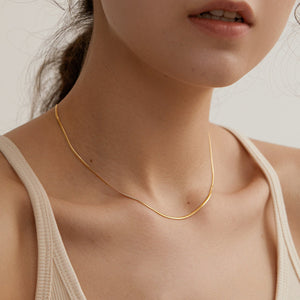
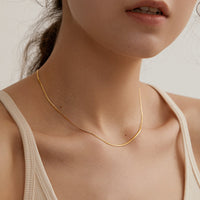
The piece they're describing → Layered Choker Necklace for Women — 18K Gold Plated
Personalize Yours


