


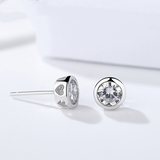
Rhodium-plated vs sterling silver isn't really a comparison between two different metals, it's plain 925 sterling silver versus that same silver with a thin rhodium coating on top. Rhodium plating adds a brighter, mirror-white shine and extra scratch and tarnish resistance, since rhodium itself doesn't tarnish. That layer is thin (0.75 to 2.0 microns) and typically wears through in 1 to 2 years of regular wear, at which point the sterling silver underneath is what you're wearing again. Rhodium plating is hypoallergenic on its own, and since it's usually applied over genuine nickel-free sterling silver, the piece stays safe for sensitive skin even after the plating wears down.

- Rhodium-plated sterling silver is not a different base metal, it's 925 sterling silver with a thin rhodium coating electroplated on top.
- Rhodium adds a brighter, whiter shine and extra tarnish resistance, because rhodium itself doesn't react with sulfur compounds in the air the way silver does.
- The rhodium layer is thin (0.75 to 2.0 microns) and typically wears through in 1 to 2 years of regular wear, faster on rings than on necklaces or earrings.
- Once the rhodium wears off, you're left with plain sterling silver underneath, not a different or lesser metal, just the same silver without the coating.
- Rhodium is inert and hypoallergenic, and genuine nickel-free sterling silver stays safe for sensitive skin even after the plating wears through.
- Rhodium-plated sterling silver is worth the (usually small) price premium for pieces you'll wear often or want to look freshly polished for longer; plain sterling silver is a fine, lower-maintenance choice if you don't mind occasional polishing.
If you're comparing rhodium-plated sterling silver to plain sterling silver, it helps to clear up the framing first: rhodium isn't a competing metal you're choosing instead of silver. It's a finish applied on top of silver (or white gold), the same way a clear coat sits on top of paint. So the real question isn't "which metal is better," it's "is the rhodium coating worth it, and what actually changes once it wears off." This guide covers exactly what rhodium plating does to sterling silver, how long it realistically lasts, whether it changes how hypoallergenic the piece is, and when paying extra for it makes sense.
What Rhodium Plating Actually Does to Sterling Silver
Rhodium is a rare platinum-group metal that gets electroplated onto sterling silver in a thin, even layer, typically 0.75 to 2.0 microns thick, thinner than a human hair. It doesn't change the silver underneath, it sits on top of it. Rhodium plating gives sterling silver three things plain silver doesn't have on its own:
- A brighter, whiter shine. Rhodium is highly reflective and has a cooler, more neutral white tone than silver's natural slightly-warm gray-white cast.
- Extra scratch resistance. Rhodium measures roughly 400 to 550 on the Vickers hardness scale, several times harder than sterling silver's roughly 90 to 95, so it resists surface scratches better while the coating is intact.
- Tarnish resistance. Rhodium itself doesn't tarnish, so as long as the coating is unbroken, it acts as a barrier that keeps air and moisture from reaching the silver (and the copper alloyed into it) underneath.
None of this makes the underlying metal "better" silver, it's still the same 92.5% pure sterling silver alloy either way. Rhodium plating is a finishing step, not a material upgrade to the silver itself.
Rhodium-Plated Sterling Silver vs Plain Sterling Silver: Compared
| Property | Rhodium-Plated Sterling Silver | Plain (Unplated) Sterling Silver |
|---|---|---|
| Base metal | 925 sterling silver (92.5% pure silver) | 925 sterling silver (92.5% pure silver) — identical |
| Surface finish | Thin rhodium coating, 0.75 to 2.0 microns | Bare polished silver, no coating |
| Shine | Brighter, cooler, mirror-white | Warmer, slightly grayer white when freshly polished |
| Tarnish resistance | High while the coating is intact — rhodium doesn't tarnish | Lower — tarnishes gradually from air exposure, needs polishing |
| Scratch resistance | Higher while coating is intact (rhodium is much harder than silver) | Lower — silver itself is a relatively soft metal |
| Maintenance over time | Needs re-plating every 1 to 2 years to keep the bright finish | Needs occasional polishing to remove tarnish, no re-plating |
| Typical price premium | Small premium over plain silver for the same design | No plating cost added |
| Hypoallergenic | Yes — rhodium is inert; safe if the silver underneath is nickel-free | Yes, if the silver is genuine nickel-free 925 |
How Long Rhodium Plating Lasts on Sterling Silver
Rhodium plating on sterling silver wears through on roughly the same schedule as it does on white gold, since the coating itself, not the metal underneath, determines how long it lasts. For rings worn daily, expect the bright rhodium shine to start dulling within 1 to 2 years, showing up first at high-friction points like the underside of the band. Necklaces, earrings, and bracelets see less friction and typically hold their plating for 2 to 4 years. Occasional-wear pieces, saved for special occasions, can stay bright for 5 years or more.
Hand sanitizer, chlorine, and abrasive contact wear the layer down faster than ordinary use, since the alcohol and chemicals in those products strip the thin coating ahead of schedule. Once the rhodium wears through, what's exposed is the sterling silver underneath, not a different or lower-quality metal, just the same silver without its rhodium finish. For the full breakdown of wear timelines and re-plating costs across piece types, see our complete guide to rhodium plating.
Is Rhodium-Plated Silver More or Less Hypoallergenic Than Plain Silver?
Rhodium itself is inert and contains no nickel, so a rhodium-plated piece is hypoallergenic while the coating is intact. But the coating being hypoallergenic doesn't automatically make the whole piece safe long-term, what matters more is the base metal underneath, since that's what your skin touches once the rhodium wears through. If the sterling silver underneath is genuine and nickel-free, the piece stays hypoallergenic before, during, and after the rhodium wears off. If the base silver alloy contains nickel, a piece that felt perfectly safe when new can start causing reactions once the plating thins, even though nothing about the "silver" changed, only the barrier on top of it did.
Plain, unplated sterling silver has the same rule: hypoallergenic status comes down to whether the silver itself is nickel-free, not whether it's plated. Rhodium plating adds a temporary extra layer of protection, but it isn't a substitute for starting with a genuinely nickel-free base metal.

When It's Worth Paying Extra for Rhodium-Plated Sterling Silver
Rhodium plating is worth the (typically small) price premium in a few specific situations:
- Pieces you'll wear constantly. A daily ring or an everyday chain benefits from the extra scratch resistance and tarnish protection while the coating lasts, even if you'll eventually need a re-plate.
- Pieces where a brighter shine matters visually. CZ and other stone settings look more brilliant against a rhodium-white background than against silver's slightly warmer natural tone, since the metal reflects into the stone.
- Gifts and special-occasion pieces. A rhodium finish photographs and presents better right out of the box, which matters for engagement-adjacent or gift-boxed jewelry.
Plain, unplated sterling silver makes more sense when you'd rather avoid the re-plating cycle altogether and don't mind the occasional polish to manage tarnish, or for statement and artisan pieces where silver's natural tone is part of the design rather than something to mask. Neither option is the "wrong" choice, they trade a small maintenance schedule for a brighter, more durable finish, or the reverse.
Common Myths About Rhodium-Plated Silver
- "Rhodium-plated silver is a different, better metal than regular sterling silver." It's the exact same 925 sterling silver underneath. Rhodium is a coating, not a metal upgrade.
- "Once rhodium plating wears off, the jewelry is ruined." Not at all — what's left is plain sterling silver, which can be worn as-is or re-plated. Nothing about the base metal is damaged by the coating wearing through.
- "Rhodium plating makes any metal underneath hypoallergenic." Rhodium itself is inert, but once it wears through, whatever base metal is underneath makes direct skin contact again. If that base metal contains nickel, allergic reactions can return.
- "Unplated sterling silver is lower quality than rhodium-plated silver." They're the same underlying metal quality. Plating is a finishing choice about shine and maintenance, not a marker of how "real" or well-made the silver is.

Keep Reading
- What Is Rhodium Plating? The Complete Guide
- Does Rhodium-Plated Jewelry Tarnish?
- Is 925 Silver Real Silver?
- White Gold vs Sterling Silver: Which Should You Buy?
Shop This Guide
Shop genuine, nickel-free rhodium-plated 925 sterling silver at AJLuxe
Shop Our Rhodium-Plated Sterling Silver StudsNot sure which you have? See silver plated vs sterling silver.
Frequently Asked Questions
Is rhodium-plated sterling silver better than regular sterling silver?
Rhodium-plated sterling silver has a brighter shine and better tarnish and scratch resistance while the coating is intact, but it's the exact same 925 sterling silver underneath. "Better" depends on whether you'd rather have that extra shine and protection (with periodic re-plating) or a lower-maintenance piece that just needs occasional polishing.
What happens when rhodium plating wears off sterling silver?
The plain sterling silver underneath is exposed again. It isn't damaged or lower quality, it's the same metal the piece was always made of, just without the rhodium coating's extra brightness and tarnish resistance. It can be worn as-is or sent to a jeweler for re-plating.
How long does rhodium plating last on sterling silver?
Typically 1 to 2 years for rings worn daily, and 2 to 4 years for necklaces, earrings, and bracelets that see less friction. Occasional-wear pieces can hold their plating for 5 years or longer.
Is rhodium-plated silver hypoallergenic?
Yes, while the coating is intact, since rhodium itself is inert and nickel-free. Long-term hypoallergenic safety also depends on the base metal: genuine nickel-free sterling silver stays safe for sensitive skin even after the rhodium wears through.
Does rhodium plating make sterling silver more durable?
It adds meaningful scratch and tarnish resistance while the coating is intact, since rhodium is several times harder than silver and doesn't tarnish. That extra durability fades as the plating wears down, and the silver's own properties take back over once it's gone.
Can you tell if sterling silver is rhodium-plated just by looking at it?
When new, yes, rhodium-plated silver has a noticeably brighter, cooler white shine than plain polished silver's slightly warmer tone. Once the plating wears thin, the difference fades and the piece looks like ordinary sterling silver again.
Does rhodium-plated sterling silver cost a lot more than plain sterling silver?
Usually only a small premium for the same design, since rhodium plating is an inexpensive finishing step, not a separate precious metal purchase the way solid rhodium jewelry would be (rhodium is never made into solid jewelry because it's too brittle).
Is it worth re-plating rhodium on a sterling silver piece?
For pieces you wear often, re-plating (typically $50 to $150) is a reasonable way to keep the bright finish and tarnish resistance going. For pieces you wear occasionally or don't mind polishing by hand, it's fine to skip re-plating and let the plain sterling silver underneath show through.
Is plain sterling silver worse quality than rhodium-plated sterling silver?
No. They're the same base metal quality, 92.5% pure silver either way. Plating is a finishing and maintenance choice, not an indicator of how well-made or genuine the underlying silver is.
Do all sterling silver products come with rhodium plating?
No. Rhodium plating is an added finishing step, not something every sterling silver piece automatically has. Check the product description, since plain and rhodium-plated versions of a similar design can be sold side by side at different price points.
Final Thoughts
Rhodium-plated sterling silver and plain sterling silver aren't two different metals competing for your money, they're the same 925 sterling silver with or without a thin, bright rhodium coating on top. That coating buys you a brighter shine and extra scratch and tarnish resistance for roughly 1 to 2 years of daily wear, or longer for lighter-wear pieces, at a small price premium. Once it wears through, you're simply back to plain sterling silver, not a lesser metal. Choose rhodium plating for pieces you'll wear often or want to photograph and present at their brightest, and choose plain sterling silver if you'd rather skip the re-plating cycle and don't mind an occasional polish. Either way, as long as the base metal is genuine, nickel-free 925 sterling silver, you're getting the same real, hypoallergenic jewelry underneath.
All third-party trademarks, brand names and product names are the property of their respective owners. AJLuxe is not affiliated with, endorsed by, sponsored by, or otherwise connected to any third-party brand referenced in this article. Brand names are used solely for accurate comparative reference, and material descriptions reflect each brand's own published product specifications at the time of writing.
You Might Also Like
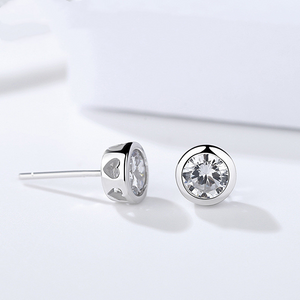
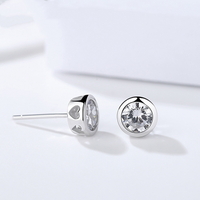
The piece they're describing → Round Zircon Stud Earrings for Women — 925 Sterling Silver, Rhodium Plated
Personalize Yours


