


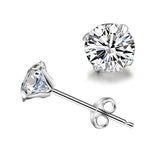
- 925 sterling silver: Yes — safe for most people with sensitive skin
- The alloy matters: 925 = 92.5% silver + 7.5% copper (not nickel) — copper is not a common allergen
- Watch for nickel: Some cheaper silver-toned jewelry is silver-plated over nickel base metals — avoid these
- Extra protection: 18K gold plated over 925 sterling silver adds a second hypoallergenic barrier
- Look for: The .925 or 925 stamp — it guarantees the silver content and base material
If you have sensitive skin and you're wondering whether sterling silver is hypoallergenic, the short answer is yes — but with one important caveat. The purity of the silver and the alloy it's mixed with determine whether it will irritate your skin. This guide explains exactly what to look for, what to avoid, and why 925 sterling silver is the safest choice for sensitive ears, necks, and wrists.
Is Sterling Silver Hypoallergenic?
Yes. 925 sterling silver is hypoallergenic for most people with sensitive skin. The key is understanding what sterling silver actually contains.
Pure silver (fine silver, stamped .999) is 99.9% silver and fully hypoallergenic — but it's too soft for everyday jewelry. Sterling silver solves this with a 92.5% silver / 7.5% alloy blend. The alloy in quality 925 sterling silver is almost always copper, which is not a common skin allergen. This is what makes it safe.
The problem arises with silver-colored jewelry that is NOT actually sterling silver — cheap pieces that use nickel as a base metal and plate only a thin silver layer on top. Nickel is the most common metal allergen, affecting approximately 17% of women and 3% of men (American Academy of Dermatology). When nickel-based jewelry rubs against skin, the plating wears away and the nickel makes direct contact.
The safe choice: Always look for the .925 or 925 hallmark stamp on your jewelry. This guarantees at least 92.5% silver content and confirms the piece is genuine sterling silver, not a nickel-base imitation.

What Is Sterling Silver? The Chemistry Explained
Sterling silver is a precious metal alloy standardized at 92.5% silver + 7.5% other metals. The 925 stamp is an internationally recognized hallmark certifying this composition.
| Silver Type | Purity | Stamp | Hypoallergenic? | Notes |
|---|---|---|---|---|
| Fine silver | 99.9% | .999 | ✅ Yes | Too soft for most jewelry; scratches easily |
| Sterling silver | 92.5% | .925 / 925 | ✅ Yes (copper alloy) | Best everyday choice — durable + safe |
| Germanium-modified silver | 93.5%+ | Alloy stamp | ✅ Yes | Germanium alloy — tarnish resistant, hypoallergenic |
| Silver-plated (nickel base) | Varies | No stamp | ❌ No | Nickel underneath causes reactions as plating wears |
| Silver-tone (base metal) | No silver | None | ❌ No | Fashion jewelry — avoid for sensitive skin |
Why Some Sterling Silver Can Still Cause Reactions
Even with genuine 925 sterling silver, a small percentage of people experience sensitivity. Here's why:
Looking for earring options? Our best hypoallergenic earrings guide covers every nickel-free material.
1. The 7.5% alloy isn't always copper
Most quality sterling silver uses copper as the alloy — safe for almost everyone. Curious why sterling silver sometimes discolors? Our does cubic zirconia turn green guide breaks down the copper chemistry behind it. But some manufacturers use zinc, germanium, or in rare cases trace nickel to alter the metal's properties. Jewelry made in regions with less regulated manufacturing standards occasionally contains nickel even when stamped 925. If you react to sterling silver that passed other sensitivity tests, this may be the cause.
2. Tarnish and skin contact
Sterling silver tarnishes when exposed to air, skin oils, and moisture. This creates silver sulfide — a dark coating on the surface. For most people tarnish is harmless, but some find the surface chemistry of heavily tarnished silver mildly irritating. Keeping your silver clean prevents this.
3. True silver sensitivity (rare)
A very small number of people have genuine silver sensitivity — an allergic reaction to silver itself. This is rare. If you react to jewelry clearly stamped 925 and confirmed nickel-free, consult a dermatologist for a patch test to identify your specific allergen.
18K Gold Plated Sterling Silver — Double Protection
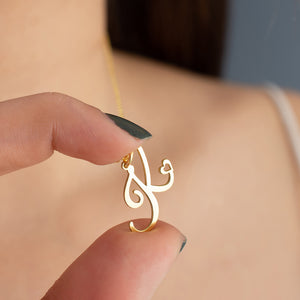
The safest configuration for sensitive skin is 18K gold plated over 925 sterling silver. This is exactly what AJLuxe uses for all jewelry.
Here's why the combination works:
- The base: 925 sterling silver — hypoallergenic copper alloy, no nickel
- The plating: 18K gold — pure enough gold content (75%) that it contains no nickel
- Contact layer: Your skin only ever touches the gold layer — the most inert, skin-safe metal in jewelry
- Longevity: When the gold layer eventually wears, the 925 sterling silver underneath is still safe — unlike nickel-base jewelry where plating wear exposes the allergen
This is why 18K gold plated 925 sterling silver is recommended by dermatologists and allergists for people who've had reactions to costume jewelry. The risk point with gold plated jewelry is the base metal — with 925 sterling, there's no risk.

Signs You Have a Metal Allergy
Metal allergy symptoms appear where the jewelry contacts your skin:
- Redness or a rash in the shape of the jewelry
- Itching or burning that starts within hours of wearing the piece
- Small blisters or dry patches where the metal sat
- Dark discoloration of the skin under a ring or bracelet (often from cheap copper alloys)
- Symptoms that improve within days of removing the jewelry
If you experience these symptoms with sterling silver jewelry, rule out nickel contamination first (check the source — lower-quality suppliers occasionally use nickel alloys), then consider a dermatologist patch test to identify your specific allergen.
How to Choose Sterling Silver for Sensitive Skin
Use this checklist before buying any silver jewelry if you have sensitive skin:
- Check the stamp — look for 925 or .925 hallmarked directly on the jewelry (clasp, band, or back of pendant)
- Confirm the base metal if gold plated — ask or check the product description: "18K gold plated over 925 sterling silver" is the phrase you want
- Avoid unlabeled silver-tone jewelry — if there's no hallmark and the price is very low, it's likely nickel-base
- Consider germanium-modified silver if you need extra assurance — Germanium-modified silver replaces copper with germanium, eliminating the small copper alloy risk
- Test new pieces on your wrist first — less sensitive than earlobes; wear for 2–3 hours before wearing in piercings or around your neck overnight
Wondering about gold plated jewelry? Read: Is Gold Plated Jewelry Hypoallergenic? The Real Answer.
Related reading: Prasiolite meaning.
Frequently Asked Questions
Is 925 sterling silver hypoallergenic?
Yes. 925 sterling silver is hypoallergenic for most people. The 925 stamp means 92.5% silver and 7.5% alloy — in quality sterling silver, that alloy is copper, which is not a common skin allergen. The main concern is distinguishing genuine 925 sterling silver from nickel-base silver-plated jewelry, which is not hypoallergenic. Always look for the 925 hallmark stamp on the jewelry itself.
Can you be allergic to sterling silver?
True silver allergy is rare — most reactions people attribute to "silver allergy" are actually nickel allergy from jewelry that is silver-plated over a nickel base, not genuine sterling silver. If you consistently react to jewelry clearly stamped 925 and sourced from reputable sellers, a small number of people do have copper sensitivity (the alloy in sterling silver) or, more rarely, genuine silver sensitivity. A dermatologist patch test can identify your exact allergen.
Is sterling silver safe for sensitive ears?
Yes — 925 sterling silver is one of the safest metals for sensitive ears. It is recommended alongside surgical steel, titanium, and 14K+ solid gold for new piercings and sensitive ear piercings. The key is confirming the earrings are genuine 925 sterling silver (look for the stamp on the earring post or backing) rather than silver-plated fashion earrings, which may have nickel underneath.
What is the difference between sterling silver and hypoallergenic jewelry?
Sterling silver (925) is a specific metal composition — 92.5% silver + 7.5% copper alloy — and it qualifies as hypoallergenic for most people because copper is not a common allergen. "Hypoallergenic jewelry" is a broader term covering any jewelry made from skin-safe metals: sterling silver, titanium, surgical steel, 14K+ gold, platinum, and niobium. Sterling silver is the most common hypoallergenic choice because it balances skin safety, durability, and affordability.
Is gold plated sterling silver hypoallergenic?
Yes — 18K gold plated over 925 sterling silver is hypoallergenic and is considered one of the safest combinations for sensitive skin. The gold layer your skin contacts contains 75% pure gold (no nickel), and the sterling silver base is copper-alloy (no nickel). Even as the gold layer wears over time, the 925 sterling silver underneath remains safe — unlike gold plated over nickel base metals, where wear exposes the allergen.
Does sterling silver turn your skin green?
Sterling silver itself does not typically turn skin green. The green discoloration associated with jewelry comes from copper reacting with moisture and skin oils to form copper salts — this is more common with high-copper base metals or copper alloy jewelry than with 925 sterling silver. However, some people with acidic skin chemistry or high perspiration levels may occasionally see mild discoloration from any copper-containing metal. Keeping jewelry clean and dry minimizes this effect.
What metals should people with sensitive skin avoid?
People with sensitive skin should avoid nickel (the most common metal allergen, found in many fashion jewelry pieces), cobalt (found in some alloys), and brass or bronze (copper-zinc alloys that may irritate very sensitive skin). White gold under 14K often contains nickel as an alloy to achieve its color — look for 14K or 18K white gold if you have nickel sensitivity. The safest choices are: 925 sterling silver, 18K gold, titanium, surgical-grade steel, and platinum.
How can I tell if my silver jewelry is real 925 sterling silver?
Check for a hallmark stamp of 925, .925, or "sterling" on the jewelry — usually on the clasp, band, or back of a pendant. Real sterling silver is also slightly magnetic (weakly), tarnishes to a dark grey over time (not rust or green), and feels cool to the touch. A jeweler can confirm with an acid test. If there's no stamp and the price is very low, assume it's plated fashion jewelry rather than genuine sterling silver.
Is sterling silver safe to wear every day?
Yes — 925 sterling silver is durable enough for daily wear. At Mohs hardness 2.5–3, it is softer than many gemstones and can scratch over time, but it holds its shape well under normal use. Remove before swimming, showering, and exercising to slow tarnishing and preserve any gold plating. Clean periodically with a soft cloth. With basic care, quality sterling silver jewelry lasts for years of daily wear.
What is the most hypoallergenic jewelry metal?
Titanium is generally considered the most hypoallergenic jewelry metal — it is completely inert, contains no alloys, and virtually never causes reactions even in people with multiple metal sensitivities. Platinum and niobium are close seconds. For everyday jewelry in standard styles, 925 sterling silver and 18K gold are the most practical hypoallergenic choices — widely available, affordable, and safe for the vast majority of sensitive skin types.
Curious how sterling silver stacks up against surgical steel specifically? Read our full surgical steel vs sterling silver breakdown of nickel content and hypoallergenic ratings.
The Bottom Line on Sterling Silver and Sensitive Skin
925 sterling silver is hypoallergenic — full stop for most people. The 925 stamp guarantees the copper alloy base that makes it skin-safe. The only risk is counterfeit or nickel-based imitations sold without proper hallmarking.
For the most sensitive skin, 18K gold plated over 925 sterling silver gives you two layers of protection: gold your skin touches, sterling silver underneath if the gold ever wears. It's the combination dermatologists recommend and what AJLuxe uses across all jewelry pieces.
Shop our CZ stud earrings — genuine 925 sterling silver with a hypoallergenic, nickel-free build available in five sizes, perfect for sensitive ears.
Browse AJLuxe hypoallergenic jewelry — every piece is 18K gold plated over 925 sterling silver with free shipping and a 30-day return policy.
Related reading: Complete guide to hypoallergenic jewelry metals | Best earrings for sensitive ears
Sterling Silver vs. Other Hypoallergenic Metals
925 sterling silver is hypoallergenic, but it isn't the only safe option — and it isn't the strongest one. If you've reacted to sterling silver even after confirming it's genuine and nickel-free, here's how it stacks up against the other metals sensitive-skin shoppers usually consider:
| Metal | Hypoallergenic Level | Tarnishes? | Best For |
|---|---|---|---|
| 925 Sterling Silver | Yes (copper alloy) | Yes, over time | Everyday wear, best value, wide style range |
| Titanium | Highest — near-inert | No | True silver-sensitive skin, active/daily wear |
| Niobium | Highest — near-inert | No | First piercings, extreme sensitivity |
| 316L Surgical Steel | Hypoallergenic, but not nickel-free | No | Durability; not for confirmed nickel allergy |
| Solid 14K–18K Gold | Yes, at higher karats | No | Long-term investment pieces |
| 18K Gold Plated 925 Silver | Yes — double barrier | Minimal (plating protects base) | Gold look at accessible price, sensitive skin |
The key distinction most guides skip: titanium and niobium are technically more inert than sterling silver because they form a stable oxide layer that never reacts with skin, which is why piercers use them for fresh piercings. But they're harder to resize, cast in fewer styles, and cost more to work with — which is why they're rare outside piercing jewelry and rings. 316L surgical steel (used in AJLuxe's men's line) is durable and hypoallergenic but contains a small amount of nickel bound within the alloy, so it's marketed as nickel-safe, not nickel-free — a meaningful difference if you have a confirmed nickel allergy rather than general sensitivity. For most people with everyday sensitive skin (not a diagnosed nickel allergy), 925 sterling silver — especially 18K gold plated over it — hits the best balance of hypoallergenic safety, affordability, and design variety without the styling limits of titanium or niobium.
All third-party trademarks, brand names and product names are the property of their respective owners. AJLuxe is not affiliated with, endorsed by, sponsored by, or otherwise connected to any third-party brand referenced in this article. Brand names are used solely for accurate comparative reference, and material descriptions reflect each brand's own published product specifications at the time of writing.
You Might Also Like
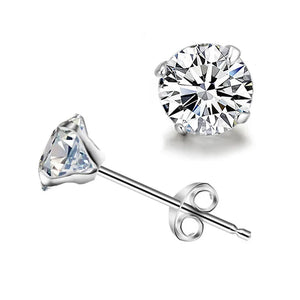
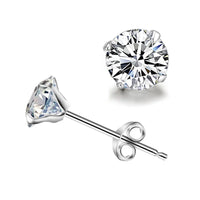
The piece they're describing → CZ Stud Earrings for Women — 925 Sterling Silver, Cubic Zirconia, Hypoallergenic
Personalize Yours


