


TL;DR — 10K vs 14K Gold at a Glance
- 10K gold = 41.7% pure gold (hallmark: 417). Most durable solid gold, most affordable, slightly paler color.
- 14K gold = 58.5% pure gold (hallmark: 585). Richer warm color, lower allergy risk, the most popular jewelry gold in the United States.
- Best for everyday jewelry: 14K. Best for budget jewelry or high-wear items: 10K.
10K gold contains 41.7% pure gold. 14K gold contains 58.5%. That single percentage difference ripples across price, color, durability, and allergy risk — all in ways that matter for how you actually wear the jewelry.
The 10K vs 14K choice is the most common karat question for budget-conscious jewelry buyers in the United States. Choosing the centre stone too? Our cubic zirconia vs diamond guide breaks down which stone is worth it for everyday wear vs an heirloom. This guide cuts through the confusion with a side-by-side breakdown of every factor that matters, so you can buy with confidence.
What Is 10K Gold?
10K gold means 10 out of 24 parts are pure gold — that's 41.7% gold content. The remaining 58.3% is a blend of alloy metals, typically copper, zinc, silver, and sometimes nickel. For the exact weight of pure gold that works out to in a typical piece, see our how much gold is in 10KT guide.
Hallmark: 10K gold is stamped 417 (representing 41.7%), or sometimes 10K, 10KT, or 10CT depending on the country. In the United States, 10K is the minimum karat legally allowed to be sold as "gold jewelry." Anything below 10K cannot legally bear a gold quality mark in the US.
Color: Because the alloy content is high, 10K gold has a slightly paler, more muted yellow compared to 14K or 18K. Side by side, most people can tell the difference — 10K looks a little less warm and bright.
Durability: Counterintuitively, 10K gold is the most durable solid gold alloy. A higher percentage of alloy metals (copper, zinc) makes the metal harder and more scratch-resistant than 14K or 18K. This makes it a practical choice for rings and bracelets that take daily abuse.
Cost: 10K gold is the most affordable solid gold option. Since it contains less actual gold per gram, it costs less to produce — savings that pass through to the buyer.
Want to know what the 417 hallmark means in detail? Read our guide: What Does 417 Mean on Jewelry?
What Is 14K Gold?
14K gold means 14 out of 24 parts are pure gold — that's 58.5% gold content. The remaining 41.5% is alloy metals.
Hallmark: 14K gold is stamped 585 (representing 58.5%), or 14K, 14KT, or 14CT. In the United States, 14K is the single most popular gold karat — more than 50% of all gold jewelry sold in the US is 14K.
Color: 14K gold has the rich, warm yellow color most people associate with "gold jewelry." It's noticeably warmer and brighter than 10K. It's also available in rose gold (more copper in the alloy) and white gold (palladium or rhodium in the alloy), which are almost exclusively made in 14K or 18K.
Durability: Excellent for everyday wear. 14K is softer than 10K but harder than 18K — hitting the sweet spot of durability and wearability for rings, necklaces, bracelets, and earrings worn daily.
Cost: Typically 30–40% more expensive than 10K for the same weight and design, because you're paying for a higher percentage of actual gold content.
For a deep dive on the 14K hallmark, see: What Does 14K Mean on Jewelry?
10K vs 14K Gold — Full Comparison Table
| Factor | 10K Gold | 14K Gold |
|---|---|---|
| Gold purity | 41.7% | 58.5% |
| Hallmark | 417 | 585 |
| Other metals | 58.3% alloy | 41.5% alloy |
| Color | Paler yellow | Rich warm yellow |
| Durability | ⭐⭐⭐⭐⭐ Most durable | ⭐⭐⭐⭐ Excellent |
| Allergy risk | Higher (more alloy) | Lower (less alloy) |
| Price (per gram) | Lower | ~30–40% more |
| Best for | Budget jewelry, high-wear items | Everyday fine jewelry |
| US popularity | Less common | Most popular (#1 in US) |
| Tarnish resistance | Good | Better |
10K vs 14K Gold Price Difference
The price gap between 10K and 14K gold comes down to one thing: gold content. Since 14K contains more pure gold per gram, it costs more to produce — and that premium passes through to the retail price.
As a general rule:
- 10K gold necklace: typically $40–$150 for sterling-comparable designs
- 14K gold necklace: typically $60–$250 for similar designs
- The price premium for 14K over 10K is usually 20–35% for comparable pieces
One important nuance: for gold-plated jewelry, the karat refers only to the plating — not solid gold content. An "18K gold plated sterling silver necklace" has a thin layer of 18K gold over a sterling silver base. The plating karat affects color and luster, but the value of the piece is primarily in the base metal. For solid gold, karat is the defining quality and value metric.
For a full breakdown of plated vs solid gold, see: Gold Filled vs Gold Plated: What's the Difference?
10K vs 14K for Sensitive Skin and Allergies
This is a critical distinction that most buyers overlook: higher alloy content means higher allergy risk.
Since 10K gold is 58.3% alloy metals — which typically includes copper, zinc, and sometimes nickel — it exposes your skin to more of these potential irritants than 14K gold. People with sensitive skin or a confirmed nickel allergy will generally react less to 14K than to 10K.
Key points:
- Both 10K and 14K can contain nickel depending on the manufacturer's alloy mix — always check the alloy composition if you have a confirmed nickel allergy
- The EU has stricter nickel regulations than the US — EU-sold jewelry must stay below 0.5 μg/cm²/week nickel release
- For the most sensitive skin, 18K or 22K solid gold minimizes alloy exposure further
- Gold-plated jewelry over sterling silver (like AJLuxe pieces) is also a great option — the sterling silver base is hypoallergenic for most people, and the 18K gold plating adds a barrier
See also: Is Gold Plated Jewelry Hypoallergenic? The Real Answer
Which Karat Should You Choose? — Decision Guide
| Use Case | Recommended | Why |
|---|---|---|
| Engagement ring (daily wear, long-term) | 14K | Best color + durability balance |
| Children's jewelry | 10K | Maximum durability for active use |
| Everyday necklace | 14K | Better color, comparable durability |
| Budget gift | 10K | More gold for the money |
| Sensitive skin | 14K or higher | Less alloy = lower allergy risk |
| Investment / heirloom piece | 18K+ | Higher gold content holds value better |
Gold Purity Spectrum: 10K to 24K
Putting 10K and 14K in context with the full karat range helps clarify where each sits on the spectrum of purity, durability, and price.
| Karat | Gold Content | Color | Durability | Best For |
|---|---|---|---|---|
| 10K (417) | 41.7% | Pale yellow | Highest | Budget / high-wear |
| 14K (585) | 58.5% | Rich warm yellow | Excellent | Everyday fine jewelry |
| 18K (750) | 75% | Deep warm yellow | Good | Luxury / sensitive skin |
| 22K | 91.7% | Vivid yellow | Low | Heirloom / Indian wedding jewelry |
| 24K | 99.9% | Bright yellow | Very low | Bullion / investment |
For more context on how 14K stacks up against 18K specifically, see our guide: 14K vs 18K Gold — Which Is Better? And for a complete reference on all jewelry hallmarks, visit the complete jewelry hallmarks guide.
Curious about diamond alternatives? Compare our Rare Carat alternatives guide — from lab diamonds to CZ.
Also compare: best With Clarity alternatives — lab diamonds vs CZ vs 925 sterling.
Want the diamond sparkle without the price? Compare our Brilliance alternatives guide.
Frequently Asked Questions: 10K vs 14K Gold
What is the difference between 10K and 14K gold?
10K gold is 41.7% pure gold (stamped 417); 14K gold is 58.5% pure gold (stamped 585). 14K has a richer color and lower allergy risk due to less alloy content, while 10K is more durable and less expensive due to the higher proportion of alloy metals.
Is 10K or 14K gold better?
It depends on your priorities. 14K is better for color, allergy sensitivity, and most everyday fine jewelry. 10K is better for maximum durability and budget — it's the hardest solid gold alloy and the most affordable. For the majority of buyers in the US, 14K is the recommended choice.
Does 10K gold tarnish faster than 14K?
Yes, 10K gold is slightly more prone to tarnish than 14K gold because its higher alloy content (especially copper) oxidizes more easily over time. Both are much more tarnish-resistant than silver, but 14K holds its luster better with less maintenance.
Is 10K gold real gold?
Yes. 10K gold is real, solid gold. It contains 41.7% pure gold and meets the United States legal minimum to be sold as "gold jewelry." It is not gold-filled or gold-plated — the gold content runs throughout the entire piece.
What does 417 mean on gold jewelry?
417 is the hallmark for 10K gold, representing 41.7% gold purity. It is the US and international standard mark for 10-karat gold. You may also see it stamped as 10K, 10KT, or 10CT. For a full explanation, see our guide to the 417 hallmark.
Is 14K gold worth buying?
Yes — 14K gold is the most popular jewelry gold in the US for good reason. It offers the best balance of color, durability, and price. It's richer in color than 10K, more durable than 18K for daily wear, and retains value better than gold-plated pieces. For everyday necklaces, rings, and earrings, 14K is the gold standard choice.
Which is more durable, 10K or 14K gold?
10K gold is more durable than 14K gold. Higher alloy content makes the metal harder and more scratch-resistant. However, the durability difference is relatively small in practice — 14K gold is still excellent for everyday wear and will last decades with normal care.
Is 10K gold good for everyday wear?
Yes. 10K gold's hardness makes it excellent for everyday wear — it resists scratches and dents better than 14K or 18K. The main trade-off is the slightly paler color and marginally higher allergy risk compared to 14K. For active wear or pieces that take significant contact (rings, bracelets), 10K is a practical choice.
What is 10K gold worth vs 14K?
By gold content, 14K gold is worth about 40% more per gram than 10K gold (58.5% vs 41.7% pure gold). When buying jewelry, this translates to 14K pieces typically costing 20–35% more than comparable 10K pieces. For resale or scrap value, 14K gold will also fetch a higher price per gram.
Which karat gold is best for a necklace?
14K gold is the best karat for most necklaces. It offers rich color, excellent durability for daily wear, lower allergy risk, and a reasonable price point. If budget is the primary concern, 10K is a solid alternative. For sensitive skin, 18K gold or gold-plated sterling silver are both excellent options.
Shop AJLuxe 18K Gold Plated Jewelry
925 sterling silver base · 18K gold plated · from $22.99
Browse Gold Plated Collection →The Bottom Line: 10K vs 14K Gold
For most buyers, 14K gold is the sweet spot — rich color, excellent durability for everyday wear, and better for sensitive skin. It's the most popular jewelry gold in the US for good reason: it looks like gold, lasts like gold, and hits a price point that feels accessible.
10K is the right choice when durability and budget are top priorities. It's the hardest solid gold alloy, the most affordable, and still 100% real gold. For rings or bracelets that take heavy daily contact, 10K's extra hardness is a genuine advantage.
Either way, both 10K and 14K are real, solid gold that will last decades with proper care — far outlasting any plated jewelry in terms of longevity.
AJLuxe Jewelry is crafted in 925 sterling silver with 18K gold plating
This gives you the warmth and richness of 18K gold color at an accessible price — with the durability and hypoallergenic properties of sterling silver underneath.
Shop Birthstone Necklaces → Gold Filled vs Gold Plated — What's the Difference?
Written by Vaishakhi Ajmera, founder of AJLuxe. Last updated June 2026.
Explore more: Complete Gold Jewelry Guide
Related reading: see the real supply and demand data behind gold prices.
All third-party trademarks, brand names and product names are the property of their respective owners. AJLuxe is not affiliated with, endorsed by, sponsored by, or otherwise connected to any third-party brand referenced in this article. Brand names are used solely for accurate comparative reference, and material descriptions reflect each brand's own published product specifications at the time of writing.
You Might Also Like

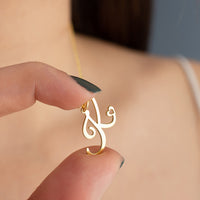
The piece they're describing → Heart Initial Necklace for Women — 18K Gold Plated, Personalized Letter + Heart Pendant
Personalize Yours


