


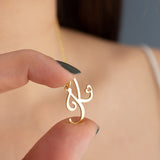
Gold plated jewelry gets a bad reputation for not lasting. Most of that reputation is deserved — but it's almost entirely caused by avoidable habits, not by anything inherent to how gold plating works.
Gold plating is a thin layer of real gold bonded to a metal base through electroplating. Done well (18K gold on 925 sterling silver, 1–2 microns thick), it can last 2–5 years with daily wear and look nearly indistinguishable from solid gold the whole time. Done carelessly, it fades in weeks.
This guide covers the chemistry behind why plating wears, which parts of your jewelry wear fastest, and a specific maintenance routine that takes under two minutes a day and genuinely doubles plating lifespan. No vague "store it carefully" advice — actual specifics.
How Long Does Gold Plating Actually Last?
Lifespan depends almost entirely on two factors: plating thickness and friction exposure. Here's what realistic expectations look like by jewelry type and plating quality:
| Plating Type | Thickness | Necklace / Earrings | Ring / Bracelet | With Good Care |
|---|---|---|---|---|
| Flash plating (fast fashion) | <0.5 micron | 2–6 months | 2–8 weeks | Up to 1 year |
| Standard gold plating | 0.5–1 micron | 6 months–2 years | 3–12 months | 1–3 years |
| 18K gold on sterling silver | 1–2 microns | 2–4 years | 1–3 years | 3–5+ years |
| Vermeil (gold on sterling) | 2.5+ microns | 3–6 years | 2–4 years | 5–8+ years |
| Gold-filled | ~100 microns | 10–30 years | 5–20 years | Lifetime with care |
AJLuxe uses 18K gold plating on 925 sterling silver — 1–2 micron thickness. If you want to understand the stamp on your gold-plated piece, see our guide to what 18KGP means. With the habits in this guide, our pieces reliably last 2–4 years of daily wear, and longer for earrings and necklaces that see less friction.

The Three Enemies That Destroy Gold Plating
Most jewelry care guides give you a list of things to avoid. What they don't explain is why — and understanding the chemistry helps you make the right call in situations the list doesn't cover.
Enemy 1: Acids
Acid is plating's most insidious enemy because it's invisible and everywhere. Your own sweat is mildly acidic (pH 4.5–5.5). Most perfumes and colognes contain alcohol and organic acids. AHA and BHA skincare products (the ones that exfoliate) are explicitly acidic. Sunscreen contains chemical filters that are acidic at the molecular level.
Acid doesn't scratch the gold off — it dissolves it chemically, one molecule at a time. A single spray of perfume on your neck while wearing a gold necklace can remove a measurable amount of gold plating every time. Multiply that by daily use and you understand why some pieces fade in weeks.
Enemy 2: Chlorine
Chlorine (in pools, hot tubs, and some household cleaners) reacts with gold plating aggressively. It attacks the bonding between the gold layer and the metal base — causing peeling and flaking rather than gradual fade. Even low concentrations of chlorinated water will degrade plating faster than any other environmental factor. Remove gold plated jewelry before any water that isn't plain tap water.
Enemy 3: Abrasion and Friction
Gold plating is physically thin. Friction — from skin, clothing, other jewelry, or hard surfaces — wears it down mechanically. Rings experience far more abrasion than necklaces because they press against surfaces constantly. The underside of a ring band (the part touching your palm during gripping) wears 5–8× faster than the visible top. This is the "wear zone problem" — covered in detail below.
| Damage Source | How It Damages | Speed of Damage | How to Avoid |
|---|---|---|---|
| Chlorine (pools, hot tubs) | Chemical dissolution + layer separation | 🔴 Fastest — hours of exposure | Remove before any chlorinated water |
| Perfume / cologne | Alcohol + organic acids dissolve gold | 🔴 Fast — damages with every spray | Spray first, dress; put jewelry on last |
| AHA/BHA skincare, retinol | Exfoliating acids attack gold surface | 🟠 Fast — cumulative over weeks | Remove jewelry before applying; wait until absorbed |
| Sweat (intense exercise) | Acidic salt solution eats gold slowly | 🟠 Moderate — cumulative | Remove before exercise; wipe after light wear |
| Friction (ring undersides, clasps) | Physical abrasion thins the gold layer | 🟠 Moderate — worst on rings | Rotate pieces; avoid stacking hard metals |
| Air and humidity | Oxidation tarnishes the base metal beneath | 🟡 Slow — months of exposure | Store airtight; use anti-tarnish strips |
| Saltwater (ocean) | Salt + minerals accelerate corrosion | 🔴 Fast — same as chlorine | Remove before any ocean swimming |
The Wear Zone Problem — Why Rings Fade Fastest
This is the most useful concept most jewelry guides skip entirely.
Gold plating wears unevenly. High-contact surfaces wear at 3–8× the rate of low-contact surfaces on the same piece. These are called wear zones — and knowing where they are lets you check the right spots and predict when a piece needs replating.
- Ring undersides (shank interior): The bottom of your ring band presses against your palm when gripping, against other rings when stacked, and against surfaces when handling objects. This is the highest-wear zone on any jewelry. The top of a ring (the stone or design) may look pristine while the underside is bare metal. Check the inside of your ring band monthly.
- Necklace clasps: The lobster clasp and the first link on either side of it experience friction every time you put the necklace on and take it off. They're often the first part to fade.
- Pendant bails (the loop at the top): Where the pendant slides on the chain creates constant friction. Often fades before the pendant face itself.
- Bracelet inner surfaces: The side of a bracelet facing your skin gets skin oils, sweat, and friction from wrist movement all day.
- Earring posts: The post surface fades quickly from sliding through the piercing. The visible earring face typically stays bright much longer.
Understanding wear zones means you know which spots to inspect when checking wear, and which pieces need replating sooner than others — even within the same collection.
10 Habits That Genuinely Extend Plating Life
These aren't soft suggestions. Each one has a direct chemical or physical mechanism that protects plating. The first three have the biggest impact by far.
- Put jewelry on last. Completely finish your getting-ready routine — moisturizer, sunscreen, foundation, perfume — before touching your jewelry. Every product you apply after putting jewelry on contacts the gold surface. Thirty seconds of forethought saves months of plating.
- Wipe dry after every wear. Use a soft cotton cloth or microfiber cloth. This removes sweat, skin oils, and trace amounts of acid before they sit overnight and work into the surface. Takes 10 seconds. Biggest single habit for longevity.
- Remove before water. This includes showers, dishes, hand-washing, and any pool or ocean. Even plain tap water accelerates oxidation of the base metal beneath the plating, which eventually causes the gold layer to separate. If you forget once, dry immediately and thoroughly — damage compounds over time.
- Remove before exercise. Sweat during high-intensity exercise is more acidic and produced in much higher volumes than everyday perspiration. Even 20 minutes of gym sweat contacting a gold plated ring does measurable damage over time.
- Store airtight and separate. Air exposure leads to oxidation; contact with other jewelry creates micro-scratches. Use individual zip-lock bags, small pouches, or a jewelry box with separate compartments. An anti-tarnish strip inside the bag extends this further.
- Never stack with harder metals. If you stack rings, pair gold plated pieces with other soft-metal or gold plated rings. Stacking a gold plated ring against a solid gold or stainless steel ring creates a hardness differential — the harder metal acts as a grinding surface and accelerates wear on the plated piece.
- Avoid sleeping in jewelry. Movement during sleep creates friction that adds up every night. Pillowcase fabric is gentle but not zero-friction. Necklace chains kink and stretch. Six to eight hours of friction nightly adds months of wear annually.
- Clean only with mild soap and lukewarm water. When cleaning is needed, use a drop of gentle dish soap in lukewarm (not hot) water, soak briefly, pat dry with a soft cloth. Never use silver polishing cloths — the chemical compounds in them strip gold plating. Never use toothpaste, baking soda, or abrasive cleaners.
- Use a silica gel packet in storage. A small silica gel packet in your jewelry box or storage bag absorbs ambient moisture, significantly slowing oxidation in humid climates. Cheap, effective, rarely mentioned.
- Rotate your pieces. Wearing the same ring every single day gives it no recovery time. Rotating between two or three pieces gives each one days off from friction and sweat exposure. Your collection lasts longer collectively, and you enjoy more variety.

Your Gold Plated Jewelry Maintenance Schedule
Most guides give you tips without telling you when to do what. Here's a practical schedule that takes under two minutes daily and a few minutes monthly:
| Frequency | Action | Time | Why It Matters |
|---|---|---|---|
| Before wearing | Finish all skincare, perfume, makeup first; then put jewelry on | 0 extra seconds (habit change) | Keeps acids and alcohol off the gold surface from the start |
| After every wear | Wipe with soft dry cloth; store in bag or compartment | ~30 seconds | Removes sweat and oils before overnight chemical action |
| Weekly | Gentle wash in mild soapy water; pat dry completely; let air-dry 5 min before storing | ~3 minutes | Removes accumulated oils and residue a dry cloth misses |
| Monthly | Inspect wear zones (ring undersides, clasp backs, pendant bails); note any fade | ~2 minutes | Catches early fade before it progresses; informs replating decision |
| Every 6–12 months | Replace silica gel packets in storage; consider professional replate if wear zones show base metal | ~5 minutes (+ replate if needed) | Refreshes moisture protection; catches replate window before damage spreads |
When to Replate vs. Replace
Replating is the process of sending a piece to a jeweler who strips the remaining gold, buffs the base metal, and electroplates fresh gold over it. It restores a worn piece to like-new appearance at a fraction of the replacement cost — if the base metal is in good condition.
Signs it's time to replate:
- Base metal (silver, copper, or brass color) is visible at wear zones
- Skin discoloration from the base metal (green or black marks)
- Dull or patchy appearance that doesn't improve with cleaning
- Monthly inspection shows fade progressing at visible wear zones
Typical replating costs (2026):
| Jewelry Type | Typical Replate Cost | Worth It If… |
|---|---|---|
| Simple necklace | $20–$40 | Piece cost $50+, base metal is undamaged |
| Pendant with detail | $30–$60 | Sentimental value or piece cost $75+ |
| Simple ring band | $25–$50 | Ring fit is good, base metal not pitted |
| Stud earrings (pair) | $15–$30 | Sentimental or high-quality setting |
| Bracelet / bangle | $35–$70 | Structural integrity intact, no corrosion |
When to replace instead of replate: If the base metal shows pitting, corrosion, or structural damage, replating covers the problem without fixing it — the new plating will wear through quickly in the same spots. Pieces with badly corroded brass or copper bases (green tarnish that's penetrated the surface) are better replaced than replated.
For 925 sterling silver base pieces (like AJLuxe), replating is almost always worth it — sterling silver doesn't corrode and holds plating well through multiple replate cycles.
18K Gold Plated vs. Vermeil vs. Gold-Filled — Longevity Compared
| Type | Gold Thickness | Base Metal | Avg. Lifespan | Hypoallergenic |
|---|---|---|---|---|
| Gold plated (fashion) | <0.5 micron | Brass, zinc, copper | Weeks–months | ❌ Often not |
| 18K gold plated on sterling | 1–2 microns | 925 sterling silver | 2–5 years | ✅ Yes |
| Vermeil | 2.5+ microns | 925 sterling silver | 5–10 years | ✅ Yes |
| Gold-filled | ~100 microns (mechanically bonded) | Brass core | 10–30 years | ✅ Yes (outer surface) |
AJLuxe pieces use 18K gold on 925 sterling silver — which sits in the middle of this range but is the optimal balance of look, durability, hypoallergenic properties, and price point. The sterling silver base means replating is practical and effective, and the 18K tone is brighter and more durable than 14K gold plating. For a deeper comparison, see our guide to what gold vermeil actually is and how it differs from gold plated.
Shop AJLuxe Birthstone Clover Necklace
925 sterling silver, 18K gold plated, four-leaf clover set with a CZ stone color-matched to your birth month — nickel-free, all 12 months.
Shop the Birthstone Clover Necklace →Shop the AJLuxe Gold Serpentine Anklet
18K gold plated, flat herringbone/snake chain, lobster clasp with a 1–1.5 inch extender — $32.99.
Shop the Gold Serpentine Anklet →Shop AJLuxe Micro Pave Huggie Hoop Earrings
925 sterling silver, 18K gold plated, with micro-pavé CZ set across the front arc — a hinged snap closure, nickel-free.
Shop the Micro Pavé Huggie Hoops →Shop AJLuxe 18K Gold Huggie Hoop Earrings
A 2.5mm 18K gold plated band in three sizes -- 15mm, 17mm, or 21mm -- with a hinged snap closure, sold as a pair.
Shop the Gold Huggie Hoop Earrings →Shop AJLuxe White Enamel Gold Hoop Earrings
A white fired-enamel inlay set in an 18K gold plated huggie hoop, over a 925 sterling silver base -- hinged snap closure, sold as a pair.
Shop the White Enamel Hoop Earrings →Shop AJLuxe Alexandrite Teardrop Pendant Necklace
925 sterling silver, 18K gold plated, set with a lab-created alexandrite teardrop that genuinely shifts from green in daylight to red-violet under incandescent light — nickel-free, June birthstone.
Shop the Alexandrite Necklace →Frequently Asked Questions
How do I make gold plated jewelry last longer?
The three habits with the biggest impact: put jewelry on last (after all skincare, perfume, and makeup), wipe it dry with a soft cloth after every wear, and store each piece airtight in a separate bag or pouch. Remove before water, chlorine, and intense exercise. These five habits alone can double the lifespan of a 1–2 micron gold plated piece compared to ignoring them.
Does gold plated jewelry fade quickly?
It depends entirely on plating thickness and care. Flash-plated fashion jewelry (under 0.5 micron) can fade in weeks. Quality 18K gold plated jewelry on a sterling silver base (1–2 microns) lasts 2–5 years with good habits. The pieces that fade quickly usually have thin plating on a non-silver base and are exposed to perfume, sweat, and water daily without cleaning.
Can I shower with gold plated jewelry?
No — not recommended, even occasionally. Shower water contains chlorine (in most municipal supplies), and the combination of water, soap, and steam accelerates both chemical dissolution of the gold and oxidation of the base metal. One shower won't ruin a piece, but daily showering is one of the fastest ways to shorten plating life. For a deeper answer, see our guide on how long gold plated jewelry lasts.
What ruins gold plated jewelry fastest?
Chlorine (pools and hot tubs) and perfume are the fastest destroyers — both chemically attack gold plating. Chlorine causes layer separation; perfume alcohol and organic acids dissolve the gold surface on contact. After those, intense sweat from exercise and AHA/BHA skincare products round out the top four threats.
How do I clean gold plated jewelry without ruining it?
Use a soft dry cloth after every wear. For deeper cleaning, mix a small drop of mild dish soap in lukewarm water, soak briefly (under 30 seconds), rinse with clean water, and pat dry with a soft cloth. Never use silver polishing cloths, toothpaste, baking soda, ultrasonic cleaners, or abrasive brushes. Full step-by-step instructions are in our guide to cleaning gold plated jewelry.
Why does my gold ring fade faster than my necklace?
Friction. Rings are in constant contact with surfaces, other jewelry, and your skin — especially on the underside of the band (the part facing your palm). This surface wears 5–8× faster than the visible face of the ring or any part of a necklace. This is the wear zone effect: high-friction contact points degrade plating much faster than low-friction surfaces on the same piece.
Can gold plated jewelry be restored?
Yes — through replating, a jeweler strips the worn gold, buffs the base, and electroplates fresh gold. For pieces on a sterling silver base, this works extremely well and can be done multiple times over a piece's life. Replating costs $20–$70 depending on jewelry type and complexity. It only makes sense if the base metal is undamaged — pieces with corroded or pitted brass bases are better replaced.
Is it worth buying gold plated jewelry if it doesn't last forever?
Yes — if it's quality plating on a quality base. 18K gold on 925 sterling silver lasts 2–5 years with care, is hypoallergenic, costs a fraction of solid gold, and looks identical to solid gold throughout its lifespan. When it fades, replating refreshes it. The key is avoiding cheap flash-plated pieces on brass or zinc bases, which genuinely are poor value. Sterling silver-based gold plating is a different product category. Read more: is 18K gold plated jewelry worth it?
Does humidity affect gold plated jewelry?
Yes, but more slowly than acid or chlorine. Ambient humidity accelerates oxidation of the base metal beneath the plating — over months, this can cause the gold layer to separate or bubble. In humid climates, airtight storage with a silica gel packet (a few cents each) makes a measurable difference. This is why storing jewelry in a bathroom — the most humid room in the house — is one of the worst things you can do for longevity.
Does sweat ruin gold plated jewelry?
Everyday perspiration has a minor effect if you wipe pieces dry after wearing. Intense exercise sweat — produced in high volume, more acidic (pH around 4), and sitting against metal for extended periods — causes real damage over time. Remove rings, bracelets, and close-skin necklaces before any serious workout. Earrings, which have less direct sweat contact, are less affected than wrist and hand jewelry.
Understanding gold purity is part of making smart jewelry choices. 18K vs 14K Gold: the full breakdown — what karat means for plated jewelry and what actually determines how long it lasts.
Final Thoughts
Gold plated jewelry's reputation for not lasting is earned by cheap pieces and poor habits — not by gold plating itself. Quality 18K plating on sterling silver, treated with the habits in this guide, genuinely looks beautiful for years. The daily wipe, the airtight storage, the "jewelry on last" rule — none of these take meaningful effort. They just need to become automatic.
The wear zone inspection is the most underused habit in this list. Checking your ring underside once a month catches fading at the point where it can still be stopped with replating — before it's progressed to the visible surfaces everyone else will see.
Browse AJLuxe 18K gold plated necklaces, gold hoop earrings, and stackable rings — all on 925 sterling silver, hypoallergenic, and designed to last.
Written by the AJLuxe team, specialists in 18K gold plated sterling silver jewelry. Last updated: May 2026.
All third-party trademarks, brand names and product names are the property of their respective owners. AJLuxe is not affiliated with, endorsed by, sponsored by, or otherwise connected to any third-party brand referenced in this article. Brand names are used solely for accurate comparative reference, and material descriptions reflect each brand's own published product specifications at the time of writing.
You Might Also Like
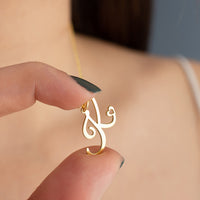
The piece they're describing → Heart Initial Necklace for Women — 18K Gold Plated, Personalized Letter + Heart Pendant
Personalize Yours


