



Gold filled has a mechanically bonded gold layer 50–100× thicker than gold vermeil — it lasts 10–30 years daily vs. vermeil's 1–5 years. But vermeil uses a 925 sterling silver base (safer for sensitive skin, can be replated), while gold filled uses brass (thicker gold, but if it chips at stress points, brass contacts skin). For a daily-wear heirloom, gold filled wins on longevity. For fashion-forward pieces, sensitive skin, or occasion wear under $100, vermeil is the smarter buy.
You've narrowed your search to two options that both look like real gold jewelry without the solid gold price tag. The question is which one is actually worth buying. The answer depends on how you wear jewelry, what your skin tolerates, and what you're planning to spend over time — not just today.
This guide breaks down every meaningful difference between gold vermeil and gold filled: thickness, durability, skin safety, cost, and the scenarios where each one genuinely wins.
The Three-Tier Gold Jewelry Spectrum
Most confusion around this comparison comes from lumping three distinct categories into "gold plated." Here's the full picture:
| Type | Base Metal | Gold Layer | Daily Wear Life | Best For |
|---|---|---|---|---|
| Flash plating | Brass / copper | <0.5 micron | 2–6 months | Fast fashion, costume |
| Gold Vermeil | 925 sterling silver | 2.5–5+ microns, 10K–18K | 1–5 years | Style-forward, sensitive skin, fashion |
| Gold Filled | Brass / copper | 50–100+ microns, 10K–14K | 10–30 years | Daily-wear heirlooms, maximum longevity |
The villain in this story is flash plating — jewelry that uses the same "gold plated" label as quality pieces but applies 0.1–0.5 microns of gold over cheap brass. Neither vermeil nor gold filled should be compared against this category.
What Is Gold Filled?
Gold filled is not plating. It's a mechanical bond. Under the FTC Jewelry Guides (16 CFR Part 23), a piece can be called gold filled only if it has a layer of gold that is at least 1/20th (5%) of the total piece weight, mechanically bonded to a brass or copper core under heat and pressure.
That 5% gold by weight translates to approximately 50–100 microns of gold — 20 to 40 times thicker than FTC-standard vermeil. You'll see the designation written as "1/20 14K GF" or "1/20 12K GF" on the piece itself.
The result: gold filled jewelry resists tarnish and wear dramatically better than any plated alternative. Most quality gold filled pieces maintain their finish for 10–30 years of daily wear. Some pieces last a lifetime.
What Is Gold Vermeil?
Gold vermeil (pronounced "ver-MAY") is gold electroplated over a 925 sterling silver base. The FTC requires a minimum 2.5-micron gold layer at 10K purity or higher. Premium vermeil — including AJLuxe's 18K over 925 sterling silver — exceeds the minimum karat standard significantly.
The key advantage over gold filled: the base is sterling silver, not brass. This matters in two scenarios:
- Sensitive skin: When the gold layer eventually wears, skin contacts silver rather than brass. Silver is far gentler for nickel-sensitive skin.
- Replating: Sterling silver is a precious metal worth investing in. A vermeil piece can be replated professionally ($40–$80) to restore its original finish — indefinitely, in principle.
Durability: An Honest Comparison
Gold filled wins decisively on longevity for daily-wear pieces. That's simply the physics of having 40× more gold on the surface.
| Scenario | Gold Vermeil | Gold Filled |
|---|---|---|
| Daily wear (necklace, low friction) | 2–4 years | 15–25 years |
| Daily wear (ring, high friction) | 6 months–2 years | 5–15 years |
| Occasional wear (1–3×/week) | 5–10 years | 30+ years |
| Proper care vs. no care (vermeil) | 3–5 yrs vs. <1 yr | 20+ yrs vs. 5–10 yrs |
| After gold layer wears: base metal | 925 sterling silver (safe) | Brass (potential irritant at friction points) |
One nuance competitors miss: gold filled's brass core becomes an issue at cut edges and high-stress points (clasp springs, jump rings) where the gold layer can chip rather than wear gradually. Vermeil wears uniformly through abrasion. For extremely nickel-sensitive wearers, even gold filled can cause reactions at these vulnerable points.
The Cost-Per-Wear Math

Upfront price comparisons miss the actual value equation. Here's the 10-year math for a comparable necklace:
| Option | Purchase Price | Replating over 10 yrs | Total Cost | Cost per year |
|---|---|---|---|---|
| Flash plated brass | $25 × 5 replacements | — | $125 | $12.50 |
| Gold vermeil (AJLuxe ~$55) | $55 | $60 (1 replating at yr 3) | $115 | $11.50 |
| Gold filled (~$120) | $120 | $0 | $120 | $12.00 |
Over 10 years, all three options converge around the same annual cost — with gold filled being slightly ahead on cost-per-wear if you factor in the time and hassle of replating or replacing. The real cost difference only shows when vermeil is properly cared for (needs less replating) or when you buy cheap plating and keep replacing it.
Sensitive Skin: Which Is Safer?
For most people: both gold filled and vermeil are safe, because both have sufficient gold coverage to separate base metal from skin. The nuance is in edge cases.
Gold vermeil wins for: People with true nickel allergy who wear jewelry long enough for gold layers to wear. Even when vermeil's gold layer thins, the sterling silver underneath is nickel-free. Sterling silver itself is the standard material in medical jewelry and surgical posts.
Gold filled is better for: People who want to wear jewelry without thinking about it — gym, shower, beach — and not worry about care. The thick gold layer provides a long-lived barrier. The risk, as noted, is at stress points where the gold layer may chip and expose brass.
18K is better than 10K for sensitive skin: Higher karat gold contains less alloy (18K = 75% gold; 10K = 41.7% gold). Less alloy means fewer potentially reactive metals in the gold layer itself. AJLuxe uses 18K — at the safer end of the karat spectrum.
Replating: Vermeil's Hidden Advantage
Gold filled cannot be economically replated. The gold IS the structure — there's no way to add more gold to the surface without specialized equipment that costs more than the piece. When gold filled wears, you replace it.
Gold vermeil over sterling silver can be replated by any jeweler with electroplating equipment. The process: strip remaining gold layer, clean sterling base, replate with fresh 18K gold. Cost: $40–$80. Result: piece looks brand new, and the silver base is completely unaffected by the process. You can replate a vermeil piece every 3–5 years indefinitely.
This makes vermeil over sterling silver the better long-term investment for pieces you genuinely love — a pendant with sentimental value, a daily chain you've worn for years. Gold filled is harder to restore; vermeil is designed to be.
Which Should You Choose?
Gold filled is the right call if:
- You want something you can wear daily without any special care for 15–20+ years
- You don't have significant skin sensitivity
- You're buying one definitive staple piece and want to buy it once
- Budget allows for $100–$200+ for a necklace or bracelet
Gold vermeil (or 18K over 925 sterling silver) is the right call if: Also see Solid Gold vs Gold Filled vs Gold Plated for the full three-way comparison.
- You have sensitive skin or a nickel allergy
- You want style flexibility — trend pieces you can update every few years
- You want to replate and keep pieces that have sentimental value
- Your budget is $20–$100 and you want genuine quality in that range
- You buy multiple pieces and want variety, not just one long-term piece
Related reading: Gold Vermeil Earrings: What They're Made Of, How Long They Last, and What to Buy (2026).
Related reading: Gold Earrings: What They Should Cost, What's Trending, and What to Buy in 2026.
Related reading: Female Diamond Earrings: Cost, Sizing & Best Places to Buy (2026).
Frequently Asked Questions
What lasts longer, gold vermeil or gold filled?
Gold filled lasts significantly longer — typically 10–30 years of daily wear versus 1–5 years for gold vermeil. The reason is gold layer thickness: gold filled has 50–100 microns of mechanically bonded gold, while FTC-standard vermeil requires just 2.5 microns of electroplated gold. For the full breakdown of vermeil's lifespan by jewelry type and wear pattern, see our guide on how long gold vermeil lasts.
Is gold vermeil better than gold filled for sensitive skin?
For nickel-allergic wearers, yes. When vermeil's gold layer wears, skin contacts sterling silver (nickel-free). When gold filled wears at stress points, skin contacts brass, which can contain trace nickel.
Can gold vermeil be replated?
Yes — because the base is 925 sterling silver, a jeweler can strip and replate the gold for $40–$80. Gold filled cannot be economically replated because its gold layer is mechanically bonded into the piece structure.
Which is more expensive, gold vermeil or gold filled?
Gold filled costs more upfront — $100–$200+ for a necklace versus $40–$100 for quality vermeil. Over 10 years, total cost of ownership is similar when replating and replacement are factored in.
Does gold filled tarnish?
Rarely, under normal conditions. Gold filled's thick layer (50–100 microns) provides a long-lasting barrier. Chlorine, harsh chemicals, and prolonged salt water exposure can eventually cause issues, but quality gold filled won't tarnish noticeably for many years.
What does '1/20 14K gold filled' mean?
The '1/20' means the gold layer is at least 1/20th (5%) of total piece weight. '14K' is the gold purity. This designation is FTC-regulated and must appear stamped on the piece.
Can you shower with gold filled jewelry?
Gold filled handles water much better than vermeil. Many wearers shower in it without issues. Chlorine pools and harsh soaps will eventually affect even gold filled — removing it before showering is always safest, but occasional water contact won't cause harm.
Is gold vermeil good for earrings?
Yes — earrings experience less friction than rings and less water exposure than necklaces. The sterling silver base is safe for sensitive ears, and stud earrings in particular see minimal wear.
Which Type of Gold Jewelry Actually Fits Your Life?
Gold filled is the better buy if you want to buy once and forget it — a daily chain or simple stud you'll wear every day for the next 20 years. The longevity is real and the price premium amortizes over time. For the fuller picture, including whether gold filled makes sense as an investment, see our complete is gold-filled jewelry worth it review.
Gold vermeil — and 18K over 925 sterling silver — is the better buy if you want style flexibility, have sensitive skin, are spending under $100, or want pieces you can replate and keep for years. The care requirements are higher, but the value is genuine.
What both share: a gold surface that looks identical to solid gold jewelry at a fraction of the cost. What separates them is what happens on the second, fifth, and tenth year of ownership.
Browse AJLuxe's gold vermeil jewelry collection — 18K gold plated over 925 sterling silver, at prices that make quality accessible.
All third-party trademarks, brand names and product names are the property of their respective owners. AJLuxe is not affiliated with, endorsed by, sponsored by, or otherwise connected to any third-party brand referenced in this article. Brand names are used solely for accurate comparative reference, and material descriptions reflect each brand's own published product specifications at the time of writing.
You Might Also Like


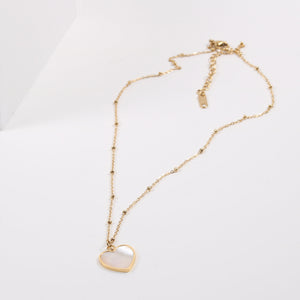
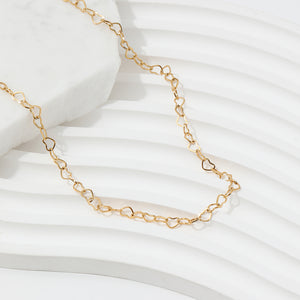
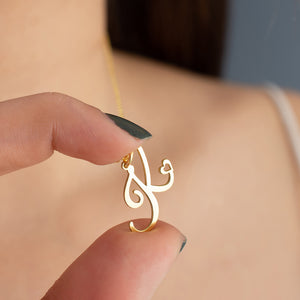

The piece they're describing → Layered Choker Necklace for Women — 18K Gold Plated
Personalize Yours


