



Gold vermeil (pronounced vehr-MAY) is real gold electroplated over a sterling silver base. Under US Federal Trade Commission rules (16 CFR § 23.4), a piece must have all three: a 925 sterling silver base, at least 10-karat gold, and a gold layer at least 2.5 microns thick.
It sits in the "demi-fine" category — more durable and skin-safe than gold-plated brass, far more affordable than solid gold. Quality 18K vermeil lasts 2–5 years of daily wear with basic care.
If you've been shopping for gold jewelry and seen the word "vermeil," you're not alone in wondering what it means — and whether it's worth paying more than standard gold-plated pieces. This guide covers everything: the history, the legal standard, how it compares to every alternative, and exactly what to look for when you buy.
The History and Origins of Gold Vermeil
The word "vermeil" comes from Old French, derived from the Latin vermiculus (referring to the deep red of vermilion dye). In 18th-century France, silversmiths developed fire gilding — a technique of applying mercury-gold amalgam to silver objects, then burning off the mercury to leave a rich gold coating. European royalty and aristocratic households used fire-gilded silver for tableware, candlesticks, and decorative objects. The technique produced a depth of color and durability that simpler gold dipping couldn't match.
One of the most famous collections of gold vermeil still exists today: the White House Vermeil Room, which holds 1,575 pieces of gilded silver tableware donated by Margaret Thompson Biddle in 1956. If gold vermeil is good enough for the White House state dining room, it's a reasonable choice for everyday jewelry.
Modern gold vermeil uses electroplating rather than fire gilding — a process that's safer, more consistent, and better controlled for thickness — but the defining characteristics (sterling silver base, real gold exterior, regulated thickness) remain the same.
Where Vermeil Fits: The Jewelry Quality Spectrum
Understanding gold vermeil is easier when you see where it sits on the broader jewelry quality ladder:
| Category | What It Is | Typical Price | Lifespan |
|---|---|---|---|
| Costume / Fashion | Gold-plated brass or base metal | Under $15 | Weeks to months |
| Demi-Fine | Gold vermeil or gold-filled over silver | $25–$200 | 2–5+ years |
| Fine Jewelry | Solid 14K–18K gold | $300–$3,000+ | Lifetime+ |
Gold vermeil is the entry point to "demi-fine jewelry" — a category defined by precious metal components (sterling silver base, real gold coating) sold at accessible prices. It's not costume jewelry, and it's not an investment piece. It's wearable, beautiful, and designed to last years with normal care.
The FTC Legal Standard for Gold Vermeil
In the United States, the term "gold vermeil" is regulated by the Federal Trade Commission under 16 CFR § 23.4. A piece cannot legally be called vermeil unless it meets all three requirements:
- Base metal: Must be sterling silver (925 — 92.5% pure silver)
- Gold purity: At least 10-karat gold in the plating layer
- Gold thickness: At least 2.5 microns of fine gold equivalent
The "fine gold equivalent" clause matters: a 10K gold layer must be thicker than 2.5 microns to contain the equivalent of 2.5 microns of pure gold, because 10K gold is only 41.7% pure. In practice, reputable brands use 18K or 24K gold to meet the standard more efficiently — and to produce a richer color.
The FTC regulation only applies to the US. EU and UK jewelry standards use different hallmarking systems, though most quality brands worldwide follow the 2.5-micron / sterling silver standard as the industry benchmark. If a brand can't tell you the base metal and gold thickness, that's a red flag regardless of which country they're in.
Gold Vermeil vs. Gold Plated vs. Gold Filled
| Feature | Gold Vermeil | Gold Plated | Gold Filled |
|---|---|---|---|
| Base metal | Sterling silver (925) | Brass, copper, or other | Usually brass |
| Gold thickness | 2.5+ microns (legal min) | 0.5–1 micron typical | 1/20th total weight in gold |
| Gold karat | 10K minimum (usually 18K) | Any karat | 10K or 12K typically |
| Skin safety | Yes — silver base is hypoallergenic | Risk — brass/copper may irritate | Generally yes |
| Durability | Good — 2–5 years daily | Lower — can fade in months | Excellent — can last decades |
| Price | Mid-range ($25–$200) | Lowest (under $20) | Higher than vermeil |
The critical advantage of vermeil over gold plated: the base metal. Standard gold-plated jewelry uses brass or copper — when the gold layer wears through, you're left in contact with metals that oxidize on skin and cause irritation or green discoloration. Vermeil's sterling silver base is a precious metal, so even if the gold wears over years, you're not exposed to reactive base metals. It's a meaningful difference for everyday wear.
Gold Vermeil vs. Solid Gold
This is the comparison that matters for most buyers deciding whether to invest more.
- Price: Solid 14K gold costs 70–95% more than vermeil for equivalent designs. A $50 vermeil necklace would be $300–$600 in solid 14K gold.
- Appearance: Visually identical when new. Both display the same warm yellow-gold color. Even jewelers can't tell them apart by eye without checking hallmarks.
- Durability: Solid gold lasts forever — the metal doesn't degrade, fade, or wear through. Vermeil lasts years, not decades.
- Resale value: Solid gold holds intrinsic value tied to the gold market. Vermeil has near-zero resale value — the gold layer is thin enough that recovery isn't worthwhile. Vermeil is consumable luxury, not an investment.
- Repairability: Solid gold can be resized, repaired, and repolished indefinitely by any jeweler. Vermeil can be replated (see below) but eventually the piece is retired.
Who should choose solid gold: Anyone buying a piece they want to wear forever — an engagement ring, a wedding band, a meaningful gift intended as an heirloom. Also anyone buying as a long-term investment.
Who should choose vermeil: Anyone who wants the look of real gold jewelry for daily wear, rotating styles regularly, or working within a budget. Vermeil is also the right choice for trend-driven pieces — if you'll want a different style in 3 years anyway, vermeil's shorter lifespan is irrelevant.
14K vs. 18K vs. 24K Gold Vermeil: Which Karat Is Best?
The karat of the gold plating layer affects color, durability, and hypoallergenicity. Here's how the options compare:
- 10K (41.7% pure gold): The legal minimum for US vermeil. Requires a thicker physical layer to meet the 2.5-micron fine gold standard. Noticeably less warm in color, higher in base-metal alloy content (more nickel risk). Only found in entry-level pieces — not what quality jewelers use.
- 14K (58.3% pure gold): A step up from 10K. More durable than 18K because harder alloys are added. Slightly less warm/saturated color. Contains more alloy metals, so slightly higher nickel risk for sensitive skin.
- 18K (75% pure gold): The industry standard for quality gold vermeil. Provides the richest, most saturated yellow gold color, excellent durability (hard enough from alloy content without being brittle), and minimal nickel — making it the safest option for sensitive skin. This is what AJLuxe gold necklaces and personalized jewelry use.
- 24K (99.9% pure gold): The richest color — deep, warm orange-gold. Pure gold is very soft, so 24K vermeil scratches and wears faster despite the beautiful color. Used occasionally in high-end vermeil but not ideal for daily-wear pieces.
The verdict: 18K gold vermeil gives the best combination of color, durability, and skin safety. If a brand doesn't specify karat, ask — it matters.
How to Identify Real Gold Vermeil
The word "vermeil" is not itself a required hallmark — any brand can technically print it on a tag. What you should verify:
- Look for a 925 hallmark on the clasp, back of a pendant, or extender tag. "925," "S925," or "STER" indicates sterling silver base. No 925 mark = not genuine vermeil regardless of what the listing says.
- Check for a karat mark alongside the 925 stamp — "18K," "14K," or "750" (the European equivalent of 18K). Both marks together on the same piece indicate gold over sterling.
- Ask about gold thickness. Legitimate brands know and will share this. Under 2.5 microns is not legally vermeil. 3+ microns is a sign of quality commitment.
- Price check. Genuine 18K gold vermeil from a quality brand should cost $25–$200+ depending on design. If it's $5–$8 and claims to be vermeil, it almost certainly isn't.
- Magnet test. Real gold and sterling silver are non-magnetic. If a piece clings strongly to a magnet, it contains ferrous base metals — not precious metals.
Signs of wear on fake "vermeil": green or copper-colored patches where plating has worn through, uneven fading concentrated at contact points, a noticeably lightweight feel compared to the piece's size.
Is Gold Vermeil Waterproof?
Gold vermeil is not waterproof, and water is one of the primary reasons vermeil pieces fail earlier than they should. Here's what each type of water exposure does:
- Chlorinated water (pools, hot tubs): Most damaging. Chlorine chemically attacks both the gold layer and the silver base. Even brief pool exposure repeatedly accelerates tarnishing.
- Salt water (ocean): Salt causes micro-corrosion and is particularly aggressive on thin gold layers.
- Hot water (showers): Heat expands the metal slightly, which can accelerate wear at plating interfaces over time. Daily showering with vermeil significantly shortens its lifespan.
- Sweat: Acidic and gradually degrades plating with extended exposure. If you're wearing vermeil rings or bracelets through workouts regularly, expect faster wear at contact points.
The practical rule: last on, first off. Put jewelry on after you've showered and applied lotion/perfume; take it off before any water exposure. This single habit extends vermeil lifespan more than any other care practice.
How Long Gold Vermeil Lasts by Jewelry Type
Not all vermeil pieces wear at the same rate. The type of jewelry and how much friction it experiences matters:
- Rings: Highest daily friction — hands constantly contact surfaces, pockets, bags. Expect 1–2 years of daily wear at the contact band before noticeable fading. Choose 3+ microns of gold plating for rings.
- Bracelets: Moderate friction. Clasps and inner surfaces wear faster. Expect 2–3 years of regular wear.
- Necklaces: Lower friction — mostly rests against skin with minimal abrasion. Can easily last 4–5+ years with proper care.
- Earrings: Minimal friction except at the post. Often the longest-lasting vermeil piece in someone's collection — 5+ years is common.
Can Gold Vermeil Be Replated?
Yes. When a quality vermeil piece begins to show wear — typically at clasps, ring shanks, or areas of consistent friction — it can be professionally replated. The process involves stripping the remaining gold layer, repolishing the sterling silver base, and electroplating a fresh gold coat.
Cost: typically $20–$60 per piece depending on size and complexity. Most independent jewelers or mail-in replating services can do this within a week. It's worth doing for pieces with sentimental value or solid construction — essentially giving a good piece a second (or third) life. For lower-quality vermeil with a thin silver base, replating isn't always worthwhile, as the piece may not survive the stripping process.
How to Care for Gold Vermeil
- Remove before water. No showers, swimming, or dishwashing. Water and chlorine are the primary drivers of early wear.
- Apply cosmetics first. Perfume, lotion, and hairspray before putting jewelry on, not after. Chemicals in personal care products degrade the gold layer over time.
- Clean gently. A soft, dry polishing cloth after wearing removes sweat and oils. For a deeper clean, use a barely-damp cloth with a drop of mild dish soap, then dry immediately and completely.
- Store in a dry, airtight pouch. Air and humidity accelerate oxidation of the silver base, especially where the gold layer is thin. Individual pouches also prevent scratching from harder pieces in the same box.
- Don't use silver dip on vermeil. Liquid silver dip is too aggressive — it can strip or damage the gold layer. Use a polishing cloth instead.
Is Gold Vermeil Worth Buying?
For most people buying everyday gold jewelry at an accessible price, yes. Here's the honest breakdown:
- You get a visually authentic 18K gold piece for a fraction of solid gold's cost
- The sterling silver base means no green skin, no nickel reactions, and a quality core that can be replated
- It's significantly more durable than standard gold-plated brass jewelry
- It occupies the right spot for fashion jewelry you'll love for 2–5 years, not a lifetime investment piece
The only time vermeil isn't the right answer: engagement rings, wedding bands, or pieces you genuinely intend to keep for decades. For those, the premium for solid gold is justified. For everyday gold necklaces, personalized pendants, and hypoallergenic jewelry you'll rotate through your collection, 18K gold vermeil over sterling silver is the sweet spot between quality and value.
What to Look for When Buying Gold Vermeil
- 925 or S925 hallmark on the piece — confirms the sterling silver base
- 18K or 14K karat mark alongside the 925 stamp
- Gold thickness disclosed — 2.5 microns minimum; 3+ microns is better for rings and bracelets
- Price in the $25–$200 range for genuine quality — vermeil under $10 is almost always mislabeled gold-plated brass
- Brand transparency — reputable sellers state their specifications; if a brand can't tell you the base metal and gold thickness, choose elsewhere
Frequently Asked Questions About Gold Vermeil
What does gold vermeil mean?
Gold vermeil is a legally defined term for jewelry made with a thick layer of real gold (at least 10K, typically 18K) electroplated over a sterling silver base, with the gold layer being at least 2.5 microns thick per FTC 16 CFR § 23.4. The word comes from Old French and was historically used for fire-gilded silver objects.
How do you pronounce vermeil?
Vermeil is pronounced vehr-MAY. The "l" is silent — it follows French pronunciation. The stress is on the second syllable.
Is gold vermeil real gold?
The gold layer is real gold — typically 18K (75% pure gold). The piece as a whole is not solid gold; the core is sterling silver. An accurate description: "real 18K gold on the outside, over sterling silver."
Does gold vermeil tarnish?
Yes, over time — but much slower than standard gold-plated jewelry. The sterling silver base can oxidize where the gold layer wears thin. With proper care (no water, stored in an airtight pouch), quality 18K vermeil holds its color for 2–5 years. See our full tarnish guide for more.
Is gold vermeil better than gold plated?
Yes — it has a thicker gold layer (2.5+ microns vs. 0.5 microns standard), requires minimum 10K gold (vs. any karat), and uses a sterling silver base rather than brass or copper. This makes it more durable, longer-lasting, and safe for sensitive skin.
Will gold vermeil turn my skin green?
No. Green skin comes from copper in base metals reacting with skin acid — typically from brass or copper-core gold-plated pieces. Vermeil's sterling silver base doesn't produce that reaction. It's hypoallergenic for most wearers.
How many microns should gold vermeil be?
The legal minimum is 2.5 microns. For rings and bracelets (highest friction), look for 3+ microns. For necklaces and earrings, 2.5 microns is sufficient. Some premium brands use 5+ microns for maximum longevity.
Can gold vermeil be worn every day?
Yes, with appropriate care. Remove before showering, swimming, and workouts. Apply perfume and lotion before putting it on. With those habits, daily-wear vermeil necklaces and earrings easily last 3–5 years. Rings and bracelets, due to higher friction, wear faster.
What is the difference between 14K and 18K gold vermeil?
18K is 75% pure gold — richer color, more hypoallergenic (fewer alloy metals), and the industry standard for quality vermeil. 14K is 58.3% pure — slightly more durable but less vivid in color and higher in alloy content. For sensitive skin, 18K is the better choice.
Can gold vermeil be replated?
Yes. A jeweler can strip the worn gold layer, repolish the sterling silver base, and apply a fresh gold coat — typically for $20–$60. It's worth doing for quality pieces or sentimental jewelry showing wear at high-friction points.
Is gold vermeil the same as gold filled?
No. Gold-filled has a much thicker mechanical gold layer (at least 5% of total weight in gold) bonded to the base metal — more durable and longer-lasting than vermeil but usually more expensive. Gold vermeil specifically requires a sterling silver base; gold-filled usually has a brass core.
Ready to wear it? See our guide to styling gold jewelry for skin-tone matching, mixed-metal rules, and layering ideas.
Written by the AJLuxe team — specialists in personalized sterling silver jewelry. Last updated: May 2026.
Related reading: Is gold vermeil hypoallergenic.
Related reading: How long does gold vermeil last.
All third-party trademarks, brand names and product names are the property of their respective owners. AJLuxe is not affiliated with, endorsed by, sponsored by, or otherwise connected to any third-party brand referenced in this article. Brand names are used solely for accurate comparative reference, and material descriptions reflect each brand's own published product specifications at the time of writing.
You Might Also Like
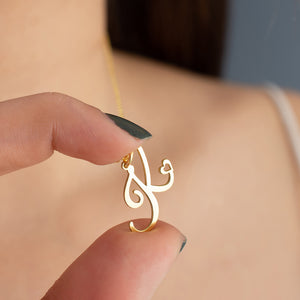
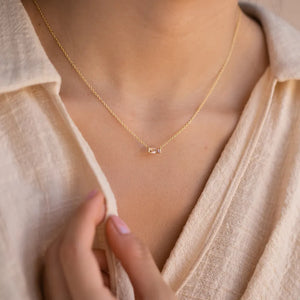
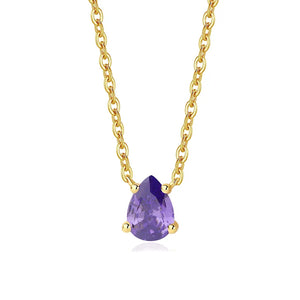


The piece they're describing → Layered Choker Necklace for Women — 18K Gold Plated
Personalize Yours


