


"Gold-filled" is one of the most misunderstood terms in jewelry, and it shows in how people clean it. Some treat it like delicate gold-plated jewelry and barely touch it; others treat it like solid gold and scrub it with anything on hand. Both approaches miss what gold-filled actually is: a legally defined manufacturing process that bonds a genuinely thick layer of real gold to a base metal core, durable enough for daily wear but still not indestructible. This guide covers exactly what gold-filled means, how it differs from gold-plated and vermeil, the safe way to clean it, what to avoid, and how long it actually lasts with the right care — extending our full jewelry-care cluster with a dedicated look at this specific, increasingly popular material.
What Is Gold-Filled Jewelry, Exactly?
Gold-filled jewelry is made by mechanically bonding a solid layer of gold (usually 12K or 14K) to a base metal core, most often brass or sterling silver, using heat and pressure. This isn't a coating or a dip — it's a physical layer of solid gold fused to the surface, which is why gold-filled jewelry behaves so differently from plated pieces when it comes to cleaning, tarnish resistance, and longevity.
In the United States, "gold-filled" is a legally regulated term under FTC guidelines, not a marketing phrase. To be labeled gold-filled, a piece must meet two specific requirements:
- The gold layer must be at least 10 karat — most gold-filled jewelry uses 12K or 14K gold
- The gold must equal at least 1/20th (5%) of the piece's total weight — this is the detail most competitor guides skip, and it's the actual legal threshold that separates gold-filled from every other gold-look-alike category
In practical thickness terms, that 1/20th-by-weight standard typically works out to a gold layer somewhere between 5 and 10 microns, depending on the piece. That's not a huge number in isolation, but compared to standard gold plating — usually around 0.5 microns, sometimes less on budget pieces — gold-filled jewelry carries roughly 15 to 40 times more gold on its surface. That difference is the entire reason gold-filled jewelry can handle a cleaning routine that would strip plated jewelry within months.
Gold-Filled vs. Gold-Plated vs. Vermeil vs. Solid Gold: Comparison Table
Cleaning advice for "gold jewelry" isn't one-size-fits-all, because these four categories aren't the same material wearing different names. Here's how they actually compare, side by side:
| Type | Gold layer | Safe cleaning method | Typical lifespan |
|---|---|---|---|
| Gold-filled | 5-10 microns, min. 1/20th of total weight (10K+) | Soft cloth wipe; occasional mild soap soak | 10-30+ years with normal care |
| Gold vermeil | At least 2.5 microns over sterling silver (10K+) | Warm water, mild soap, soft cloth only | 1-3 years with normal wear |
| Gold-plated | ~0.5 microns or less, no minimum karat or weight rule | Warm water, mild soap, soft cloth only | A few months to 1-2 years with daily wear |
| Solid gold | Gold throughout, no base metal core | Mild soap soak, or professional/ultrasonic cleaning (stone-dependent) | Lifetime, can be refinished indefinitely |
The practical takeaway: gold-filled sits in a middle tier that neither plated-jewelry rules nor solid-gold rules quite apply to. It can tolerate more than gold-plated or vermeil, but it still isn't solid gold, and cleaning it like solid gold — with an ultrasonic cleaner or a polishing compound — will wear through the layer years faster than it should.
Daily Care: The Habit That Matters More Than Any Cleaning Method
The single biggest factor in how long gold-filled jewelry lasts isn't the occasional deep clean — it's the routine wipe-down after wearing it. Sweat, lotion, perfume, and everyday skin oils sit against the gold layer and, over months and years, contribute to the gradual wear that eventually exposes the base metal at high-friction points like clasps, ring shanks, and chain links.
- Wipe with a soft, dry microfiber cloth after every wear, focusing on areas that touched skin directly
- Put jewelry on last — after lotion, perfume, and hairspray — since these products are some of the fastest ways to dull a gold-filled surface
- Take jewelry off first before showering, swimming, cleaning, or exercising heavily
- Avoid sleeping in gold-filled jewelry when possible, especially rings and bracelets, since overnight friction against sheets and skin is a common wear point
How to Clean Gold-Filled Jewelry Safely
For routine cleaning, a soft-cloth wipe is usually all gold-filled jewelry needs. When a piece looks dull or has visible buildup from lotion or everyday wear, a gentle soap soak restores the shine without stressing the gold layer:
- Fill a small bowl with lukewarm (not hot) water
- Add a single drop of mild, fragrance-free dish soap
- Submerge the piece and let it sit for 5-10 minutes
- Gently agitate with your fingers or a very soft-bristled brush (a baby toothbrush works well) to loosen buildup in grooves, clasps, or chain links
- Rinse thoroughly under lukewarm running water
- Pat completely dry with a soft microfiber cloth — don't air-dry, since lingering moisture at solder points and clasps is where the base metal is most exposed
- Buff gently with a dry cloth for extra shine
That's the entire safe method. Gold-filled jewelry doesn't need — and shouldn't get — the more aggressive treatments sometimes recommended for it, like baking soda pastes, vinegar or lemon soaks, or toothpaste. Those methods are mildly abrasive or acidic, and while a single use won't visibly damage a 5-10 micron gold layer, repeated abrasive cleaning over years is exactly the kind of cumulative wear that eventually thins the layer at edges and high-contact points.
Can You Use an Ultrasonic Cleaner on Gold-Filled Jewelry?
This is the question competitor guides answer least consistently, and the honest answer is: it depends, and the safer default is no. Ultrasonic cleaners work by generating rapid vibration through a liquid bath, which is excellent at dislodging debris from settings and hard-to-reach grooves on solid gold and platinum. On a bonded layer like gold-filled, that same vibration applied repeatedly can gradually stress the bond between the gold layer and the base metal, particularly at edges, solder joints, and clasp mechanisms where the bond is thinnest.
A single short cycle in a jewelry-specific ultrasonic cleaner is unlikely to cause visible damage to a well-made gold-filled piece. But because the failure mode (a weakened bond you can't see until it starts flaking) is gradual and irreversible, it's not worth the risk for routine cleaning when the soap-and-water method works just as well with zero downside. Skip ultrasonic cleaners for gold-filled jewelry with pearls, opals, or other soft gemstones entirely — the risk to the stone is separate from and in addition to the risk to the gold layer.
What to Avoid When Cleaning Gold-Filled Jewelry
- Ultrasonic and steam cleaners — the repeated vibration and heat can stress the bond between the gold layer and base metal over time, even though a single cycle rarely causes visible damage
- Chlorine and saltwater — pool and ocean water accelerate tarnish on the exposed base metal at any weak point in the gold layer, and chlorine specifically can react with metal alloys underneath; always remove gold-filled jewelry before swimming
- Abrasive pastes and powders — baking soda, toothpaste, and any gritty cleaner will polish away microscopic amounts of the gold layer with every use; the effect is invisible short-term but adds up over years
- Acidic soaks — vinegar, lemon juice, and ketchup are commonly recommended for brass and copper, but their acidity isn't appropriate for a bonded gold surface and can etch the layer with prolonged exposure
- Commercial silver or gold dips — these are formulated for solid metal and are often too harsh for a bonded layer; check the label specifically for "gold-filled safe" before using any commercial dip
- Harsh household chemicals — bleach, ammonia-based cleaners, and nail polish remover can all discolor or damage the gold layer on contact
Does Gold-Filled Jewelry Tarnish?
Yes, but far more slowly and far less severely than gold-plated jewelry. The thick, mechanically bonded gold layer on gold-filled pieces acts as a genuine barrier between the environment and the reactive base metal underneath, so most gold-filled jewelry resists visible tarnish for years of normal wear. When tarnish does eventually show up, it's almost always at the specific points where the gold layer is thinnest or most stressed — clasps, ring shanks that see constant friction against other fingers, and the inside curve of bangles or rings that rubs against skin.
Compare that to gold-plated jewelry, where the roughly 0.5-micron plating layer offers minimal protection, and tarnish (or outright base-metal exposure) can appear within months of regular wear. The physics is the same in both cases — sulfur compounds in air, water, and skin oils reacting with the base metal — but the gold-filled layer is simply thick enough to keep that reaction from reaching the base metal for years longer than plating can.
Can Gold-Filled Jewelry Get Wet? Showering, Swimming, and Sweating
Brief water exposure — washing your hands, getting caught in the rain, light sweat from a workout — won't meaningfully damage gold-filled jewelry, as long as you dry it afterward rather than letting it sit wet. What actually causes damage is prolonged or repeated exposure combined with chemicals:
- Showering occasionally — generally fine for most gold-filled pieces if dried promptly, though it's better to develop the habit of removing jewelry before showering to extend its life
- Swimming pools — avoid; chlorine is one of the fastest ways to damage gold-filled jewelry and can cause visible discoloration after just a few exposures
- Ocean and saltwater — avoid; salt is corrosive to the base metal at any exposed or thin point in the gold layer
- Hot tubs and saunas — avoid; the combination of heat, chemicals, and moisture is worse than any of the three individually
- Heavy sweating (intense exercise) — remove if possible; sweat's sulfur and salt content accelerates tarnish faster than everyday wear
The safest long-term habit is treating gold-filled jewelry the way you'd treat a nice watch: fine for incidental, brief water contact, but not designed for swimming, hot tubs, or extended submersion.
How Long Does Gold-Filled Jewelry Actually Last?
With the care outlined above, gold-filled jewelry commonly lasts 10 to 30 years, and pieces with lighter wear (occasional-use jewelry rather than daily-wear rings and bracelets) can last even longer. That's a dramatically different lifespan than gold-plated jewelry, which typically shows base-metal wear within a few months to two years of regular wear, largely because gold-filled starts with 15 to 40 times more gold on the surface.
A few factors shift that range in either direction:
- Contact frequency — a ring worn daily wears faster than a necklace worn occasionally, simply from more friction against skin, clothing, and other surfaces
- Body chemistry — some people's skin pH and sweat composition are more reactive with metal than others, which is why the same piece can last differently for different wearers
- Cleaning habits — gentle, consistent care (soft-cloth wipes, occasional soap soaks) preserves the gold layer far longer than infrequent but harsh cleaning
- Piece design — thin bands, delicate chains, and pieces with more solder points and clasps tend to show wear at those specific points before the rest of the piece does
Because the underlying failure mode for gold-filled jewelry is gradual thinning at specific high-friction points rather than sudden peeling, most gold-filled pieces give a clear early warning — a slightly different color or texture at a clasp or ring shank — long before the gold layer actually wears through.
How to Tell if Jewelry Is Actually Gold-Filled
Because "gold-filled" is a legally regulated term, genuine pieces should carry a specific stamp, though not every piece is stamped clearly. Look for:
- "GF" or "Gold Filled" stamped on the clasp, inside a ring band, or on a jump ring — the clearest confirmation
- A karat-and-fraction stamp like "1/20 14K" or "1/20 12K" — this is the actual legal fraction discussed earlier, and seeing it stamped is strong confirmation
- Weight and feel — gold-filled jewelry has a similar weight and stiffness to solid gold, since the base metal core is substantial, unlike the very light, sometimes flimsy feel of thin gold-plated costume pieces
- Price positioning — gold-filled sits well above gold-plated and vermeil in price but noticeably below solid gold, reflecting the actual gold content difference
If a piece has no stamp at all and the seller can't confirm the gold-filled process specifically (mechanically bonded, 1/20th by weight, 10K+), treat it as gold-plated for cleaning purposes and use the gentler plated-jewelry method instead.
How to Store Gold-Filled Jewelry to Extend Its Life
Storage matters more for gold-filled jewelry than most people assume, because the exposed base metal at clasps, jump rings, and solder points is where oxidation actually starts — not on the flat, well-protected gold surfaces. Proper storage slows that process at exactly the points that matter most:
- Store pieces separately — tangled chains and jewelry touching each other can create tiny abrasion points that wear through the gold layer faster than normal wear alone
- Keep it dry and airtight — a fabric-lined jewelry box, an anti-tarnish pouch, or a zip-top bag with the air pressed out all reduce the sulfur and moisture exposure that drives tarnish at exposed base-metal points
- Add an anti-tarnish strip or silica packet to a jewelry box or drawer — these absorb the humidity and sulfur compounds in the air before they reach the metal
- Avoid direct sunlight and heat — a warm, humid environment (like a bathroom cabinet) speeds up every chemical reaction involved in tarnish
- Keep jewelry away from rubber and latex — both off-gas sulfur compounds that accelerate tarnish on any gold-look-alike metal, including gold-filled
According to Jewelers of America, correct storage and routine wiping are consistently the two biggest factors in how long any plated or bonded jewelry keeps its finish. (Source: Jewelers of America, Jewelry Care)
Is Gold-Filled Jewelry Worth the Extra Care?
Compared to gold-plated jewelry, gold-filled asks for almost the same care routine — a soft cloth, occasional mild soap, and avoiding chlorine and ultrasonic cleaners — but rewards that care with a dramatically longer lifespan. Where gold-plated jewelry often needs replacing within a year or two of regular wear, a well-cared-for gold-filled piece can realistically last a decade or more, making it one of the better value tiers between inexpensive plated jewelry and the higher cost of solid gold.
Common Gold-Filled Myths, Corrected
- "Gold-filled is basically the same as gold-plated, just a marketing term." Not true — gold-filled is a legally regulated category requiring a mechanically bonded gold layer at least 1/20th of the piece's total weight, roughly 15-40 times thicker than typical plating.
- "You can clean gold-filled jewelry exactly like solid gold." Not quite — solid gold has no base metal to expose, so it tolerates ultrasonic cleaners and more aggressive methods that gold-filled jewelry should avoid over the long term.
- "Gold-filled jewelry never tarnishes." It tarnishes far more slowly than plated jewelry because of the thicker gold barrier, but it isn't immune, especially at clasps and high-friction points where the layer is most stressed.
- "If it's gold-filled, any cleaning method is safe since the layer is so thick." The layer is thick relative to plating, but it's still finite — repeated abrasive or acidic cleaning over years can thin it at edges and joints the same way it would any bonded metal layer, just more slowly.
Final Thoughts
Gold-filled jewelry earns its reputation as a durable, everyday-wear option precisely because it's manufactured differently than gold-plated jewelry — a real, legally defined, mechanically bonded gold layer rather than a thin coating. That extra thickness buys it years of tolerance for daily wear and light water exposure that plated jewelry simply doesn't have. But "more durable" isn't "indestructible," and the same soft-cloth-and-mild-soap routine that keeps it looking new for a decade or more will wear thin fast if you skip it for ultrasonic cleaners, chlorine, or abrasive pastes. Match the care to the material, and gold-filled jewelry is one of the lowest-maintenance ways to wear real gold every day.

Want an everyday piece with real, lasting gold on top?
Shop the Double Row Snake Chain Necklace
Shop This Guide
- Double Row Snake Chain Necklace
- How to Clean Tarnished Jewelry (Every Metal, Safely)
- Gold Filled vs Gold Plated: Which Lasts Longer?
- Is Gold Filled Jewelry Worth It? Honest Review
- Does Gold Filled Jewelry Tarnish? The Honest Answer
Written by the AJLuxe team, jewelry care specialists focused on helping you keep everyday fine jewelry looking its best. Last updated: July 2026.
All third-party trademarks, brand names and product names are the property of their respective owners. AJLuxe is not affiliated with, endorsed by, sponsored by, or otherwise connected to any third-party brand referenced in this article. Brand names are used solely for accurate comparative reference, and material descriptions reflect each brand's own published product specifications at the time of writing.
You Might Also Like
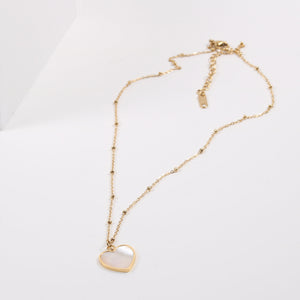
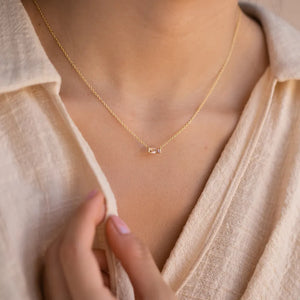
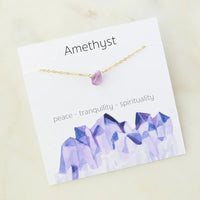
The piece they're describing → Stone Charm Necklace for Women — Raw Natural Gemstone Pendant
Personalize Yours


