


Quick answer: No, you shouldn't shower with gold-plated jewelry. Standard gold plating is only 0.5 to 1 micron thick — thinner than a strand of spider silk — and hot water, sulfates in body wash, and chlorine strip that layer fast. Daily shower exposure can show visible fading in as little as a few weeks, exposing the brass, copper, or nickel underneath. Solid gold, gold vermeil (2.5+ micron legal minimum), and PVD-plated waterproof jewelry all hold up far better if you want something you never have to take off.
TL;DR
- Standard gold plating is 0.5–1 micron thick. Water, soap, and shampoo wear through it in weeks of daily showering.
- The damage comes from three things: mechanical erosion from scrubbing and water pressure, chemical stripping from sulfates and chlorine, and oxidation of the base metal once it's exposed.
- Gold vermeil (2.5+ micron minimum by FTC rule) and solid gold last longer, but neither is truly shower-proof long-term.
- PVD-plated and waterproof-finished jewelry is the only category actually built to survive daily water contact.
- If it does get wet, dry it within minutes with a soft cloth — don't let water sit against the metal.
You're standing in the shower, hand already on the shampoo bottle, and you realize you forgot to take off your gold-plated necklace again. Can you just leave it on this once? The honest answer is no — and it's not superstition. Gold-plated jewelry carries a layer of real gold so thin that daily water exposure can visibly wear it down in a matter of weeks, not years. This guide breaks down exactly why that happens, how it compares to gold vermeil and solid gold, and what to wear instead if you genuinely don't want to keep taking jewelry on and off.
What Actually Happens When Gold-Plated Jewelry Gets Wet
Gold-plated jewelry is a base metal — usually brass, copper, or nickel-brass — with a microscopically thin layer of real gold bonded to the surface through electroplating. That gold layer is what you see and touch. It's also the only thing standing between your skin and the metal underneath.
Three separate things attack that layer every time you shower:
- Mechanical erosion. Water pressure, the friction of lathering soap, and toweling off all physically wear at the plated surface. It's the same reason a coin held in your palm for years goes smooth.
- Chemical stripping. Shampoos, conditioners, and body washes are formulated with sulfates and surfactants to cut through oil on your skin. Those same compounds cut through the thin gold layer, dulling and thinning it with every wash.
- Oxidation of the base metal. Once the gold layer thins enough to let moisture reach the brass or copper core, that metal reacts with water and oxygen. It tarnishes, and the tarnish can transfer a greenish or grayish tint to your skin — often mistaken for an allergic reaction when it's really oxidized metal.
None of this happens instantly. It happens with repetition, which is exactly why showering — a daily, prolonged, hot-water event — is worse for plated jewelry than getting caught in the rain once.
How Thick Is Gold Plating, Really? A Side-by-Side Comparison
"Gold plated" isn't one standard — it's a legal minimum, and most jewelry sits right at that floor. Here's how the real numbers compare across the categories you'll see when shopping:
| Type | Gold layer thickness | Shower-safe? | Typical lifespan with daily wear |
|---|---|---|---|
| Standard gold plated | 0.5–1 micron (0.5 micron legal minimum) | No | Weeks to months before visible fading if worn in the shower |
| Heavy gold plated | 2–3 microns | No, but slower fade | Several months to a year |
| Gold vermeil | 2.5 microns minimum (FTC rule, sterling silver base) | No, treat the same as heavy plate | 1–2 years with occasional water contact |
| Gold-filled | Mechanically bonded, 5–10 microns equivalent | Better tolerance, still not recommended daily | 5–10+ years |
| Solid gold (10K–18K) | Solid, no plating layer | Yes, gold itself won't corrode | Indefinite (chlorine can still damage alloy metals mixed in) |
| PVD-plated / waterproof-finished | Ion-bonded coating, denser than electroplating | Yes, built for it | Years of daily water exposure |
The FTC's own guidance sets the vermeil floor at 2.5 microns of gold over a sterling silver base — a rule regularly cited in the jewelry trade. That's five times thicker than the legal minimum for plain "gold plated," and even vermeil isn't rated for daily showering.
How Fast Does the Damage Actually Show?
This is the part most care guides skip: a real timeline. With daily shower exposure, standard gold-plated jewelry can show noticeable fading in as little as a few weeks — not months, weeks. Hot water accelerates it further, since heat opens microscopic cracks in the plated surface that let moisture reach the base metal faster.
Compare that to occasional water contact — a splash while washing your hands, getting caught in light rain — which most gold-plated pieces tolerate for a year or more before showing wear. The difference isn't whether water touches the jewelry. It's how often and for how long.
Which Chemicals Are the Real Culprit
Plain water alone does some damage, but shower products do more. Here's what's actually attacking the gold layer every time you lather up:
- Sulfates (sodium lauryl sulfate, sodium laureth sulfate). These are the foaming agents in most shampoos and body washes. They're designed to strip oil and grime, and they don't discriminate between your skin's natural oils and a microscopically thin gold layer.
- Chlorine and chloramines. Present in most municipal tap water. Chlorine is aggressively reactive with metal surfaces and is one of the fastest ways to dull plating.
- Sulfur compounds. Found in some skincare actives (like acne treatments) and naturally in sweat. These react with copper and brass — the metals most often used as a plating base — to form tarnish.
Once the plating thins enough for these to reach the base metal directly, the reaction speeds up. That's why plated jewelry often seems fine for a while, then degrades quickly — the damage is cumulative until it crosses a threshold.
Is Gold Vermeil or 18K Gold-Plated Any Safer in the Shower?
Slightly, but not enough to make a habit of it. Gold vermeil's 2.5-micron minimum and sterling silver base (instead of brass or nickel) mean it resists tarnishing longer and the karat purity itself doesn't corrode. But the thin gold layer still erodes under repeated water and product exposure — it just takes longer to show. Treat vermeil the same way you'd treat a heavy-plated piece: fine for the occasional accidental splash, not built for daily showers.
"18K gold-plated" describes the purity of the gold used in plating, not the thickness of the layer. An 18K-plated piece with a 0.5-micron layer behaves like any other standard-plated item in water — the karat number tells you nothing about durability here.
If It Does Get Wet: Damage-Control Steps
Forgot to take it off, or got caught in the rain? Here's what actually helps:
- Remove it as soon as you can. Don't leave wet jewelry sitting against your skin or in a damp pocket.
- Dry it immediately with a soft, lint-free cloth. Pat, don't rub — rubbing while wet adds mechanical wear on top of the moisture exposure.
- Let it air-dry fully before storing. Sealing damp jewelry in a box or pouch traps moisture against the metal and speeds up tarnish.
- Check for discoloration. A faint yellow or greenish tint on your skin after wearing it means the base metal is exposed — that piece needs a break from water going forward, or a replating.
The Real Fix: Jewelry Actually Built for Water
If you're the type who showers, swims, and forgets jewelry is even on — the answer isn't discipline, it's switching to pieces engineered for it. PVD (physical vapor deposition) plating bonds gold at the ion level rather than the electroplating process used for standard "gold plated" pieces, producing a denser, more water-resistant finish that's the closest thing to shower-proof plating available. We build our Waterproof Gold Bracelet and Waterproof Ball Pendant Anklet specifically around this finish — pieces meant to go from shower to beach to gym without the thinning and fading standard plated jewelry shows in weeks. Also see Solid Gold vs Gold Filled vs Gold Plated for the full three-way comparison.
Related reading: Moldavite flush symptoms.
Related reading: Does Rhodium Plated Jewelry Tarnish? What Really Happens Over Time.
Related reading: Can You Shower With Gold-Plated Jewelry? What Actually Wears It Down (2026).
Frequently Asked Questions
Can you shower with gold-plated jewelry once or twice?
Yes, occasional water contact won't ruin a standard gold-plated piece. The damage from showering comes from daily, repeated exposure to hot water and shower products, not a single incident.
How long can you shower with gold-plated jewelry before it's damaged?
With daily showering, visible fading can appear in as little as a few weeks. How fast depends on plating thickness, water temperature, and how harsh your shampoo and body wash are.
Can you get gold-plated jewelry wet at all?
Brief, occasional contact with clean water is generally fine. The risk comes from prolonged exposure, hot water, and the sulfates and chlorine found in shower products and tap water.
How long will gold-plated jewelry last with regular showering?
Standard gold-plated jewelry worn daily in the shower typically shows noticeable wear within a few weeks to a couple of months. Without water exposure, the same piece can look good for a year or more.
How long will 18K gold-plated jewelry last?
18K describes the purity of the gold used, not the plating thickness. An 18K-plated piece lasts exactly as long as its micron thickness dictates — the karat number doesn't add water resistance on its own.
What is the 2:1:1 rule for jewelry?
The 2:1:1 rule is a styling guideline, not a care rule — it suggests wearing two of one jewelry type (like rings), one of another (a necklace), and one of a third (earrings) to keep an outfit balanced rather than overloaded. It has nothing to do with water safety, but it comes up in the same searches because people research plated jewelry care and styling together.
What are signs of fake gold?
Fake or heavily plated gold often shows color change at contact points, a greenish or grayish tint on skin after wear, and visible wear at edges or high-friction spots. A quick way to check any piece is a non-magnetic test — real gold and most gold plating over brass are not magnetic, but the underlying base metal reveals itself through discoloration rather than magnetism in most plated jewelry.
Can you shower with gold vermeil?
Vermeil holds up better than standard plating because of its thicker 2.5-micron minimum gold layer and sterling silver base, but it's still not designed for daily water exposure. Treat it like heavy-plated jewelry: fine occasionally, not as a daily habit.
Does chlorine affect gold-plated jewelry more than regular water?
Yes. Chlorine reacts aggressively with metal surfaces and speeds up the thinning of the plated layer far faster than plain water alone. Pool water and heavily chlorinated tap water are both worth avoiding with plated pieces.
Is gold-plated jewelry safe for sensitive skin once the plating wears off?
Not necessarily. Once the gold layer wears through, skin comes into direct contact with the base metal underneath, often nickel-brass, which is a known contact allergen. The American Academy of Dermatology lists nickel as one of the most common causes of contact dermatitis from jewelry.
Final Thoughts
Gold-plated jewelry isn't fragile, but it isn't shower gear either. The gold layer that makes it beautiful is measured in fractions of a micron, and hot water, sulfates, and chlorine will find their way through it faster than most people expect. If you want jewelry you genuinely never have to think about, look for gold vermeil or gold-filled pieces for everyday wear, and PVD-plated waterproof jewelry for anything that goes in the shower, pool, or ocean with you. For everything else — take it off before you turn on the water. If you take a ring off often (showering, dishes, the gym), see our ring holder necklace guide for a way to keep it on you instead of loose on the sink edge.
Shop This Guide
- Waterproof Gold Bracelet — 18K Gold Plated, Adjustable, Beach-Ready
- Ball Pendant Anklet — 18K Gold Plated, Waterproof Beach Anklet
Related reading: How Long Does Gold Vermeil Last? and What Is Rhodium Plating? The Complete Guide.
Written by the AJLuxe team — specialists in personalized sterling silver jewelry. We build our waterproof pieces around PVD plating specifically because standard gold plating can't handle daily water exposure. Last updated: July 2026.
Sources: 16 CFR § 23.4, FTC Guides for the Jewelry Industry, American Academy of Dermatology.
All third-party trademarks, brand names and product names are the property of their respective owners. AJLuxe is not affiliated with, endorsed by, sponsored by, or otherwise connected to any third-party brand referenced in this article. Brand names are used solely for accurate comparative reference, and material descriptions reflect each brand's own published product specifications at the time of writing.
You Might Also Like
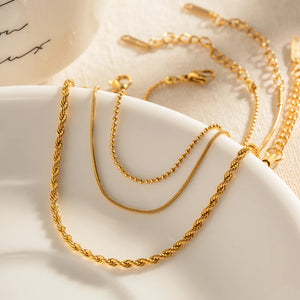
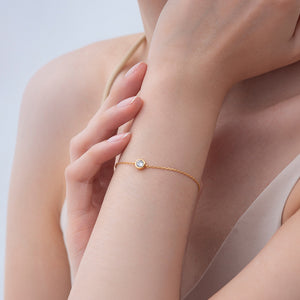
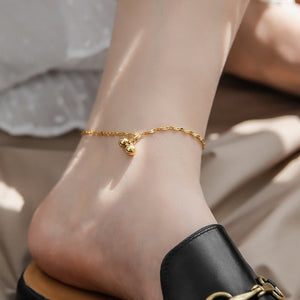
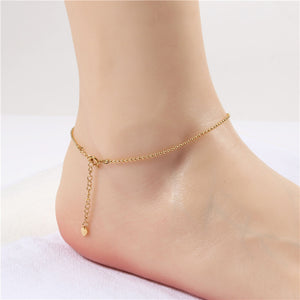

The piece they're describing → Waterproof Gold Bracelet for Women — 18K Gold Plated, Adjustable, Beach-Ready
Personalize Yours


