


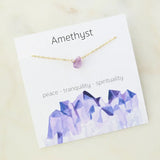
The most popular crystals for protection are black tourmaline, obsidian, amethyst, labradorite and smoky quartz. In crystal tradition, black tourmaline is the everyday grounding and shielding stone, obsidian is the intense one for boundaries, amethyst is the calming one, labradorite is for sensitive people in busy places, and smoky quartz is for letting go of stress. These are traditional beliefs, not safety measures: a crystal is not protective equipment and will not shield you from physical, medical or electronic harm.
Shop our elemental stone charms necklace: wear your protective stones as a daily talisman, with charms you can layer.
Protection crystals, also called protective stones, are gemstones that people have carried, worn or placed by the door as a symbol of safety and boundaries for centuries. This guide covers the twelve most popular, gives you a quick-pick table with hardness and care notes, and explains how people use them at home, on the body and when traveling.
Do Protection Crystals Actually Work?
Protection crystals work as a ritual and a reminder, not as a physical shield: there is no scientific evidence that any stone blocks negative energy, radiation, illness or harm. What people describe is symbolic and psychological, such as feeling steadier after choosing a stone, setting an intention, and noticing it on their wrist or desk through a hard day. That is the honest case for them.
Everything below describing what a stone "protects against" is traditional belief and folklore. Black tourmaline does not block Wi-Fi or electronic radiation, and no crystal replaces locks, safety equipment, medical care or support if you feel unsafe. If you are being harassed or threatened, contact the relevant services; a stone is a comfort, not a safeguard.
What Is the Best Crystal for Protection? Quick-Pick Table
| Stone | Traditionally linked to | Mohs hardness | Care watch-out |
|---|---|---|---|
| Black tourmaline | Grounding, everyday shielding | 7 to 7.5 | Durable; can be brittle along cracks |
| Obsidian | Strong boundaries, honesty | About 5 to 5.5 | Volcanic glass: chips and scratches |
| Amethyst | Calm, peaceful sleep | 7 | Color fades in long strong sunlight |
| Labradorite | Sensitivity, intuition in crowds | 6 to 6.5 | Avoid knocks and sudden heat |
| Smoky quartz | Releasing stress, grounding | 7 | Color can fade in strong sun |
| Hematite | Grounding, courage | About 5.5 to 6.5 | Heavy; polish can scratch |
| Tiger's eye | Clear thinking, confidence | About 7 | Avoid harsh chemicals |
| Black onyx | Steadiness, self-control | 6.5 to 7 | Black onyx is often dyed; avoid soaking and chemicals |
| Lapis lazuli | Truth, wisdom; long history as an amulet stone | About 5 to 5.5 | Soft; avoid soaking, chemicals, heat |
| Pyrite | Confidence, boundaries | 6 to 6.5 | Brittle; keep dry, never soak |
| Selenite | Clearing a room, calm | 2 | Very soft; keep away from water |
| Malachite | Guarding, transformation | About 3.5 to 4 | Soft copper mineral; keep dry, never polish or grind it yourself |
Which Protection Crystal Should You Choose?
Choose black tourmaline if you want one dependable, durable stone; the rest depend on what you want the stone to stand for. Tradition gives each a different role.
- Black tourmaline: the usual first stone. It is a hard, durable mineral that suits daily wear, and tradition links it with grounding and keeping unwanted influences at a distance. See black tourmaline meaning and how to use black tourmaline.
- Obsidian: natural volcanic glass, associated with firm boundaries and facing hard truths. Many people find it intense, so it often suits a desk or shelf better than all-day wear, and as glass it chips if knocked. See obsidian meaning, or compare the two in black tourmaline vs obsidian.
- Amethyst: the calm choice, traditionally kept near the bed or worn through anxious days. See amethyst meaning.
- Labradorite: linked in tradition with intuition and with feeling less drained in crowded places. See labradorite meaning.
- Smoky quartz: a grounding stone for releasing stress at the end of the day. See smoky quartz meaning.
- Tiger's eye, black onyx, pyrite and lapis lazuli: stones linked with confidence, steadiness and clear judgement. See tiger's eye, onyx, pyrite and lapis lazuli.
- Selenite and malachite: traditionally used in the home rather than worn, and both are soft. See selenite meaning and malachite meaning.

How Do You Use Protection Crystals?
The most common ways to use a protection crystal are to wear it, carry it, or place it near a doorway, and the best method is whichever you will do consistently. One or two stones is plenty.
Wearing protection crystals
A pendant or bracelet keeps the stone with you without effort and doubles as everyday jewelry. Pick harder stones (black tourmaline, amethyst, smoky quartz, tiger's eye) for daily wear, and keep soft stones (selenite, malachite, lapis lazuli, obsidian) for occasional wear or display, since they scratch and chip. If a stone sits in sterling silver, keep it away from salt and chlorine, which dull the metal.
Protection crystals at home
People traditionally place black tourmaline or obsidian near the front door, amethyst on the bedside table, and selenite on a shelf or windowsill. Placement is symbolic: it marks the space as yours. Use a dish or small stand so soft stones do not get knocked.
Protection crystals for travel and work
A small tumbled stone in a pocket, bag or desk drawer is the easiest travel option. Choose a smooth, durable stone such as black tourmaline or smoky quartz, and keep soft stones like selenite out of bags where they will rub against keys.
How Do You Cleanse and Care for Protection Crystals?
The safest way to care for most protection crystals is a dry, soft cloth, and any further cleansing is a personal ritual that does not change the stone. Cleanse by what the stone can tolerate, not by a single rule.
- Black tourmaline, amethyst, smoky quartz, tiger's eye (hardness about 7): a quick rinse in lukewarm water and a soft cloth is fine. Keep amethyst and smoky quartz out of long, strong sunlight, which can fade them.
- Obsidian, labradorite, hematite: wipe with a soft dry or barely damp cloth and avoid knocks and sudden temperature changes.
- Black onyx and lapis lazuli: wipe only. Avoid soaking, household cleaners and ultrasonic cleaners.
- Pyrite, selenite, malachite: keep dry. Selenite is soft and can be marked or damaged by water (see can selenite go in water), and malachite should not be soaked either (see can malachite go in water).
- Ritual options: moonlight, smoke from a safe distance, or sound from a bell or bowl are non-damaging for any stone.
Frequently Asked Questions
What is the strongest protection crystal?
Black tourmaline is the stone most often named the strongest protection crystal, with obsidian a close second for people who want something more intense. "Strongest" is a traditional label, not a measured effect, and neither stone protects against physical harm.
What are the 7 power crystals?
There is no official list, but the stones most often called power crystals are clear quartz, amethyst, citrine, carnelian, tiger's eye, rose quartz and black tourmaline. For protection specifically, black tourmaline, obsidian, amethyst, labradorite and smoky quartz are the usual picks.
What is the most powerful crystal in the world?
No crystal has been shown to be more powerful than another, because crystals have no measured energy effects. In tradition, clear quartz is called the master stone, and black tourmaline and obsidian are the most powerful for protection. For jewelry, hardness is the practical measure: quartz and tourmaline are durable.
What crystal should not be in the bedroom?
Tradition suggests keeping stimulating stones such as pyrite, citrine and carnelian out of the bedroom, and many people also avoid very intense obsidian near the bed. Calming stones like amethyst and moonstone are the usual bedroom picks. This is folklore, so go by what feels right to you.
What does God say about using crystals?
Views differ by faith and tradition, and there is no single answer. Some traditions treat crystals as natural objects with symbolic meaning, others treat amulets and protection rituals as inappropriate. If this matters to you, ask a trusted leader from your own faith.
Where should you put protection crystals in your home?
Tradition places black tourmaline or obsidian near the front door, amethyst by the bed, and selenite on a shelf. The placement is symbolic, so choose a spot where you will see the stone and where it will not get knocked or wet.
Can you combine protection crystals?
Yes, and many people pair a grounding stone with a calming one, such as black tourmaline with amethyst, or smoky quartz with clear quartz. Two or three stones is plenty, and there are no rules beyond what you enjoy wearing or keeping.
Which stone is best to wear for protection?
Black tourmaline is the usual choice to wear because it is hard enough for daily jewelry and is traditionally linked with grounding. Amethyst, smoky quartz and tiger's eye are also durable. Soft stones such as selenite and malachite are better kept at home than worn.
Is black tourmaline or obsidian better for protection?
Choose black tourmaline for everyday wear and obsidian for a stronger, more reflective practice at home. Tradition describes black tourmaline as steady and obsidian as intense. As jewelry, black tourmaline is also harder and less likely to chip. See our full comparison.
Do protection crystals block EMF or negative energy?
No crystal has been shown to block electromagnetic radiation or negative energy. Black tourmaline is often described that way in crystal folklore, but treat it as a symbol, and rely on proper equipment and professional advice for any real safety concern.
Shop AJLuxe Crystal Jewelry
Gemstone and birthstone necklaces · 925 sterling silver
Browse Crystal Jewelry →Looking for a stone for another goal? See crystals for anxiety, crystals for energy, crystals for money, crystals for manifestation, or the full Healing Crystals Guide.
Explore more: Crystal Jewelry: Meanings & Guides
Written by the AJLuxe team. Last updated October 2026. Crystals are a traditional and cultural practice, not protective equipment or a medical treatment.
All third-party trademarks, brand names and product names are the property of their respective owners. AJLuxe is not affiliated with, endorsed by, sponsored by, or otherwise connected to any third-party brand referenced in this article. Brand names are used solely for accurate comparative reference, and material descriptions reflect each brand's own published product specifications at the time of writing.
You Might Also Like
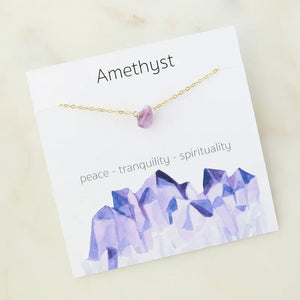
The piece they're describing → Stone Charm Necklace for Women — Raw Natural Gemstone Pendant
Personalize Yours


