


Malachite is one of the most striking minerals on earth — those deep green banded swirls have been valued since the Bronze Age. But it's also one of the most misunderstood stones in crystal care, particularly around water safety. Unlike most "avoid water" advice in crystal guides that's precautionary, with malachite the concern is concrete: malachite in water can create a liquid that is genuinely harmful if consumed.
This guide covers exactly why, what the actual risks are at different levels of water contact, and how to care for and cleanse malachite safely.
Can Malachite Go in Water? No — Here's Why
The direct answer is no — avoid it. Malachite should not go in water, and especially should not be used to create crystal elixirs, infused water, or any liquid intended for consumption.
The reason is chemical. Malachite's formula is Cu₂(CO₃)(OH)₂ — copper carbonate hydroxide. It's a copper mineral. When malachite comes into contact with water — particularly acidic water — copper ions can leach out of the stone into the liquid. Elevated copper concentrations in water are toxic to humans.
The US Environmental Protection Agency's action level for copper in drinking water is 1.3 mg/L (1.3 ppm). While a brief rinse is unlikely to leach that much copper immediately, prolonged soaking — the kind done intentionally for crystal elixirs — can produce concentrations that exceed safe limits.
Malachite also rates 3.5–4 on the Mohs hardness scale — relatively soft. This means water contact doesn't just create a toxicity concern; it also causes physical surface damage over time, dulling the polished finish and weakening the stone's structure.
Why Malachite Water Can Be Dangerous
Crystal elixirs — water infused by placing a stone in it — are popular in crystal healing communities. With many stones, this is a harmless practice. With malachite, it is not.
Here's what happens when malachite interacts with water:
- Copper leaching: The copper carbonate structure partially dissolves in water, releasing Cu²⁺ ions into solution. This happens even in neutral water, and accelerates significantly in acidic water (including most tap water).
- Green discoloration: Water that has soaked malachite often shows a green tint — this is copper in solution, the same chemistry that turns copper pipes green (patina/verdigris).
- Toxicity threshold: Acute copper toxicity from drinking copper-contaminated water causes nausea, vomiting, and gastrointestinal distress. Chronic exposure causes liver and kidney damage.
- Raw vs. polished difference: Raw, unpolished malachite leaches more readily because more surface area is exposed. Polished or tumbled malachite has a sealed surface that provides some barrier — but not a complete one.
The distinction that matters most: external contact with water is a different risk than ingesting water that held malachite. The former is primarily a cosmetic/structural concern; the latter is a genuine health risk.
What About a Quick Rinse to Clean Malachite?
A very brief surface rinse with cool water — to remove dust or surface grime — is physically possible without immediately catastrophic results, especially for polished malachite. However, this approach carries unnecessary risk and is best avoided entirely.
If you do rinse malachite briefly:
- Use cool water only — warm or hot water accelerates copper leaching
- Keep it extremely brief — a few seconds, not minutes
- Do not rub or scrub — friction increases surface leaching
- Dry immediately and completely with a soft cloth
- Wash your hands afterward
- Discard the rinse water — do not use it for plants, pets, or any other purpose
The safer alternative for physical cleaning: a dry soft cloth removes surface dust effectively. For raw malachite with crevices, a dry soft-bristled brush (like a clean paintbrush) reaches into the texture without water contact.
Malachite Safety — What Else to Know
The water concern is the most commonly overlooked safety issue with malachite, but it's not the only one. A complete picture of malachite handling safety:
- Malachite dust is toxic: The same copper carbonate chemistry that makes water-infusion dangerous makes dust inhalation dangerous. Never sand, grind, drill, or file malachite without proper ventilation and respiratory protection. This is primarily a concern for lapidaries and jewelers cutting the stone — not casual collectors or jewelry wearers.
- Wash hands after handling raw specimens: Particularly after extended contact with raw, unpolished malachite. Polished jewelry is lower risk for everyday handling.
- Keep away from acids: Vinegar, lemon juice, acidic cleaners — any acid accelerates copper carbonate dissolution and increases leaching. Never clean malachite with acidic products.
- Polished malachite jewelry is safe to wear: Daily wear of polished malachite pendants, earrings, and rings is considered safe for most people. The coating and polish layer significantly reduces copper transfer to skin. If you have sensitive skin or copper sensitivity (rare), take appropriate precautions.
- Remove before swimming: Pool water (chlorinated) and ocean water (salty) are both harder on malachite than plain fresh water. Remove malachite jewelry before swimming.
- Azurmalachite needs the same precautions: Azurmalachite — a natural intergrowth of malachite and azurite, recognizable by its swirled blue-and-green banding — shares malachite's copper carbonate chemistry. Every water and dust precaution above applies equally to azurmalachite pieces.
Safe Ways to Cleanse Malachite
With water off the table, here are the cleansing and charging methods that work well for malachite:
| Method | Safe? | Notes |
|---|---|---|
| Moonlight | ✅ Yes | Place on indoor windowsill — avoid outdoor dew exposure |
| Selenite plate | ✅ Yes | Passive overnight charging — most convenient option |
| Sound bath | ✅ Yes | Singing bowl or tuning fork — vibration-based clearing |
| Smoke cleansing | ✅ Yes | Sage, palo santo, or incense smoke works well |
| Dry soft cloth (physical cleaning) | ✅ Yes | Best option for removing surface dust from polished pieces |
| Sunlight | ⚠️ Brief only | 30 min max — prolonged UV can fade malachite's green color |
| Water rinse | ❌ Avoid | Copper leaching risk — use dry cloth instead |
| Malachite elixir / infused water | ❌ Dangerous | Never drink — copper toxicity risk |
| Salt water | ❌ No | Abrasive + accelerates copper leaching — avoid entirely |
What Crystals Should Never Go in Water?
Malachite is one of a group of crystals that should stay dry for safety or structural reasons. The general framework:
- Selenite — Mohs 2, gypsum-based, will literally dissolve in water. See our full guide: Can Selenite Go in Water?
- Malachite — Mohs 3.5–4, copper carbonate, copper toxicity risk in water
- Pyrite — iron sulfide; water triggers oxidation and can produce dilute sulfuric acid
- Hematite — iron-based, will rust with water contact
- Lepidolite — mica-family stone; water causes the layered structure to delaminate and flake
- Fluorite — Mohs 4, soft and porous; water causes surface damage and cloudiness
- Calcite — Mohs 3, calcium carbonate; dissolves slowly in water similar to selenite
Crystals generally considered safer for brief water contact (Mohs 6+): clear quartz, amethyst, rose quartz, citrine, tiger's eye, obsidian, and carnelian. Even with these, prolonged soaking is not recommended.
If you love malachite's transformation energy in wearable form, our birthstone necklace collection features polished gemstone pendants in sterling silver — designed for safe everyday wear.
Frequently Asked Questions
Can malachite go in water?
No — avoid putting malachite in water. As a copper carbonate mineral (Cu₂(CO₃)(OH)₂), malachite can leach copper ions into water, making any water it soaks in potentially toxic. Use a dry soft cloth for physical cleaning and moonlight or a selenite plate for energetic cleansing.
Is malachite toxic in water?
Water that has had malachite soaking in it can contain leached copper ions. If consumed, this water can cause copper toxicity symptoms including nausea, vomiting, and gastrointestinal distress. Never drink malachite-infused water or make a malachite crystal elixir.
Can malachite go in salt water?
No — salt water is especially harmful to malachite. The sodium chloride accelerates copper leaching and causes additional physical surface damage. Never place malachite in salt water for any reason.
Can you make malachite crystal water?
No. Malachite crystal elixirs — water infused with malachite — are not safe to consume. The copper that leaches from the stone into the water can reach toxic concentrations. This is one of the crystal elixir combinations that is genuinely dangerous, not just precautionary.
How do you cleanse malachite?
Safe cleansing methods for malachite include moonlight (placed on an indoor windowsill overnight), sound bath with a singing bowl, smoke cleansing with sage or palo santo, or placing it on a selenite charging plate. All of these are water-free and safe.
Can malachite go in the sun?
Brief sunlight exposure (30 minutes or less) is generally safe for malachite. Prolonged UV exposure can fade malachite's rich green color over time. Keep it out of direct sun for extended periods and don't display it in sunny windowsills indefinitely.
Can you touch malachite with wet hands?
Brief, incidental contact with wet hands is unlikely to cause significant harm for polished malachite jewelry. However, it's good practice to dry your hands before handling malachite, and to wash your hands after prolonged contact with raw malachite specimens.
Is malachite safe to handle?
Polished malachite jewelry is safe for everyday wear and casual handling. Raw, unpolished malachite specimens carry higher risk — wash hands after extended contact, and never handle or work with malachite in ways that generate dust (sanding, grinding) without respiratory protection.
What crystals should not go in water?
Crystals to keep dry include: selenite (dissolves in water), malachite (copper toxicity risk), pyrite (iron sulfide — rusts and can produce sulfuric acid), hematite (rusts), lepidolite (mica layers delaminate), fluorite (Mohs 4, surface damage), and calcite (dissolves slowly). As a general rule, any stone rated below Mohs 5 on the hardness scale should stay out of water.
How do you clean malachite?
For physical cleaning, use a dry soft cloth to wipe away surface dust. For creviced raw specimens, a dry soft-bristled brush works well. Avoid water, acidic cleaners, abrasive cloths, and ultrasonic cleaners. Never use chemical jewelry cleaners on malachite.
Can raw malachite go in water?
Raw malachite should not go in water — the exposed surface area of raw specimens increases the rate of copper leaching compared to polished pieces. If anything, raw malachite carries more risk in water contact than polished malachite, not less.
Final Thoughts
Malachite is a stone that rewards respect. Its visual complexity — those swirling concentric bands that have never been exactly replicated in synthetic materials — comes from the same copper-rich geological process that makes it chemically active in water.
The core rules are simple: no water soaking, never make a malachite elixir, use a dry cloth for cleaning. With those three rules in place, malachite is a stunning, safe, and powerful addition to any collection — whether worn as jewelry, displayed as a specimen, or used on a healing altar.
For energetic cleansing, moonlight and selenite plates are your best friends. Neither requires water, neither risks your stone, and both respect what malachite actually is: a copper mineral with thousands of years of transformative symbolism behind it.
Explore our gemstone birthstone necklace collection for genuine stone pendants crafted for safe everyday wear in sterling silver and gold-plated settings.
Written by the AJLuxe team — specialists in personalized sterling silver and gemstone jewelry. Last updated: June 2026.
Related reading: Can citrine go in water.
Related reading: Can obsidian go in water.
Related reading: Can lapis lazuli go in water.
Related reading: Can amethyst go in water.
Related reading: Can kyanite go in water.
Related reading: Can pyrite go in water.
Is Malachite Poisonous?
Malachite itself isn't poisonous to touch or wear — the danger is specifically from ingesting it or drinking water it has soaked in, because the stone contains copper carbonate that can release toxic copper ions.
It helps to separate three different levels of contact, since "is malachite poisonous" gets asked about all of them. Wearing polished malachite jewelry against your skin is considered safe for most people — daily contact with a pendant, ring, or earrings doesn't introduce meaningful copper exposure, since the polished surface limits transfer. Handling raw or tumbled specimens is also low-risk, though washing your hands afterward is a sensible habit, especially with rough, unpolished pieces that shed more surface material. The real hazard shows up with ingestion in any form: swallowing a fragment, drinking water a stone has soaked in (crystal elixirs), or inhaling malachite dust from cutting, sanding, or grinding the stone without ventilation.
The chemistry is straightforward: malachite is copper carbonate hydroxide (Cu₂(CO₃)(OH)₂), and copper is what makes it poisonous in these ingestion scenarios. The EPA sets its action level for copper in drinking water at 1.3 mg/L — a threshold malachite-soaked water can exceed with enough soak time. Symptoms of acute copper ingestion include nausea, vomiting, and gastrointestinal distress, with chronic exposure linked to liver and kidney damage. This is also why malachite dust is a genuine occupational hazard for lapidaries and jewelers, not something casual owners typically encounter.
For everyday purposes: if you're wearing malachite jewelry or keeping tumbled stones on a shelf, there's nothing to worry about. The precautions matter specifically around water and dust — never make malachite elixirs, and never cut or sand it without a respirator and proper ventilation. Keep raw specimens away from children and pets who might mouth them, since curiosity-driven ingestion is the realistic risk pathway, not ambient exposure.
All third-party trademarks, brand names and product names are the property of their respective owners. AJLuxe is not affiliated with, endorsed by, sponsored by, or otherwise connected to any third-party brand referenced in this article. Brand names are used solely for accurate comparative reference, and material descriptions reflect each brand's own published product specifications at the time of writing.
You Might Also Like
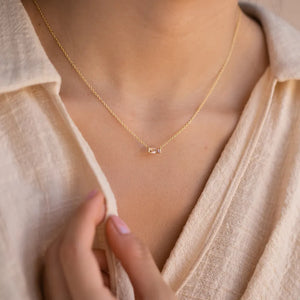
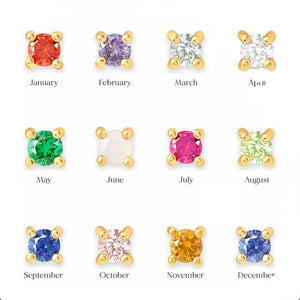
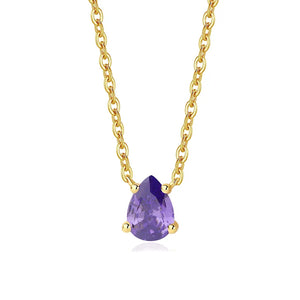
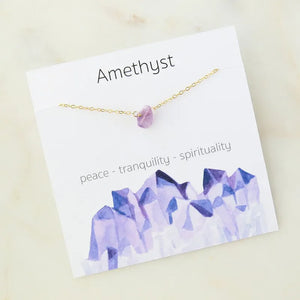
The piece they're describing → Stone Charm Necklace for Women — Raw Natural Gemstone Pendant
Personalize Yours


