


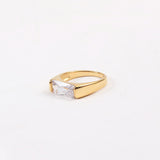
- Pure gold itself never tarnishes — it's the alloy metals mixed in (copper, silver, zinc) that can dull or discolor over time.
- 24K gold is purest but too soft for everyday rings; 18K and 14K balance durability with tarnish resistance.
- Gold vermeil (thick gold over sterling silver, by FTC standard at least 2.5 microns / 10K+ gold) outlasts standard gold-plated jewelry, which uses a thinner layer over cheaper base metals.
- The base metal under the plating matters as much as the plating itself — sterling silver resists corrosion better than brass or copper.
- AJLuxe pieces use a 925 sterling silver base with 18K gold plating, hypoallergenic and nickel-free, from $24.99–$79.99.
- Keeping gold-plated jewelry away from water, perfume, and friction is the single biggest factor in how long the finish lasts.
"Gold jewelry" isn't one product — it's a spectrum from 24K solid gold to a few microns of gold plated over a base metal, and that spectrum is exactly what determines whether a piece stays bright or turns dull and greenish within months. If you've ever bought a "gold" ring for $12 that turned your finger green in two weeks, the problem wasn't gold — it was what was underneath it. Here's what actually resists tarnish, tested against the karats and construction methods real jewelry is made from.
What Gold Jewelry Doesn't Tarnish?
Solid gold at 18K or higher resists tarnish the most reliably because it's mostly pure, chemically stable gold with only a small percentage of alloy metal mixed in. Gold itself is a noble metal — it doesn't oxidize or react with oxygen and moisture the way silver, copper, or brass do, which is why ancient gold artifacts still shine today. The tarnish problem in "gold" jewelry almost always comes from what gold is mixed with (in solid gold) or plated over (in vermeil and gold-plated pieces), not from the gold itself.
Solid Gold vs. Gold Vermeil vs. Gold-Plated: Which Actually Resists Tarnish?
The three categories perform very differently because they contain wildly different amounts of actual gold, and the comparison below is the fastest way to see why.
| Type | What it is | Tarnish resistance | Typical price |
|---|---|---|---|
| 24K solid gold | 99.9% pure gold | Excellent, but too soft for daily-wear rings/bracelets | $$$$ |
| 18K solid gold | 75% gold, 25% alloy | Excellent, durable enough for daily wear | $$$$ |
| 14K solid gold | 58.3% gold, rest alloy | Very good, the everyday-wear standard in the US | $$$ |
| 10K solid gold | 41.7% gold | Good, but more alloy means more reactivity over years | $$ |
| Gold vermeil | 10K+ gold, min. 2.5 microns, over sterling silver (FTC standard) | Good to very good; silver base resists corrosion well | $$ |
| Gold-plated (over sterling silver) | Thin gold layer over 925 silver | Good for the price; base metal doesn't corrode | $ |
| Gold-plated (over brass/copper) | Thin gold layer over base metal | Weakest — base metal oxidizes once plating wears through | $ |
The pattern is consistent: more gold and a more stable base metal both push tarnish resistance up. That's why gold-plated jewelry built on 925 sterling silver — rather than brass or copper — holds up so much better than the bargain-bin version of the same category.
What Type of Gold Jewelry Lasts the Longest?
Solid 18K or 14K gold lasts the longest overall because there's no plating layer to wear through — the color is the metal, all the way down. For pieces you wear daily for years (wedding bands, everyday studs), solid gold at 14K or 18K is the most durable choice since scratches and years of contact never expose a different-colored base metal underneath. Where budget rules out solid gold, thick plating over sterling silver is the next-longest-lasting option, because even after the top gold layer eventually wears, the silver underneath won't corrode or discolor your skin the way brass or copper can.
Is Gold Vermeil Better Than 14K Gold?
Gold vermeil is not better than 14K solid gold in raw durability, but it's a smarter buy than most gold-plated jewelry and far more affordable than solid gold. 14K gold is gold all the way through, so it never chips or reveals a different metal. Vermeil is a thick gold layer (by FTC rule, at least 2.5 microns and at least 10 karat gold) over a sterling silver base — it will eventually show wear with heavy daily use in a way solid 14K won't, but because the base is precious-metal silver rather than a cheap alloy, it ages far more gracefully than typical costume gold-plated jewelry.
What Gold Doesn't Tarnish or Turn Green?
Gold itself never turns your skin green — that greenish tint comes from the copper or other base metals in low-karat gold or under thin plating reacting with sweat, lotion, or air. Higher-karat solid gold (18K+) has less alloy to react, so it's the least likely to cause green skin discoloration. If you're buying plated jewelry instead, the base metal matters more than the gold layer: plating over hypoallergenic 925 sterling silver won't turn your skin green even after the gold layer wears thin, while plating over nickel-containing base alloys can.
What Gold Is Best for Everyday Wear?
14K solid gold is the best balance of tarnish resistance, durability, and price for jewelry you wear every day. It has enough gold content to resist discoloration and enough alloy strength to survive knocks, showers, and gym bags better than softer 18K or 24K pieces. If solid gold isn't in budget, 18K gold plating over a sterling silver base is the best everyday-wear alternative — it's hypoallergenic, nickel-free, and holds its finish far longer than plating over brass, especially if you keep it away from perfume, chlorine, and prolonged water exposure.
18K gold plating option
Nickel-free, safe for daily wear
Boxed, no extra charge
Insured shipping, easy returns
Which Tarnish-Resistant Gold Jewelry Should You Buy?
If you want the look of gold without the tarnish problems of cheap plating, choose a piece built on a 925 sterling silver base rather than brass or copper — the base metal is what determines whether the piece ages gracefully or turns your skin green once the surface wears. AJLuxe's 18K Gold Plated Statement Ring — Tarnish-Resistant CZ ($29.99) uses genuine 18K gold plating built to resist the tarnish that plagues thin plating over cheaper base metals. It's a smart middle ground between the cost of solid gold and the short lifespan of bargain gold plating, and it ships gift-ready.
Frequently Asked Questions
What type of gold jewelry lasts the longest?
Solid 18K or 14K gold lasts the longest since there's no plating to wear through and expose a different-colored metal underneath; if you're buying plated jewelry, look for a sterling silver base rather than brass or copper for the longest-lasting finish.
Is gold vermeil better than 14K gold?
Not in raw durability — 14K is gold all the way through — but vermeil's thick gold layer over sterling silver ages far better than typical gold-plated costume jewelry, making it the better value pick between the two budget tiers.
What gold doesn't tarnish or turn green?
Higher-karat solid gold (18K and up) resists tarnishing and won't turn skin green because it contains very little reactive alloy metal; for plated jewelry, a sterling silver base under the gold layer is what prevents green skin discoloration once the plating wears thin.
What gold is best for everyday wear?
14K solid gold is the best everyday-wear balance of durability and tarnish resistance; 18K gold plating over hypoallergenic sterling silver is the best budget alternative for daily wear.
Does 18K gold plating tarnish?
18K gold plating itself resists tarnish well since it's a high gold content, but how long that resistance lasts depends entirely on the base metal underneath — plating over sterling silver stays wearable far longer than plating over brass or copper because the base won't corrode once the gold layer thins.
How can I make gold-plated jewelry last longer?
Take it off before showering, swimming, or applying perfume and lotion, and store it flat in a dry pouch away from other jewelry — moisture, chemicals, and friction are what wear through a gold-plated finish fastest, not everyday wear on its own.
For more on how jewelry alloys and plating standards are defined, see the Federal Trade Commission, which sets the US labeling rules for gold vermeil, gold-plated, and gold-filled jewelry.
All third-party trademarks, brand names and product names are the property of their respective owners. AJLuxe is not affiliated with, endorsed by, sponsored by, or otherwise connected to any third-party brand referenced in this article. Brand names are used solely for accurate comparative reference, and material descriptions reflect each brand's own published product specifications at the time of writing.
You Might Also Like
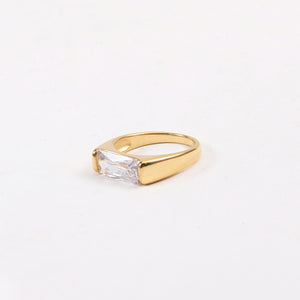

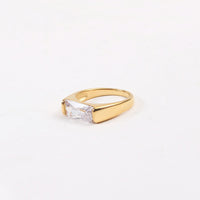
The piece they're describing → 18K Gold Plated Statement Ring — Tarnish-Resistant CZ
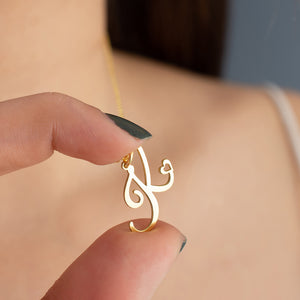
Personalize Yours


