


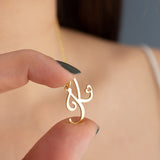
- "Alloy" just means a mix of metals — it's a category, not a single metal, so quality swings wildly depending on what's actually in it.
- Zinc alloy (also called "pot metal" or "white metal") is the cheapest, most common alloy in costume jewelry — light, low-cost, and prone to tarnishing.
- Sterling silver is technically an alloy too (92.5% silver + 7.5% other metal, almost always copper) — a defined, regulated standard, not a mystery blend.
- Unmarked or unspecified "alloy" jewelry is the most common trigger for skin reactions because it often contains nickel.
- Stainless steel and sterling silver generally outperform generic base-metal alloy for everyday wear and tarnish resistance.
- If a listing just says "alloy" with no composition, that's a red flag worth asking about before you buy.
"Alloy" shows up on more jewelry tags than almost any other word, and it's rarely explained. It's not false advertising, exactly — it's just vague, and vague is doing a lot of work on a $12 pair of earrings. Below is what alloy jewelry actually is, what's typically inside it, how it stacks up against sterling silver and stainless steel, and how to tell a decent alloy from one that's going to turn your ears green by Friday.
What Is Alloy Jewelry, Exactly?
Alloy jewelry is any piece made from a blend of two or more metallic elements melted together, rather than from a single pure metal like 100% gold or 100% silver. Metalworkers alloy metals because pure metals are usually too soft, too expensive, or too reactive to wear well on their own — mixing in a second (or third) metal changes the hardness, color, weight, and cost of the final piece. The catch is that "alloy" describes a process, not an ingredient list, so two pieces both labeled "alloy" can be built from completely different — and completely differently priced — metals.
Why Do Jewelers Alloy Metals in the First Place?
Jewelers alloy metals mainly for durability and cost, because pure gold and pure silver are too soft to hold a shape or survive daily wear. Pure gold (24K) is famously easy to bend or scratch, which is why almost all gold jewelry — from 10K to 22K — is actually a gold alloy mixed with metals like copper, silver, or zinc for strength. The same logic applies at the budget end of the market: alloying in cheap base metals like zinc or brass lets a manufacturer produce a piece that looks like silver or gold at a fraction of the cost.
What Is Alloy in Jewelry Made Of?
Alloy jewelry is typically made of a base metal like copper, zinc, brass, tin, or nickel, sometimes combined with a small amount of a precious metal and sometimes plated over the top with one. The specific blend depends entirely on the price point and purpose of the piece:
- Precious-metal alloys — sterling silver (silver + copper) and karat gold (gold + copper/silver/zinc) are alloys with legally defined minimum purity standards.
- Base-metal alloys — zinc alloy, brass (copper + zinc), and bronze (copper + tin) contain no precious metal at all and are common in costume and fast-fashion jewelry.
- Plated alloys — a base-metal alloy core with a thin layer of gold, silver, or rhodium electroplated on top, which is where "gold tone" or "silver tone" jewelry usually comes from.
The plating detail matters: a piece can legitimately be described as "gold alloy" on the surface while the metal actually touching your skin is zinc, brass, or nickel underneath.
What Is Zinc Alloy Jewelry?
Zinc alloy jewelry is jewelry made primarily from zinc mixed with small amounts of other metals like copper, aluminum, or magnesium — sometimes called "pot metal" or "white metal" in the trade. It's the workhorse metal of the costume and fast-fashion jewelry industry because it's cheap to melt and cast into detailed shapes, which is why you'll see it in statement earrings, trend rings, and novelty pieces sold for under $15. The tradeoff is that zinc alloy is soft, tarnishes faster than sterling silver or stainless steel, and is frequently plated rather than solid, so the finish tends to wear thin with regular use.
Is Alloy Jewelry Good Quality?
Alloy jewelry can be good quality or poor quality — it depends entirely on which metals are in the alloy, not on the word "alloy" itself. A well-made alloy with a known, quality-controlled composition (sterling silver, 316L surgical stainless steel) can last for years and be perfectly safe to wear daily. A generic, unspecified "alloy" — common on marketplace listings with no metal breakdown — is a much bigger gamble, because that single word can be hiding anything from a solid zinc-copper blend to a nickel-heavy mix that tarnishes within weeks and irritates sensitive skin.
The practical rule: treat "alloy" as a category that needs a follow-up question, not a quality claim on its own. If a listing won't tell you the actual metal composition, that's usually because the composition isn't something worth advertising.
Does Alloy Jewelry Turn Black?
Yes, many alloy jewelry pieces can turn black or leave dark marks on skin, and this usually comes down to oxidation of the base metals inside the alloy — most often copper or the metals in a thin plating layer wearing through. Copper and copper-heavy alloys (like brass and bronze) react with oxygen, moisture, sweat, and everyday lotions or perfumes, which is what produces that greenish-black tarnish or skin discoloration. It's more common — and more visible, faster — on unplated base-metal alloy than on sterling silver or stainless steel, because those have more predictable, better-understood tarnish behavior and, in stainless steel's case, far more resistance to it in the first place.
Alloy vs Stainless Steel vs Sterling Silver: Which Is Better?
Stainless steel and sterling silver generally outperform unspecified base-metal alloy for everyday jewelry, because both are defined, quality-controlled compositions rather than a catch-all category. Which of the two wins depends on what you're optimizing for — sterling silver has more shine and value for special-occasion pieces, while surgical-grade stainless steel edges it out for scratch resistance and tarnish resistance on things you wear every day, like studs or a stacking ring.

| Metal | What It's Made Of | Tarnish Resistance | Allergy Risk | Typical Use |
|---|---|---|---|---|
| Generic/zinc alloy | Zinc + unspecified base metals, often nickel | Low | Higher — composition often unlisted | Costume, trend, single-wear pieces |
| Surgical stainless steel | Iron, chromium, low/no nickel (316L grade) | High | Low in surgical grade | Everyday wear, active lifestyles |
| 925 sterling silver | 92.5% silver, 7.5% copper (defined standard) | Moderate (cleans back up easily) | Low when nickel-free | Everyday wear, gifting, sensitive skin |
Worth noticing: sterling silver is technically an alloy, too. The difference between it and the "alloy" on a bargain-bin tag isn't that one is pure metal and one isn't — it's that 925 sterling has a legally defined, consistent recipe, while generic "alloy" doesn't have to disclose anything.
Is Alloy Better Than Sterling Silver?
No, for most everyday and gift jewelry, sterling silver is the better choice over generic alloy because its composition is standardized and its allergy risk is far more predictable. Generic alloy can occasionally beat sterling silver on raw scratch-resistance or price for costume pieces you don't expect to keep long, but for anything worn daily or given as a gift, the known 92.5%-silver standard is the safer bet.
Which Metal Should You Actually Buy?
If you want jewelry you can wear daily without worrying about your skin or the finish, choose a defined metal with a known composition — 925 sterling silver or surgical-grade stainless steel — over anything labeled just "alloy" with no breakdown. That single distinction is the difference between jewelry that still looks good in a year and jewelry that's gone dull, dark, or itchy in a month.
This is also exactly why AJLuxe builds every piece in solid 925 sterling silver with 18K gold plating rather than an unspecified base-metal alloy: the composition is known, it's nickel-free and hypoallergenic, and it's backed by 40,000+ customers who've worn it daily without the reactions generic alloy is known for. Pieces run $24.99–$79.99 and arrive gift-boxed at no extra cost — if you've been burned by a cheap alloy piece turning your skin green, that's the upgrade to make next.
For more on metal safety and skin reactions, the American Academy of Dermatology publishes patient education on nickel allergy and metal contact dermatitis: aad.org.
Frequently Asked Questions
Is alloy jewelry good quality?
It depends entirely on the specific metals in the alloy — a known blend like surgical stainless steel or sterling silver can be excellent quality, while an unspecified generic "alloy" is a gamble that's often lower quality and more prone to tarnish.
Does alloy jewelry turn black?
Yes, many alloy pieces can turn black or discolor skin because base metals like copper inside the alloy oxidize when exposed to air, moisture, and sweat, and this shows up faster on unplated or thinly plated base-metal alloy than on sterling silver or stainless steel.
Which is better, stainless steel or alloy?
Surgical-grade stainless steel is generally better than generic alloy for everyday jewelry because its composition is standardized and it resists scratching and tarnish far more consistently than an unspecified base-metal blend.
Is alloy better than sterling silver?
No, sterling silver is generally the better choice for daily wear and gifting because it's a legally defined 92.5%-silver standard, while generic alloy has no required composition and carries a higher chance of containing skin-irritating metals like nickel.
What is zinc alloy jewelry made of?
Zinc alloy jewelry is made mostly of zinc combined with small amounts of other metals such as copper, aluminum, or magnesium, and it's the most common metal used in low-cost costume and fashion jewelry because it's inexpensive to cast into detailed shapes.
How can I tell if jewelry is a cheap alloy or a real precious metal?
Check the listing or the piece itself for a purity stamp like "925" for sterling silver or "14K"/"18K" for gold — a defined stamp means a regulated composition, while a listing that only says "alloy" with no stamp or breakdown is almost always a base-metal piece.
All third-party trademarks, brand names and product names are the property of their respective owners. AJLuxe is not affiliated with, endorsed by, sponsored by, or otherwise connected to any third-party brand referenced in this article. Brand names are used solely for accurate comparative reference, and material descriptions reflect each brand's own published product specifications at the time of writing.
You Might Also Like
The piece they're describing → Heart Initial Necklace for Women — 18K Gold Plated, Personalized Letter + Heart Pendant
Personalize Yours


