


- What they do: soak up the sulfur gases that turn silver black. They do not touch moisture, sweat or lotion.
- How to use: clean the jewelry, put it in a small sealed bag or box, add a strip that fits the space, and keep it dry.
- How long: about six months is the usual advice, longer in a tight enclosure and shorter in a loose one.
- Limits: no help for open display, for worn plating, or for tarnish caused by wearing the piece.
If you have heard "just put a strip in the bag" and wondered whether it is worth doing, this page explains what a strip is, how it works, how to use it and where it stops being useful. The wider tarnish and storage advice is already in our guide to preventing jewelry tarnish and jewelry storage ideas; this page is only about the strips and bags.
What Are Anti-Tarnish Strips?
Anti-tarnish strips are small pieces of treated paper or plastic that you place inside a closed container with silver and other metals. A craft-supply retailer describes them as absorbing the sulfides and other air pollutants that cause tarnishing, and says they protect silver, gold, copper, bronze, nickel, tin and plated metals. A silver-care brand's page says its strips neutralize tarnish-causing sulfur gases in enclosed storage.
Two main designs turn up in the sources. Activated-charcoal paper holds sulfur-bearing molecules in its pores. Other strips use a treated plastic that reacts with the sulfur instead of the silver. They come in strips, in bags with the material built into the plastic, and as cloth or tabs. Which type you buy matters less than whether it fits the space and is kept in a sealed enclosure.
How Do They Work?
Silver tarnishes when it reacts with sulfur-containing gases in the air, forming a dark layer. A reference entry on silver conservation says these gases come from air pollution, paints, textiles, bacterial by-products and some building materials. A strip competes for those gases so that less reaches the metal. The reference notes museums use sealed bags and sulfur-free tissue, and add a strip or activated charcoal inside the bag. It also says humidity matters, recommending about 40 percent relative humidity or lower, and that damp places such as basements speed tarnishing.
That tells you what a strip cannot do. It addresses sulfur gas in the air. It does nothing about the sweat, lotion, perfume, chlorine or hairspray that tarnish a piece while you are wearing it, and it cannot help if the space is not closed.
How to Use Anti-Tarnish Strips
- Clean first. Strips do not remove tarnish that is already there, so wipe the piece with a soft cloth (see our silver tarnish removal guide) and let it dry fully.
- Pick a closed container. A zip-top bag with the air pressed out or a lidded box works. Several jewelry pieces can share a bag, but keep delicate chains from tangling.
- Add a strip sized to the space. A craft retailer says a strip about 17.5 by 5 cm protects roughly one cubic foot for around six months, and that one sheet can be cut into small pieces for small bags. A silver-care brand's guidance is about one strip per square foot of enclosed area. The two give different ways of measuring, so use more strips for a big drawer and a trimmed piece for a small bag.
- The strip does not have to touch the jewelry. The craft retailer says it only needs to be nearby. The conservation reference describes tissue between the strip and the silver, which is a sensible habit for delicate pieces.
- Keep it closed and dry. The silver-care brand says strips do best in spaces that are not opened often, because each opening lets in fresh air.
- Write the date on the bag. That is our tip, so you know when to replace it.
How Long Do Anti-Tarnish Strips Last?
Plan on roughly six months. Both a craft retailer and a silver-care brand give six months as the replacement interval, and the retailer adds that results vary with pollution, humidity and how airtight the packaging is, and that the tighter the enclosure the longer the strips last. Unused strips are said to keep up to two years if stored in an airtight bag. These figures are estimates from sellers, not independent tests, so if the jewelry starts to darken, clean it and replace the strip sooner.
What They Cannot Do
- They are not a seal. A conservation reference says sealed storage does not help pieces left on open display.
- They do not fix worn plating. If the thin gold layer on a plated piece has worn through at a high-friction spot, the silver underneath is exposed, and wearing it is what wears it away. See does gold plated jewelry tarnish.
- They do not undo tarnish. Use a polishing cloth or the methods in how to clean tarnished jewelry.
- Results vary. A loose container or damp storage will cut how well a strip works, and the replacement times above are sellers' estimates.
Alternatives and Companions
A strip is one layer, not a system. These work with it or instead of it.
- An airtight bag or lidded box on its own cuts the airflow that carries the gases, which is the biggest single factor. See jewelry storage ideas.
- Silica gel packets absorb moisture, which helps if your storage space is damp. They work on a different problem than the strips, so some people use both.
- Activated charcoal is another sulfur absorber that conservators place in the bag without touching the object.
- A dry spot. Avoid bathrooms and basements.
- Wear it. Regular wear, wiped down after, is gentler on silver than long neglect, though we have not found a source that settles this, so treat it as general advice.
- Anti-tarnish bags and boxes have the material built into the lining, which suits travel. Our guide to packing jewelry for moving covers a long-term pack.
A Note on Plated and Everyday Pieces
Gold plating over sterling silver tarnishes more slowly than bare silver, but it is not tarnish-free, and no strip or bag changes that. Sweat, lotion and wear do most of the damage to everyday jewelry. Our guide to making gold plated jewelry last longer and explanation of tarnish-resistant claims are good next reads.
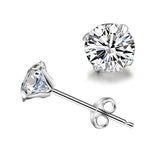
AJLuxe does not sell anti-tarnish strips, and we do not claim our jewelry is tarnish-free. Our sterling silver pieces, such as the CZ stud earrings in 925 sterling silver with rhodium plating, are best stored dry and sealed between wears. Browse the sterling silver jewelry collection.
More in this guide
Related reading: jewelry storage ideas, winter jewelry, fall jewelry trends, and bracelet rash.
Frequently Asked Questions
Do anti-tarnish strips really work?
They slow tarnish by absorbing sulfur gases in a closed container. They do not stop it completely, and they do not work in open air or remove existing tarnish.
How long do anti-tarnish strips last?
About six months is the usual advice from the sellers we read, with longer in a tight enclosure and shorter in a loose one. Replace them sooner if the jewelry starts to darken.
How do you use anti-tarnish strips?
Clean and dry the jewelry, put it in a sealed bag or lidded box, add a strip sized to the space, and keep the container closed. The strip does not need to touch the metal.
Can I put an anti-tarnish strip in a bag with gold-plated jewelry?
Yes, sellers say the strips are safe for gold and plated metals too. Plated pieces can still tarnish where the plating wears thin, so a strip helps but does not make them tarnish-proof.
Are anti-tarnish bags better than strips?
They do the same job with the material built into the bag. A bag is neater for single pieces and travel, while a strip is easier to cut to size for a drawer or box.
Will dish soap remove tarnish from silver?
Mild soap and warm water will clean oils and dirt, but tarnish is a chemical layer, so it usually needs a polishing cloth or a purpose-made method. See our silver tarnish removal guide for safe options.
What is the best way to store silver jewelry?
Clean it, dry it and seal it in an airtight bag or box away from humidity, with a strip if you like. Keep pieces apart so they do not scratch each other.
Sources
Read for this page on 9 October 2026: a craft-supply retailer's page on anti-tarnish paper strips (what they protect, coverage, six-month replacement, shelf life, limits), a silver-care brand's page on its strips (one per square foot, six months, enclosed spaces that are opened rarely), and a reference entry on silver conservation (sulfur causes, sealed bags, humidity, open display limits). Statements on silica packets and wear are general advice and are labeled as such. Product details come from ajluxe.com product pages.
Written by AJLuxe Team. Last updated: October 2026
All third-party trademarks, brand names and product names are the property of their respective owners. AJLuxe is not affiliated with, endorsed by, sponsored by, or otherwise connected to any third-party brand referenced in this article. Brand names are used solely for accurate comparative reference, and material descriptions reflect each brand's own published product specifications at the time of writing.
You Might Also Like
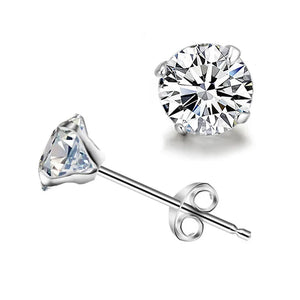

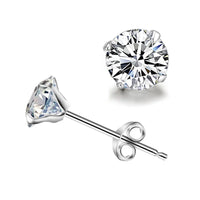
The piece they're describing → CZ Stud Earrings for Women — 925 Sterling Silver, Cubic Zirconia, Hypoallergenic
Personalize Yours


