



If your sterling silver necklace, bracelet, or ring has gone from bright silver to dark gray or black, you're not alone — and nothing is wrong with your jewelry. Sterling silver tarnishes. That's what it does. The question is why it happened faster than expected, how to fix it, and how to make the shine last longer. This guide answers all three.
Why Sterling Silver Turns Black
Sterling silver is 92.5% pure silver and 7.5% other metals — almost always copper. That copper is what causes the blackening.
When copper in the alloy meets sulfur compounds in the air, on your skin, or in products you use, it forms silver sulfide. Silver sulfide is dark gray to black, and it coats the surface of the jewelry in a thin layer called tarnish. This is a chemical reaction, not a flaw. Pure silver (99.9%) tarnishes far less because it has no copper. But pure silver is too soft for everyday jewelry, which is why sterling silver (with copper added for strength) is the standard for necklaces, bracelets, and rings.
The technical term is oxidation — but "tarnish" is what most people call it, and "blackening" is what it looks like at its worst.
What Makes It Happen Faster
Tarnishing is inevitable over time, but some conditions accelerate it significantly. Understanding what speeds it up helps you avoid it.
| Cause | Why It Accelerates Tarnish | How Fast |
|---|---|---|
| Sweat and skin oils | Contain sulfur compounds that react with copper | Days to weeks with daily wear |
| Perfume and lotion | Chemical compounds break down the silver surface | Within days if applied directly |
| Humidity | Moisture drives the oxidation reaction | Weeks in humid storage |
| Swimming pools | Chlorine strips the silver surface rapidly | One swim can cause visible tarnish |
| Rubber bands | Sulfur in rubber causes immediate reaction | Hours of contact |
| Air pollution | Sulfur dioxide in urban air | Weeks to months depending on exposure |
| Storing in a drawer unwrapped | Exposure to air + humidity over time | Months |
Body chemistry matters too. People with more acidic skin (lower pH) tarnish silver faster. If your jewelry consistently turns black faster than your friend's identical piece, it's likely your skin's natural acidity — not a quality issue with the jewelry. Hormonal changes, certain medications, and high-protein diets can all make skin more acidic temporarily.
Does Real Sterling Silver Turn Black? Is It Fake If It Does?
Yes — real sterling silver turns black. Tarnishing is actually a sign of authenticity.
Fake silver (usually zinc alloy or plated brass) doesn't tarnish the same way. It may peel, flake, or turn green, but it won't go through the gradual darkening process that real silver does. If your jewelry has turned a uniform dark gray or black and you can polish it back to bright silver, you almost certainly have genuine sterling silver.
The hallmark to look for is "925" stamped on the piece. This confirms 92.5% silver content. If you see 925 and your jewelry tarnishes — that's correct behavior, not a defect.
How to Clean It: 4 Methods That Work

The right cleaning method depends on how dark the tarnish is. Start with the gentlest approach and escalate only if needed.

Method 1 — Polishing Cloth (best for light tarnish)
A jewelry polishing cloth is the right first tool. Rub the silver in straight back-and-forth strokes — not circles, which can create micro-scratches. The cloth's treated fibers lift tarnish as you rub. This works in under a minute for recent or light tarnish. Most jewelry stores sell them for a few dollars. Buy one and keep it with your jewelry.
Method 2 — Warm Water + Mild Dish Soap (safe for regular cleaning)
Fill a bowl with warm water and add one drop of mild dish soap (not antibacterial, which can be too harsh). Soak the silver for 5 minutes, then gently scrub with a soft-bristled toothbrush. Rinse under warm water, pat dry with a soft cloth, and let it air dry completely before storing. This is safe for most sterling silver jewelry and works for moderate tarnish.
Method 3 — Aluminum Foil + Baking Soda (for heavy blackening)
This method uses an electrochemical reaction to pull tarnish off the silver and transfer it to the aluminum foil.
Line a bowl with aluminum foil (shiny side up). Place your jewelry on the foil. Add one tablespoon of baking soda, then pour enough hot (not boiling) water to cover the jewelry. You'll see small bubbles — that's the reaction working. Leave it for 3–5 minutes. Remove the jewelry, rinse thoroughly with water, and dry completely. The dark tarnish transfers to the foil, leaving the silver visibly brighter.
Do not use this method on jewelry with gemstones, pearls, or glued elements — the reaction can loosen settings or damage delicate materials.
Method 4 — Silver Dip Solution (fastest, use with care)
Commercial silver dip (liquid solution) is the fastest method — you dip the piece for 10–30 seconds and the tarnish dissolves. Rinse thoroughly and dry. The caveat: dip solutions are acidic and mildly abrasive to the metal surface. Use them occasionally (a few times a year maximum), not as a weekly routine. They're too harsh for antique pieces, enamel, or jewelry with soft stones like pearls or opals.
What NOT to Use on Sterling Silver
Several popular "hacks" actually damage sterling silver. These are worth knowing before you reach for whatever is in your kitchen.
| Avoid | Why |
|---|---|
| Toothpaste | Contains abrasives that scratch the silver surface and dull the finish permanently |
| Bleach | Extremely corrosive to silver — causes pitting and irreversible damage |
| Baking soda paste (rubbed on) | Too abrasive when applied dry; the foil method (dissolved in water) is different and safe |
| Vinegar (undiluted) | Acidic enough to etch the surface with prolonged contact |
| Ultrasonic cleaners | Safe for most silver, but risky for pieces with stones, enamel, or delicate settings — check with a jeweler first |
| Paper towels or rough cloths | Scratch the surface — use only soft lint-free cloth or a dedicated polishing cloth |
Does 18K Gold Plated Sterling Silver Tarnish the Same Way?
If your sterling silver jewelry has an 18K gold plating on top — like the AJLuxe personalized heart initial necklace — the behavior is different.
The gold layer acts as a barrier between the silver and the air. As long as the plating is intact, the piece won't develop silver-sulfide tarnish. What you'll see instead, if the plating wears down in high-friction areas, is the silver base starting to show through — which can look slightly duller or more silver-toned in those spots.
The solution for gold plated sterling silver is different from pure silver:
- Do not use the baking soda and foil method — it strips gold plating
- Do not use silver dip — same problem
- Do use a soft cloth and mild soap only
- Do re-plate the piece when the gold layer wears thin — most jewelers offer this service for $20–$40

Gold plated over a 925 sterling silver base is the best of both worlds — silver's durability and hypoallergenic properties with gold's appearance. But it needs gentle cleaning to preserve the plating.
How to Prevent Sterling Silver from Turning Black
You can't stop tarnish entirely, but you can slow it down dramatically.

Wear it regularly. This sounds counterintuitive, but skin oils actually form a light protective layer on silver during wear. Jewelry left unworn in a drawer oxidizes faster than jewelry worn daily.
Put it on last. Apply all lotions, perfumes, and hairsprays before putting on your jewelry. These products contain compounds that accelerate tarnish. Silver should be the last thing on before you leave and the first thing off when you come home.
Take it off before water. Shower, swim, wash dishes — all of these expose silver to moisture and chemicals that speed up tarnishing. A quick habit of removing jewelry before water contact makes a significant difference over time.
Store it properly. Air and humidity are the enemies. Keep silver in an airtight zip-lock bag when not wearing it, or in a fabric-lined jewelry box with a small silica gel pack. Anti-tarnish strips (available cheaply online) placed near the jewelry absorb sulfur from the air and slow tarnishing significantly.
Keep separate. Different metals stored together can cause reactions. Store silver pieces individually, not piled together.
When to Get It Professionally Cleaned or Replated
Home methods handle most tarnish well. But there are situations where a jeweler is the right call.
If the blackening is so deep that multiple rounds of polishing haven't restored the shine, a jeweler can buff and polish the piece with professional equipment. This is especially useful for pieces with intricate detail where a cloth can't reach every crevice.
If your piece is gold plated and the gold layer has worn through in patches, replating restores both the appearance and the protective layer. This typically costs $20–$60 depending on the piece size and jeweler. It's worth doing for a piece you wear regularly rather than replacing it entirely.
If the jewelry has gemstones, pearls, or delicate settings, always take it to a professional rather than experimenting with home cleaning. Some stones are sensitive to chemicals, heat changes, or even prolonged water exposure.
Related reading: Does Sterling Silver Turn Green? The Real Reason (2026).
Related reading: Does Cubic Zirconia Get Cloudy? Causes & Fixes (2026).
Frequently Asked Questions
Why is my sterling silver jewelry turning black? Sterling silver turns black through a chemical process called tarnishing. The copper in the alloy (925 silver is 7.5% copper) reacts with sulfur compounds in the air, in your sweat, and in products like lotion or perfume. This forms silver sulfide — a dark gray compound that coats the surface. It's a natural reaction, not a defect, and it's completely reversible with the right cleaning method.
Does real sterling silver turn black, or does that mean it's fake? Real sterling silver does turn black — and it's actually a sign of authenticity. Fake silver (zinc alloy, brass) tarnishes differently; it may turn green, flake, or peel. Genuine 925 sterling silver develops a uniform dark gray or black tarnish that polishes back to bright silver. Look for the "925" hallmark stamp on the piece to confirm it's real.
Why does my silver turn black faster than other people's? Body chemistry is the most common reason. People with more acidic skin (lower pH) accelerate tarnishing — the acids on the skin react with copper faster. Hormonal shifts, certain medications, and high-sulfur diets can also increase how fast silver tarnishes on your skin specifically. If your jewelry consistently tarnishes faster than expected, try wearing it less during exercise (when sweating), applying lotions before putting it on, and storing it in an airtight bag when not wearing it.
What is the fastest way to clean blackened sterling silver at home? For heavy blackening, the aluminum foil and baking soda method is the fastest — line a bowl with foil (shiny side up), add the jewelry, add a tablespoon of baking soda, pour hot water over everything, and wait 3–5 minutes. The tarnish transfers to the foil electrochemically. Rinse and dry. For light tarnish, a jewelry polishing cloth works in under a minute. Do not use this foil method on gold plated pieces — it strips the plating.
What should I NOT use to clean sterling silver? Avoid toothpaste (too abrasive, scratches the surface), bleach (causes irreversible pitting), undiluted vinegar (etches the metal), and rough paper towels or cloths. For gold plated sterling silver, also avoid baking soda methods and commercial silver dip — both strip the gold layer. Stick to mild soap and a soft cloth for plated pieces.
How do I stop my sterling silver from turning black? The biggest preventive steps are: put jewelry on last (after lotion and perfume), take it off before swimming or showering, store it in an airtight bag with an anti-tarnish strip, and wear it regularly (daily wear actually slows tarnishing compared to leaving it unworn). You can't stop tarnish entirely, but these habits extend the time between cleanings from weeks to months.
Does 18K gold plated sterling silver tarnish the same way? No — gold plated sterling silver tarnishes differently. The gold layer prevents silver sulfide tarnish as long as the plating is intact. What you'll notice over time is the gold layer thinning in high-friction spots, which reveals the silver beneath. The fix for plated pieces is replating (not silver-specific cleaning methods). Use only gentle soap and a soft cloth to clean gold plated sterling silver — baking soda or silver dip will strip the gold layer.
When should I get my silver professionally cleaned or replated? Take it to a jeweler if home cleaning hasn't restored the shine after multiple attempts, if the gold plating has worn through in patches (replating costs $20–$60), or if the piece has gemstones or delicate settings that aren't safe for home cleaning methods. For most everyday tarnish, home methods work fine — but persistent deep tarnish in intricate pieces benefits from professional buffing equipment.
Final Thoughts
Sterling silver turning black is one of those problems that looks worse than it is. The chemistry is normal, the fix is simple, and with a few storage habits the shine lasts much longer than most people expect.
If your everyday necklace is gold plated sterling silver — which offers the gold look with the silver durability — the care is even simpler: keep it away from water and lotions, and a soft cloth is usually all you need. When the plating eventually thins, replating restores it entirely.
If you're looking for a piece that's built to handle everyday wear, the AJLuxe personalized heart initial necklace uses a 925 sterling silver base with 18K gold plating — the same combination this article is built around. For how to care for gold plated jewelry day to day, see our guide on how long gold plated jewelry lasts.
Browse AJLuxe's 925 sterling silver jewelry — all pieces tarnish-resistant and hypoallergenic.
All third-party trademarks, brand names and product names are the property of their respective owners. AJLuxe is not affiliated with, endorsed by, sponsored by, or otherwise connected to any third-party brand referenced in this article. Brand names are used solely for accurate comparative reference, and material descriptions reflect each brand's own published product specifications at the time of writing.
You Might Also Like

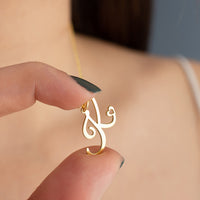
The piece they're describing → Heart Initial Necklace for Women — 18K Gold Plated, Personalized Letter + Heart Pendant
Personalize Yours


