


- Hardness: Morganite (7.5–8 Mohs) is slightly harder than pink tourmaline (7–7.5) — both hold up well for daily wear
- Color: Tourmaline runs from pale pink to vivid magenta; morganite stays in a soft peachy-blush range
- Price: Comparable per carat ($50–300+), but morganite is commonly sold in larger stones at lower per-carat rates
- Color stability: Tourmaline holds its color indefinitely; morganite can lighten slightly with prolonged sunlight exposure
- Energy: Tourmaline for protection and transformation; morganite for divine love and compassion
Both pink tourmaline and morganite sit in the same soft, rosy corner of the gem world. They look similar in jewelry photos, they're priced in the same ballpark, and shoppers often end up choosing between them without a clear reason why. But these two stones are fundamentally different — different mineral families, different color behavior, different durability profiles, and different metaphysical traditions.
If you're buying a pendant, a ring, or an engagement stone, that difference matters. Here's everything you need to know to choose the right one. For deeper background on pink tourmaline alone, see our pink tourmaline meaning guide and pink tourmaline jewelry guide.
Quick Comparison: Pink Tourmaline vs Morganite
| Feature | Pink Tourmaline | Morganite |
|---|---|---|
| Mineral family | Cyclosilicate (elbaite) | Beryl (beryllium silicate) |
| Mohs hardness | 7–7.5 | 7.5–8 |
| Color range | Pale pink → vivid magenta → hot pink | Soft peach → blush pink → pale pink |
| Transparency | Transparent to translucent | Transparent, often very clear |
| Price range (gem quality) | $50–300+ per carat | $50–200 per carat |
| Heat treatment | Rarely treated; color is natural | Often heat-treated to remove yellow |
| Color stability | Stable; does not fade | Can lighten with prolonged sunlight |
| Primary sources | Brazil, Nigeria, Afghanistan, USA | Brazil, Madagascar, Mozambique |
| Best for | Vivid color, everyday jewelry, meaning | Soft romantic look, engagement rings |

Color and Appearance: What's the Visual Difference?
This is where the two stones part ways most clearly. Pink tourmaline has range — you'll find stones in rose, coral, candy pink, hot pink, and deep magenta, often with strong saturation. The color comes from manganese, and the more manganese, the more vivid the pink. Some stones have shifting color-play along their length because of tourmaline's unique crystal growth patterns.
Morganite always reads as soft. Its peachy-pink color comes from traces of manganese and cesium, and it tends to be subtle — the kind of pink that looks feminine and ethereal, not bold. Large morganite stones show the color best; small ones can look nearly colorless. That's why morganite is most popular in larger cuts (often 8mm and up), where the color has room to pool.
If you want a stone that grabs attention with vivid pink, tourmaline delivers. If you want a romantic, understated blush — the kind that photographs well in soft light — morganite is the choice. They rarely look like the same stone side by side.
Hardness and Durability: Which One Actually Wears Better?
Morganite has a slight edge on hardness at 7.5–8 Mohs versus tourmaline's 7–7.5. Both numbers sit above quartz (7), which means neither stone will scratch easily from everyday contact. But Mohs hardness is only part of the durability story.
Tourmaline has no cleavage — it breaks with a conchoidal (shell-like) fracture rather than splitting along a flat plane. That makes it more resistant to chipping from a sharp blow. Morganite, as a beryl, has imperfect cleavage, meaning a strong enough knock from the right angle can cause it to split cleanly. This is why some gemologists advise protective settings for morganite engagement rings.
In practice, both stones are appropriate for rings, pendants, and bracelets worn daily. Morganite's slightly higher hardness resists surface scratches better; tourmaline's lack of cleavage resists chipping better. For everyday necklaces and earrings, neither difference matters much at all.
Price and Value: Which Costs More?
Both stones occupy a similar price band at the gem-quality level, but the value drivers are different. Pink tourmaline pricing is driven almost entirely by color intensity. A vivid, saturated hot-pink or magenta tourmaline can fetch $200–300+ per carat. A lighter, less saturated pale pink might run $50–80 per carat. The stone's origin matters too — tourmalines from Nigeria and Mozambique can command premiums for their particular color profiles.
Morganite pricing is flatter. Most faceted morganite runs $50–200 per carat, and the biggest driver is clarity and size rather than color saturation. A clean, well-cut 3-carat morganite is often less expensive per carat than a vivid 1-carat pink tourmaline. That's part of why morganite became popular for engagement rings — you get a large, impressive-looking stone without a diamond price tag.
In jewelry settings, the actual cost difference often comes down to which shade you choose, not which stone. A pale pink tourmaline and a mid-range morganite can cost almost the same.
Is Morganite Better Than Pink Tourmaline for Engagement Rings?
Morganite has become one of the most popular engagement ring stones of the past decade, and it's easy to see why. Its soft peachy-pink color photographs beautifully, it's available in large sizes at accessible prices, and its 7.5–8 Mohs hardness is genuinely ring-appropriate. The GIA recognizes morganite as a durable choice for engagement ring use with proper care.
Pink tourmaline is also a legitimate engagement ring stone — its 7–7.5 Mohs rating is above the minimum most jewelers recommend (7), and its lack of cleavage actually makes it more impact-resistant than morganite. The issue is availability: vivid, clean pink tourmaline in large sizes (2ct+) is harder to find and more expensive than equivalent morganite. Most tourmaline engagement rings use smaller accent stones or lighter-color material.
If you want a blush-pink, large-center-stone engagement ring at a reasonable price, morganite wins on practicality. If you want a vivid, saturated pink center stone and you're comfortable with a 1–1.5ct size, tourmaline delivers a color that morganite simply can't match.
Meaning and Healing Properties: Different Intentions
These two stones come from different metaphysical traditions and are associated with distinct intentions. Understanding the difference can help you choose the right stone for a gift or personal practice.
Pink tourmaline is linked to the heart chakra and carries themes of protection, emotional transformation, and vitality. It's often described as a stone that helps release old emotional wounds and build courage. People drawn to pink tourmaline tend to be working through change — letting go of patterns that no longer serve them.
Morganite is also associated with the heart chakra, but with a softer energy. Its themes center on divine love, compassion, and emotional healing in a receptive sense rather than a transformative one. Morganite is often used in practices focused on attracting love, deepening existing relationships, or cultivating self-compassion.
In short: tourmaline for active transformation, morganite for receptive love. Both are heart-centered — they just approach it differently.
Color Stability: Does Morganite Fade?
This is one of the least-discussed but most practical differences between the two stones. Pink tourmaline is exceptionally color-stable. It doesn't fade with sunlight, heat, or time. The same vivid pink you buy will still be that pink in 20 years.
Morganite behaves differently. Its color is already the result of heat treatment in most cases — natural morganite often has a yellowish-orange tint that's removed by heating to produce the clean peachy-pink buyers expect. That treated color is generally stable under normal conditions, but prolonged exposure to strong sunlight (especially direct summer sun over years) can cause gradual lightening. It won't happen overnight, and it won't ruin the stone, but it's worth knowing — especially if you're buying morganite for a piece you plan to wear outdoors daily.
For ring wear indoors or under normal daily conditions, morganite's color holds well. Just avoid leaving it on a sunny windowsill. Pink tourmaline doesn't need that caveat at all.
If you're comparing pink tourmaline to other pink stones beyond morganite, also read our pink tourmaline vs rose quartz comparison.
Find the Right Pink Stone at AJLuxe
If you want deep, vivid pink that holds its color for life, pink tourmaline is your stone. AJLuxe carries pink tourmaline pendants in 925 sterling silver with 18K gold plating — hypoallergenic and built for everyday wear.
Browse pink tourmaline necklaces →
Want to understand morganite on its own terms? Read: Morganite Meaning: Healing Properties & Love Energy.
Frequently Asked Questions
Related Comparisons
Rubellite vs Pink Tourmaline: Are They the Same Stone?
- Pink Tourmaline vs Every Gemstone — the complete comparison guide
- Natural vs Lab-Created Alexandrite: Color Change, Price & Which to Buy
- Morganite vs Rose Quartz: Color, Hardness, Price & Which to Choose
- Natural vs Lab-Created Pink Sapphire: Price, Quality & Which to Buy
- Pink Tourmaline vs Pink Topaz: Color, Price & Which to Choose
- Pink Tourmaline vs Pink Spinel: Color, Price & Which to Choose
- Pink Tourmaline vs Ruby: Color, Price & Which to Choose
- Pink Tourmaline vs Opal: Color, Price & Which to Choose
- Pink Tourmaline vs Watermelon Tourmaline: Color, Rarity & Which to Choose
- Pink Tourmaline vs Pink Diamond: Price, Rarity & Which to Choose
- Pink Tourmaline vs Amethyst: Color, Price & Which to Choose
What is the main difference between pink tourmaline and morganite?
The main difference is mineral family and color character. Pink tourmaline is a cyclosilicate (elbaite group) with vivid, saturated pinks ranging from pale rose to deep magenta. Morganite is a beryl — the same family as emerald and aquamarine — with a soft, peachy-blush pink that's always subtle. Tourmaline's color is more stable over time; morganite can lighten slightly with prolonged sunlight exposure.
Which is harder — pink tourmaline or morganite?
Morganite is slightly harder at 7.5–8 Mohs versus pink tourmaline's 7–7.5. That said, tourmaline has no cleavage, making it more resistant to chipping from a sharp blow. Morganite has imperfect cleavage and can split along a plane with a direct impact.
Is pink tourmaline or morganite better for an engagement ring?
Both are legitimate choices. Morganite is more popular for engagement rings because it's available in large sizes at accessible prices, and its 7.5–8 hardness suits daily wear well. Pink tourmaline wins on vivid color but is harder to source in large, clean stones. For a large blush-pink stone on a budget, morganite is the practical winner. For vivid, saturated pink, tourmaline delivers something morganite can't.
Does morganite fade over time?
Yes, morganite can lighten slightly with prolonged direct sunlight over years. Its peachy-pink color is usually heat-treated, and intense UV exposure can gradually wash it out. Under normal everyday conditions — indoor wear, limited sun — the color holds well. Pink tourmaline does not fade at all.
Why does morganite look peachy instead of pink?
Morganite's color comes from manganese and cesium in its beryl crystal structure, which produces a naturally warm, peachy-orange-pink tone. Heat treatment removes the orange component, leaving a cleaner peach-pink. The result is always soft and warm, never cool or vivid. Pink tourmaline's color comes from manganese in a different crystal structure, producing deeper, cooler, more saturated pinks.
Is morganite a type of tourmaline?
No. Morganite is a variety of beryl (same family as emerald and aquamarine). Tourmaline is an entirely different mineral group (cyclosilicate). They share a similar color range in their pink varieties but are chemically and structurally distinct.
Which is more expensive — pink tourmaline or morganite?
Vivid pink tourmaline (hot pink, magenta) can hit $200–300+ per carat, which outprices most morganite. Morganite runs $50–200 per carat and is usually more affordable in large sizes. Pale pink tourmaline and mid-grade morganite often cost about the same.
What chakra does pink tourmaline work with vs morganite?
Both are heart-chakra stones. Pink tourmaline works with transformation and emotional courage — releasing old wounds. Morganite works with receptive love, compassion, and deepening relationships. They're complementary rather than competing.
Can you wear pink tourmaline and morganite together?
Yes. Their energies are considered complementary in crystal healing — protection and transformation (tourmaline) alongside love and compassion (morganite). Aesthetically, their different pink tones (vivid vs. peachy-soft) create an interesting contrast when layered or stacked.
Is morganite heat-treated?
Yes, most morganite is heat-treated to remove a natural yellowish or orange tint. The treatment produces the clean peach-pink color buyers expect and is stable under normal conditions. Untreated morganite with natural pink color is rare and commands a premium.
Which is rarer — pink tourmaline or morganite?
Vivid, gem-quality pink tourmaline in large sizes is rarer than comparable morganite. Major morganite deposits in Brazil and Madagascar produce large volumes of clean material. High-quality saturated pink tourmaline is mined in more limited quantities, which is why vivid stones command higher prices per carat.
Last updated: June 2026
All third-party trademarks, brand names and product names are the property of their respective owners. AJLuxe is not affiliated with, endorsed by, sponsored by, or otherwise connected to any third-party brand referenced in this article. Brand names are used solely for accurate comparative reference, and material descriptions reflect each brand's own published product specifications at the time of writing.
You Might Also Like

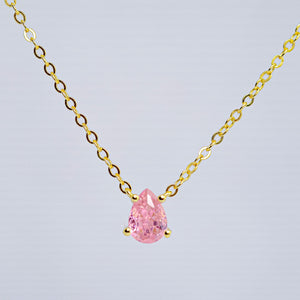
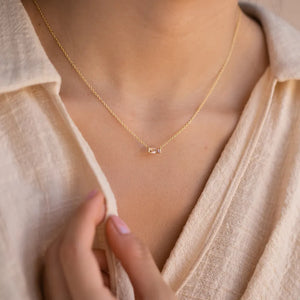
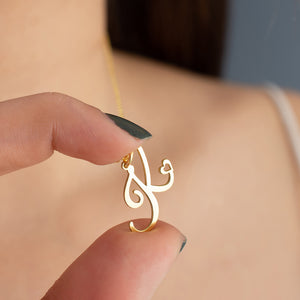

The piece they're describing → Pink Tourmaline Infinity Necklace for Women — 925 Sterling Silver, Pink CZ Pave
Personalize Yours


