


TL;DR: Pink tourmaline and pink diamond are not the same league of stone. Pink diamond is one of the rarest and most expensive gems on Earth — fine natural stones sell for $10,000 to over $100,000 per carat, and the mine that produced 90% of them closed in 2020. Pink tourmaline gives you a similar pink glow for roughly $50 to $600 per carat. Diamond wins on hardness (Mohs 10 vs 7–7.5) and investment value. Pink tourmaline wins on price, size for your money, and everyday accessibility. If you want the look without the five-figure price tag, choose pink tourmaline. If you want a rare heirloom or an investment stone, that is what a pink diamond is for.
Search "pink gemstone engagement ring" and you'll meet two very different stones wearing a similar color. One costs more per carat than almost anything you can buy. The other is an affordable favorite you can wear every day without a second thought. Pink tourmaline vs pink diamond isn't really a close fight on price — but it is a real decision, because most people shopping for a pink stone don't actually need a diamond. They want the color, the sparkle, and a piece they'll love. This guide breaks down exactly how the two compare on rarity, hardness, treatment, price, and which one fits the way you actually live.
Table of Contents
- What Are Pink Tourmaline and Pink Diamond?
- Color: Same Glow, Very Different Origin
- Rarity, Treatment & the Lab-Grown Option
- Durability: Diamond Wins, But Tourmaline Is Plenty Tough
- Price: The Gulf Between Them
- Which One Suits Your Jewelry?
- Caring for Each Stone
- Meaning & Birthstone Ties
- How to Tell Them Apart
- Frequently Asked Questions
- Final Thoughts: Which Should You Choose?
What Are Pink Tourmaline and Pink Diamond?
Pink tourmaline is the pink variety of elbaite, a boron silicate mineral. It gets its color from manganese, and it ranges from soft baby pink to hot magenta. It's a colored gemstone — valued for its hue, mined in places like Brazil, Nigeria, and Afghanistan, and priced within reach of most buyers. Learn more in our pink tourmaline meaning guide.
Pink diamond is a diamond — pure crystalline carbon — that shows a pink body color. Unlike most colored gems, a pink diamond's color doesn't come from an added element. Scientists believe it comes from a distortion in the diamond's crystal lattice under intense pressure, which changes how the stone absorbs light. Natural pink diamonds are staggeringly rare. The Argyle mine in Australia produced about 90% of the world's supply, and it closed in November 2020 — which sent prices for natural stones climbing even higher.
Here's the heart of it: these stones share a color, but not a category. One is an accessible colored gem. The other is a rare collector and investment stone.
| Feature | Pink Tourmaline | Pink Diamond |
|---|---|---|
| Mineral | Elbaite (tourmaline) | Carbon (diamond) |
| Color source | Manganese | Crystal lattice distortion |
| Mohs hardness | 7–7.5 | 10 (hardest natural material) |
| Color range | Baby pink to hot magenta | Faint pink to fancy vivid pink |
| Typical price/carat | $50–$600 | $10,000–$100,000+ |
| Rarity | Widely available | Extremely rare (natural) |
| Main sources | Brazil, Nigeria, Afghanistan | Argyle (closed 2020), Russia, India |
| Commonly treated? | Sometimes heated | Often (irradiation/HPHT) if affordable |
| Birthstone | October | April (diamond) |
| Lab-grown option? | Rare, not common | Yes, increasingly common |
| Best for | Everyday color, value | Investment, heirloom, rarity |

Color: Same Glow, Very Different Origin
At a glance, a pink tourmaline and a pink diamond can read as the same color. Look closer and the differences show.
Pink tourmaline tends to be more saturated and open — it can go from delicate rose to a punchy magenta that almost glows. Because it's affordable, you can buy it in larger sizes and richer colors without the price jumping much. A vivid 2-carat pink tourmaline is easy to find.
Pink diamond color is graded on a completely different scale. The GIA rates fancy color diamonds by hue and intensity, from Faint and Very Light up through Fancy, Fancy Intense, and Fancy Vivid. Most natural pink diamonds are light or faint — deep, vivid pinks are the ones that command auction-record prices. So while a pink diamond's color is rarer and more prized, it's often softer than a richly colored tourmaline, not stronger. You can read the GIA's overview of diamond color and grading for the full system.
The takeaway: if you simply want a bold, beautiful pink, tourmaline often delivers more color for the money. If you want the rarity and prestige behind the color, that's the diamond's territory.
Rarity, Treatment & the Lab-Grown Option
This is where buyers get tripped up, so read this section carefully.
Natural pink diamonds are rare and expensive — full stop. If you see a "pink diamond" priced like a normal stone, it is almost certainly either treated or lab-grown. Affordable natural-looking pink diamonds are usually color-treated, typically through irradiation followed by heat, or through HPHT (high-pressure, high-temperature) processing. These are real diamonds, but the pink color was added in a lab, and they're worth a fraction of an untreated natural stone.
Lab-grown pink diamonds are now a real, honest middle option. They have the same physical properties as natural diamonds and a genuine pink color, usually created during growth or with post-growth treatment. They typically run $1,000–$3,000 per carat — far less than natural, far more than tourmaline. If you love the idea of a pink diamond but can't justify a natural one, a clearly disclosed lab-grown stone is the sensible path. See our natural vs lab gemstone guide for how lab stones are graded and disclosed.
Pink tourmaline is sometimes gently heated to improve color, but plenty of it is sold untreated. Either way, it's never going to be confused with an investment-grade stone — its value sits in its beauty and accessibility, not its rarity. That actually makes it a low-stress buy: there's no premium to protect and no treatment that meaningfully changes what you're paying.
The honest rule: a cheap "pink diamond" is a treated or lab stone. A real pink-stone look for a real-world budget is exactly what pink tourmaline is for.
Durability: Diamond Wins, But Tourmaline Is Plenty Tough
No surprise here — diamond is the hardest natural material on Earth at Mohs 10, and nothing scratches it in normal wear. For a ring you'll wear every single day for decades, that hardness is a genuine advantage.
But "diamond wins" doesn't mean "tourmaline loses." Pink tourmaline sits at Mohs 7–7.5, which is hard enough for everyday jewelry as long as you treat it with normal care. The bigger thing to know about tourmaline is that it can have internal strain and inclusions, so a sharp knock against a hard surface matters more than a scratch does. A protective setting — bezel or halo — solves most of that.
So the realistic read: a pink diamond is the more bulletproof daily-wear stone, and a pink tourmaline is still perfectly wearable for rings, pendants, and earrings if you're sensible. For necklaces and earrings, where knocks are rare, the durability gap barely matters at all.
Price: The Gulf Between Them
This is the deciding factor for most people, and the numbers are dramatic.
| Stone & Quality | Typical Price per Carat | What You Get |
|---|---|---|
| Pink tourmaline (commercial) | $50–$200 | Pretty pink, eye-clean, everyday wear |
| Pink tourmaline (fine, vivid) | $300–$600+ | Rich saturated color, larger sizes |
| Lab-grown pink diamond | $1,000–$3,000 | Real diamond, disclosed lab color |
| Natural pink diamond (light) | $10,000–$30,000 | Faint to light natural pink |
| Natural pink diamond (vivid) | $50,000–$100,000+ | Investment-grade, auction territory |
Read that table again. For the price of a single light natural pink diamond, you could buy dozens of beautiful pink tourmalines — or one stunning fine tourmaline and have tens of thousands of dollars left over. This is why, for the vast majority of shoppers, pink tourmaline is the practical answer to "I want a pink stone." The pink diamond is reserved for collectors, investors, and milestone heirloom pieces where rarity is the entire point.
Which One Suits Your Jewelry?
Choose pink tourmaline for: everyday rings, pendants, drop earrings, statement cocktail pieces, and any time you want bold color and good size without a big spend. Browse our pink tourmaline jewelry collection to see how it looks set in gold and silver.
Choose pink diamond (natural) for: investment pieces, once-in-a-lifetime engagement rings, and heirlooms meant to hold or grow in value. The color is rare, the prestige is real, and the stone is forever in the most literal sense.
Choose lab-grown pink diamond for: the diamond look and hardness with a disclosed origin, at a price between the two. A smart pick for an engagement ring if you want a diamond specifically but not a five-figure one.
For most people building a jewelry wardrobe rather than a portfolio, pink tourmaline simply makes more sense — you can own several pieces for what one diamond would cost.
Caring for Each Stone
Both stones are easy to live with, with one caveat each.
Pink diamond shrugs off scratches but can still chip if struck on a facet edge at the wrong angle, and it attracts grease that dulls its sparkle. Clean it with warm water, mild dish soap, and a soft brush. It handles ultrasonic cleaners well in most cases.
Pink tourmaline should be cleaned the gentle way: warm soapy water and a soft cloth or brush. Skip ultrasonic and steam cleaners, which can stress included stones. Keep it away from hard knocks and store it separately so harder stones don't scratch it. Our tourmaline gemstone guide covers full care details.
Meaning & Birthstone Ties
The two stones land on different months. Pink tourmaline is a modern October birthstone, sharing the month with opal, and it's the traditional gift for an 8th wedding anniversary. It's long been tied to the heart — associated with love, compassion, and emotional healing.
Diamond, in any color, is the April birthstone and the classic symbol of enduring love and strength. A pink diamond layers romance and rarity on top of that — which is part of why pink diamond engagement rings carry such status.
If birthstone meaning matters to you, the choice may already be made: October-born leans tourmaline, April-born leans diamond.
How to Tell Them Apart
Up close, a jeweler can separate these instantly, and even at home there are tells.
- Sparkle character: diamond returns light in sharp, bright flashes (high refractive index and dispersion). Tourmaline's sparkle is softer and more glassy.
- Hardness test (for pros): diamond won't scratch; tourmaline can show wear on facet edges over years of hard use.
- Price tag: honestly, the price is the biggest tell. A genuinely cheap "pink diamond" is treated or lab-grown, not a natural stone.
- Certification: any natural pink diamond worth buying comes with a GIA or equivalent report stating natural origin and color grade. No report, no assumption of natural.
If a deal on a "natural pink diamond" looks too good to be true, it is. Ask for the lab report.
Related reading: Female Diamond Earrings: Cost, Sizing & Best Places to Buy (2026).
Related reading: 8 Best Jewelry Stores in NYC (2026): From the Diamond District to Brooklyn Boutiques.
Related reading: What's the Best Size for Diamond Stud Earrings? A 2026 Size Guide.
Frequently Asked Questions
Is pink tourmaline a good substitute for a pink diamond?
Yes — for the look, it's an excellent substitute. Pink tourmaline gives you a rich pink color in any size you want for a tiny fraction of a pink diamond's price. It won't match a diamond's hardness or rarity, but for everyday jewelry and bold color, most people prefer the value tourmaline offers.
Why are pink diamonds so expensive?
They're among the rarest gems on Earth. The Argyle mine produced roughly 90% of the world's pink diamonds and closed in 2020, cutting off most of the supply. Combined with the rarity of the lattice distortion that creates the color, natural pink diamonds — especially vivid ones — reach $50,000 to over $100,000 per carat.
Are cheap pink diamonds real?
They're real diamonds, but the pink color is almost always treated (irradiation plus heat or HPHT) or the stone is lab-grown. Natural untreated pink diamonds are never cheap. A low-priced "pink diamond" is fine to buy — just know it's treated or lab-created, not a rare natural stone, and price it accordingly.
Is a lab-grown pink diamond a good choice?
For many buyers, yes. It's a genuine diamond with real hardness and pink color, fully disclosed, at roughly $1,000–$3,000 per carat. If you specifically want a diamond but can't justify a natural pink, a lab-grown stone bridges the gap honestly.
Which is harder, pink tourmaline or pink diamond?
Pink diamond, by a wide margin. Diamond is Mohs 10, the hardest natural material. Pink tourmaline is Mohs 7–7.5 — still hard enough for everyday jewelry, but it needs more care against hard knocks.
Can pink tourmaline be worn every day?
Yes. At Mohs 7–7.5 it's suitable for daily wear in rings, pendants, and earrings. Use a protective setting like a bezel or halo for rings, avoid hard impacts, and store it away from harder stones to prevent scratches.
Do pink diamonds hold their value?
Natural pink diamonds have historically held and increased in value, especially since the Argyle mine closed. They're treated as investment assets. Treated and lab-grown pink diamonds do not hold value the same way — they're priced for the look, not for rarity.
What's the difference in color between the two?
Pink tourmaline often shows stronger, more saturated color and comes in everything from baby pink to magenta. Most natural pink diamonds are actually light or faint in color; only the rare vivid stones match a richly colored tourmaline for intensity — and those cost a fortune.
Which is better for an engagement ring?
It depends on your priorities. For maximum durability and lasting value, a natural or lab-grown pink diamond. For a beautiful, affordable ring with bold pink color, pink tourmaline in a protective setting. Many couples choose tourmaline and put the savings toward the wedding.
Is pink tourmaline or pink diamond rarer?
Natural pink diamond is dramatically rarer. Pink tourmaline is mined in commercial quantities worldwide. That rarity is exactly what makes the diamond expensive and the tourmaline accessible.
Final Thoughts: Which Should You Choose?
If you've read this far, your answer is probably already clear. Choose pink tourmaline if you want the beauty of a pink stone — in real size and rich color — at a price that lets you actually wear and enjoy it. For everyday rings, pendants, and earrings, it's the obvious, sensible pick, and it's why most pink-stone shoppers end up here.
Choose a pink diamond — natural for investment and rarity, or lab-grown for the diamond look at a lower price — if the stone itself is the point: an heirloom, a milestone, a piece meant to last and hold value forever.
There's no wrong answer, only the right one for your goal and budget. For the vast majority of people, that's pink tourmaline. Explore our pink tourmaline jewelry collection to find a piece that gives you the pink-stone look you love — without the five-figure price tag.
Written by Vaishakhi Ajmera — founder and jewelry specialist at AJLuxe. Last updated: June 2026.
Keep exploring tourmaline
Related Comparisons
All third-party trademarks, brand names and product names are the property of their respective owners. AJLuxe is not affiliated with, endorsed by, sponsored by, or otherwise connected to any third-party brand referenced in this article. Brand names are used solely for accurate comparative reference, and material descriptions reflect each brand's own published product specifications at the time of writing.
You Might Also Like

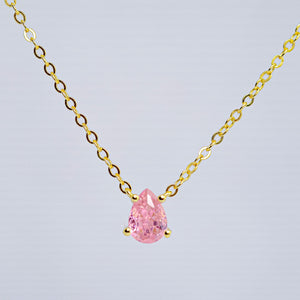
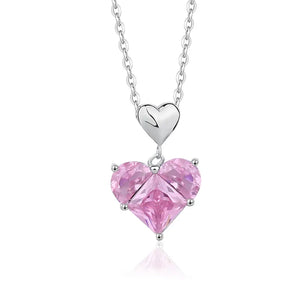
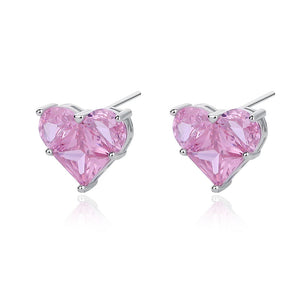

The piece they're describing → Pink Tourmaline Infinity Necklace for Women — 925 Sterling Silver, Pink CZ Pave
Personalize Yours


