


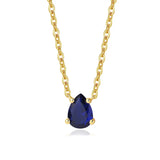
- Same mineral: both are corundum (Al₂O₃) with hardness 9, so they are chemically and physically the same
- Price gap: natural gem-quality stones cost many times more than lab-created ones of the same size and color
- Lab is not fake: it has the same chemistry, hardness and optical properties as a mined stone
- Heat treatment: it is common in natural pink sapphire and widely accepted; lab stones do not need it
- Resale: fine natural stones are more likely to hold value; lab-created stones generally hold little
Natural and lab-created pink sapphire are the same mineral with the same hardness, so the real choice is rarity versus price. This guide breaks down what you are paying for so you can decide which one fits.
Quick Comparison: Natural vs Lab-Created Pink Sapphire
The two stones match on chemistry, hardness and look; they differ on rarity, price, color range and resale value.
| Feature | Natural Pink Sapphire | Lab-Created Pink Sapphire |
|---|---|---|
| Mineral composition | Corundum (Al₂O₃), same as ruby | Corundum (Al₂O₃), chemically identical |
| hardness | 9 | 9 |
| Color range | Pale blush to vivid hot pink or magenta | Consistent pink, can be grown to a target hue |
| Price | High for gem quality; varies widely by color, size and origin | A small fraction of the natural price |
| Heat treatment | Common and accepted when disclosed | Not needed; color is set during growth |
| Inclusions | Natural silk and fingerprint inclusions | Usually eye-clean |
| Lab report | Available, can include origin | Less commonly issued |
| Resale value | Better for fine, unheated stones | Generally low |
| September birthstone | Yes | Yes (accepted substitute) |

What Is Natural Pink Sapphire?
Natural pink sapphire is corundum (Al₂O₃) that formed in the earth and was mined, colored pink by trace chromium. It is the same mineral as ruby; the difference is color intensity, since rubies are classed as red and pink sapphires fall in the pink range. There is no universal cutoff, which is why some stones get debated among gemologists.
The more chromium, the deeper the pink. The most prized stones show a vivid hot pink or magenta with no muddy secondary tone, with no orange (apart from the rare padparadscha variety) and minimal purple or gray.
Origin shapes natural pricing. Burma (Myanmar) and Kashmir stones command the highest premiums for color and rarity. Madagascar has become a primary commercial source of excellent gem-quality stones at lower prices, and Sri Lanka produces fine pastel pinks. A report from an independent gemological laboratory can confirm origin and treatment, which is why serious natural purchases usually come with one.
What Is Lab-Created Pink Sapphire?
Lab-created pink sapphire is real corundum grown in a controlled environment with the same chemistry as natural sapphire: Al₂O₃ with trace chromium for color. The two common methods are flame fusion and hydrothermal growth.
Flame fusion is the older and cheaper method and can leave curved growth lines visible under magnification. Hydrothermal growth is slower and produces stones closer in structure to natural sapphire. Either way the result has the same composition, the same hardness 9 hardness and the same optical properties as the natural stone.
Because growth is controlled, makers can aim for a particular color. You will not find the full range of natural hues, but you get a consistent pink, and the stones are typically eye-clean because the controlled environment does not produce the silk or fingerprint inclusions that form in the earth.
Are Natural and Lab Pink Sapphire the Same Stone?
Yes, chemically and physically they are the same stone. Lab-created pink sapphire is not a simulant or an imitation: it is not glass, cubic zirconia or synthetic spinel, but corundum identical to natural sapphire at the atomic level.
The eye cannot tell them apart, and even under magnification the differences are subtle growth patterns rather than differences in quality. What differs is origin. Natural sapphire formed over a very long time under specific geological conditions, and that rarity, plus mining, supply chain and certification, drives the price premium.
So "fake" is the wrong word. A lab sapphire is a real sapphire. What you are not getting is rarity, a geological origin story and the better resale prospects that come with a fine mined stone.
Natural vs Lab Pink Sapphire Price
Natural pink sapphire costs many times more than a lab-created stone of the same size and color, and the gap widens for fine color, larger sizes and prized origins. Natural gem-quality pinks are priced per carat and can run from hundreds to thousands of dollars per carat, while lab-created stones sell for a small fraction of that.
Three things push natural prices up. First, origin: stones from well-known sources such as Burma or Kashmir command a premium for their rarity and color. Second, treatment: heat treatment is common and accepted, while unheated stones of fine color are scarcer and priced higher. Third, size and color: vivid, evenly saturated pinks are far rarer than pale ones.
Lab-created stones cost much less because there is no mining and no geological scarcity. The price covers growth, cutting and retail markup.
How Much Is a Lab-Created Pink Sapphire Worth?
A lab-created pink sapphire is worth far less than a natural one, and it usually has little resale value, so buy it for how it looks and wears, not as an investment. A well-cut, eye-clean lab stone looks the same as a natural one while costing a small fraction of the price.
That is the trade: you get the color and the hardness 9 durability for much less money, and you give up rarity and the better resale prospects of a fine natural stone.
Color: Natural vs Lab Pink Sapphire
Natural pink sapphire comes in a wider range of pinks, while lab pink sapphire is more consistent. Natural color runs from the palest blush to intense magenta, with some stones leaning purple or slightly orange and the rarest showing pure saturated pink.
Lab stones are usually grown to a commercially appealing mid-to-vivid pink. You will not find the full natural range, but you also will not get a disappointing secondary tone you did not expect.
For buyers who want a consistent, photogenic pink, lab has an advantage. For collectors who prize natural variation and a stone with a unique color fingerprint, natural is the better choice.
Is Natural Pink Sapphire Heat-Treated?
Yes, most natural pink sapphires on the market have been heat-treated to improve color and reduce the look of inclusions. It has been standard practice in the sapphire trade for decades, and it is accepted as long as it is disclosed.
Heat treatment does not make a stone fake or, in most cases, significantly reduce its value. Reputable jewelers disclose it. Unheated stones of fine color are rarer, which is why laboratory reports that state "no indications of heating" tend to carry a premium.
Lab-created pink sapphires are not heat-treated because they do not need to be: the color is controlled while the crystal grows. It does not change how either stone wears or looks.
Which Is Better for Jewelry?
For everyday jewelry both are excellent, and lab pink sapphire is the better value while natural is the better choice for collectors and heirlooms. hardness 9 puts pink sapphire just below diamond, so it resists scratching and does not need the delicate handling of softer stones like emerald (hardness 7.5 to 8) or tanzanite (around 6.5).
Lab wins on value per carat. You get the same hardness, the same visual impact and a consistent pink for a fraction of the price, which suits birthstone jewelry, everyday necklaces and gifts.
Natural wins for buyers who want provenance. If you are buying a significant piece, such as an engagement ring or a heritage piece meant to hold value, a natural stone with fine color and a lab report is the better long-term choice.
Pink Sapphire as the September Birthstone
Yes, pink sapphire is a September birthstone: all sapphires, whether blue, pink, yellow or white, qualify as the September birthstone. Pink is a popular alternative to classic blue for people who prefer a warmer tone.
Both natural and lab-created pink sapphire are accepted for birthstone jewelry. If you are shopping for a birthstone necklace for a September birthday, lab-created stones let you have a real sapphire at a gift-friendly budget.
Shopping for September Birthstone Jewelry at AJLuxe
AJLuxe does not sell natural or lab-created sapphire jewelry. Our September birthstone necklace uses lab-created cubic zirconia in blue, set in 925 sterling silver, and each listing states its stone type.
If you want sapphire blue at a lower price, browse our September birthstone jewelry. If you want a real sapphire, choose a jeweler who provides a lab report, and use the comparison above to decide between natural and lab-created. Also see our blue sapphire necklace guide.
Frequently Asked Questions
What is the difference between natural and lab-created pink sapphire?
Natural pink sapphire formed in the earth over a very long time and was mined. Lab-created pink sapphire is grown in a controlled setting using the same chemistry (corundum, Al₂O₃, with trace chromium). They are the same material; the difference is origin, not quality.
Is lab-created pink sapphire real?
Yes. It is real corundum, the same mineral as natural sapphire. It is not glass, cubic zirconia or a simulant. The only difference is that it was grown in a lab instead of mined.
How much is a lab-created pink sapphire worth?
Lab-created pink sapphire is worth much less than a natural stone of the same size and color, and usually sells for a small fraction of the price. Its value is in how it looks and wears rather than in resale, since lab-grown stones generally hold little resale value.
Why is natural pink sapphire so expensive?
Because fine natural stones are rare. Prices reflect color saturation, clarity, size, origin and whether the stone is heated, plus mining, sorting and cutting costs. Stones from famous sources or with no heat treatment command the biggest premiums.
Is lab pink sapphire the same hardness as natural?
Yes. Both are corundum with a hardness of 9, so they are equally scratch-resistant and suitable for rings, necklaces and bracelets worn daily.
Can you tell lab pink sapphire from natural with the naked eye?
No. They look identical to the eye. A gemologist uses magnification and lab equipment, looking at growth patterns and inclusion types, to tell them apart.
Are most natural pink sapphires heat-treated?
Yes, heat treatment to improve color and clarity is common and widely accepted in the sapphire trade, as long as it is disclosed. Unheated stones are rarer and command a premium. Lab-created sapphires are not heat-treated because their color is controlled during growth.
Does lab pink sapphire hold its value?
Generally no. Like most lab-grown stones, it has little resale value, so treat it as a purchase for wearing and enjoying. A fine natural stone, especially an unheated one with a trusted lab report, is more likely to hold value.
What does a pink sapphire symbolize?
Pink sapphire is traditionally associated with love, compassion and gentle romance, and it is accepted as a September birthstone. See our pink sapphire meaning guide for more.
What is the rarest color of sapphire?
Padparadscha, a delicate pink-orange sapphire, is generally regarded as the rarest. Vivid pink and natural unheated stones of fine color are also scarce.
What is the difference between pink sapphire and ruby?
Both are corundum. The difference is color: rubies are red and pink sapphires are pink. There is no universal cutoff between the two, so different labs sometimes classify borderline stones differently.
Is pink sapphire a September birthstone?
Yes. All sapphires, including pink, qualify as the September birthstone, and both natural and lab-created stones are commonly accepted for birthstone jewelry.
Which is better for an engagement ring, natural or lab pink sapphire?
Both wear equally well at hardness 9. Choose lab for the most color and size for your budget. Choose natural if provenance, rarity and a lab report matter to you.
What is the best origin for natural pink sapphire?
Burma (Myanmar) and Kashmir stones are the most prized for color, Madagascar is a leading commercial source with excellent stones at more accessible prices, and Sri Lanka produces fine pale to medium pinks.
For the full spiritual meaning and healing properties, see our pink sapphire meaning guide.
Written by the AJLuxe team, specialists in personalized sterling silver and gemstone jewelry. Last updated: October 2026.
For pink tourmaline specifically, see our best pink tourmaline necklace guide, covering AAA vs lab grades, metal choices and gift occasions.
All third-party trademarks, brand names and product names are the property of their respective owners. AJLuxe is not affiliated with, endorsed by, sponsored by, or otherwise connected to any third-party brand referenced in this article. Brand names are used solely for accurate comparative reference, and material descriptions reflect each brand's own published product specifications at the time of writing.
You Might Also Like
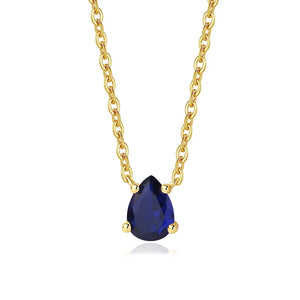
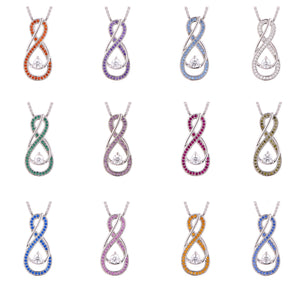


The piece they're describing → Sapphire Pendant Necklace for Women — Blue Sapphire Teardrop, 925 Sterling Silver
Personalize Yours


