


TL;DR: Pink tourmaline gives you warm, natural pink color at $100–$600 per carat and is widely available. Pink spinel is harder (Mohs 8), has no cleavage, sparkles brighter, and is almost always untreated — the best of the two for a daily-wear ring — but fine pink spinel is rarer and pricier ($200–$900/ct commercial, $1,500+/ct for top Mahenge color). Pick tourmaline for value and warmth. Pick spinel for durability, fire, and collector-grade natural color.
Pink tourmaline and pink spinel both deliver that gorgeous blush-to-hot-pink glow, and both end up in necklaces, studs, and rings. But they're different minerals with very different strengths. One is affordable and easy to find. The other is harder, brighter, almost always natural — and quietly one of the best-kept secrets in fine jewelry. Here's exactly how they compare, and which one fits your piece and budget.
Table of Contents
- What Are Pink Tourmaline and Pink Spinel?
- Color: How They Look Side by Side
- Treatment & Natural Color (Spinel's Big Advantage)
- Durability: Why Spinel Wins for Everyday Wear
- Price Comparison
- Which Stone Works Best for Which Jewelry?
- Care and Maintenance
- Birthstone and Anniversary Meaning
- How to Tell Them Apart
- Frequently Asked Questions
- Final Thoughts
What Are Pink Tourmaline and Pink Spinel?
Pink tourmaline is the pink variety of tourmaline, a complex boron silicate. Its color comes from trace manganese, and it forms in long, striated crystals. It's the same family as rubellite and watermelon tourmaline. Most pink tourmaline reaches the market with its natural color intact, and it's mined widely in Brazil, Mozambique, Nigeria, and Madagascar.
Pink spinel is the pink variety of spinel, a magnesium aluminum oxide. Its color comes from trace chromium and iron. Spinel has a famous history: for centuries it was mistaken for ruby. The "Black Prince's Ruby" in the British Crown Jewels and the "Timur Ruby" are both actually spinels. Today gemologists prize spinel for its brilliance, its near-total lack of treatment, and its rising value. Fine pink and red spinel comes from Mahenge in Tanzania, plus Myanmar (Burma), Sri Lanka, and Tajikistan.
The short version: tourmaline is the affordable, widely available pink. Spinel is the harder, rarer, brighter pink that insiders quietly collect.
| Feature | Pink Tourmaline | Pink Spinel |
|---|---|---|
| Mineral type | Boron silicate (tourmaline) | Magnesium aluminum oxide (spinel) |
| Color cause | Manganese | Chromium and iron |
| Mohs hardness | 7–7.5 | 8 |
| Cleavage | None (good toughness) | None (good toughness) |
| Usually treated? | No — color is typically natural | No — spinel is almost never treated |
| Brilliance / fire | Moderate; pleochroic | High brilliance, more fire |
| Availability | Widely available | Rare, especially fine color |
| Primary sources | Brazil, Mozambique, Nigeria, Madagascar | Tanzania (Mahenge), Myanmar, Sri Lanka, Tajikistan |
| Price range | $100–$600/ct | $200–$900/ct; $1,500+/ct (fine Mahenge) |
| Birthstone | October | August (modern) |

Color: How They Look Side by Side
Pink tourmaline shows warm, complex pinks — blush, peachy-rose, and raspberry, often with red or orange undertones. Because tourmaline is strongly pleochroic, the exact shade can shift as you tilt the stone, and natural pieces sometimes carry soft inclusions that give them an organic look.
Pink spinel reads cleaner, brighter, and livelier. It runs from soft baby pink to vivid hot pink, with the famous Mahenge material glowing an almost neon pinkish-red. Spinel is singly refractive, so it shows one pure color rather than shifting, and it returns more sparkle and fire than tourmaline. Many fine spinels are also remarkably eye-clean.
If you want warmth, depth, and a color that plays with the light, tourmaline delivers. If you want a brighter, livelier, more brilliant pink that pops, spinel usually wins.
Treatment & Natural Color (Spinel's Big Advantage)
Here's where spinel quietly shines. Spinel is one of the very few gemstones that is almost never treated. The color you see in a pink spinel is the color the earth made — no heat, no irradiation, no diffusion. That's rare in the colored-stone world, where heating and other treatments are routine.
Pink tourmaline is also usually natural, though some tourmaline is heated to improve color. According to the Gemological Institute of America, spinel's lack of routine treatment is one reason collectors increasingly seek it out.
Why this matters for you:
- Trust: With spinel, "natural color" is the default, not the exception. You rarely need to worry about hidden treatment.
- Value: Untreated stones with vivid color hold and grow value better. Fine pink spinel has appreciated steadily.
- Honesty: Tourmaline is usually natural too, but it's still worth asking whether a given stone was heated. A reputable seller will tell you.
Both stones give you natural color far more reliably than treated pink topaz or pink sapphire. Spinel just takes it one step further.
Durability: Why Spinel Wins for Everyday Wear
This is the practical difference that matters most for rings. Spinel rates Mohs 8 versus tourmaline's 7–7.5, so it resists scratches better. And crucially, spinel has no cleavage — it won't split or chip along a plane the way topaz can. That combination of good hardness and good toughness is exactly what you want in a stone you wear every day.
Pink tourmaline has no cleavage either, so it's tough against impact. But at Mohs 7–7.5 it picks up fine surface scratches faster than spinel, and it can be heat-sensitive. For an occasional-wear piece that's perfectly fine. For a daily ring, spinel's extra hardness gives it the edge.
The takeaway: both stones are tough against chipping, but spinel resists scratches better and is the stronger choice for an everyday ring. Tourmaline still works well in protective settings or in pieces that take less abuse.
Price Comparison
Tourmaline is the budget-friendly pink. Spinel costs more — sometimes far more — because fine color is genuinely rare and demand from collectors keeps rising.
| Stone | Typical price per carat | Notes |
|---|---|---|
| Natural pink tourmaline | $100–$600/ct | Widely available; rises with saturation and size |
| Commercial pink spinel | $200–$900/ct | Softer or slightly grey pinks |
| Fine rubellite (red-pink tourmaline) | $300–$1,500/ct | The most valuable pink tourmaline grade |
| Fine Mahenge pink spinel | $1,500–$3,000+/ct | Vivid neon pink-red; collector demand |
For most shoppers, the real choice is natural pink tourmaline versus commercial pink spinel. Tourmaline is cheaper and easier to find. Spinel costs more but rewards you with extra hardness, more sparkle, and untreated rarity. Both are honest natural stones, so it comes down to budget and what you value.
Which Stone Works Best for Which Jewelry?
Match the stone to how the piece gets worn — and to your budget.
- Everyday rings: Spinel is the better pick for daily wear thanks to Mohs 8 and no cleavage. Tourmaline works in a protective bezel or for lighter wear.
- Necklaces and pendants: Either is beautiful and safe from impact. Pink tourmaline necklaces give you warm color at a friendly price.
- Earrings: Both excel. Earrings take almost no knocks, so tourmaline's slightly lower hardness is a non-issue, and spinel's sparkle shines.
- Statement / collector pieces: Fine Mahenge spinel is a collector's stone that holds value. Tourmaline gives you a bigger, bolder look for the same money.
Care and Maintenance
Clean both stones with warm water, mild soap, and a soft brush. Spinel tolerates cleaning well, but skip ultrasonic and steam cleaners for tourmaline, which can be heat-sensitive and may have inclusions. Store each stone separately so harder gems don't scratch them — and remember that even Mohs 8 spinel can be scratched by a diamond. Take rings off before gardening, the gym, or housework to protect any colored stone.
Birthstone and Anniversary Meaning
Pink tourmaline is an October birthstone and the traditional gift for the 8th wedding anniversary. It's long been tied to the heart — compassion, emotional healing, and love — which makes it a meaningful, personal gift.
Spinel became a modern August birthstone in 2016, joining peridot, and it's the gem for the 22nd anniversary. Spinel symbolizes energy, revitalization, and devotion. For a romantic October gift, pink tourmaline fits naturally; for an August birthday or a 22nd anniversary, spinel is the right call.
How to Tell Them Apart
At a glance they look similar, but a few signs help:
- Color behavior: Tilt the stone. Pink tourmaline often shifts shade slightly thanks to strong pleochroism. Spinel shows one steady color (it's singly refractive).
- Sparkle: Spinel returns more brilliance and fire; tourmaline looks softer and warmer.
- Clarity: Fine spinel is often very clean; natural tourmaline more often shows inclusions.
- Certainty: Only a gemologist can confirm the stone. A refractometer separates them quickly — spinel reads a single refractive index, tourmaline reads two (birefringence).
If a "pink spinel" is priced like cheap tourmaline, ask for a lab report. Fine natural spinel rarely sells at bargain prices.
Keep exploring pink gemstones
Related reading: Spinel meaning.
Related reading: Red garnet vs red spinel.
Frequently Asked Questions
Is pink spinel more valuable than pink tourmaline? Usually yes. Fine pink spinel is rarer and commands higher prices than pink tourmaline — commercial spinel runs $200–$900 per carat and top Mahenge color can exceed $1,500–$3,000, versus $100–$600 for pink tourmaline. Spinel also tends to appreciate because fine color is scarce and it's almost never treated.
Is pink spinel harder than pink tourmaline? Yes. Pink spinel rates Mohs 8 versus pink tourmaline's 7–7.5, so it resists scratches better. Both stones lack cleavage, so neither chips easily, but spinel's extra hardness makes it the better choice for everyday rings.
Is pink spinel treated? Almost never. Spinel is one of the few gemstones routinely sold with completely natural, untreated color. That's a major reason collectors prize it. Pink tourmaline is usually natural too, though some is heated — so it's still worth asking about treatment.
Can you tell pink tourmaline and pink spinel apart by eye? Not reliably. Spinel shows steadier color and more sparkle, while tourmaline looks warmer and may shift shade slightly when tilted (pleochroism). A gemologist confirms the difference fast with a refractometer — spinel is singly refractive, tourmaline is doubly refractive.
Which is better for an engagement ring? Pink spinel, in most cases. Its Mohs 8 hardness plus no cleavage make it one of the toughest natural pink stones for daily wear. Pink tourmaline can work in a protective setting, but it scratches more easily. For a harder pink option still, pink sapphire is the most durable choice.
Why was spinel mistaken for ruby? Spinel and ruby form in the same deposits and share a similar red glow, so for centuries people couldn't tell them apart. Famous "rubies" like the Black Prince's Ruby in the British Crown Jewels are actually spinels. Gemology only separated the two in the late 18th century.
Does pink spinel sparkle more than pink tourmaline? Yes. Spinel has higher brilliance and more fire, so it returns more light and looks livelier. Pink tourmaline reads softer and warmer, with a more muted glow. If maximum sparkle matters to you, spinel wins.
Which pink stone is best for sensitive skin? Neither stone causes skin reactions. Sensitivity comes from the metal setting, not the gem. At AJLuxe we use 925 sterling silver with 18k gold plating, which suits most sensitive skin. If you have a nickel allergy, check the metal specification before buying.
Are pink tourmaline and pink spinel the same birthstone? No. Pink tourmaline is an October birthstone, alongside opal. Spinel is a modern August birthstone (added in 2016), alongside peridot and sardonyx. They mark birthdays in different months.
Which should I buy? For warm color, easy availability, and a friendly price, choose pink tourmaline. For a harder, brighter, untreated stone that wears well every day and holds value, choose pink spinel — and expect to pay more for fine color. Both are honest natural pinks; the choice comes down to budget and priorities.
Final Thoughts
Here's the simple version: pink tourmaline gives you warm, natural color at an approachable price, with plenty of supply and October birthstone meaning. Pink spinel gives you a harder, brighter, almost-always-untreated stone that's one of the best natural pinks for everyday rings — but fine color is rare and costs more.
If budget and availability lead your decision, pink tourmaline is the easy, beautiful pick. If you want durability, fire, and collector-grade natural color, pink spinel is worth the hunt and the price.
Browse our pink tourmaline jewelry and read the full pink tourmaline meaning guide to find the piece that suits you.
Written by Vaishakhi Ajmera — founder and jewelry specialist at AJLuxe. Last updated: July 2026.
Related Comparisons
- Pink Tourmaline vs Every Gemstone — the complete comparison guide
- Pink Tourmaline vs Pink Sapphire: Which Gemstone Should You Choose?
- Pink Tourmaline vs Pink Topaz: Color, Price & Which to Choose
- Pink Tourmaline vs Morganite: Color, Price & Durability
- Pink Tourmaline vs Ruby: Color, Price & Which to Choose
- Pink Tourmaline vs Opal: Color, Price & Which to Choose
- Pink Tourmaline vs Watermelon Tourmaline: Color, Rarity & Which to Choose
- Pink Tourmaline vs Pink Diamond: Price, Rarity & Which to Choose
- Pink Tourmaline vs Amethyst: Color, Price & Which to Choose
All third-party trademarks, brand names and product names are the property of their respective owners. AJLuxe is not affiliated with, endorsed by, sponsored by, or otherwise connected to any third-party brand referenced in this article. Brand names are used solely for accurate comparative reference, and material descriptions reflect each brand's own published product specifications at the time of writing.
You Might Also Like

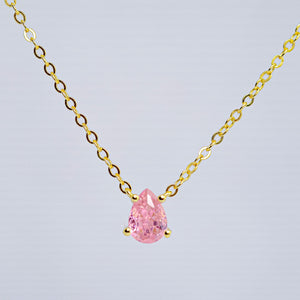
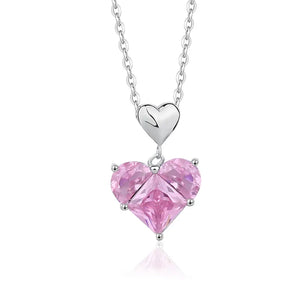
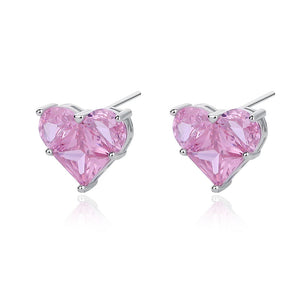

The piece they're describing → Pink Tourmaline Infinity Necklace for Women — 925 Sterling Silver, Pink CZ Pave
Personalize Yours


