


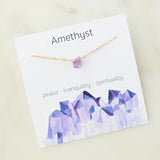
- Stone type: Beryl — same mineral family as emerald and aquamarine
- Primary meaning: Divine love, compassion, emotional healing, soulmate energy
- Chakra: Heart chakra — opens and activates it more deeply than rose quartz
- Hardness: Mohs 7.5–8 — durable enough for rings, pendants, and daily wear
What Is Morganite?
Morganite is a peachy-pink to soft rose-pink gemstone in the beryl mineral family — the same family as emerald and aquamarine. That connection surprises most people. When you wear morganite, you're wearing a cousin of two of the world's most famous gemstones, just in a blush-pink form shaped by trace amounts of manganese in the crystal lattice.
Morganite forms in pegmatite deposits and comes primarily from Brazil, Madagascar, Afghanistan, Mozambique, and the Pala region of California. Brazilian morganite tends to show the deepest peachy-pink tones. Most morganite on the market has been heat-treated to remove yellowish undertones — this is an industry standard, not a defect, and it makes the peachy-pink color more consistent and stable.
You'll sometimes see morganite marketed as "pink emerald," but that's a trade name, not a gemological term. Gemologically it's simply pink beryl. Its Mohs hardness of 7.5–8 makes it harder than most quartz stones, meaning it holds up well in rings, pendants, and bracelets worn daily.
Morganite Meaning and Symbolism
Morganite carries the energy of divine love — not romantic love in the everyday sense, but the deeper soul-level connection that transcends time and circumstances. Crystal healers and metaphysical practitioners describe it as a stone of compassion, emotional healing, and soulmate energy. It's associated with attracting love that feels aligned, not forced.
There's a meaningful difference between morganite and rose quartz when it comes to the type of love each stone represents. Rose quartz works with earthly, self-directed love — it's nurturing, gentle, and focused on healing the self and opening the heart to everyday affection. Morganite operates at a higher register. Its energy points toward divine love, spiritual partnership, and the kind of bond that feels destined. People going through grief, heartbreak, or a spiritual search for connection often gravitate toward morganite for this reason.
Historically, morganite's soft pink tones have linked it to femininity, compassion, and empathy across many traditions. The color itself — warm, peachy, and gentle — communicates comfort and warmth. As a beryl, it shares some symbolic ground with emerald (growth, abundance) and aquamarine (calm, clarity), but its pink hue channels those qualities directly through the heart.
Morganite Healing Properties
Crystal healing traditions ascribe a wide range of benefits to morganite. These are metaphysical properties, not medical claims — but for those who work with crystals, morganite is considered one of the most powerful stones for the emotional body.
Emotional Healing
Morganite is said to help release old emotional wounds, including grief, resentment, and heartbreak that haven't fully healed. It softens anger and replaces it with understanding. People who've experienced loss — of a relationship, a loved one, or a version of themselves — often find morganite grounding in a gentle way. It supports the process of letting go without forcing it.
It's also linked to attracting love. Many people use morganite during times of romantic transition — after a breakup, before a new relationship, or when they want to deepen an existing connection. The stone isn't about quick fixes; it's about clearing the emotional space so that genuine connection can enter.
Mental and Emotional Clarity
On the mental level, morganite is associated with greater empathy and emotional intelligence. It's said to help you understand other people's perspectives more easily — useful in relationships, caregiving situations, and any role that requires compassion under pressure. Some crystal practitioners also report that morganite reduces anxiety and the kind of chronic stress that comes from emotional over-giving or unresolved relationship patterns.
Spiritual Properties
Spiritually, morganite connects to the higher self and divine feminine energy. It's associated with the planet Venus and the element of water — both linked to receptivity, flow, and love in classical metaphysical systems. Working with morganite in meditation is said to open channels to higher guidance and help align your intentions with love rather than fear.
Physical Associations
In traditional crystal healing, morganite has long been associated with the heart, lungs, and nervous system. Practitioners have used it to support recovery from stress-related conditions, to calm an overactive nervous system, and to assist with respiratory health. These are traditional beliefs, not medical treatments, but they reflect the stone's deep association with the heart — both literal and metaphorical.
Morganite and the Heart Chakra
Morganite is a heart chakra stone — specifically, it's linked to Anahata, the fourth chakra located at the center of the chest. The heart chakra governs love, compassion, relationships, and the bridge between your physical and spiritual self.
What makes morganite distinct from other heart chakra stones is the depth of activation it's said to create. Rose quartz opens the heart to love and comfort. Green aventurine draws in opportunity and abundance through the heart. Rhodonite helps heal emotional wounds. Morganite does something slightly different: it's described as activating the heart at a soul level, connecting you to universal love rather than personal love.
In practice, people use morganite for heart chakra work by placing it directly on the chest during meditation, wearing it as a pendant (which keeps it near the heart throughout the day), or using it during breathwork focused on releasing emotional blockages. Combining it with rose quartz amplifies the love frequency; pairing it with rhodonite adds a grounding, wound-healing quality to the session.
Morganite Properties at a Glance
| Property | Morganite |
|---|---|
| Mineral family | Beryl (Be₃Al₂Si₆O₁₈) |
| Color | Peachy-pink to soft rose-pink |
| Mohs hardness | 7.5–8 |
| Crystal system | Hexagonal |
| Chakra | Heart chakra (Anahata) |
| Element | Water |
| Planet | Venus |
| Zodiac | Taurus, Libra, Cancer |
| Primary origin | Brazil, Madagascar, Afghanistan, California (USA) |
| Named after | J.P. Morgan (1910, by George Kunz) |

Who Should Wear Morganite?
Morganite is associated primarily with Taurus and Libra — two Venus-ruled signs that appreciate beauty, harmony, and deep connection. Taurus benefits from morganite's grounding heart energy and its ability to ease possessiveness or stubbornness in relationships. Libra finds alignment in morganite's compassion-forward energy and its support for partnership and emotional balance. Cancer also has a strong affinity with this stone, given their deep emotional nature and sensitivity in relationships.
Beyond zodiac compatibility, morganite suits anyone going through a period of emotional transition. If you're healing from heartbreak, working through grief, trying to attract a meaningful relationship, or simply want to cultivate more compassion in your daily interactions, morganite is worth working with. It's also well-suited to caregivers and empaths who find themselves emotionally depleted — the stone's energy supports giving love from a place of fullness rather than exhaustion.
People who feel emotionally stuck, closed off, or unable to move past old wounds often find morganite a gentler starting point than more intense heart-healing stones. Its energy is firm but never harsh.
How to Use Morganite
The most direct way to work with morganite is to wear it as jewelry. A pendant that rests near the heart keeps the stone's energy in constant contact with your heart chakra throughout the day. Rings and bracelets also work — morganite's hardness (7.5–8) makes it practical for everyday wear without constant worry about damage.
For meditation, hold a morganite tumble stone in your left hand (the receiving hand in many traditions) or place it on your chest. Breathe slowly and visualize a warm peach-pink light expanding from your heart with each exhale. Set an intention around what kind of love or emotional healing you want to invite. Even 5–10 minutes of this practice regularly is said to have a noticeable effect over time.
In your home, placing morganite in the bedroom supports loving energy in the relationship space. Some practitioners put it on the nightstand or under the pillow when working on attracting or deepening a partnership. Pairing it with rose quartz amplifies the love frequency; combining it with kunzite or pink tourmaline deepens spiritual connection.
Cleansing morganite: The safest methods are moonlight (leave it out overnight under a full moon), sound cleansing with a singing bowl or bells, or placing it on a selenite charging plate. Avoid soaking morganite in water for extended periods — beryl can tolerate brief rinsing but prolonged water exposure can affect its surface over time. Avoid salt water entirely.
Morganite vs Rose Quartz: What's the Difference?
Morganite and rose quartz both work with love energy and the heart chakra, which is why people often compare them. But they're quite different in how they work — energetically and gemologically.
| Property | Morganite | Rose Quartz |
|---|---|---|
| Mineral | Beryl (Be₃Al₂Si₆O₁₈) | Quartz (SiO₂) |
| Mohs hardness | 7.5–8 | 7 |
| Rarity / price | Rarer, higher value per carat | Common, inexpensive |
| Meaning | Divine love, soulmate connection | Self-love, everyday nurturing |
| Best for | Deep spiritual/soulmate work | Daily self-compassion practice |
Many crystal practitioners use both together, letting rose quartz create the emotional foundation and morganite elevate it. For a full comparison of these two stones across color, hardness, meaning, and use cases, see our detailed guide: Morganite vs Rose Quartz: Full Comparison.
Morganite vs Pink Sapphire: Which Should You Choose?
Pink sapphire is the other stone people cross-shop against morganite, and the decision usually comes down to durability and budget versus color and rarity.
| Property | Morganite | Pink Sapphire |
|---|---|---|
| Mineral | Beryl | Corundum (Al₂O₃) |
| Mohs hardness | 7.5–8 | 9 — second only to diamond |
| Color | Peachy-pink, softer tone | True pink to magenta, more saturated |
| Price per carat | Lower — large stones stay affordable | Significantly higher, especially untreated |
| Treatment | Usually heat-treated (standard, stable) | Often heated; unheated commands a premium |
| Best for | Large statement stones on a budget | Everyday rings needing maximum durability |
If you want a large, eye-catching stone without a large-stone price tag, morganite wins — its lower price per carat means you can wear a bold 8–10mm stone for a fraction of what a comparable sapphire costs. If the piece is a ring worn daily and durability is the priority, pink sapphire's Mohs 9 hardness holds up to more daily abuse. For pendants and earrings, where impact risk is lower, morganite's softer color and better value make it the easier recommendation.
Morganite Jewelry: What to Look For
Quick buying checklist:
- Size for color: morganite's color saturation is subtle at small sizes — stones under about 6mm can look pale. For a visibly peachy-pink hue, look for 8mm or larger.
- Ask about treatment: confirm whether the stone is heat-treated (standard, and not a red flag) or untreated (rarer, priced at a premium).
- Setting: four-prong or bezel settings protect the stone edge while still showing color — avoid low-set styles that trap dirt or catch on fabric.
- Metal tone: rose or yellow gold plating enhances morganite's warmth; white gold/silver reads cooler.
- Lighting check: view the stone in natural daylight before buying — morganite's color shifts noticeably under fluorescent lighting.
Color is the most important quality factor for morganite. The most desirable stones show a rich peachy-pink or salmon tone with good saturation — not washed out, not overly dark. A stone that looks almost translucent or very pale will appear less lively in a setting.
Most morganite has been heat-treated to remove yellowish tones and improve color consistency. This is standard practice in the gemstone industry and doesn't affect the stone's durability or metaphysical properties. Reputable sellers will tell you if a stone is untreated — untreated morganite with strong color commands a premium, but treated stones are just as beautiful for jewelry wear.
For care, clean morganite jewelry with warm soapy water and a soft brush. Avoid ultrasonic cleaners and steam cleaning, which can stress inclusions. Remove morganite jewelry before gardening, heavy manual work, or contact sports.
For more information on morganite gemology, the GIA's morganite guide covers color grading, origin, and treatment in detail.
Wear Morganite's Love Energy Every Day
Morganite's peachy-pink color and heart chakra energy make it one of the most wearable healing stones in jewelry. AJLuxe carries birthstone and gemstone pendant necklaces set in 925 sterling silver with 18K gold plating — hypoallergenic, gift-boxed, and built for daily wear.
Frequently Asked Questions About Morganite
What does morganite mean spiritually?
Morganite means divine love and compassion on a spiritual level — it's associated with soul-level connection, emotional healing, and opening the heart chakra to universal love. It's often called a stone of divine love because its energy goes beyond romantic attraction to encompass a higher, more expansive form of connection.
What chakra is morganite associated with?
Morganite is associated with the heart chakra (Anahata, the fourth chakra). It's considered one of the most effective stones for activating and opening the heart chakra, helping to release emotional blockages and invite more love, compassion, and spiritual connection.
Is morganite good for love and relationships?
Yes — morganite is considered one of the strongest love stones in crystal healing. It's used to attract soulmate-level relationships, deepen existing partnerships, heal heartbreak, and cultivate compassion. Its energy focuses on love that's aligned and genuine rather than transactional.
What is the difference between morganite and rose quartz?
Morganite is a beryl (hardness 7.5–8) with peachy-pink color and energy associated with divine, soul-level love. Rose quartz is a quartz (hardness 7) with pink color and energy associated with self-love and everyday emotional nurturing. Morganite is rarer and generally more valuable as a gemstone. See our full morganite vs rose quartz comparison for more.
Is morganite or pink sapphire better?
It depends on the piece. Pink sapphire is harder (Mohs 9 vs. 7.5–8) and better suited to a ring worn daily, but it costs significantly more per carat. Morganite lets you wear a larger, bolder stone at a fraction of the price, making it a better fit for pendants, earrings, and statement pieces where impact risk is lower.
What zodiac sign is morganite good for?
Morganite is primarily associated with Taurus and Libra — both Venus-ruled signs — and also resonates with Cancer. Taurus benefits from its grounding heart energy; Libra appreciates its support for balanced, harmonious relationships; Cancer connects with its deep emotional and nurturing qualities.
How do you cleanse morganite?
The best ways to cleanse morganite are moonlight (leave it overnight under a full moon), sound cleansing with a singing bowl, or placing it on a selenite plate. Brief rinsing in clean water is fine, but avoid soaking it or using salt water, which can affect the stone's surface over time.
Is morganite a type of emerald?
No — morganite is not a type of emerald, but they're in the same mineral family. Both are beryl (Be₃Al₂Si₆O₁₈). Emerald gets its green color from chromium and vanadium; morganite gets its peachy-pink color from manganese. The term "pink emerald" is sometimes used in marketing but isn't a gemological classification.
What does morganite look like?
Morganite ranges from pale peachy-pink to a warm salmon or blush rose color. It's typically transparent to translucent with a vitreous (glass-like) luster. The best specimens show medium saturation — not too pale, not too deep. Heat-treated stones (the industry standard) show a cleaner, more consistent peachy-pink without yellow undertones.
Can you wear morganite every day?
Yes — morganite's Mohs hardness of 7.5–8 makes it suitable for daily wear in most settings. It's harder than rose quartz and most quartz stones. Use common sense: remove it before heavy manual work or contact sports. Clean it with warm soapy water and a soft brush, and avoid ultrasonic cleaners.
What does morganite do for the heart chakra?
Morganite is said to activate and open the heart chakra at a deep level, clearing emotional blockages, softening old wounds, and creating space for divine love to enter. Unlike some heart chakra stones that work primarily on self-love, morganite is described as connecting the heart to universal love energy — making it useful both for personal healing and for spiritual partnership work.
Shop AJLuxe Crystal Jewelry
Birthstone & gemstone necklaces · 925 sterling silver · from $22.99
Browse Crystal Jewelry →Conclusion
Morganite is more than a beautiful pink gemstone. As a beryl — sister stone to emerald and aquamarine — it carries real geological prestige. Named for J.P. Morgan in 1910, it has a history as rich as its color. And as a heart chakra stone with a focus on divine love, emotional healing, and soulmate connection, it fills a distinct space in the world of healing crystals that rose quartz alone can't cover.
If you're drawn to it — whether for its peachy warmth, its metaphysical properties, or simply how it looks set in gold — morganite tends to reward the connection you bring to it. Wear it close to your heart, work with it intentionally, and give it time.
Want to compare it side by side with other pink stones? See: Morganite vs Rose Quartz and Pink Tourmaline vs Morganite.
Written by the AJLuxe team — specialists in personalized sterling silver and gemstone jewelry. Last updated: June 2026.
Morganite shares its beryl mineral family with two other beloved gems: emerald and aquamarine. All three are Be₃Al₂Si₆O₁₈ — what changes is the trace element causing the color.
Explore more: Crystal Jewelry: Meanings & Guides
Related reading: Best Earrings for Newly Pierced Ears (2026): What Actually Helps Healing.
All third-party trademarks, brand names and product names are the property of their respective owners. AJLuxe is not affiliated with, endorsed by, sponsored by, or otherwise connected to any third-party brand referenced in this article. Brand names are used solely for accurate comparative reference, and material descriptions reflect each brand's own published product specifications at the time of writing.
You Might Also Like

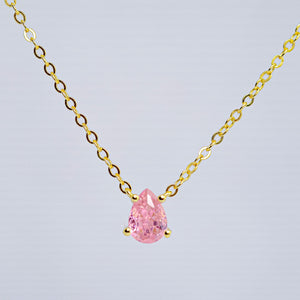
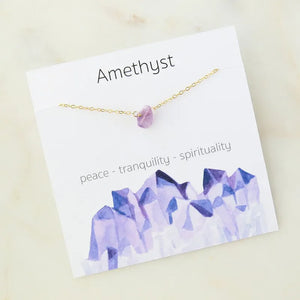
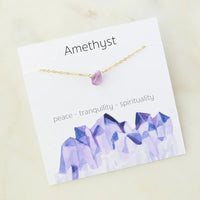
The piece they're describing → Stone Charm Necklace for Women — Raw Natural Gemstone Pendant
Personalize Yours


