


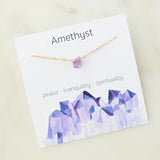
- Hardness: Morganite (7.5–8) is harder and more durable than rose quartz (7)
- Color: Morganite is warm peachy-pink and transparent; rose quartz is cool milky-pink and opaque
- Price: Rose quartz costs $1–10/ct (very abundant); morganite runs $50–300/ct
- Engagement rings: Morganite is a popular bridal stone; rose quartz is generally too soft for daily wear rings
- Energy: Rose quartz for universal self-love; morganite for divine love and soulmate connection
Both morganite and rose quartz show up on mood boards, bridal shortlists, and healing crystal collections — and it's easy to see why. They're both pink, both connected to the heart, and both feel softer and more romantic than diamonds or sapphires. But beyond the pink color, these two stones are very different in terms of mineral chemistry, durability, price, and how they're used in jewelry.
Here's the honest breakdown so you can pick the right one for your piece — or decide whether to use both.
Quick Comparison: Morganite vs Rose Quartz
| Feature | Morganite | Rose Quartz |
|---|---|---|
| Mineral family | Beryl (Be₃Al₂Si₆O₁₈) — same family as emerald & aquamarine | Quartz (SiO₂) — same family as amethyst & citrine |
| Color | Warm peachy-pink to soft blush | Cool pale pink, sometimes slightly lavender |
| Mohs hardness | 7.5–8 | 7 |
| Transparency | Transparent — facets well, high brilliance | Translucent to opaque — usually cut as cabochon |
| Price per carat | $50–$300 (gem quality) | $1–$10 (very abundant) |
| Heat treatment | Usually heat-treated to remove yellow tint | Untreated |
| Best jewelry use | Faceted rings, pendants, earrings | Cabochon pendants, beads, spheres |
| Engagement ring | Yes — popular bridal choice | Not recommended (too soft for daily wear) |
| Chakra / meaning | Heart chakra — divine love, soulmate energy | Heart chakra — universal love, self-love |

Color & Appearance: How to Tell Them Apart
Morganite and rose quartz both read as "pink" in photos, but in person they look quite different. Morganite is warm — it leans peachy and blush, sometimes with a salmon or apricot undertone. It's also transparent, meaning light passes straight through it. When faceted, a good morganite sparkles the same way an aquamarine or emerald does. That's not a coincidence — they're all beryl.
Rose quartz is cooler. Its pink is pale and sometimes slightly lavender, and it's almost always milky or cloudy due to microscopic inclusions. Those inclusions scatter light rather than transmit it, which is why rose quartz glows softly instead of sparkling. This also means rose quartz rarely gets faceted — most are cut into smooth dome cabochons, beads, or spheres where the milky glow is the whole aesthetic.
So if someone hands you two pink stones, the quick test is transparency. Hold both up to light. If it's clear with visible sparkle, it's morganite (or another transparent pink gem). If it's soft and milky with a diffused inner glow, it's rose quartz.
Hardness & Durability: Which Holds Up Better?
Morganite scores 7.5–8 on the Mohs hardness scale. Rose quartz scores 7. That half-point difference matters more than it sounds in everyday wear. Common dust particles contain quartz (7), which means a 7-hardness stone gets scratched by everyday exposure. Morganite sits above that threshold, which is why it resists scratching significantly better over time.
Beyond hardness, morganite also has fewer inclusions than rose quartz, which makes its structure more stable and less prone to chipping or cracking under impact. Rose quartz, while technically wearable, is more vulnerable to both surface scratching and impact fractures — especially in ring settings that receive daily knocks.
Cleaning chemicals are another factor. Rose quartz can cloud or become dull with repeated exposure to ultrasonic cleaners or harsh solvents. Morganite handles cleaning better, though both stones should be cleaned gently with mild soapy water and a soft brush. For daily-wear jewelry like rings or bracelets, morganite is the safer material choice.
Price: Why Morganite Costs So Much More
Rose quartz is one of the most abundant minerals on Earth. It's found on every continent, it comes in massive deposits, and even large specimens cost almost nothing. Gem-quality rose quartz cabochons typically run $1–10 per carat. You can buy a 10mm rose quartz cabochon for a few dollars.
Morganite is rarer. It comes primarily from Brazil, Madagascar, Afghanistan, and a few other locations. Gem-quality transparent material that facets cleanly is less common, and the best peachy-pink stones with strong saturation and no visible inclusions command $50–300 per carat or more. A 2-carat morganite center stone in an engagement ring might cost $100–600+ for the stone alone.
Both stones are affordable by gemstone standards — neither approaches diamond, alexandrite, or fine sapphire pricing. But the gap between them is real: a comparable morganite pendant will typically cost 10–30× more than a rose quartz pendant at the same size and quality tier.
Is Morganite or Rose Quartz Better for an Engagement Ring?
Morganite is one of the most popular alternative engagement ring stones on the market right now, and for good reasons. It's hard enough for daily wear, it facets brilliantly, and its warm peachy-pink color pairs beautifully with rose gold settings. According to the GIA, morganite is part of the beryl family — the same group as emerald and aquamarine — and its durability makes it a practical choice for rings worn every day.
Rose quartz is generally not recommended for engagement rings. The core issues are its Mohs 7 hardness (borderline for daily wear), its tendency to scratch and cloud over time, and its milky translucency which doesn't facet well into the brilliant cuts typically used for center stones. Most rose quartz engagement rings seen online use cabochon cuts, which look beautiful but show wear much faster than faceted stones in active hands.
If you love pink and want a ring you can wear daily without stress, choose morganite. If the engagement ring is more of a sentimental piece worn occasionally, rose quartz can work — just set it in a protective bezel setting rather than prongs.
Healing Properties & Meaning: Same Chakra, Different Focus
Both stones work with the heart chakra, but they target it differently — and this is worth understanding if you're choosing based on energy or intention.
Rose quartz is the original love stone. In crystal healing tradition, it's associated with unconditional love, self-compassion, emotional healing, and opening yourself to receive love. It's often recommended for people who are healing from heartbreak, building self-worth, or working on nurturing relationships in general. The energy is gentle, soft, and universally loving — hence "the stone of unconditional love." Our rose quartz meaning guide covers its history and chakra connections in full.
Morganite carries a different frequency. It's associated with divine love, soulmate connections, and deep compassion for others. If rose quartz is about opening your heart to love in general, morganite is about aligning yourself with a specific profound love — it's considered the stone of attraction and spiritual union. Some practitioners also associate it with the angelic realm and high-vibration heart energy.
Both are heart chakra stones, but rose quartz is the inward work, and morganite is the outward draw. You don't have to choose — they're complementary rather than competing.
Can You Wear Morganite and Rose Quartz Together?
Yes, and they layer beautifully. Since both are heart chakra stones in the same pink color family, they work together in layered necklace stacks, mixed-stone bracelets, or as complementary pieces in a jewelry collection. There's no energetic conflict — one deepens self-love while the other draws in romantic connection. Many crystal practitioners intentionally pair them for exactly that reason.
Color-wise they also blend well. The warm peachy tone of morganite and the cool milky pink of rose quartz create an interesting contrast when worn together — they're distinct enough to look intentional rather than matchy.
Find the Right Pink Stone at AJLuxe
Both morganite and rose quartz make beautiful pendants. AJLuxe carries pink stone necklaces set in 925 sterling silver with 18K gold plating — hypoallergenic, gift-boxed, and built for daily wear.
For a deep dive into morganite's full crystal meaning and healing properties, see our guide: Morganite Meaning & Healing Properties.
Frequently Asked Questions
What is the main difference between morganite and rose quartz?
The main difference is their mineral family and appearance: morganite is a beryl (same family as emerald) that's transparent and facets into brilliant sparkling gems, while rose quartz is a quartz that's milky and translucent, typically cut into smooth cabochons. Morganite is also harder (7.5–8 vs 7) and more expensive ($50–300/ct vs $1–10/ct).
Which is harder — morganite or rose quartz?
Morganite is harder, scoring 7.5–8 on the Mohs scale compared to rose quartz's 7. That difference makes morganite more scratch-resistant for daily wear and a better choice for rings and bracelets that see regular use.
Is morganite more expensive than rose quartz?
Yes, significantly. Morganite runs $50–300 per carat for gem quality, while rose quartz typically costs $1–10 per carat. Rose quartz is one of the most abundant minerals on Earth, which keeps its price very low. Morganite is rarer and requires higher-quality material to facet well.
Can you use rose quartz for an engagement ring?
Rose quartz isn't recommended for an engagement ring worn daily. Its Mohs 7 hardness means it scratches more easily than morganite or diamond, and its milky translucency doesn't facet into a brilliant center stone the way morganite does. If you love rose quartz, a bezel-set cabochon in an occasional-wear ring is the safer approach.
Why does morganite look peachy instead of pink?
Morganite's peachy color comes from trace amounts of manganese within its beryl crystal structure. Most morganite is also heat-treated to remove a yellow secondary hue, which shifts the stone toward a cleaner pink or blush tone. The result is a warm, peachy-pink that looks different from the cool, pale pink of rose quartz.
Is morganite a type of quartz?
No. Morganite is a variety of beryl (Be₃Al₂Si₆O₁₈), the same mineral family as emerald and aquamarine. Rose quartz is a variety of quartz (SiO₂), the same family as amethyst and citrine. They're completely different minerals with different crystal structures, hardness levels, and optical properties.
What chakra does morganite work with vs rose quartz?
Both work with the heart chakra (Anahata), but with different focuses. Rose quartz is associated with unconditional self-love, emotional healing, and opening to receive love broadly. Morganite is associated with divine love, soulmate attraction, and deep compassionate connection — a more directed heart energy.
How do you tell morganite from rose quartz?
Hold both up to light. Morganite is transparent — you can see clearly through it, and a faceted piece will sparkle. Rose quartz is translucent to opaque with a milky, cloudy interior. Morganite is also warmer (peachy tones), while rose quartz is cooler (pale lavender-pink). Morganite is almost always faceted; rose quartz is almost always a cabochon.
Can you wear morganite and rose quartz together?
Yes — they complement each other beautifully. Both are heart chakra stones, both are pink, and their energies are complementary rather than competing. Rose quartz works on self-love and openness, while morganite draws in romantic and divine love. Wearing them together covers both aspects of the heart chakra.
Does rose quartz fade over time?
Rose quartz can fade with prolonged direct sunlight exposure over years. It can also lose its luster and become dull if repeatedly cleaned with harsh chemicals or ultrasonic cleaners. Store it away from direct light and clean it only with mild soapy water. Morganite is more stable and handles light and cleaning better than rose quartz.
The Bottom Line
Morganite and rose quartz aren't really rivals — they serve different purposes. If you want a durable, sparkling pink stone for a ring or everyday fine jewelry piece, morganite is the better choice: it's harder, more brilliant, and looks spectacular when faceted. If you want an affordable, glowing pink stone for pendants, healing work, or casual jewelry, rose quartz delivers exactly that at a fraction of the cost.
Both are heart chakra stones rooted in love — just different expressions of it. The right choice depends on what you're making, what you're spending, and what energy you want to carry.
Written by the AJLuxe team — specialists in personalized sterling silver and gemstone jewelry. Last updated: June 2026.
For water and care advice specific to rose quartz, see: Can Rose Quartz Go in Water?.
Related reading: Smoky quartz meaning.
Related reading: Rose quartz necklace guide.
Related reading: Eternity Rose Necklace: What It Actually Is, What It Costs, and How to Choose (2026).
All third-party trademarks, brand names and product names are the property of their respective owners. AJLuxe is not affiliated with, endorsed by, sponsored by, or otherwise connected to any third-party brand referenced in this article. Brand names are used solely for accurate comparative reference, and material descriptions reflect each brand's own published product specifications at the time of writing.
You Might Also Like
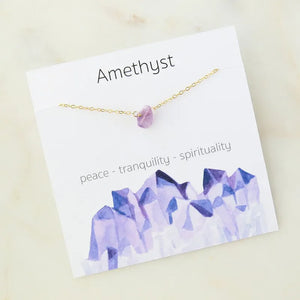
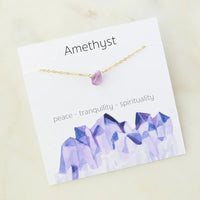
The piece they're describing → Stone Charm Necklace for Women — Raw Natural Gemstone Pendant
Personalize Yours


