


TL;DR: Pink tourmaline and amethyst are both affordable, everyday colored gems — the choice mostly comes down to color and budget. Amethyst is purple quartz, one of the most abundant fine gems on Earth, so it's the value champion at roughly $10–$50 per carat. Pink tourmaline is rarer and pinker, running $50–$600 per carat. They're nearly tied on hardness (Mohs 7 vs 7–7.5), so both wear well daily. The big care difference: amethyst can fade in long sun exposure, while pink tourmaline holds its color. Want purple and maximum value? Amethyst. Want pink and a slightly more precious stone? Pink tourmaline.
Here's a comparison that's really about taste. Pink tourmaline vs amethyst isn't a fight over which stone is "better" — they're different colors serving different moods. One is a warm, romantic pink. The other is a cool, regal purple. Both are affordable, both are hard enough for daily wear, and both carry rich meaning. So the real questions are: which color speaks to you, what's your budget, and are there any catches you should know before you buy? This guide covers all three, including the two things people most often get surprised by — sun fading and synthetic stones.
Table of Contents
- What Are Pink Tourmaline and Amethyst?
- Color: Pink Warmth vs Purple Cool
- Treatment, Synthetics & the Fading Catch
- Durability: A Near Tie
- Price: Amethyst Is the Value Champion
- Which One Suits Your Jewelry?
- Caring for Each Stone
- Meaning & Birthstone Ties
- How to Tell Them Apart
- Frequently Asked Questions
- Final Thoughts: Which Should You Choose?
What Are Pink Tourmaline and Amethyst?
Pink tourmaline is the pink variety of elbaite, a boron silicate mineral colored by manganese. It ranges from soft baby pink to vivid magenta and is mined in Brazil, Nigeria, and Afghanistan. It sits in the affordable-to-mid colored-gem range. Read more in our pink tourmaline meaning guide.
Amethyst is the purple variety of quartz, colored by iron and natural irradiation. It runs from pale lilac to deep royal purple, sometimes with reddish flashes. Quartz is one of the most common minerals on Earth, and amethyst is mined in huge quantities — especially in Brazil, Uruguay, and Zambia. That abundance is exactly why it's so affordable. Our amethyst meaning guide covers it in depth.
So the core difference is simple: a warm pink boron silicate versus a cool purple quartz. Different species, different colors, similar everyday wearability.
| Feature | Pink Tourmaline | Amethyst |
|---|---|---|
| Mineral | Elbaite (tourmaline) | Quartz |
| Color source | Manganese | Iron + irradiation |
| Mohs hardness | 7–7.5 | 7 |
| Color range | Baby pink to magenta | Lilac to deep purple |
| Typical price/carat | $50–$600 | $10–$50 |
| Rarity | Moderately available | Very abundant |
| Fades in sunlight? | No (color-stable) | Yes, with prolonged exposure |
| Common synthetics? | Rare | Yes — lab quartz is common |
| Birthstone | October | February |
| Meaning | Love, heart, compassion | Calm, clarity, spirituality |

Color: Pink Warmth vs Purple Cool
This is the whole decision for most buyers, so trust your eye here.
Pink tourmaline brings warmth. Its pinks flatter warm skin tones and pair naturally with rose and yellow gold. The best stones glow with a saturated raspberry or magenta that feels romantic and feminine.
Amethyst brings cool elegance. Its purples range from soft, dreamy lavender to a deep, velvety royal purple that reads as luxurious far above its price. Amethyst suits white gold, platinum, and silver beautifully, and the deep stones have a regal quality that's been prized since antiquity.
Neither is "more beautiful" — they're opposite ends of the color wheel. If you gravitate to warm pinks and romance, tourmaline. If you love cool purples and that calm, regal mood, amethyst. Many people simply pick the one they're drawn to in the mirror, and that's the right call.
Treatment, Synthetics & the Fading Catch
Both stones are honest buys, but there are two things to know before you spend.
Amethyst can fade. This is the single most important thing to understand. Prolonged exposure to sunlight or heat can lighten amethyst's purple over time. It's not fragile in the structural sense — it just isn't fully colorfast. Wear it freely, but don't leave amethyst jewelry sitting on a sunny windowsill for years. Pink tourmaline, by contrast, holds its color and isn't prone to fading.
Synthetic amethyst is everywhere. Because natural amethyst is already cheap, there's a lot of lab-grown quartz on the market that looks identical to the eye. It's a real, attractive stone — but it should be disclosed and priced as synthetic, not sold as natural. Pink tourmaline is rarely synthesized, so you almost never face this question with it. If an amethyst deal seems suspiciously perfect and perfectly clean, ask whether it's natural or lab-created.
Treatment. Most amethyst is sold natural, though some is gently heated to even out color. (Heat amethyst far enough and it turns golden — that's where most citrine comes from.) Pink tourmaline is sometimes heated to improve color too. Neither treatment is a problem; both are standard and stable.
The honest takeaway: amethyst gives you incredible color for the money, as long as you accept the fade risk and buy from a seller who discloses synthetics.
Durability: A Near Tie
On hardness, these two are practically even. Amethyst is Mohs 7, pink tourmaline 7–7.5. Both clear the bar for everyday jewelry, and both will pick up fine surface wear over many years of hard use — that's true of almost any colored gem in this range.
Two small distinctions. Amethyst, as quartz, is tough and consistent, with no cleavage to worry about — it just needs protection from sunlight more than from impact. Pink tourmaline can carry internal inclusions and strain, so a sharp knock matters a little more than a scratch does. For rings, a protective setting helps either stone. For necklaces and earrings, where knocks are rare, both are worry-free.
Bottom line: durability isn't the deciding factor here. They're close enough that you can choose on color and price instead.
Price: Amethyst Is the Value Champion
If budget is driving your decision, amethyst wins clearly.
| Stone & Quality | Typical Price per Carat | What You Get |
|---|---|---|
| Amethyst (commercial) | $10–$30 | Pretty purple, eye-clean, any size |
| Amethyst (fine, deep purple) | $40–$100 | Rich royal color, larger stones |
| Pink tourmaline (commercial) | $50–$200 | Pretty pink, eye-clean, everyday |
| Pink tourmaline (fine, vivid) | $300–$600+ | Saturated magenta, larger sizes |
Amethyst is one of the best color-per-dollar gems you can buy. Even a large, deeply colored stone stays affordable because the supply is so plentiful. Pink tourmaline costs more — it's rarer — but it's still firmly in reach for most buyers, and a fine pink tourmaline feels a touch more "precious" precisely because it's less common. If you want the biggest, boldest stone for the smallest spend, amethyst. If you're happy to pay a bit more for pink and rarity, tourmaline.
Which One Suits Your Jewelry?
Choose amethyst for: bold cocktail rings, big statement pendants, and anytime you want maximum size and rich color on a small budget. It looks especially striking in white gold and silver.
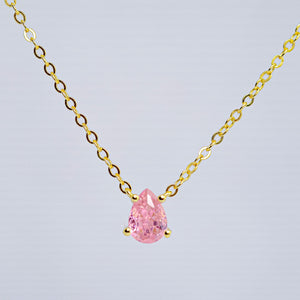
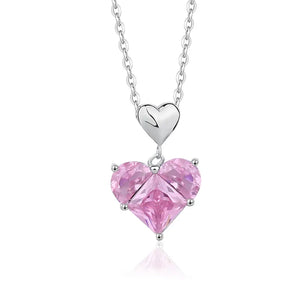
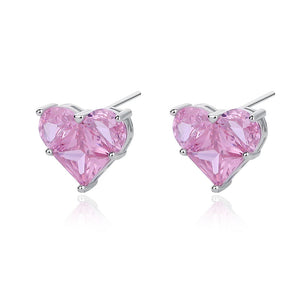
Choose pink tourmaline for: romantic everyday pieces, delicate pink pendants and studs, and warm-gold settings where the pink glows. Browse our pink tourmaline jewelry collection to see it set in gold and silver.
And remember the color logic: amethyst flatters cool tones and pairs with white metals; pink tourmaline flatters warm tones and pairs with rose and yellow gold. Match the stone to your wardrobe and skin tone and you can't go wrong.
Caring for Each Stone
Both are easy to care for, with one stone-specific rule each.
Amethyst: clean with warm soapy water and a soft brush. The golden rule — keep it out of prolonged sunlight and away from high heat to protect the purple from fading. Skip steam cleaning and prolonged ultrasonic use. You can read more in our guide on whether amethyst can go in water.
Pink tourmaline: clean the gentle way with warm soapy water and a soft cloth. Avoid ultrasonic and steam cleaners, which can stress included stones, and store it separately so harder gems don't scratch it. Our tourmaline gemstone guide has full care details.
Meaning & Birthstone Ties
These stones sit in different months and carry different energy. Amethyst is the February birthstone and the 6th wedding anniversary gem. It's long been tied to calm, clarity, sobriety, and spiritual insight — the classic "stone of peace," associated with the crown chakra.
Pink tourmaline is a modern October birthstone and the 8th anniversary stone. Its meaning lives in the heart — love, compassion, and emotional healing.
If you're buying for someone specific, the birthstone tie can make the decision for you: February-born leans amethyst, October-born leans pink tourmaline. And if you're choosing by intention, it's calm and clarity (amethyst) versus love and the heart (tourmaline).
How to Tell Them Apart
Color makes this the easiest comparison in the whole tourmaline series — purple versus pink. But there are finer tells too.
- Color family: amethyst is always in the purple-violet range; pink tourmaline is pink to magenta. They don't overlap.
- Sun test (don't try this on purpose): amethyst can lighten with long sun exposure; tourmaline won't. It's a clue to which stone you're caring for, not a test to run.
- Pleochroism: pink tourmaline can show slightly different color depth from different angles. Amethyst's shifts are subtler.
- Price and size: a very large, deeply saturated, perfectly clean purple stone at a tiny price may be synthetic amethyst — ask for disclosure.
Related reading: How to cleanse amethyst.
Related reading: Ametrine meaning.
Frequently Asked Questions
Which is more valuable, pink tourmaline or amethyst?
Pink tourmaline is more valuable per carat. It runs roughly $50–$600 per carat versus amethyst's $10–$50, because tourmaline is rarer. Amethyst's abundance makes it the budget champion, while fine pink tourmaline carries a modest premium for its scarcity and color.
Does amethyst really fade in sunlight?
Yes. Prolonged exposure to sunlight or heat can gradually lighten amethyst's purple. It won't happen from normal daytime wear, but you shouldn't store or display amethyst jewelry in direct sun for long stretches. Pink tourmaline doesn't have this problem — its color is stable.
Is amethyst hard enough for everyday wear?
Yes. At Mohs 7, amethyst is suitable for daily jewelry, including rings, with normal care. It's nearly as hard as pink tourmaline. Keep it out of long sun exposure and protect ring stones with a sensible setting, and it will last for years.
Is my amethyst natural or synthetic?
A lot of affordable amethyst on the market is lab-grown quartz, which looks identical to natural. Ask the seller to disclose origin. Natural amethyst often has minor inclusions or slight color zoning; flawless, deeply saturated stones at very low prices are more likely synthetic.
Which color suits me — pink or purple?
As a general guide, warm skin tones glow with pink tourmaline and rose or yellow gold, while cool skin tones suit amethyst's purple in white gold or silver. But trust your eye — pick the color you're drawn to when you hold each against your skin.
Can pink tourmaline and amethyst be worn together?
Absolutely. Pink and purple sit next to each other on the color wheel and pair beautifully. Many gemstone-lovers stack or layer the two for a soft, jewel-toned effect. Mixed-metal settings let you bridge the warm and cool tones.
Which has better meaning for a gift?
It depends on the message. Amethyst symbolizes calm, clarity, and spiritual peace, making an amethyst pendant necklace a thoughtful gift for someone seeking balance. Pink tourmaline symbolizes love and emotional healing, ideal for a romantic or heartfelt gift. Birthstone ties (February vs October) can guide you too.
Are they the same hardness?
Nearly. Amethyst is Mohs 7 and pink tourmaline is 7–7.5. The half-point difference is minor in practice — both handle everyday wear well. Hardness shouldn't be your deciding factor between these two.
Why is amethyst so cheap?
Quartz is one of the most abundant minerals on Earth, and amethyst is mined in enormous quantities in Brazil, Uruguay, and Zambia. That plentiful supply keeps prices low even for large, richly colored stones. Its affordability is a feature, not a sign of low quality.
Which is better for a ring?
Both work. Amethyst gives bold color and large size cheaply; pink tourmaline gives warm pink and a more precious feel. For either, a protective setting helps a ring stone, and you should clean gently. Choose on color preference and budget rather than durability.
Final Thoughts: Which Should You Choose?
This one really does come down to you. Choose amethyst if you love cool purple, want the most size and color for your money, and don't mind keeping it out of long sun exposure. It's the value champion of the colored-gem world and looks far more expensive than it costs.
Choose pink tourmaline if you're drawn to warm pink, want a slightly rarer and more precious stone, and love how it glows in rose and yellow gold. It costs a bit more, but it's color-stable and endlessly wearable.
There's no wrong answer here — only the color and mood that's right for you. If pink is calling, explore our pink tourmaline jewelry collection to find a piece you'll reach for every day.
Written by Vaishakhi Ajmera — founder and jewelry specialist at AJLuxe. Last updated: June 2026.
Keep exploring tourmaline
Related Comparisons
All third-party trademarks, brand names and product names are the property of their respective owners. AJLuxe is not affiliated with, endorsed by, sponsored by, or otherwise connected to any third-party brand referenced in this article. Brand names are used solely for accurate comparative reference, and material descriptions reflect each brand's own published product specifications at the time of writing.
You Might Also Like


The piece they're describing → Pink Tourmaline Infinity Necklace for Women — 925 Sterling Silver, Pink CZ Pave
Personalize Yours


