


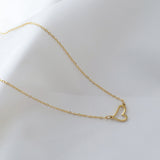
How to Care for Pearl Jewelry: The Complete Guide

2. Wipe after every wear — a soft, barely damp cloth removes body oils and surface residue that accumulate and dull luster over time.
3. Store flat, not hanging, not airtight — in a soft pouch or fabric-lined box, away from harder gems, in a location with stable temperature and some ambient humidity.
Never use: ultrasonic cleaners, steam cleaners, bleach, chlorine, vinegar, hairspray, hand sanitizer, or any jewelry-cleaning solution on pearls.
Pearls are unlike any other gemstone you own. Diamonds, sapphires, and rubies are minerals — hard, chemically stable, almost impervious to everyday substances. Pearls are organic: they're made primarily of aragonite (a form of calcium carbonate) bound by conchiolin (an organic protein), and they contain a small percentage of water. This makes them uniquely responsive to their environment — and uniquely vulnerable to things you encounter every day without thinking about them.
The good news: pearl care is not complicated. A few consistent habits protect pearl jewelry for decades — or longer. Many of the most beautiful antique pearls in existence are 50–100+ years old and still lustrous because their owners followed these principles.
Shop pearl jewelry: AJLuxe Pearl Jewelry Collection — curated freshwater pearl pieces in sterling silver settings.
Part of our Complete Pearl Jewelry Guide cluster.
Why Pearls Are More Delicate Than Other Gems
Understanding why pearls are vulnerable helps you protect them instinctively, rather than just following rules you don't understand.
Mohs hardness: 2.5–4.5. The Mohs scale rates mineral hardness from 1 (talc) to 10 (diamond). Pearls sit at 2.5–4.5 — lower than a common nail (Mohs 3.5), lower than most kitchen surfaces, and dramatically lower than the diamonds, sapphires, and rubies that often sit next to them in a jewelry box. Literally almost anything harder than a pearl can scratch its surface.
Organic composition. Nacre — the crystalline substance that makes up the pearl — is made of aragonite crystals held together by conchiolin, an organic protein. Acids dissolve aragonite. Alcohol dissolves and desiccates conchiolin. Heat causes both components to expand and contract at different rates, causing micro-fractures. This is why perfume, hand sanitizer, and steam cleaners are so damaging.
Water content: 2–4%. Pearls contain a small but critical amount of water within their structure. If they dry out completely — from being stored in an airtight container, left in very low humidity, or exposed to prolonged heat — the nacre can crack or craze (develop a network of fine surface cracks). This is why pearls should never be stored in sealed plastic bags or left in strong sunlight.
The "Last On, First Off" Rule
The single most important pearl care habit: Put your pearl jewelry on as the very last thing before you leave the house. Take it off as the very first thing when you return. This one rule prevents the vast majority of pearl damage.
Why "last on": Perfume, hairspray, dry shampoo, hair products, sunscreen, and lotion — all applied before you put on jewelry — contain chemicals that directly attack nacre. Perfume contains alcohol and aromatic compounds that etch the nacre surface. Hairspray contains polymers and aerosol propellants that coat and dull the pearl. Allowing these products to dry completely on your skin before putting on pearls dramatically reduces contact damage.
Why "first off": When you return home, removing pearl jewelry before washing your hands, showering, preparing food, applying hand cream, or doing any household task protects against the accumulated small exposures that degrade nacre over time. A single rinse under the tap won't destroy your pearls — but the repeated exposure accumulates.
What Damages Pearls — Common Household Threats
| Substance | Risk Level | Why It Damages Pearls | What to Do |
|---|---|---|---|
| Perfume | HIGH | Alcohol and aromatic acids etch nacre surface, permanently dulling luster | Apply perfume first; wait for it to dry completely before putting on pearls |
| Hairspray | HIGH | Aerosol polymers coat and dull the nacre surface; difficult to remove | Apply hairspray before putting on pearls; allow to dry fully |
| Chlorine (pool water) | VERY HIGH | Chlorine directly attacks and dissolves nacre layers; even brief exposure dulls luster permanently | Always remove pearl jewelry before swimming in a pool |
| Sweat | MEDIUM | Acidic sweat (pH 4.5–7.5) slowly erodes nacre with repeated exposure; worse during exercise | Wipe pearls with soft damp cloth after each wear; avoid wearing during exercise |
| Dish soap / liquid soap | HIGH | Contains surfactants and acidic compounds that strip the nacre surface; also saturates pearl cord | Remove pearl jewelry before washing dishes or hands with soap |
| Hand sanitizer | VERY HIGH | 60–70% alcohol content — alcohol rapidly desiccates conchiolin and causes nacre micro-cracking | Remove pearls before using hand sanitizer; allow hands to dry fully before touching pearls |
| Ultrasonic cleaner | EXTREME | Vibrations crack nacre layers and can loosen settings; irreversible damage | Never use on pearl jewelry under any circumstances |
| Steam cleaner | EXTREME | High heat causes differential expansion between nacre layers, creating cracks; also desiccates pearls | Never use on pearl jewelry under any circumstances |
| Vinegar / acid cleaners | EXTREME | Acids dissolve aragonite (the mineral component of nacre) instantly and permanently | Never let acidic cleaning products contact pearls; use only soft damp cloth |
| Sunscreen / lotion | MEDIUM | Chemical compounds in sunscreen can coat and gradually dull the nacre surface | Apply sunscreen before putting on pearls; allow to absorb fully first |

How to Clean Pearl Jewelry Safely
Clean pearl jewelry safely by wiping it gently with a very soft, slightly damp cloth after each wear, avoiding harsh chemicals or abrasive tools. That's it. Here is the safe, step-by-step process.
- Use a soft, clean cloth — a microfibre cloth, chamois, or very fine cotton cloth. Never use abrasive cloths, paper towels, or toothbrushes.
- Dampen the cloth slightly with clean lukewarm water. The cloth should be barely damp — not wet. You should not be able to squeeze water out of it.
- Gently wipe each pearl individually along the strand. Do not rub aggressively — use light, even strokes.
- For the clasp (if metal), you can use a slightly wetter cloth to remove tarnish. Keep this away from the pearls themselves.
- Lay flat to dry completely before storing. Never hang to dry — the cord may stretch unevenly. Never use a hair dryer or place in direct sunlight to accelerate drying.
- Store only when completely dry. Damp pearl cords are prone to mildew and cord degradation.
Never use on pearls:
- Ultrasonic cleaners
- Steam cleaners
- Jewelry cleaning solutions (even those marketed for fine jewelry)
- Bleach, ammonia, or vinegar
- Soap or detergent
- Toothpaste (commonly suggested online — this is wrong; toothpaste is abrasive and damages nacre)
- Baking soda solutions
How to Store Pearl Jewelry
Storing pearl jewelry correctly means avoiding the common mistakes many owners make that can damage pearls over time. Here are the four key principles. (Storing other jewelry types? See our complete guide to storing jewelry properly.)
1. Store Flat, Not Hanging
Pearl necklace cords are made of silk or nylon, and they stretch. Storing a necklace hanging — on a jewelry hook or display stand — puts constant tension on the cord, causing it to stretch and weaken. Lay pearl strands flat in a lined box or soft pouch instead.
2. Use a Soft Pouch or Fabric-Lined Box — Not Airtight
Pearls should be kept in a soft pouch or fabric-lined box rather than an airtight container, since they need some airflow and ambient humidity. Storing pearls in an airtight zip-lock bag or sealed plastic container removes moisture from the environment around them, causing the nacre to dry out and eventually crack. A soft cloth pouch or a fabric-lined jewelry box allows gentle air circulation. If you live in a very dry climate, you can place a small damp cotton ball near (not touching) pearl storage to maintain humidity.
3. Keep Away From Harder Gems
Diamonds (Mohs 10), sapphires and rubies (Mohs 9), and most colored gemstones (Mohs 7–8) will scratch pearl nacre (Mohs 2.5–4.5) on contact. Never toss pearl jewelry into a general jewelry box where it can rub against other pieces. Each pearl piece should be in its own soft compartment or pouch.
4. Avoid Extremes
Avoid storing pearl jewelry in direct sunlight (UV exposure yellows nacre over time), near heat sources, or in locations with extreme temperature swings (like a car glove compartment). Room temperature storage, away from windows, is ideal.
Pearl Restringing — When and Why
Pearl necklaces and bracelets strung on silk or nylon cord need to be restrung periodically. This is maintenance, not a repair — it's part of owning a pearl strand.
Why Restringing Matters
Restringing matters because quality pearl strands have a knot tied between each pearl, protecting them from loss if the cord breaks or wears out. The knots serve two functions: they prevent pearls from rubbing against each other (which gradually scratches the nacre), and they act as a safety net — if the strand breaks, only one or two pearls fall free rather than the entire necklace scattering across the floor. Over time, the cord degrades, the knots loosen, and the gaps between knots allow pearls to contact each other.
Signs It's Time to Restring
- Visible dirt or discoloration on the cord between pearls
- Visible stretching — the pearls move too freely on the cord
- Fraying or fuzzing at any knot
- Any exposure to water, sweat, or chemicals
- More than 2–3 years of regular wear
Restringing Schedule
Pearls worn two to three times per week need restringing every one to two years. For pearls worn occasionally (once a month or less): inspect annually and restring every 3–5 years or when any of the above signs appear. Take pearl strands to a reputable jeweler who uses knotted silk or nylon cord.
What to Ask For
When having pearls restrung, specify: (1) individually knotted cord (a knot between every pearl, not just at the ends), (2) silk or nylon cord (avoid wire, which is too rigid for pearl strands), and (3) a matching clasp if the original is worn.
Related reading: Jewelry care tips.
Related reading: Freshwater vs saltwater pearls.
Related reading: Akoya vs freshwater pearls.
Related reading: Old hollywood glam jewelry guide.
Related reading: Coquette jewelry guide.
If you want to see the look in a real piece, AJLuxe's Pearl Drop Earrings for Women — 14K Gold Plated, Natural White Pearl, Gift-Ready is a genuine example in 925 sterling silver with 18K gold plating.
Frequently Asked Questions
What is the most important rule for caring for pearl jewelry?
The "last on, first off" rule: always put your pearl jewelry on after applying perfume, hairspray, makeup, and lotion — and take it off before swimming, showering, washing hands, or doing housework. Perfume and chlorine are among the most damaging substances for nacre, and this single rule prevents most pearl damage.
How should you clean pearl jewelry?
Use a soft, slightly damp cloth only — never soap, never submerge in water, never use ultrasonic or steam cleaners. Gently wipe each pearl after wearing, then lay flat to dry completely before storing.
Does perfume damage pearl jewelry?
Yes — perfume is one of the most damaging substances for pearls. Alcohol and aromatic acids etch the nacre surface, permanently dulling luster. Always apply perfume before putting on pearl jewelry and allow it to dry completely first.
How should pearl jewelry be stored?
Store pearl jewelry flat in a soft pouch or fabric-lined box — never hanging (the cord stretches) and never in an airtight container (pearls need humidity). Keep pearls away from harder gemstones that will scratch them. Avoid direct sunlight and extreme temperatures.
How often should pearl necklaces be restrung?
Pearl necklaces worn regularly should be restrung every 1–3 years. Signs it's time: visible dirt on the cord, visible stretching, loose knots, or any history of water/chemical exposure. The silk or nylon cord degrades over time and individually knotted cords protect both the pearls and your investment.
Can you shower or swim with pearl jewelry?
No — always remove pearl jewelry before showering or swimming. Chlorine directly attacks nacre. Shower water degrades the silk cord. Saltwater can also damage nacre over time. Pearls off before any water contact.
Can you use an ultrasonic cleaner on pearl jewelry?
Absolutely not. Ultrasonic vibrations crack nacre layers and loosen settings, causing irreversible damage. Steam cleaners are equally harmful — the heat causes differential expansion within the nacre layers, creating micro-fractures. Use only a soft damp cloth.
Does sweat damage pearls?
Yes, over time. Sweat is slightly acidic (pH 4.5–7.5) and slowly erodes nacre with repeated exposure. Wipe pearls with a soft damp cloth after each wear and avoid wearing pearl jewelry during exercise or activities that cause heavy sweating.
Why do pearls turn yellow?
Pearls yellow from dehydration, UV exposure, chemical exposure (hairspray, perfume), and natural aging of the organic conchiolin component. Wearing pearls regularly against skin actually helps — body moisture prevents the dehydration that causes yellowing. Store in a soft pouch with some airflow, not airtight.
Can I wear pearl jewelry to the gym?
No — remove pearl jewelry before any workout. Sweat is acidic, mechanical impact can damage pearl settings and cords, and gym products (hand sanitizer, sprays) contain alcohol that is extremely damaging to pearl surfaces.
What is the Mohs hardness of pearls?
Pearls have a Mohs hardness of 2.5–4.5 — significantly softer than most gemstones. Even a fingernail (Mohs 2.5) can scratch pearl nacre. This is why pearls should always be stored separately from other jewelry and cleaned only with a very soft cloth.
Final Thoughts
Pearl care sounds daunting when listed in full — but in daily practice, it reduces to three habits: put pearls on last (after all your products), wipe them with a soft cloth after wearing, and store them flat in a soft pouch away from other jewelry. Follow those three habits consistently and your pearl jewelry will remain beautiful for decades.
The biggest risk for most people isn't dramatic damage — it's the accumulation of small exposures (perfume, hand cream, hand washing) over months and years. The "last on, first off" rule, combined with a quick wipe-down after each wear, prevents almost all of that accumulation.
Shop pearl jewelry: AJLuxe Pearl Jewelry Collection — curated freshwater pearl pieces in sterling silver settings. Also explore our gemstone necklaces and crystal jewelry.
Return to the Complete Pearl Jewelry Guide | Also see: Types of Pearls | Pearl Necklace Buying Guide | How to Clean Tarnished Jewelry (for your other metal pieces)
All third-party trademarks, brand names and product names are the property of their respective owners. AJLuxe is not affiliated with, endorsed by, sponsored by, or otherwise connected to any third-party brand referenced in this article. Brand names are used solely for accurate comparative reference, and material descriptions reflect each brand's own published product specifications at the time of writing.
You Might Also Like
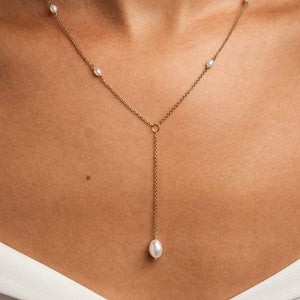

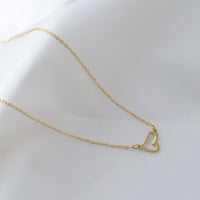
The piece they're describing → Dainty Heart Necklace for Women — 18K Gold Plated, Minimalist Gold Heart Pendant
Personalize Yours


