


TL;DR: Pack light, durable pieces and leave delicate heirlooms at home. Use a straw for chains, a pill organizer for studs and rings, and soft pouches to separate metals. Never check jewelry in luggage, avoid hotel-safe complacency for high-value pieces, and give tarnish-prone metals a wipe-down after humid or salty days so travel doesn't undo your at-home care routine.
Why Travel Is Hard on Jewelry
Jewelry that looks fine sitting in a dish at home can come home from a trip scratched, tangled, or visibly duller. Travel stacks several stressors at once: constant motion inside a bag causes metal-on-metal friction, cabin air and humid climates accelerate tarnish on sterling silver and gold-plated pieces, and quick temperature swings between air-conditioned interiors and hot, humid streets can affect adhesives in cheaper costume settings. None of this is dramatic on its own, but a week of small abrasions and humidity spikes adds up faster than months of normal daily wear.
Jewelry Care On the Go: A Quick Cleaning Routine
Even with careful packing, a few days of travel means sunscreen, sweat, pool water, and general grime build up on jewelry faster than during a normal week at home. A small pack of pre-moistened jewelry cleaning wipes takes up almost no space in a toiletry bag and lets you clean pieces on the go without water or a cleaning solution. A quick wipe-down before you put jewelry back into its pouch each evening prevents residue from setting in overnight, which is especially useful in humid or sweaty climates where buildup accelerates tarnish. This five-second habit, done at the end of each travel day, does more to keep jewelry looking fresh through a trip than any packing method alone.
What to Pack vs. What to Leave at Home
The single best way to protect your jewelry while traveling is to bring less of it. Before you pack, sort pieces into two piles.
Good travel candidates: stainless steel, titanium, and solid gold pieces resist tarnish and scratches better than plated or silver alternatives. Simple stud earrings, small pendants, and stacking rings pack flat and don't tangle. Hypoallergenic settings also mean you won't react to sweat or sunscreen buildup on a hot travel day.
Leave at home: irreplaceable heirlooms, anything uninsured, delicate chains with fragile clasps, and pieces with loose or antique stone settings. If a piece would be genuinely hard to replace, sentimentally or financially, a suitcase is not where it should spend a week.
DIY Packing Methods That Actually Work

You don't need a dedicated jewelry case to travel safely. A few low-cost household hacks handle most of what a $40 organizer does. For everyday (non-travel) storage that keeps pieces tangle- and tarnish-free at home, see our full guide to jewelry storage ideas, or our step-by-step guide on how to store jewelry properly for the complete system.
- The straw method: thread a necklace chain through a plastic drinking straw and clasp it shut. The straw keeps the chain straight so it can't knot against itself, and it takes up almost no space.
- Pill organizers: a weekly pill case with individual compartments is ideal for stud earrings, small rings, and stacking bands. Each piece gets its own slot so metals never rub together.
- Soft pouches: a small drawstring or felt pouch per item (or per 2-3 similar pieces) prevents scratching. Keep gold and silver separated in different pouches since softer metals mark easily against each other.
- Button trick for earrings: push earring posts through a spare button, then secure the backs. It keeps pairs matched and stops them from separating in a bag.
Combine methods: straw-wrapped chains and pouch-separated studs both go into one larger zip pouch, so everything travels as a single, contained unit inside your carry-on.
Airport Security and TSA Screening
Small jewelry rarely sets off a metal detector, but larger pieces (thick chains, statement cuffs, multiple stacked rings) sometimes do. A few practical points: you're allowed to wear jewelry through the checkpoint, and TSA does not require you to remove it unless an alarm triggers or an officer asks. If you'd rather not risk a pat-down delay, take off larger metal pieces and place them in your carry-on bag rather than a bin, since loose bins are a common place jewelry gets left behind. Never pack valuable jewelry in checked luggage. Checked bags are handled roughly and occasionally lost, and most travel insurance and airline liability policies exclude jewelry or valuables from checked-bag claims entirely. For a closer look at exactly how metal detectors and body scanners treat jewelry, see our guide on wearing jewelry through airport security.
Hotel Safes and In-Room Security
A hotel room safe is convenient, but it isn't a vault. Basic hotel safes can sometimes be opened with a manufacturer override code, and they don't protect against a housekeeping staff member or maintenance worker with master access. For genuinely valuable pieces, ask the front desk about a safety deposit box at the main hotel safe, which is a better-secured option than an in-room unit. For everyday travel pieces, the in-room safe is fine as long as you're not leaving anything you couldn't afford to lose. Either way, avoid leaving jewelry out on a dresser or bathroom counter, which is the single most common way jewelry gets left behind at checkout.
Protecting Jewelry from Humidity, Heat, and Salt Air
Climate is one of the most overlooked jewelry risks while traveling. Humid destinations and beach or tropical trips speed up tarnish on sterling silver and can dull gold plating faster than normal wear at home. Saltwater and chlorine are particularly harsh: both accelerate oxidation on silver and can degrade plating and glue-set stones over repeated exposure, so it's worth removing jewelry before swimming or hot tub soaks rather than treating it as an afterthought. If you're visiting a humid or coastal destination, pack a few anti-tarnish strips or a small silica gel packet in your jewelry pouch, and give tarnish-prone pieces a quick polish with a soft cloth once you're home, the same way you would after any humid week.
Traveling Internationally: Customs and Duty Considerations
Crossing borders adds one more layer to think about. Most countries don't require you to declare personal jewelry you're already wearing or traveling with for personal use, as opposed to jewelry you intend to sell. That said, rules vary by country and by declared value, so if you're carrying a genuinely high-value piece, it's worth checking the customs guidance for both your departure and destination countries before you fly. A simple habit that helps regardless of destination: keep a printed or photographed receipt or appraisal for higher-value pieces in your travel documents folder. If a customs officer asks about an item, or if the piece needs repair while you're abroad, having proof of ownership and value on hand saves a lot of back-and-forth. This is also useful if you ever need to re-enter your home country with jewelry purchased abroad, since customs officials sometimes ask travelers to show they aren't bringing back new, undeclared items.
Packing by Trip Type

Not every trip calls for the same approach. A beach vacation, a business trip, and a long international itinerary each have different risk profiles.
- Beach or tropical trips: bring stainless steel, titanium, or solid gold only. Skip anything plated or silver if you'll be in salt water or high humidity daily.
- Business trips: a few versatile, professional pieces beat a full jewelry box. Pack in your carry-on and keep pieces on you or in the room safe during meetings, not left in a hotel gym bag.
- Long or multi-city trips: minimize what you bring since more transfers mean more chances for something to be left behind. A single small pouch you can keep on your body (bag or coat pocket) beats a larger case that gets buried in a suitcase.
- Cruises: cabin safes are small and shared spaces (pools, tenders, excursions) mean more exposure to salt water and sand. Bring only what you're comfortable wearing on deck.
Special Considerations for Watches and Layered Pieces
Watches and layered necklace sets deserve their own note since they don't pack the same way as a single pendant or stud. Watches should travel in a soft-lined case or wrapped in a sock or scarf inside a hard-sided part of your bag, never loose against other jewelry where the crystal or clasp can get scratched. If you wear a layered necklace stack at home, consider whether you actually need all of them on a given trip. Layered sets are the most prone to tangling of anything in a jewelry collection, and separating each chain into its own straw or pouch, rather than trying to keep the whole stack together as one unit, makes packing and unpacking far faster and reduces the odds of a knot you can't untangle by hand.
Common Travel Packing Mistakes
A few mistakes account for most travel jewelry damage and loss: packing valuables in checked luggage, leaving pieces loose in a cosmetics bag where clasps snag on other items, wearing jewelry into a pool or ocean, forgetting pieces on a hotel counter or bathroom shelf during checkout, and packing too much "just in case." Each of these is avoidable with a five-minute packing routine before you leave.
Pre-Trip Jewelry Packing Checklist
| Packing Method | Best For | Why It Works |
|---|---|---|
| Drinking straw | Necklaces, chains | Keeps chains straight so they can't knot or tangle |
| Pill organizer | Stud earrings, small rings, stacking bands | Individual compartments stop metals from scratching each other |
| Soft felt pouch | Bracelets, statement pieces, mixed metals | Cushions against scratches and keeps metals separated |
| Spare button | Earring pairs | Keeps posts and backs matched and together |
| Anti-tarnish strip or silica packet | Sterling silver, humid/coastal trips | Absorbs moisture that speeds up tarnish |
Before you zip your bag, run through this list: pack in your carry-on (never checked luggage), separate metals into their own pouches or compartments, photograph each piece for insurance documentation, remove jewelry before pools, oceans, or hot tubs, and confirm you actually have a safe place, room safe or hotel front-desk deposit box, for anything valuable at your destination.
None of this requires an expensive organizer or a total overhaul of how you pack. A straw, a pill case, and a couple of soft pouches solve most of the tangling and scratching problems that come up on a trip, and a five-minute pre-trip routine, sorting what to bring, photographing pieces, and picking a genuinely secure spot for anything valuable, handles the rest. Treat travel as one more environment your jewelry has to survive, the same way you already think about showering or sleeping in it, and it stops being a source of stress.
If you're packing for a move rather than a trip, the same protective principles apply: see our guide to how to pack jewelry when you're moving.
Frequently Asked Questions
Can I wear my jewelry through TSA airport security without removing it?
Yes. Small jewelry like stud earrings, thin rings, and simple pendants almost never triggers a metal detector, and TSA does not require you to remove jewelry unless it sets off an alarm. Bulkier pieces, thick chains, cuffs, or several stacked rings, are more likely to trigger a secondary check, so it's simplest to keep those in your carry-on bag rather than wearing them through the checkpoint.
Should I pack expensive jewelry in my carry-on or checked luggage?
Always carry-on. Checked bags are handled roughly, can be delayed or lost, and most airline liability policies specifically exclude jewelry and other valuables from compensation.
What is the best way to pack jewelry for travel to prevent tarnish, damage, or tangling?
Thread necklaces through a straw to stop tangling, use a pill organizer or individual soft pouches for earrings and rings, and separate different metals from each other. For humid or coastal trips, add a small anti-tarnish strip or silica packet to slow tarnish while you're away.
Do rings or necklaces trigger metal detectors at airport security?
Small, thin pieces usually don't. Larger or denser items, thick chains, cuffs, or multiple rings worn together, are more likely to trigger an alarm and a follow-up check, so consider packing those instead of wearing them.
Is a hotel room safe secure enough for storing expensive jewelry?
It's reasonably secure for everyday travel pieces, but not foolproof, in-room safes can sometimes be opened with an override code and aren't monitored the way a hotel's main safe is. For genuinely valuable pieces, ask the front desk about using the hotel's safety deposit box instead.
Does travel insurance cover jewelry, or do I need a separate policy?
Standard travel insurance often caps jewelry coverage at a low amount or excludes it entirely. If you're traveling with anything valuable, check your homeowners or renters policy for a jewelry rider, or look into a standalone jewelry insurance policy before you go.
What jewelry should I bring versus leave at home?
Bring durable, easily replaceable pieces, stainless steel, titanium, and solid gold hold up best. Leave irreplaceable heirlooms, uninsured pieces, and anything with a delicate or antique setting at home, where they're easier to keep safe.
How should I document my jewelry before a trip in case of loss or theft?
Photograph each piece you're bringing, including any hallmark stamps, and keep a note of approximate value. If something is lost or stolen, this documentation makes an insurance claim or police report much faster to file.
How can I protect my jewelry from humidity and tarnish while traveling?
Pack an anti-tarnish strip or silica gel packet in your jewelry pouch for humid or coastal destinations, avoid wearing silver or plated pieces into pools or the ocean, and give tarnish-prone metals a soft-cloth wipe-down once you're home.
Should I wear my jewelry while traveling or pack it away?
For simple, low-value pieces, wearing them is often safer than packing them since it's one less thing that can be left behind or lost in a bag. For statement or valuable pieces, keep them packed and out of sight until you reach your destination.
What should I do if my jewelry is lost or stolen while traveling?
Report it to hotel security or local police as soon as you notice, file a claim with your insurance provider using your pre-trip photos and documentation, and check with the airline or venue's lost-and-found if it went missing in transit.
Travel-Ready Jewelry That Can Handle the Trip
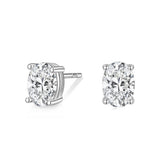
Looking for pieces built for travel? Our sterling silver CZ stud earrings are hypoallergenic, tarnish-resistant, and pack flat, making them an easy everyday travel staple that won't tangle or scratch.
Shop Travel-Friendly StudsKeep Your Jewelry Looking Its Best After Every Trip
Travel is one of the most common ways tarnish and dullness sneak up on jewelry, even when you've packed carefully. If a piece comes home looking duller than when it left, our guide on how to clean tarnished jewelry walks through safe at-home methods to restore the shine. And if tarnish keeps showing up trip after trip, our guide on how to prevent jewelry tarnish covers the storage and care habits that stop it before it starts, both at home and on the road.
Sources: trade-press tips for customers traveling with jewelry
All third-party trademarks, brand names and product names are the property of their respective owners. AJLuxe is not affiliated with, endorsed by, sponsored by, or otherwise connected to any third-party brand referenced in this article. Brand names are used solely for accurate comparative reference, and material descriptions reflect each brand's own published product specifications at the time of writing.
You Might Also Like
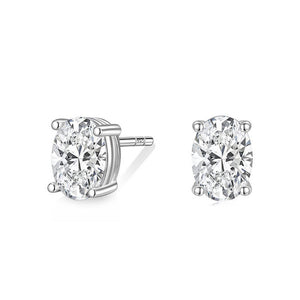
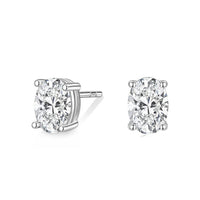
The piece they're describing → CZ Stud Earrings for Women — 925 Sterling Silver, Prong-Set Cubic Zirconia, Hypoallergenic
Personalize Yours


