


Baking soda is one of the few jewelry-cleaning hacks that's actually backed by real chemistry, not just internet folklore. It works two different ways depending on the problem: as a mild, non-scratching abrasive for everyday grime, and — combined with aluminum foil — as the reactant in a genuine electrolysis reaction that lifts tarnish off silver without any scrubbing at all. Both methods take under 10 minutes and use ingredients already in your kitchen. But baking soda isn't safe for every material, and using the wrong method on the wrong piece can dull a finish or damage a stone. This guide covers exactly how to do both methods correctly, which materials are safe, and which jewelry you should never put baking soda near.
The 2 Baking Soda Methods, and When to Use Each
There are two distinct baking-soda techniques, and picking the right one matters:
- Foil + baking soda (electrolysis method): Best for tarnish — the dull grey-black film on sterling silver. This is a chemical reaction, not scrubbing, so it's the gentler of the two and won't scratch anything.
- Baking soda paste (mild abrasive method): Best for everyday grime, lotion buildup, and light surface dirt on solid metal. It works by gentle physical abrasion, so it should be used sparingly and only on durable, uncoated metals.
If your jewelry looks dark or dull all over in a way that wipes off unevenly, that's tarnish — use the foil method. If it just looks grimy or has a filmy residue from lotion or soap, that's buildup — use the paste method.

Method 1: Baking Soda + Foil (Electrolysis) for Tarnished Silver
This method uses a real chemical reaction called electrolytic reduction. When aluminum, baking soda (a mild electrolyte), and hot water combine, the silver sulfide (tarnish) on your jewelry transfers onto the aluminum foil instead — the sulfur atoms literally migrate off the silver and bond to the aluminum, which is more chemically reactive. No scrubbing, no lost silver.
- Line a bowl with aluminum foil, shiny side facing up. A heatproof glass or ceramic bowl works best.
- Add 1 tablespoon of baking soda for every cup of water you plan to use.
- Pour in boiling water — it will fizz slightly as it hits the baking soda. Stir briefly to dissolve.
- Submerge the silver jewelry, pressing each piece so it makes direct contact with the foil. Contact is essential — the reaction only happens where silver touches aluminum through the solution.
- Soak for 2 to 5 minutes. Light tarnish clears in about 2 minutes; heavier tarnish may need the full 5. You may notice a faint sulfur smell — that's the reaction working.
- Remove with tongs or a spoon, rinse under cool running water, and buff dry immediately with a soft, lint-free cloth.
This method is safe for solid sterling silver but should not be used on plated jewelry, oxidized/antiqued silver finishes (it will strip the intentional dark detailing), or anything with pearls, opals, or glued stones.
Method 2: Baking Soda Paste for Grime and Everyday Buildup
For light surface dirt, lotion residue, or dulling that isn't true tarnish, a baking soda paste works as a very mild, non-scratching abrasive on solid metal.
- Mix the paste: combine 3 parts baking soda with 1 part water in a small dish until it forms a thick, spreadable paste.
- Apply with a soft brush: use a clean, extra-soft toothbrush (baby-toothbrush soft) or a microfiber cloth. Never use anything stiffer.
- Scrub gently for 1 to 2 minutes, using light circular motions. Let the paste do the work — you shouldn't need pressure.
- Rinse thoroughly under lukewarm running water, making sure no paste residue is left in settings or crevices.
- Pat completely dry with a soft cloth before storing.
Because this method relies on light abrasion, use it sparingly — a few times a year at most on the same piece — and skip it entirely on anything softer than the metal itself, including most gemstones.
What's Safe to Clean With Baking Soda vs. What to Avoid
| Material | Baking Soda Safe? | Notes |
|---|---|---|
| Solid sterling silver (925) | Yes | Ideal use case — foil method removes tarnish with no scrubbing |
| Stainless steel | Yes | Durable and non-porous; paste method is fine, foil method has little effect since steel rarely tarnishes |
| Solid gold (14K/18K, uncoated) | Use caution | Paste is fine occasionally with a very soft brush and light pressure; gold is soft and can micro-scratch with vigorous scrubbing |
| Gold-plated or gold-vermeil jewelry | Avoid scrubbing | Plating is a microns-thin layer; even mild abrasion wears it through. A soft polishing cloth is safer |
| Diamonds (set solo, no glue) | Yes, gently | Diamond itself is extremely hard; paste method is fine, but check the setting stays secure while scrubbing |
| Pearls | Never | Organic and soft; baking soda will dull or pit the nacre surface permanently |
| Opals | Never | Porous and prone to cracking with abrasion or moisture changes; see GIA note below |
| Other soft gemstones (turquoise, coral, amber, malachite) | Never | Porous or low-hardness stones absorb moisture and scratch easily |
| Glued-in stones or costume rhinestones | Never | Soaking and scrubbing can loosen adhesive; stones can fall out |
Why Pearls, Opals, and Soft Gemstones Are Off-Limits
Baking soda has a Mohs hardness of about 2.5, which sounds soft compared to gemstones — but many of the materials people worry about cleaning are even softer or more porous, and that's the real risk. Pearls are organic and layered from nacre, a material that scratches and dulls easily even from mild abrasion. Opals are porous and can develop micro-cracks (called "crazing") from moisture and temperature changes, quite apart from any scrubbing — the GIA notes that opal's structure makes it more prone to damage from impact and environmental stress than most gemstones, which is why jewelers generally recommend gentle, non-abrasive cleaning only. (Source: GIA, Opal Quality Factors)
Turquoise, coral, amber, and malachite carry similar risk — they're porous, can absorb liquid and discolor, and are soft enough to scratch under a toothbrush. And any stone that's glued rather than prong- or bezel-set (common in costume and fashion jewelry) can loosen or fall out if the piece is soaked or scrubbed.
Special Case: Gold-Plated and Vermeil Jewelry
Gold plating is a layer only a few microns thick sitting over a base metal. Baking soda's mild abrasiveness is fine for solid metal, but on plated pieces, repeated scrubbing — even gently — wears through that thin gold layer over time, exposing the base metal underneath. If you have gold-plated or gold-vermeil jewelry, skip the paste method entirely and stick to a soft polishing cloth or a quick rinse in warm water with a drop of mild dish soap.

How Often You Should Clean Jewelry This Way
Baking soda methods are effective, but they're not meant for weekly use. For sterling silver worn daily, the foil method once every 4 to 6 weeks keeps tarnish from building up without over-cleaning. The paste method, being mildly abrasive, is best reserved for a few times a year — reach for a simple soft-cloth polish or warm soapy water for routine touch-ups in between.
Common Mistakes to Avoid
- Using a stiff brush. A regular toothbrush or anything stiffer can scratch soft metals — always use an extra-soft or baby toothbrush.
- Skipping the foil contact. The electrolysis reaction only works where silver touches the aluminum through the solution — jewelry floating free of the foil won't de-tarnish.
- Leaving jewelry to soak too long. A few extra minutes won't help and can leave a slightly dulled, over-reacted finish on some pieces.
- Using it on antiqued or oxidized silver. The dark detailing in oxidized finishes is intentional — the foil method will strip it out along with the "bad" tarnish.
- Not rinsing thoroughly. Leftover baking soda residue can look chalky once the piece dries, especially in settings and crevices.
What to Use Instead When Baking Soda Isn't Safe
For pearls, opals, soft gemstones, and plated jewelry, skip baking soda and use one of these gentler options instead:
- Soft polishing cloth — safe for nearly everything, including plated finishes; wipe gently after each wear.
- Warm water + a drop of mild dish soap — safe for most gemstones (check pearls and opals individually), rinse and pat dry immediately.
- A barely damp microfiber cloth — the safest option for pearls; wipe after wearing, never soak.
- Professional ultrasonic or steam cleaning — appropriate for durable gemstones only; a jeweler can tell you if your specific stone is safe for it.
Frequently Asked Questions
Can you clean jewelry with baking soda?
Yes, for solid sterling silver, stainless steel, and uncoated gold, baking soda is safe and effective — either as a foil-based tarnish remover or a mild abrasive paste for grime. It is not safe for pearls, opals, soft gemstones, or glued-in stones.
How do you clean jewelry with baking soda paste?
Mix 3 parts baking soda with 1 part water into a thick paste, apply it with an extra-soft toothbrush, scrub gently for 1 to 2 minutes, then rinse thoroughly and dry with a soft cloth.
Is baking soda safe for cleaning silver jewelry?
Yes — it's one of the best DIY methods for sterling silver tarnish specifically because the foil method is a chemical reaction, not scrubbing, so there's no risk of scratching.
Can I use baking soda to clean gold jewelry?
Solid, uncoated gold can be cleaned occasionally with the paste method using a very soft brush and light pressure. Gold-plated or vermeil jewelry should not be scrubbed with baking soda, since it can wear through the thin plated layer.
How does the baking soda and aluminum foil method clean jewelry?
It uses electrolytic reduction: baking soda acts as an electrolyte in hot water, and the aluminum foil is more reactive than silver, so the sulfur compounds causing tarnish transfer from your jewelry onto the foil instead of staying on the silver.
Is baking soda safe for diamonds?
Yes, for a diamond that's securely set (not glued), baking soda paste is safe since diamond is extremely hard and won't scratch. Just scrub gently and check the setting stays snug afterward.
Can baking soda damage pearls or delicate gemstones?
Yes — pearls are soft and organic, and gemstones like opal, turquoise, coral, and amber are porous or low-hardness. Baking soda's mild abrasiveness and the water exposure can dull, scratch, or crack these materials, so avoid it entirely on them.
How long should I soak jewelry in baking soda and water for the foil method?
Two to five minutes is enough. Light tarnish usually clears within 2 minutes; more heavily tarnished pieces may need the full 5 minutes, but soaking longer than that provides no extra benefit.
Can baking soda scratch soft metals like gold?
It can, if you scrub too hard or use a stiff brush. Gold is a relatively soft metal, so always use an extra-soft toothbrush and light pressure, and reserve the paste method for occasional deep cleaning rather than routine care.
What is the best ratio of baking soda to water for a jewelry cleaning paste?
Three parts baking soda to one part water makes a thick, spreadable paste that's easy to control and gentle enough for jewelry, without being runny.
Is the baking soda and foil electrolysis method safe for jewelry with stones?
It's fine for jewelry set with hard, securely mounted stones like diamonds, but avoid it on pieces with pearls, opals, soft gemstones, or any glued-in stones, since the soak can loosen adhesive or damage porous materials.
Is baking soda safe for plated jewelry?
The foil (soak) method is generally gentler and lower-risk than the paste method, but repeated use on plated jewelry can still thin the plating over time. For gold-plated or vermeil pieces, a soft polishing cloth is the safer everyday choice.
Does baking soda remove tarnish from jewelry?
Yes, specifically the foil-and-baking-soda method removes tarnish through a chemical reaction rather than scrubbing it off, which is why it works so well on sterling silver without any risk of scratching.
More Jewelry Care Guides
See the general troubleshooting guide, or browse care instructions for other jewelry materials:
- How to Clean Tarnished Jewelry (Sterling Silver, Gold-Plated, Steel & More)
- How to Clean Jewelry With Diamonds: A Complete Care Guide
- How to Clean Stainless Steel Jewelry: Safe Methods
- How to Clean Copper Jewelry: Patina, Verdigris & DIY Methods
- How to Clean Costume Jewelry (Without Ruining It)
- How to Clean Brass Jewelry: DIY Methods That Actually Work
- How to Clean Rose Gold Jewelry: Solid vs. Plated Care Guide
- How to Clean Moissanite Jewelry (Complete Care Guide)
- How to Clean Titanium Jewelry (It Barely Needs It)
Ready for a piece that's easy to keep bright?
Our Moissanite Hoop Earrings are nickel-free 925 sterling silver, left unplated — the exact material the baking soda foil method works best on, with no plating to worry about wearing through.
Shop the Moissanite Hoop EarringsAll third-party trademarks, brand names and product names are the property of their respective owners. AJLuxe is not affiliated with, endorsed by, sponsored by, or otherwise connected to any third-party brand referenced in this article. Brand names are used solely for accurate comparative reference, and material descriptions reflect each brand's own published product specifications at the time of writing.
You Might Also Like
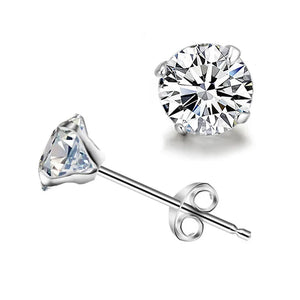

The piece they're describing → CZ Stud Earrings for Women — 925 Sterling Silver, Cubic Zirconia, Hypoallergenic
Personalize Yours


