


- Identify the piece first: stamps, weight, magnet and plating wear tell you whether it is solid metal or plated.
- Solid gold and silver hold value as metal; costume jewelry usually does not, so do not expect a payout for it.
- If you sell, get more than one quote, ask how the offer is calculated, and never feel rushed.
- Pieces you do not want can be donated, repurposed or sent to a refiner through a local jeweler.
- Inherited or sentimental pieces do not need a decision today. Photograph, label and store them safely first.
Almost everyone has a drawer of jewelry that is tangled, broken, out of style or tied to someone you miss. Before you decide, it helps to learn how to tell if jewelry is real gold and what the stamps mean in our jewelry hallmarks guide. The rest of this guide walks through each option in order, from keeping a piece to selling it.
How do you decide what to do with each piece?
Sort every piece by two questions: is it solid precious metal, and does it mean something to you? The table below turns the answers into a next step.
| What you have | Best options | What to expect |
|---|---|---|
| Solid gold or sterling silver, still wearable | Wear, clean, resize, or sell | Keeps value as metal |
| Solid gold or silver, broken or single earring | Repair, redesign, or sell as scrap | Value is mostly metal weight and purity |
| Plated or costume, in good shape | Wear, clean, donate | Very little resale value |
| Plated or costume, broken or worn through | Repurpose, craft, recycle | Usually no cash value |
| Inherited or sentimental | Keep for now, document, decide later | No deadline |
How can you tell what you actually have?
Start with stamps, because a small mark inside a ring band, on a clasp tag or on the back of a pendant often settles the question. Numbers such as 925 point to sterling silver, and 417, 585 and 750 point to 10K, 14K and 18K gold (see what 585 means and the full gold purity numbers guide). Letters that suggest a coating rather than solid metal are a warning sign, and a plated piece is a different thing from solid or gold filled metal (compare solid gold, gold filled and gold plated).
- Look for wear. Plating that has rubbed off at edges to show a different color underneath is a strong sign of a coated piece.
- Feel the weight. Solid precious metal usually feels heavier than a similar size piece of base metal, though this is a hint, not proof.
- Check silver separately. Our guide to how to tell if silver is real ranks the home tests by accuracy.
- Do not rely on one test. A missing stamp does not prove a piece is fake, and a stamp alone does not prove it is genuine. A jeweler can test metal properly.
If you want a written value, how to get jewelry appraised explains the process, and whether you need to appraise affordable jewelry helps you decide if it is worth the fee.
Should you keep and wear it?
Yes, if you like it and it is safe to wear, because wearing it costs nothing. A tarnished or dull piece often only needs cleaning: see how to clean costume jewelry for mixed or plated pieces, and how to clean tarnished jewelry for silver and gold tones. Good storage stops the next round of tangling and scratches; how to store jewelry covers it. If the style feels dated, try restyling before you give it up: wear a long pendant doubled, pair old studs with a new look, or layer an inherited chain with something simple.
Is it worth repairing?
Repair is worth it when the piece is solid metal or has strong sentimental value, and usually not worth it for cheap plated items. Clasps, jump rings and bent bands are common faults. Start with what to do when a necklace clasp breaks, how to fix a broken necklace chain and, for earrings, earring back replacement. A ring that no longer fits may need resizing, and ring resizing costs vary by metal. Ask a jeweler for the repair price before you commit and compare it with what the piece means to you.
What can you repurpose or upcycle?
Almost any piece can become something new, which is the best use for damaged jewelry you cannot sell. These are general ideas that need only basic tools:
- Turn a single earring into a pendant, a brooch or a zipper pull.
- Thread a favorite charm or locket onto a new cord or chain.
- Use loose beads and stones on a fresh bracelet or as buttons and decorations.
- Have a jeweler redesign solid gold or an old stone into a new ring or pendant.
For redesigns of real metal, ask whether your stone will be returned to you, how the new piece will be priced, and how long the work takes.
Where can you donate old jewelry?
Donate pieces that are clean, wearable and complete, because that is what most donation shops can use. Local charity shops, thrift stores, theater and school costume departments, and community groups that run clothing drives often take costume jewelry. Call first, since some places do not accept jewelry at all, and bag pairs of earrings together. If you plan to claim a donation on your taxes, ask a qualified tax professional how that works for you.
Can you recycle jewelry?
Yes, solid metal can be recycled, but plated and mixed-material costume pieces are hard to recycle. A refiner melts scrap gold and silver and recovers the metal; most people reach a refiner through a local jeweler rather than directly. Costume pieces of mixed metal, plastic and glue are generally not accepted, so repurposing or donating them is better than binning them.
Is it worth selling old gold or silver?
It can be, but the payout depends mainly on the metal's purity and weight, and offers are normally below what a piece would cost new. Metal prices move day to day, so an offer today may differ from next month. Costume jewelry has little resale value, and plated items have almost none even if they are heavy. Some designer or antique pieces can be worth more than their metal, which is another reason to get an opinion before you scrap anything.
| Piece | Usually worth selling? |
|---|---|
| Stamped gold, even if broken | Often has metal value; compare quotes |
| Sterling silver | Some value, usually modest |
| Gold plated or gold filled | Very little scrap value |
| Costume jewelry | Rarely, apart from some vintage pieces |
| Stones and signed or antique pieces | Get an expert opinion before melting |
This is general information, not financial advice. Practical habits protect you:
- Get at least two or three quotes from different local buyers.
- Ask how the offer is calculated and whether weight and purity were tested in front of you.
- Do not sell the same day you inherit or find something.
- Take your own photos and notes of each piece before it leaves your hands.
- Walk away from any buyer who pressures you.
Some people ask whether a pawn shop takes broken jewelry. Many buyers treat broken solid gold as scrap, but a lender or shop may offer less than a dedicated refiner, so quotes matter here too.
What should you do with inherited or sentimental jewelry?
Nothing, at first, because there is no deadline and grief is a bad time to make permanent choices. Gather the pieces, take clear photos of fronts, backs and any stamps, and write down who owned each piece and what you know about it. Store them flat and separate (see jewelry storage ideas). If the value matters to the estate or to insurance, a written appraisal is the right step; how to insure your jewelry explains the basics. When you are ready, you can wear the pieces, share them among family, or have a jeweler redesign them, and memorial remembrance jewelry shows gentle ways to keep a loved one close without keeping everything.
What safety points should you know?
Handle broken pieces carefully, because snapped clasps and bent posts can be sharp. Store broken items in a labeled bag so no one is scratched. Do not melt metal at home; it releases fumes and is easy to get wrong. Keep different metals separate, since sterling silver can pick up marks from harder pieces, and keep any receipts, certificates and appraisals together with the piece, as they help when you sell, insure or pass it on.
An honest note on what we do
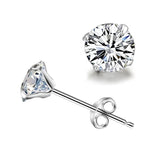
AJLuxe does not buy back, repair or recycle jewelry, and we do not sell solid gold. Our pieces are 925 sterling silver or 316L stainless steel with 18K gold plating or rhodium plating, with cubic zirconia stones, so we are not the right place for a valuation or scrap offer. What we can offer is simple replacements for the pieces you actually wear. A pair such as the CZ stud earrings in 925 sterling silver can stand in when you retire an odd pair (see how long CZ earrings last), and the dainty heart necklace in 18K gold over 925 sterling silver is a light everyday option (a few left). US orders ship free and returns are free. Plating wears gradually with use, as the guide to making gold plated jewelry last longer explains, so these are not heirloom metal. If you are wondering about sleeping in a piece you are keeping, our guide on sleeping with a necklace on covers it.
More in this guide
Related reading: jewelry hallmarks guide, how to tell if jewelry is real gold, how to store jewelry, how to clean costume jewelry and gold plated vs solid gold.
Frequently Asked Questions
Is broken jewelry worth anything?
Broken solid gold or silver still has value as metal, while broken plated or costume jewelry usually has none. The metal's purity and weight drive the value, not whether the clasp works. A jeweler can tell you quickly which kind you have.
What should I do with inherited jewelry?
Photograph it, record what you know about it, store it safely and wait. There is no deadline. When you are ready, you can wear, share, redesign, appraise or sell it.
Will a pawn shop take broken jewelry?
Many will take broken solid gold or silver as scrap, but policies differ. Offers vary between buyers, so ask several before you accept one.
Is it worth it to sell old gold jewelry?
Sometimes. Pieces with higher purity and more weight usually fetch more, but offers are normally below retail price and change with metal prices. This is general information, so compare quotes and ask a qualified professional if the amount is significant.
Can I get jewelry valued?
Yes, a jeweler or independent appraiser can give a written value. An appraisal for insurance is a different thing from a cash offer, so tell them which one you need.
Who pays the most for old jewelry?
There is no single answer, because it depends on the piece and the day. Comparing several quotes from local jewelers, refiners and other buyers is the most reliable way to see the range.
What can I do with old costume jewelry?
Clean it and wear it, donate it, repurpose it into crafts, or recycle what you can. Selling costume jewelry rarely pays, apart from some vintage or signed pieces.
What can I do with single earrings?
Turn one into a pendant or brooch, keep it with a replacement mate, or donate it with the rest of a costume collection.
Written by AJLuxe Team. Last updated: October 2026
All third-party trademarks, brand names and product names are the property of their respective owners. AJLuxe is not affiliated with, endorsed by, sponsored by, or otherwise connected to any third-party brand referenced in this article. Brand names are used solely for accurate comparative reference, and material descriptions reflect each brand's own published product specifications at the time of writing.
You Might Also Like
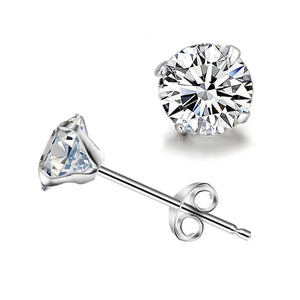

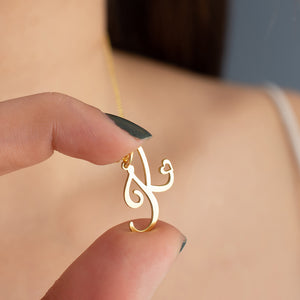
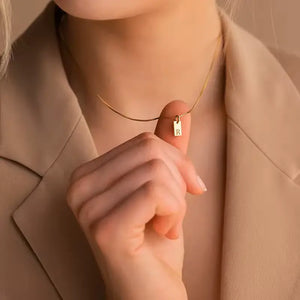
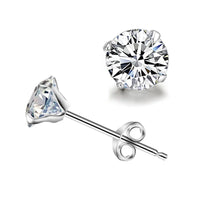
The piece they're describing → CZ Stud Earrings for Women — 925 Sterling Silver, Cubic Zirconia, Hypoallergenic
Personalize Yours


